

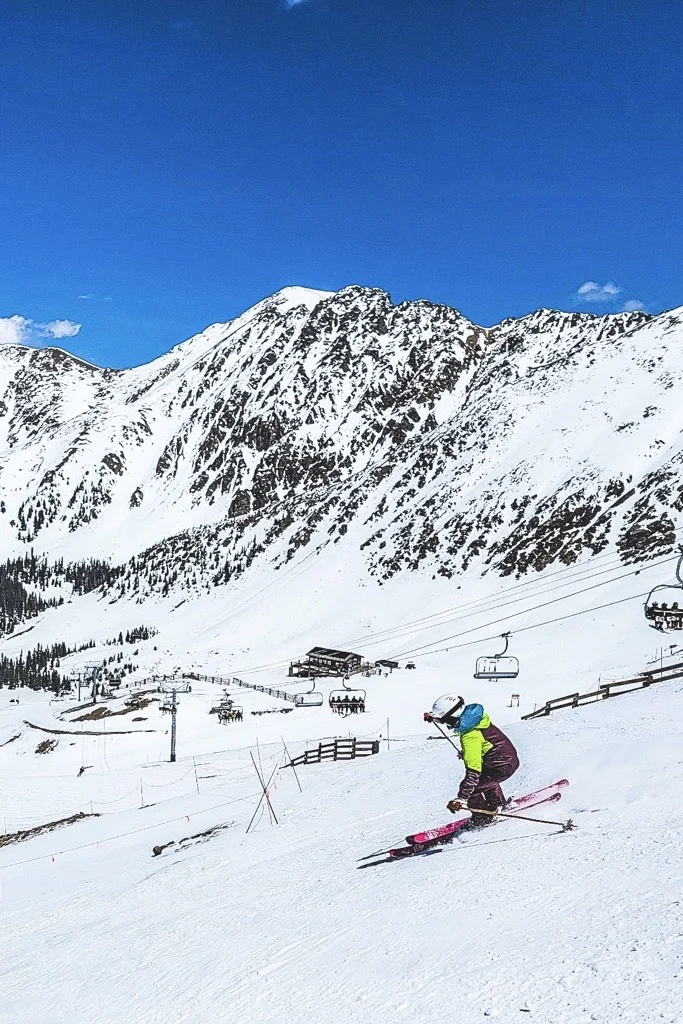
A recent case study, exemplified by Katherine Fuller, the PSIA-AASI Director of Marketing and Communications, underscores the profound and often underestimated value of professional snowsports instruction, particularly for adult intermediate participants. Fuller’s personal experience transitioning from a decade-long hiatus in receiving formal instruction to enrolling in Eldora Mountain’s five-week intermediate lesson program revealed not only significant technical advancement but also a crucial psychological shift, fostering confidence and a deep sense of belonging within the snowsports community. Her journey highlights how expertly delivered instruction can move beyond mere skill acquisition to fundamentally alter a participant’s relationship with the sport.
The Persistent Plateau: Challenges for Intermediate Skiers
For many adult snowsports enthusiasts, the intermediate phase presents a unique set of challenges. Having mastered the basics, skiers and snowboarders often find themselves in a performance plateau, struggling to advance further without professional guidance. This stagnation can lead to the entrenchment of bad habits, a decline in confidence, and a reduced enjoyment of the sport. Fuller, despite her professional involvement in the snowsports industry since 2019, experienced this firsthand. Learning to snowboard in her twenties and ski in her thirties, she frequently found herself skiing with more accomplished peers, leading to constant self-comparison that eroded her confidence. This dynamic cultivated a sense of being a "fraud" within her professional environment, illustrating how personal insecurities can permeate professional identity, even for those deeply embedded in an industry they love.
Industry data consistently points to this segment of the snowsports population as critical for long-term engagement. According to reports from the National Ski Areas Association (NSAA), retaining intermediate skiers and snowboarders through continued skill development is vital for maintaining robust participation rates and ensuring the sport’s sustained growth. Without effective pathways for improvement, these individuals are at a higher risk of disengaging, impacting everything from lift ticket sales to equipment purchases. Professional instruction, therefore, serves as a crucial intervention, providing the structured learning environment necessary to break through these barriers.
Eldora Mountain’s Program: A Structured Path to Mastery
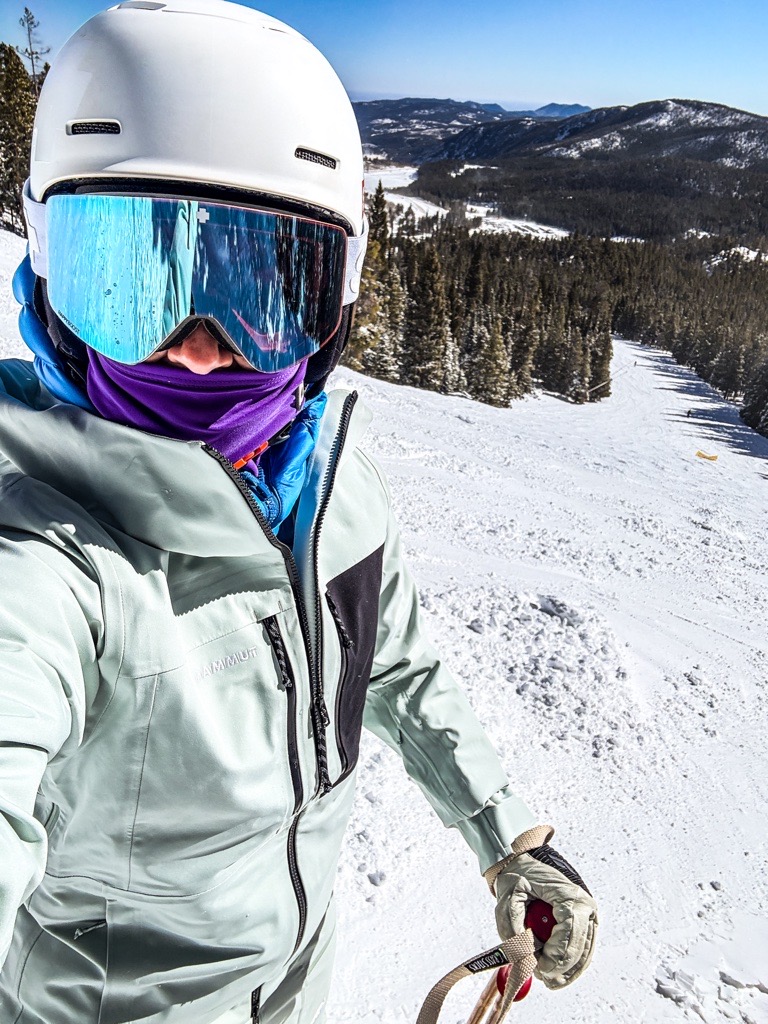
Fuller’s enrollment in Eldora Mountain’s five-week intermediate lesson program served as a pivotal moment. Eldora, a prominent Colorado resort known for its accessible terrain and robust instructional offerings, provided a structured environment designed to address the specific needs of intermediate adult learners. The program’s design, which included initial observation and sorting of approximately 40 women into skill-appropriate groups, immediately mitigated a common source of anxiety: the pressure of performing alongside vastly different skill levels. This thoughtful grouping created a peer-centric learning environment, a significant departure from Fuller’s previous experiences of constantly comparing herself to more advanced skiers.
The program spanned 15 hours over five days, a format conducive to progressive learning and skill reinforcement. This extended engagement allows participants to absorb feedback, practice new techniques, and internalize movements without the rushed intensity of a single, isolated lesson. For Fuller, this extended period offered a rare opportunity to shed her professional identity and ego, immersing herself solely as a student. She opted not to disclose her affiliation with PSIA-AASI, choosing instead to be "simply a random person with a vague marketing job too boring to discuss, committed to improving ‘just because’." This anonymity fostered an environment of genuine learning, free from the self-imposed pressure to demonstrate expert knowledge or performance. The sense of calm she experienced on the lift, a stark contrast to her usual battle with acrophobia, highlighted the psychological safety and relief that came from relinquishing control and trusting the instructional process.
The Instructor’s Art: Precision, Pedagogy, and Psychological Support
At the heart of Fuller’s transformative experience was her instructor, Lindsey. A 26-year-old Alpine Level II certified professional, youth freestyle coach, graduate student, and fiction author, Lindsey embodied the multifaceted expertise required of a top-tier snowsports instructor. Her ability to deliver targeted, impactful feedback, even with minimal verbal explanation, proved instrumental. Fuller was grouped in an "intermediate plus" pod, where she was the fastest but also the "most squirrely," indicating underlying technical inconsistencies despite her speed. Her skiing was prone to "crumbling at the first sight of ice," a common issue for "Rocky Mountain skiers" accustomed to more forgiving snow.
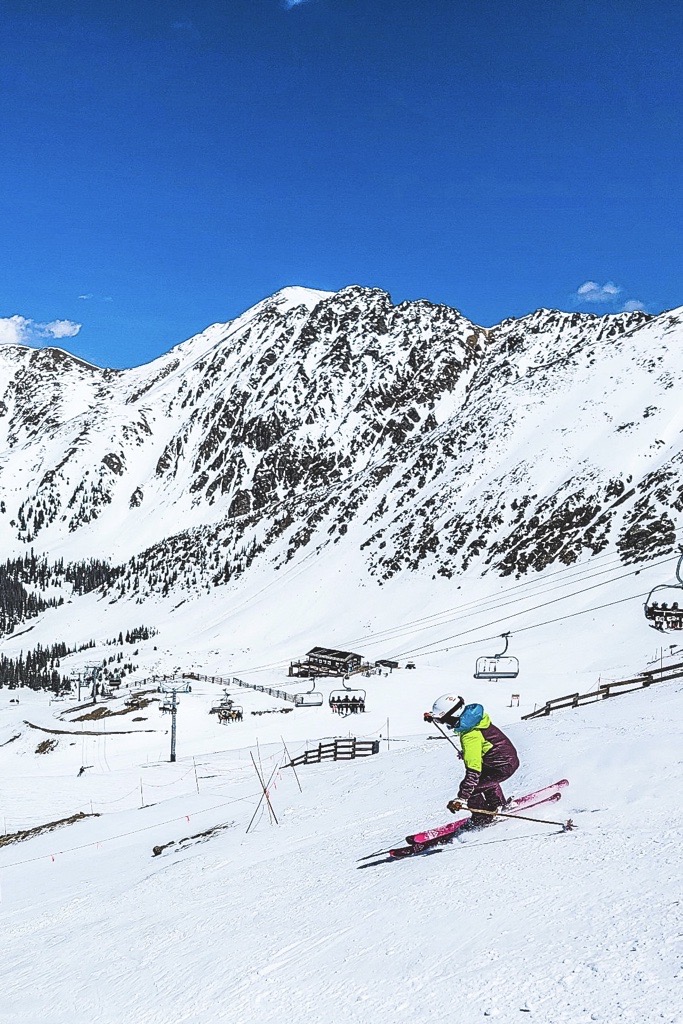
The "aha moment" occurred on day three. Lindsey’s concise instruction, "Widen your stance," delivered with a tap of a ski pole, immediately resonated. Fuller, committed to abandoning ego and simply listening, executed the instruction. The initial awkwardness quickly gave way to an unprecedented sense of stability and control. This seemingly minor adjustment unlocked the elusive "flow state," a meditative trance of effortless movement that Fuller had previously only experienced in mountain biking. This moment was a powerful demonstration of how a certified instructor’s precise observation and expert cueing can yield immediate and profound improvements. Lindsey later contextualized the suggestion, explaining how a wider stance provided the necessary space for Fuller to fully engage the edges of her skis, a critical element for control and carving, particularly with her 90mm-underfoot skis, which she noted were considered "somewhat narrow by many at the ski area where I used to work."
Lindsey’s instructional efficacy was deeply rooted in the principles advocated by PSIA-AASI. As Fuller later observed, her instructor’s approach aligned perfectly with the organization’s comprehensive teaching skills fundamentals. While the specific list of these fundamentals was not detailed in Fuller’s original account, PSIA-AASI generally emphasizes a holistic approach encompassing effective communication, clear demonstration, precise movement analysis, robust safety protocols, strategic terrain selection, and a student-centered pedagogical framework. Lindsey excelled in minimizing didactic lecturing, instead fostering peer-to-peer discussion on lift rides and delivering concise, actionable feedback. Her focus was not solely on technical mechanics, but also on the psychological elements of learning. By using relatable references, such as yoga, to encourage body awareness and spatial positioning, Lindsey addressed underlying fears and built confidence, preparing students to be more receptive to technical instruction.
A particularly effective strategy employed by Lindsey was her careful management of terrain choices. In a season marked by less-than-stellar snow conditions in Colorado, her constant narration of terrain selection – communicating with patrol about icy runs and guiding the group to optimal conditions – significantly reduced student anxiety. This proactive approach, while not directly teaching a technical skill, removed a major cognitive load from the students, allowing them to focus entirely on their skiing without worrying about encountering unexpected challenges. This demonstrated the instructor’s role as a competent guide, fostering trust and creating a secure learning environment.
Beyond the Turn: The Psychological and Industry Impact
The impact of Lindsey’s instruction extended far beyond improved turns; it transformed Fuller’s entire relationship with skiing. For an intermediate, 40-year-old skier grappling with years of fear and self-consciousness, the targeted instruction provided a foundation of both trust and technical skills, empowering her to "go for it." This emotional and psychological shift, which she describes as gaining "access to feelings I had been chasing for years, particularly the sense that I belong on skis," is a testament to the holistic benefits of professional instruction. It highlights that the goal of a snowsports lesson is not merely to refine movements but to cultivate a deeper enjoyment and connection to the sport.
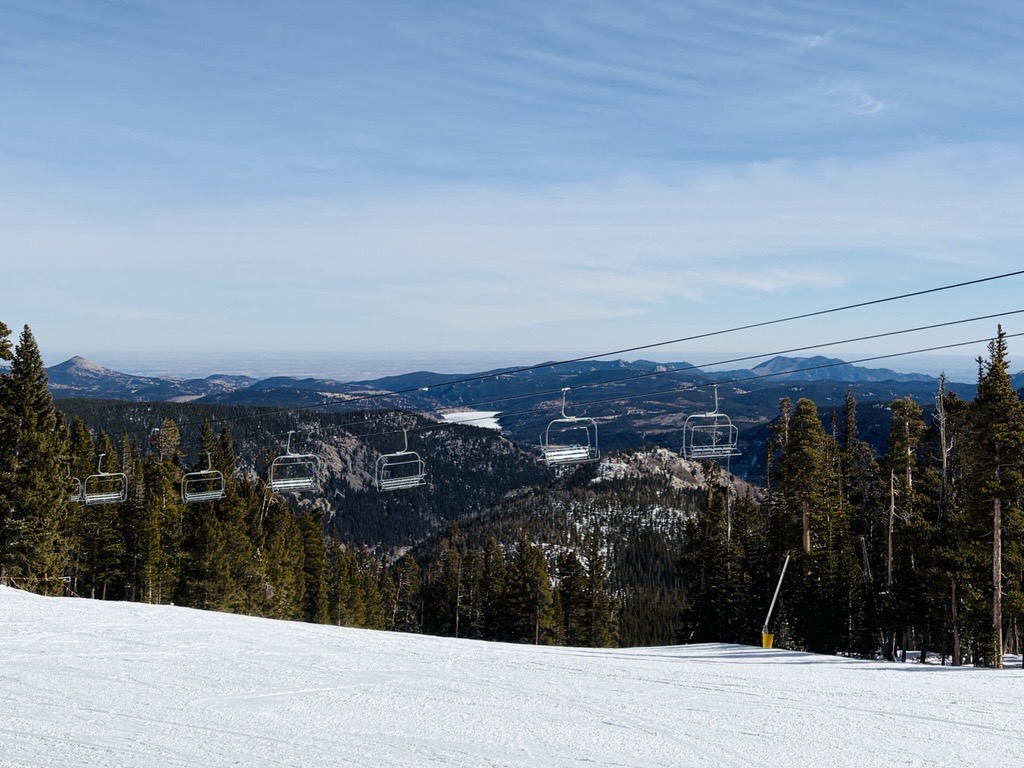
This personal transformation has significant implications for the snowsports industry. Studies by various snowsports organizations indicate that participants who engage in professional lessons are significantly more likely to become repeat visitors, purchase season passes, invest in equipment, and introduce new participants to the sport. By breaking through plateaus and instilling confidence, instructors like Lindsey act as crucial catalysts for long-term engagement. Fuller’s experience, culminating in her "giggling" down a challenging run at Copper Mountain during National Academy, a moment noted by a longtime instructor and ski resort executive, perfectly encapsulates this renewed joy and sense of belonging. This visceral expression of happiness is a powerful indicator of success for any snowsports program.
Fuller’s subsequent return to a previously feared run at her former workplace, tackling it with newfound, "grounded-in-reality confidence," further illustrates the lasting impact of her lessons. Her reflection on how "not like me that is" emphasizes that effective instruction can genuinely transform an individual, addressing deep-seated fears with compassion and competence rather than dismissal. Lindsey’s approach—accepting the student’s situation and working with it—demonstrates the nuanced skill of a certified instructor who understands that teaching is as much about psychological support as it is about technical guidance.
In conclusion, Katherine Fuller’s journey from a hesitant intermediate skier burdened by self-doubt to a confident, joyful participant underscores the indispensable role of professional snowsports instruction. It demonstrates that the value of certified instructors extends far beyond the mechanics of a turn; they are architects of confidence, navigators of fear, and facilitators of a deeper, more meaningful connection to the mountain. By adhering to rigorous pedagogical standards and employing student-centered approaches, organizations like PSIA-AASI ensure that instructors are equipped to deliver these transformative experiences, ultimately contributing to the vitality and growth of the snowsports community. The narrative of one individual’s rediscovered joy on the slopes serves as a compelling testament to the profound and enduring impact of quality instruction on both personal well-being and the broader industry landscape.
