

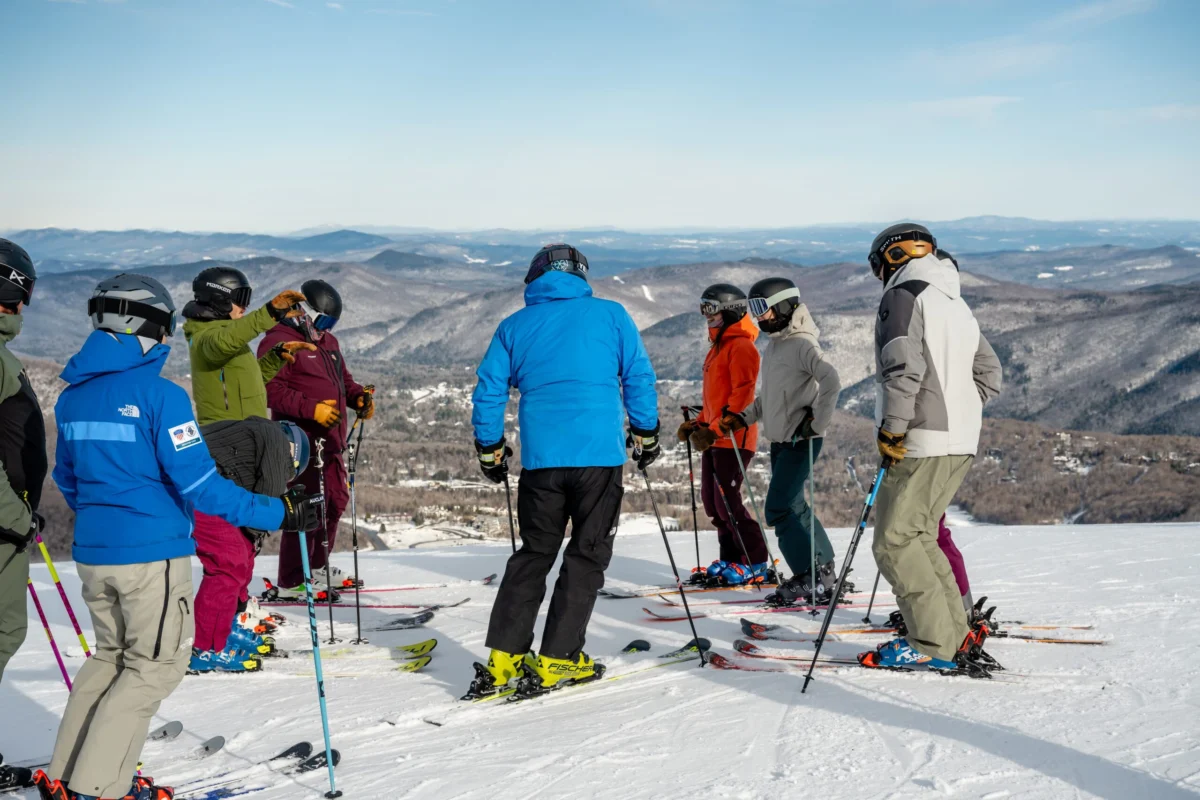
The landscape of snowsports instruction is continually evolving, yet the foundational skills that define truly great educators remain steadfast. The Professional Ski Instructors of America and American Association of Snowboard Instructors (PSIA-AASI), the leading professional organization for snowsports instructors in the U.S., has embarked on a comprehensive journey to align its education, professional development, and credentialing systems more closely with these enduring principles. This strategic realignment, championed by figures like Dave Schuiling, PSIA-AASI Director of Education & Credentialing, aims to create a nationally consistent, member-centric experience that validates the authentic competencies instructors demonstrate daily, ultimately enhancing the quality of instruction and the guest experience across the nation’s ski resorts.
A Legacy of Excellence: PSIA-AASI’s Role in Snowsports Education
Founded in 1961, PSIA-AASI has long served as the benchmark for snowsports instruction in the United States, representing over 32,000 members across nine divisions. Its mission has always been to promote the sports of skiing and snowboarding through professional instruction, setting standards for teaching and performance. Historically, while each regional division maintained high standards, variations in curriculum delivery, assessment methodologies, and resource availability sometimes led to inconsistencies in the member experience and the perceived value of credentials across different geographic areas. Recognizing the need for a unified approach in an increasingly interconnected industry, PSIA-AASI initiated a multi-year strategic alignment initiative in the late 2010s. This endeavor sought to harmonize standards, develop unified assessment tools, create nationally aligned resources, and foster shared professional development opportunities, ensuring that a PSIA-AASI certification holds consistent meaning and value from coast to coast.
The core philosophy underpinning this evolution is the unwavering belief that certification should not merely be a gatekeeping mechanism but a recognition and validation of the skills that exceptional instructors naturally employ every day. This shift in perspective emphasizes a holistic view of the instructor’s role, moving beyond rote memorization of progressions to a deeper understanding of human interaction, effective pedagogy, and adaptive technical application.
The Learning Connection: Pillars of Professional Competency
At the heart of PSIA-AASI’s evolved framework is the "Learning Connection"SM, a robust model that defines the essential professional competencies through three interconnected areas: People Skills, Teaching Skills, and Technical Skills. These are not isolated academic categories but dynamic, interwoven professional attributes crucial for creating meaningful and impactful learning experiences for both guests and fellow instructors.
- People Skills: These form the bedrock of any successful instructional interaction. They encompass the ability to build relationships based on trust and rapport, engage in meaningful two-way communication, understand and manage one’s own emotions and actions, and recognize and respond to the motivations and emotions of others. A recent internal survey conducted by PSIA-AASI indicated that instructors who consistently prioritized and demonstrated strong People Skills reported a 15% higher rate of guest rebooking and overwhelmingly positive feedback, underscoring the direct link between interpersonal connection and customer satisfaction.
- Teaching Skills: Once trust is established, effective teaching skills create an environment where growth can flourish. This involves collaborating with learners to establish meaningful goals, adapting instruction to meet changing individual needs, effectively managing information and experiences, encouraging exploration and discovery, and facilitating reflective learning. The emphasis is on co-creation, where learning is an interactive process built with the student, rather than simply delivered to them.
- Technical Skills: These complete the instructional equation, providing the instructor with the deep understanding and performance capabilities necessary to accurately assess student needs, communicate complex concepts clearly, and guide technical development effectively. Technical expertise instills confidence, ensures accuracy, and provides the instructor with a diverse toolkit to support learning across various skill levels and snow conditions.
Collectively, these three skill sets define what exemplary instruction looks like and serve as the foundational pillars for all education, professional development, and credentialing pathways within PSIA-AASI.
Redefining Assessment: Authenticity Over Performance
A significant aspect of PSIA-AASI’s strategic alignment is the philosophical shift in how assessments are approached. The goal has moved beyond evaluating a staged performance for an examiner to observing an authentic demonstration of teaching, coaching, and technical application in a real-world environment. This means examiners are less interested in whether candidates can execute a rehearsed progression or recite a specific approach, and more focused on understanding how effectively they build relationships, facilitate learning, and apply their technical knowledge to meet the diverse needs of their students.
This philosophy ensures that the assessment process genuinely captures the multifaceted work professional snowsports instructors undertake every day. It reinforces the idea that the standards define the desired skills, education introduces and develops these skills, professional development strengthens and refines them, and credentialing validates their consistent application. Each component serves a distinct purpose, yet together they form a cohesive pathway that supports lifelong growth and professional mastery.
The Instructor’s Journey: A Pathway to Professional Mastery
The journey to becoming a certified snowsports professional, and indeed to achieving mastery, is a continuous process that often begins with learning. This initial spark can come from a clinic, an e-learning course, a resort training session, mentorship, or even a compelling teaching experience. Learning ignites curiosity, prompting instructors to ask questions, seek deeper understanding, and explore new possibilities. As this understanding grows, curiosity often evolves into a genuine passion for teaching and the sport itself.
This passion becomes the fuel for development. Instructors actively seek opportunities to refine their skiing or riding, enhance their teaching methodologies, sharpen their movement analysis skills, improve communication, and cultivate leadership qualities. They become more intentional about their growth, actively seeking feedback, reflecting on their experiences, and challenging themselves to continuously learn and become more effective. Over time, this dedicated personal development matures into professional development.
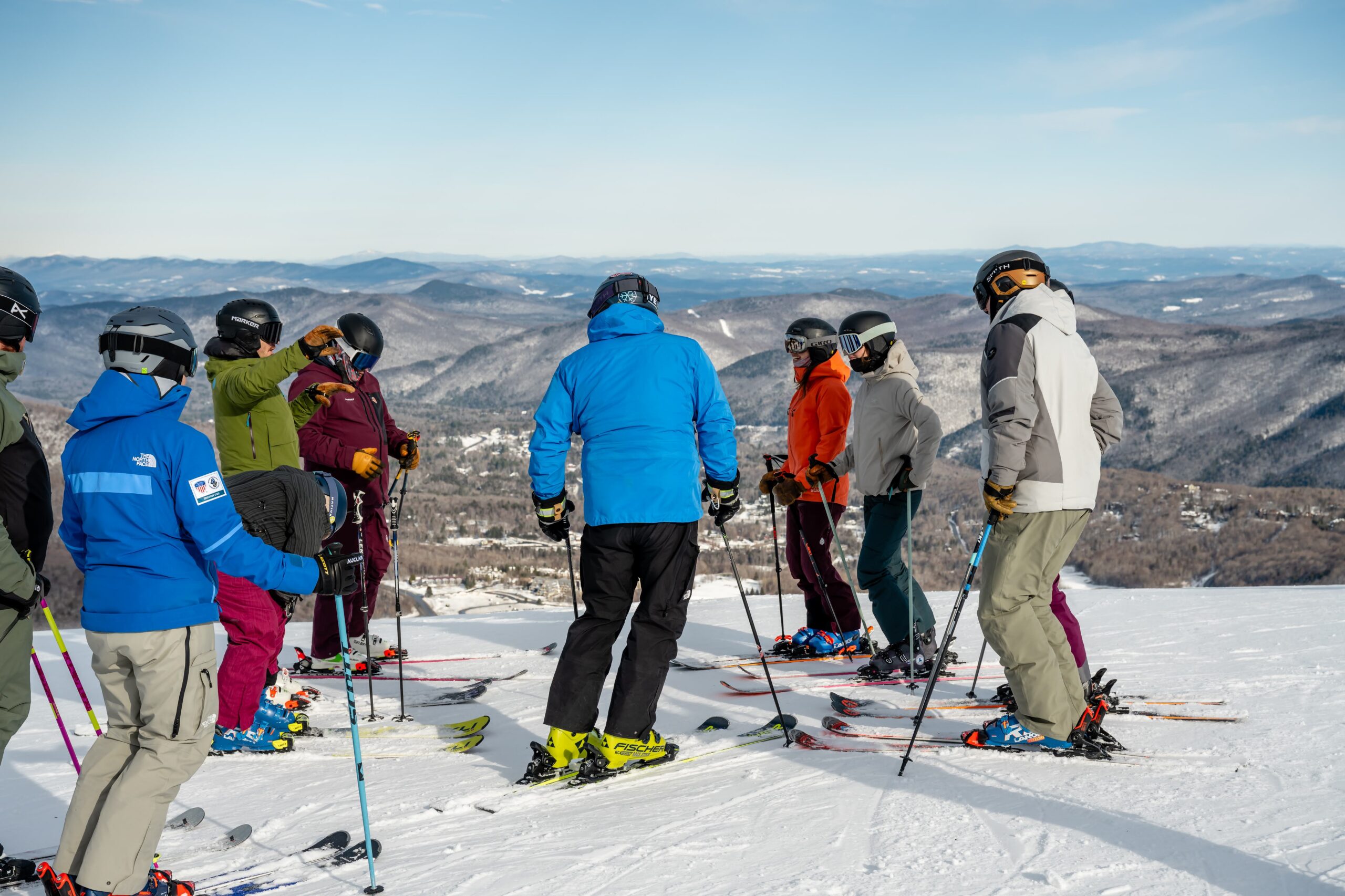
Professional development, in the context of PSIA-AASI, is far more than simply accumulating continuing education credits or preparing for a specific assessment. It represents a deliberate, sustained pursuit of growth—a commitment to becoming more capable, adaptable, and effective in creating meaningful experiences for guests. It is the profound recognition that expertise is not a fixed destination but an ongoing, dynamic process of refinement and adaptation.
Credentialing, while a crucial milestone within this process, is not the ultimate end goal. A certification assessment captures a specific moment in time, validating the knowledge, skills, and behaviors that have been cultivated through extensive experience, formal education, and dedicated professional growth. A credential signifies that an instructor can consistently demonstrate the high standards associated with a particular level of professional practice. As Dave Schuiling aptly states, "The credential is not the goal. The goal is becoming the kind of instructor who earns it."
When viewed through this lens, assessments transform from high-stakes trials into valuable opportunities to showcase skills already honed through daily practice with guests and colleagues. The most effective preparation for certification, therefore, is the very work itself: consistently creating exceptional learning experiences, building strong relationships, adeptly solving problems, and continuously refining one’s professional competencies.
Trust: The Cornerstone of Transformative Learning
The power of People Skills, particularly the cultivation of trust, cannot be overstated. When learners trust their instructor, they become more willing to experiment, take calculated risks, ask clarifying questions, and embrace challenges. They become more open to constructive feedback and more deeply engaged in the learning process. Trust fundamentally creates the optimal conditions for learning to thrive, fostering a safe and supportive environment where individuals feel empowered to explore their potential.
Once this foundational trust is firmly established, Teaching Skills come into play, crafting an environment conducive to profound growth. Great instructors excel at collaborating with learners to set clear, achievable goals, adapting their approach to meet diverse and changing needs, and managing information and experiences with clarity and purpose. They encourage exploration and discovery, understanding that true learning is an active, participatory process. They also facilitate reflection, helping students internalize their experiences and understand their progress. They recognize that learning is not a passive commodity delivered to a student, but an active, dynamic process created with the student.
Finally, Technical Skills provide the essential framework. They equip instructors with the understanding and performance capabilities necessary to accurately assess needs, communicate complex concepts with precision, and guide physical development effectively. Technical expertise provides instructors with the confidence, accuracy, and purpose required to support learning across a spectrum of abilities and challenges.
Together, People Skills, Teaching Skills, and Technical Skills converge to create significant impact. This impact is ultimately what matters most in the realm of education. Most individuals can recall a teacher, coach, mentor, or instructor who profoundly influenced their lives. These memories often center not just on what was taught, but on how that person made them feel, how they inspired confidence, how they helped them overcome obstacles, and the new possibilities they helped them envision.
As snowsports instructors, professionals have a unique opportunity to create such transformative experiences daily. Guests return to the mountain not because they received a flawlessly delivered progression, but because they felt genuinely understood, experienced tangible success, developed new confidence, and forged a meaningful connection with the mountain, the sport, and the people around them. They return because the experience mattered on a personal level. This profound impact is the true purpose and ultimate measure of PSIA-AASI’s education and credentialing system.
The Broader Implications and Industry Impact
The strategic alignment undertaken by PSIA-AASI transcends mere organizational restructuring; it represents a profound commitment to elevating the entire snowsports instruction profession. This initiative was never about creating identical assessments or standardizing paperwork, but about cultivating a shared, national understanding of what constitutes truly great instruction. The defined standards articulate this vision, education cultivates it, professional development strengthens it, and rigorous assessments validate it.
The progression is both elegantly simple and remarkably powerful: Learning sparks curiosity, curiosity evolves into passion, passion drives purposeful growth, this growth transforms into professional development, and professional development ultimately prepares instructors to earn credentials that recognize their ability to cultivate trust, inspire learning, and make a lasting impact.
This integrated approach has several significant implications for the snowsports industry:
- Enhanced Professionalism and Career Pathways: By providing clear pathways for growth and validating a comprehensive set of skills, PSIA-AASI elevates the professional standing of instructors, making it a more attractive and sustainable career. This can lead to increased retention of experienced instructors and attract new talent to the profession.
- Consistent Quality Across Resorts: National alignment ensures that guests receive a consistent, high-quality instructional experience regardless of which PSIA-AASI certified instructor they encounter or which resort they visit. This fosters greater trust in the brand and the overall professionalism of snowsports schools. Leading resort operators have echoed this sentiment, with one major resort’s Director of Ski & Ride School noting, "The consistency brought by national alignment means we can onboard instructors from any region with greater confidence in their baseline skills, leading to a stronger, more cohesive team and superior guest experiences."
- Improved Guest Satisfaction and Retention: Instructors equipped with strong People, Teaching, and Technical Skills are better positioned to create memorable and successful learning experiences. Industry data suggests that positive instructor-guest interactions significantly increase return visits, potentially boosting resort revenue by up to 20% in repeat business and word-of-mouth referrals.
- Enhanced Safety: Effective instruction is intrinsically linked to safety on the slopes. By teaching proper technique, mountain awareness, and responsible behavior, certified instructors play a crucial role in reducing accidents and injuries, contributing to a safer environment for all snowsports enthusiasts.
- Economic Impact: The snowsports industry contributes an estimated $52 billion annually to the U.S. economy, with instruction playing a vital role in attracting new participants and retaining existing ones. A robust, highly professional instructional corps is essential for the continued growth and health of this sector.
In conclusion, the strategic alignment efforts of PSIA-AASI reflect a deep understanding that certification is not merely about passing an assessment, but about fostering the continuous development of the knowledge, skills, and behaviors that empower individuals to learn, grow, and return to the mountain for more enriching experiences. It is a testament to the enduring power of human connection, thoughtful pedagogy, and technical mastery in the pursuit of lifelong passion for snowsports.
