

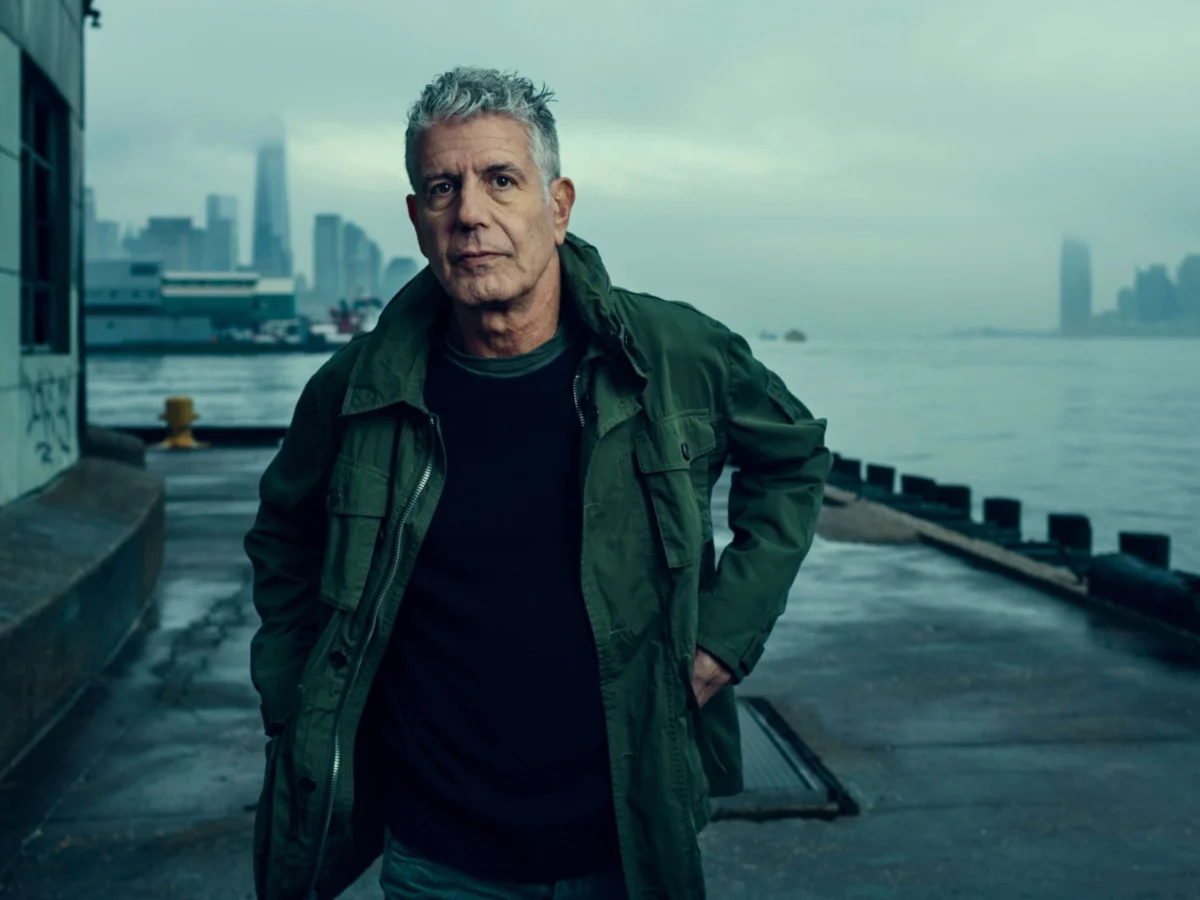
The recent release of "Tony," Matthew Johnson’s cinematic sketch of a young Anthony Bourdain, offers a compelling look at the formative years of the culinary icon. The film, which premiered on Friday, August 7, dives into Bourdain’s early days as he honed his skills in a rustic Provincetown, Massachusetts restaurant during the 1970s. This period, vividly recounted in his seminal 2000 memoir, "Kitchen Confidential: Adventures in the Culinary Underbelly," was a crucible that shaped the man who would become a globally recognized chef, author, publisher, and television personality. A 2016 profile by Oliver Strand for Vogue, "Man of the World," delves into the significance of this era, suggesting that Bourdain’s later reputation for being somewhat exclusive stemmed from his initiation into the culinary world by a band of "pirates"—a hard-living, unconventional group who ultimately provided him with a sense of belonging.
The impetus for Strand’s 2016 piece was the ambitious development of Bourdain Market, a visionary global food hall planned for New York City’s Pier 57. Although this monumental project ultimately faltered before Bourdain’s untimely passing in 2018, its core concept found a later echo in Urban Hawker, a celebrated haven for Singaporean street food. This vibrant establishment, located on West 50th Street, unfortunately ceased operations only last month, marking the end of a significant chapter in New York’s diverse culinary landscape.
The Genesis of a Culinary Force: From Provincetown to Global Acclaim
"Tony" transports audiences back to Bourdain’s early twenties, a time when he was a dishwasher and aspiring cook in Provincetown. This period, often overshadowed by his later meteoric rise, is crucial to understanding the raw authenticity that would become his hallmark. Bourdain himself described this time in "Kitchen Confidential" as an apprenticeship under a group of unconventional, rebellious characters who operated outside the traditional confines of the culinary world. These "pirates," as he termed them, provided a unique form of mentorship, instilling in him a deep understanding of the restaurant business’s underbelly and, more importantly, a sense of camaraderie and purpose.
The film’s portrayal of a young Bourdain, brought to life by Dominic Sessa’s nuanced performance—a blend of wide-eyed innocence and striking self-assurance—captures the spirit of this formative experience. Sessa’s depiction hints at the burgeoning curiosity and inherent rebelliousness that would define Bourdain’s trajectory. This immersion into the gritty, fast-paced environment of a seaside kitchen laid the foundation for his later insights into the human element of food, culture, and travel.
A Legacy Forged in Dishwashing and Delinquency
Born in New York City to a family that, while not overtly conservative, encouraged intellectual curiosity and diverse experiences, Anthony Bourdain’s early life was marked by a stark contrast between his upbringing and his adolescent choices. While his brother pursued a successful career in finance, Bourdain, by his own admission, was a "monstrous child." His early experimentation with drugs, including acid at thirteen, and his desire to belong to counter-cultural movements during the politically charged early 1970s, led him down a path of delinquency.

However, this period also saw the awakening of a deep intellectual and artistic sensibility, significantly influenced by his high school English teachers. These educators, Bourdain recalled, possessed a "fierce intellect" and introduced him to the subversive power of literature, fostering a critical engagement with the world that extended beyond conventional norms. This early exposure to challenging ideas and narratives would later fuel his writing and his approach to television.
His academic pursuits at Vassar College were short-lived, as he departed before his junior year. It was in the chaotic, demanding environment of the restaurant kitchen that Bourdain found his true calling and a sense of belonging. He described it as finding a "home in the circus" or "in the Army," a place where he first encountered individuals he respected and where he, in turn, began to respect himself. This transformative experience formed the bedrock of "Kitchen Confidential," a book that revolutionized the public’s perception of chefs, shifting the archetype from a benevolent guide to a complex, often self-destructive antihero.
The Evolution of a Storyteller: From Kitchen Confidential to Parts Unknown
The path to Bourdain’s global recognition was not immediate. His early literary forays, including the noir thrillers "Bone in the Throat" (1995) and "Gone Bamboo" (1997), garnered limited attention. His breakthrough arrived with the publication of "Don’t Eat Before Reading This" in The New Yorker in 1999, an essay that served as the genesis for "Kitchen Confidential." The essay’s raw honesty and unflinching portrayal of the restaurant industry resonated deeply, leading to a book deal and launching his career as a literary figure.
Bourdain’s transition from chef to celebrated author and, subsequently, television personality was a testament to his ability to articulate the human condition through the lens of food and travel. He meticulously crafted his voice, dedicating mornings to writing even while working as a chef. His literary output expanded to include a diverse range of works, from cookbooks like "Appetites" to historical non-fiction and graphic novels, alongside regular contributions to Lucky Peach magazine and the establishment of his own imprint at Ecco.
This dedication to his craft and his unwavering honesty became the cornerstones of his success. Director Adam McKay, who featured Bourdain in "The Big Short" for his ability to cut through complex financial jargon, noted, "Everyone knows his opinions come from a real place." This authenticity allowed Bourdain to tackle increasingly challenging and remote locations in his acclaimed CNN series, "Parts Unknown," venturing into regions like Libya, Iran, and the West Bank. His willingness to engage with the world on its own terms, rather than imposing a Western perspective, earned him widespread respect, even from figures like President Obama, who famously joined him for a meal in Hanoi.
Bourdain Market: A Culinary Dream Realized, Then Transformed
The ambition behind Bourdain Market, envisioned as a sprawling global food hall at New York City’s Pier 57, represented a significant culmination of Bourdain’s lifelong passion for street food and diverse culinary traditions. The project, announced with considerable fanfare, aimed to create a vibrant hub showcasing authentic flavors from around the world. While the market’s development faced delays and ultimately did not materialize as originally planned before Bourdain’s death, its spirit found a new home in Urban Hawker.

Urban Hawker, a testament to Bourdain’s influence and vision, aimed to bring the vibrant street food culture of Singapore to New York. This establishment, which operated on West 50th Street, recently closed its doors, marking the end of a beloved culinary destination. The closure, reported just last month, underscores the transient nature of even the most celebrated food ventures, yet the impact of Bourdain’s patronage and vision continues to resonate within the culinary community.
The original plan for Bourdain Market was audacious: to curate a space where the world’s best street food vendors could ply their trade. Bourdain envisioned a hands-off approach, empowering the individual chefs and families to bring their authentic recipes and cultural heritage to New York. He spoke of bringing "the guy who’s the best chicken-and-rice guy in Singapore and just let him do his thing," emphasizing the importance of unadulterated authenticity over contrived culinary experiences. The logistical challenges of securing work permits, housing, and flights for international vendors were significant, but Bourdain approached them with characteristic confidence, even cockiness, stating, "We’re on it, man. Housing and visas, that’s day one."
The "Pirate" Mentality: Camaraderie and Calculated Provocation
Bourdain’s "us vs. them" mentality, a trait that some critics perceived as tribal or overly exclusive, can be traced back to his formative experiences in the restaurant industry. The "pirates" of the Provincetown kitchen were not just colleagues; they were a found family, a band of rebels who offered him a sense of belonging he hadn’t found elsewhere. This deep-seated loyalty extended to his television crew, many of whom had worked with him since the early days of "A Cook’s Tour." His interactions with his production team at Zero Point Zero, as observed by journalists, reveal a profound ease and mutual respect, a testament to the enduring bonds forged through shared experiences and a common purpose.
However, Bourdain was also known for his sharp critiques and public sparring with fellow culinary figures. His controversial comparison of Alice Waters to the Khmer Rouge and his disputes with writer Alan Richman, particularly in the aftermath of Hurricane Katrina’s devastation of New Orleans, exemplify his willingness to engage in contentious dialogue. While Bourdain maintained that he and Waters had reconciled and that his disagreements with Richman were resolved, the echoes of these exchanges highlight his uncompromising approach to issues he felt passionately about.
Despite these confrontations, many in the industry hesitated to criticize Bourdain publicly, recognizing his significant influence. Yet, accusations persisted that he favored those within his circle, potentially overlooking the achievements of those he deemed "not cool enough." This perceived selectivity, while perhaps stemming from his ingrained sense of camaraderie, did create a dynamic where certain voices and establishments might have been excluded from the broader narrative he presented.
A Private Softness Beneath a Public Persona
Beyond the provocative public persona and the gruff exterior, Bourdain possessed a demonstrable capacity for tenderness and vulnerability. His separation from his wife, Ottavia Busia, a formidable mixed-martial-arts fighter, revealed a man deeply committed to his family. He expressed his enduring love and respect for Busia, emphasizing their shared dedication to raising their daughter, Ariane, as a unified family unit, despite their diverging paths.

Busia herself offered insights into Bourdain’s private life, noting his surprising emotional depth. "Disney cartoons make him cry," she revealed, contrasting it with his openness about past struggles with drug addiction and wild escapades. This duality—the fearless adventurer and the doting father, the sharp-tongued critic and the man moved by animated films—painted a complex portrait of an individual who, despite his public image, cherished his personal relationships and sought a semblance of stability in his home life. His decision to quit smoking, he explained, was a conscious effort to extend his life for his daughter, a testament to the profound impact family had on his choices.
The Enduring Legacy: Beyond the Plate
The narrative of Anthony Bourdain is more than just a story of a chef who found fame. It is a testament to the power of authentic storytelling, the importance of embracing one’s roots, and the enduring human need for connection. From his early days in the rough-and-tumble kitchens of Provincetown to his global explorations as a television host, Bourdain consistently championed the idea that food is a universal language, a gateway to understanding different cultures and the people who inhabit them.
The film "Tony" serves as a poignant reminder of this journey, offering a glimpse into the crucible that forged the icon. Bourdain’s legacy extends far beyond his books, his television shows, or the restaurants he championed. It lies in his ability to make the world feel a little smaller, a little more accessible, and a lot more delicious, inspiring countless individuals to look beyond their own borders and embrace the richness of human experience, one plate at a time. His unwavering commitment to integrity, his fearless exploration of the world’s complexities, and his profound empathy for the human spirit ensure that his voice will continue to resonate for generations to come.
