

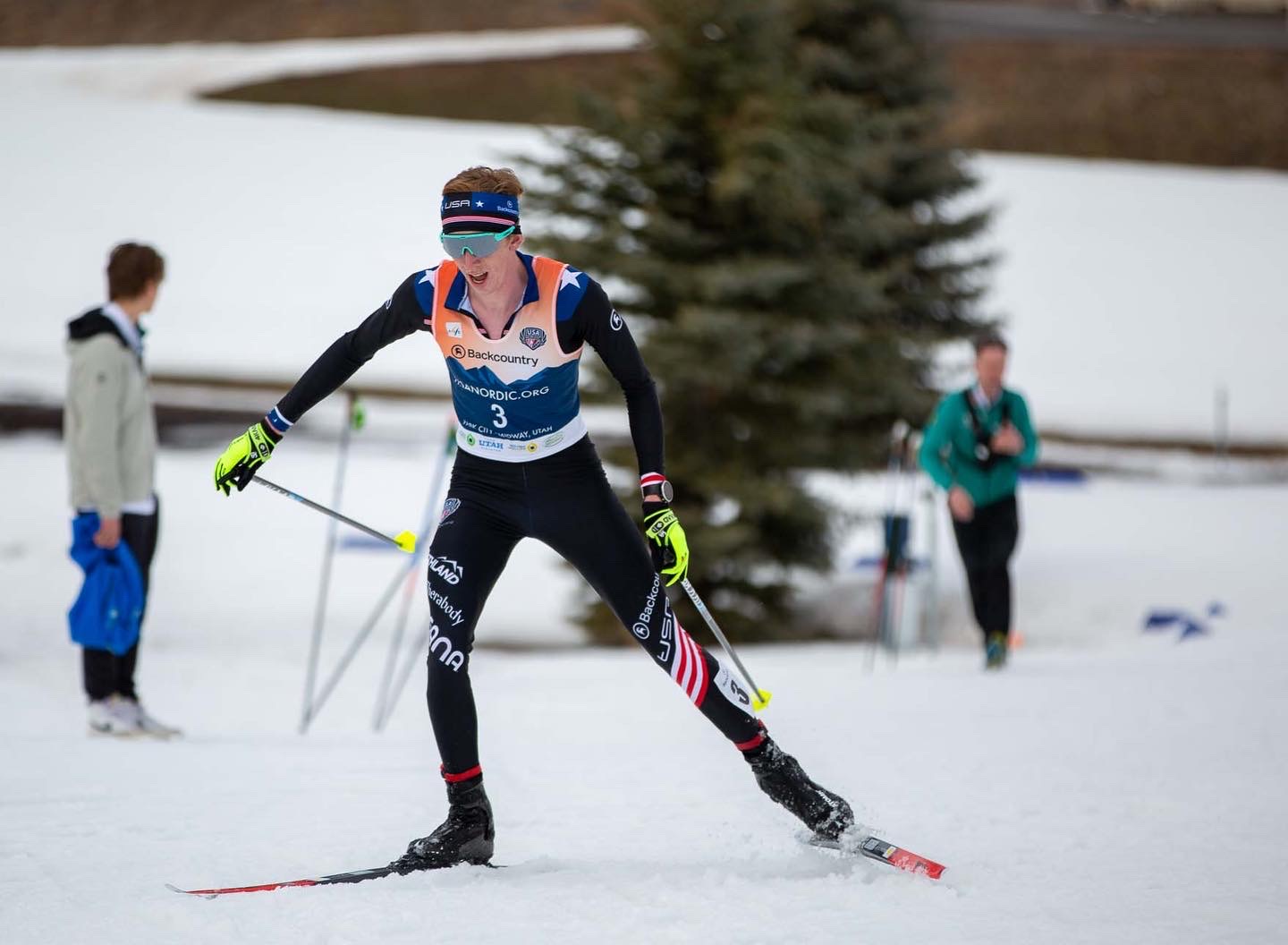
The landscape of American environmental policy underwent a significant shift following the 2024 presidential election, prompting a wave of reactions from conservationists, industry leaders, and professional athletes. Among those responding to the political transition is Jared Shumate, a 2022 Winter Olympian in Nordic Combined, who has announced a formal pivot from grassroots activism to professional policy education. Shumate, a prominent member of the "Outdoor State"—a demographic of over 180 million outdoor enthusiasts—has enrolled in a Master’s in Public Policy program to address what he characterizes as an urgent need for sophisticated advocacy in the face of widespread environmental deregulation.
This development comes as the second Trump administration begins implementing a series of policy reversals aimed at expanding domestic energy production and reducing the regulatory oversight of the Environmental Protection Agency (EPA). For Shumate and organizations like Protect Our Winters (POW), these changes represent a direct challenge to the preservation of public lands and the long-term viability of winter sports. The transition from athlete to policy scholar highlights a growing trend of public figures seeking formal credentials to influence the legislative process during a period of heightened environmental volatility.
A Chronology of Disconnect and Discovery
The 2024 election cycle was marked by intense campaigning, with environmental protection serving as a polarizing issue between the two major parties. Shumate, who has a background in geography and environmental science, was deeply involved in the pre-election efforts. His activities included door-knocking in Bozeman, Montana, conducting voter outreach in key swing states, and organizing voter registration drives at the University of Utah. These efforts were part of a broader push by the outdoor industry to mobilize a voting bloc that prioritizes climate action and land conservation.
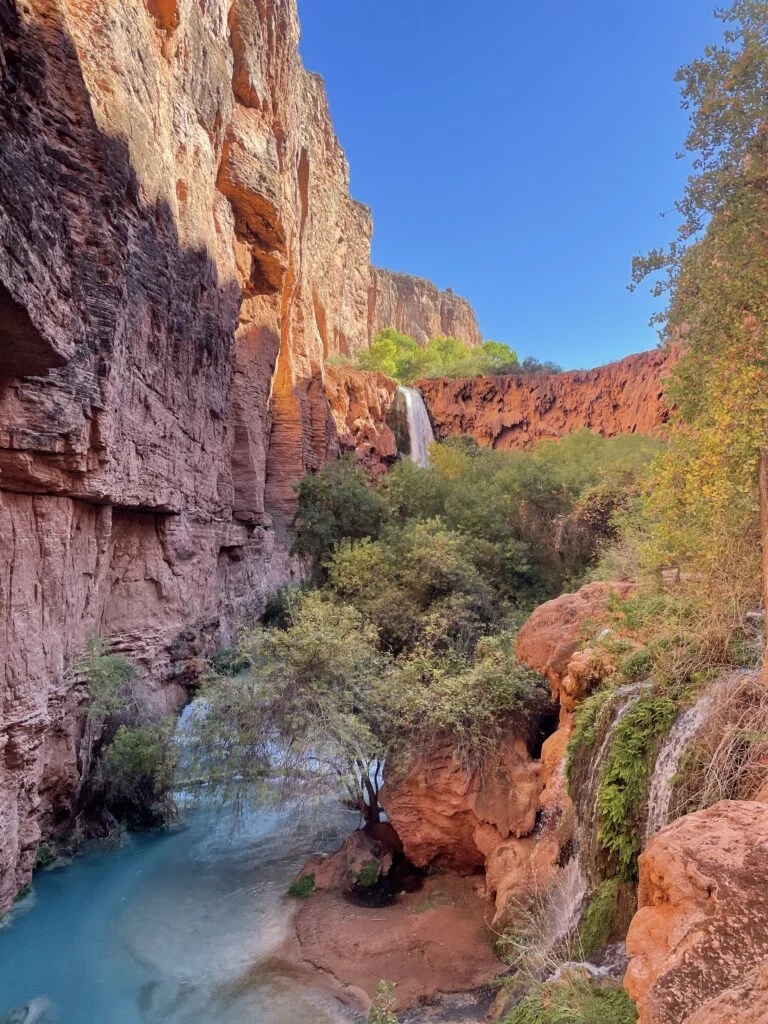
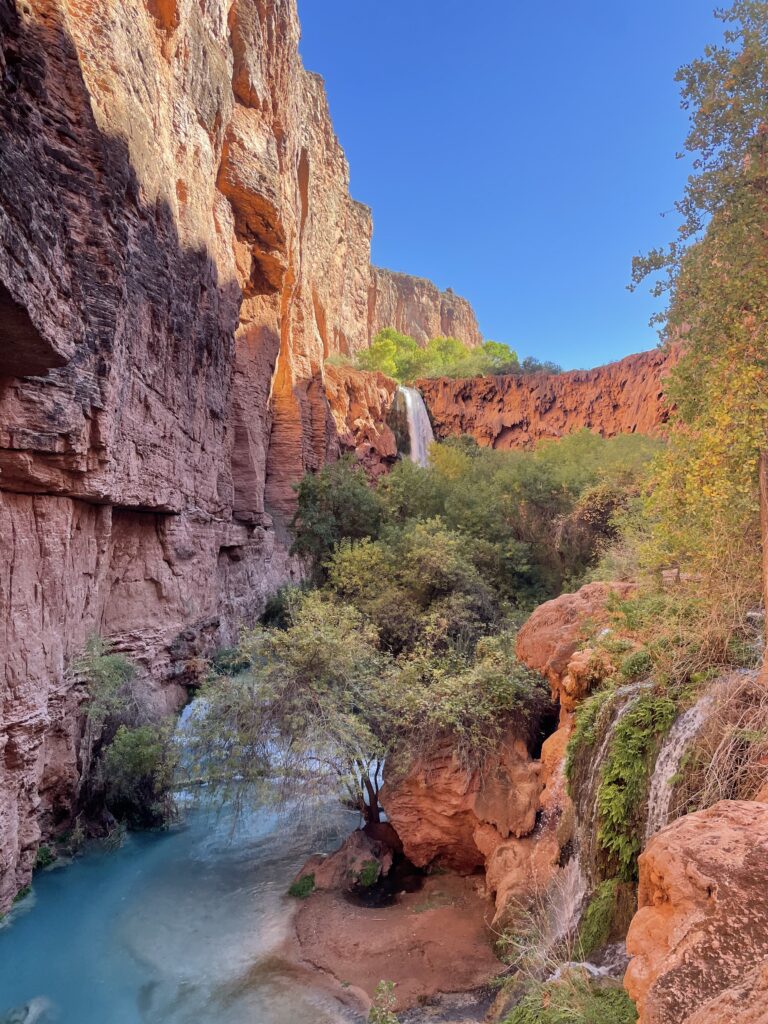
During the actual week of the election, Shumate was on a remote backpacking expedition in the canyon country of Arizona. This period of isolation meant he was unaware of the live election returns on November 5. While in the wilderness, he observed the very landscapes that have become the center of federal land-use debates. It was only upon returning to cellular service three days after the polls closed that Shumate learned of Donald Trump’s victory over Kamala Harris.
The immediate aftermath of the election saw a rapid series of announcements regarding the future of federal lands. Within the first months of the transition, the administration signaled intentions to open various public tracts to new drilling and mining leases. For Shumate, the realization that his previous efforts did not yield the desired electoral outcome served as the primary impetus for his return to academia. He determined that while grassroots mobilization is essential, the complexities of modern governance require a deeper understanding of the "intricacies of public policy" to effectively counter large-scale rollbacks.
The Environmental Policy Landscape: 2024 and Beyond
The policy environment that Shumate seeks to influence is defined by a sharp departure from the previous administration’s climate goals. Under the 2024 mandate, the executive branch has moved to streamline the permitting process for fossil fuel extraction and has reviewed several long-standing clean air and water protections.
Specific areas of concern for environmental advocates include:
- The Clean Power Plan and Methane Rules: Efforts to weaken restrictions on methane leaks from oil and gas wells, a potent greenhouse gas.
- National Environmental Policy Act (NEPA) Revisions: Changes to NEPA aimed at accelerating infrastructure projects by limiting the scope of environmental impact reviews.
- Public Land Designations: The potential downsizing of national monuments or the opening of previously protected areas, such as the Arctic National Wildlife Refuge (ANWR) or portions of the American Southwest, to industrial development.
Data from the EPA’s own historical records suggest that regulatory rollbacks can lead to measurable changes in air quality and water safety. However, proponents of the current administration’s shift argue that these moves are necessary for "energy independence" and to lower costs for American consumers. This ideological divide is the primary battlefield for upcoming legislative sessions, where the Master’s in Public Policy degree becomes a strategic asset for advocates.
The Economic Power of the Outdoor State
A central component of Shumate’s advocacy, and that of the broader Outdoor State, is the economic argument for conservation. According to the Bureau of Economic Analysis (BEA), the outdoor recreation economy accounts for approximately $1.1 trillion in annual economic output, representing roughly 2.2% of the U.S. Gross Domestic Product (GDP). This sector supports nearly 5 million jobs across the country, often in rural areas that are most affected by changes in federal land management.
The outdoor industry is not merely a collection of hobbyists; it is a significant economic engine. In states like Utah and Montana, where Shumate has lived and trained, the economy is inextricably linked to the health of the environment. Winter sports, in particular, face an existential threat from climate change. Data from the National Oceanic and Atmospheric Administration (NOAA) indicates a consistent trend of shortening winter seasons and decreasing snowpacks in the Western United States. For a Nordic Combined athlete like Shumate, these statistics are not abstract; they manifest as shorter training windows and a greater reliance on energy-intensive man-made snow.
By pursuing a Master’s in Public Policy, Shumate aims to bridge the gap between the experiential knowledge of an athlete and the data-driven world of economic and environmental legislation. The goal is to present conservation not just as a moral or aesthetic preference, but as an economic necessity for the $1.1 trillion outdoor industry.
The Intersection of Professional Athletics and Climate Advocacy
Shumate’s decision reflects a broader evolution in the role of the professional athlete. Traditionally, athletes were expected to remain apolitical, focusing solely on their respective sports. However, the 2024 election cycle saw an unprecedented level of engagement from the sporting community. Organizations like Protect Our Winters have successfully recruited high-profile figures—ranging from Olympic skiers to professional mountain bikers—to leverage their platforms for social and environmental causes.
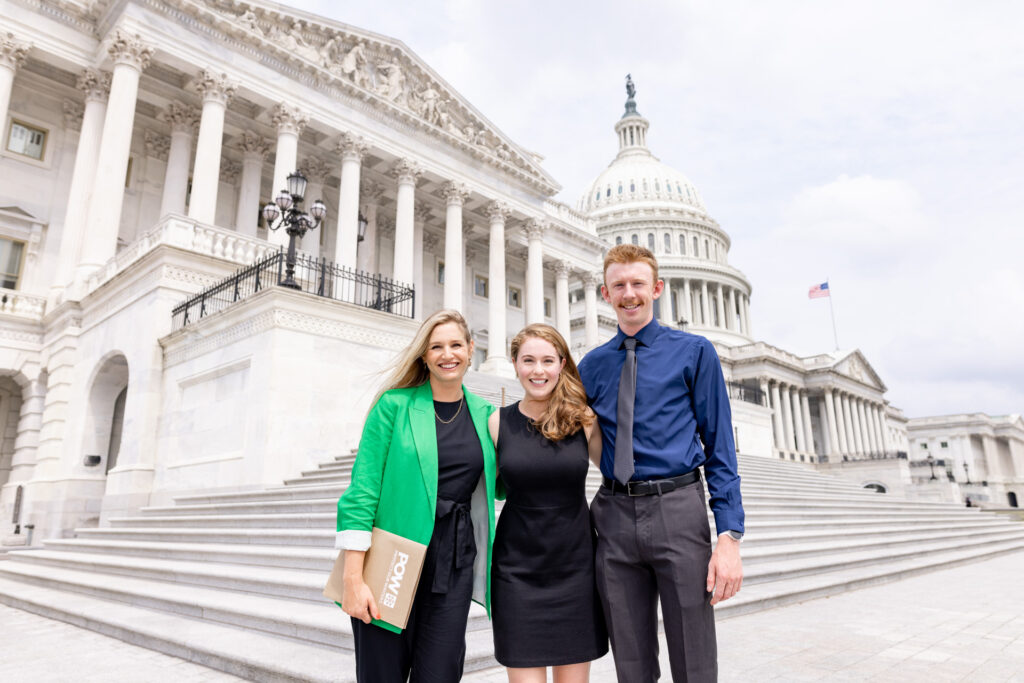
The rationale for this engagement is clear: athletes are often the first to witness the physical impacts of environmental degradation. In the case of Nordic Combined, a sport that combines ski jumping and cross-country skiing, the dependency on specific weather conditions makes the athletes uniquely sensitive to climate shifts. Shumate’s transition to policy work is a formalization of this lived experience. He has already participated in lobbying trips to Washington, D.C., where he met with lawmakers to discuss the impact of climate policy on the winter sports industry.
Official reactions from the athletic community have been supportive of Shumate’s move. Amie Engerbretson, a fellow member of the POW Ski Alliance, noted that the complexity of modern environmental law requires more than just passion; it requires specialized knowledge. The consensus among these advocates is that while a single degree may have a limited direct impact, it contributes to a more professionalized and formidable advocacy infrastructure within the outdoor community.
Educational Imperatives and the Role of Public Policy
A Master’s in Public Policy (MPP) provides the tools necessary to analyze data, understand the legal framework of governance, and navigate the bureaucratic processes of federal agencies. For Shumate, this education is the next logical step in a career that has moved from the podium to the halls of Congress.
The MPP curriculum typically covers:
- Quantitative Analysis: Using statistical tools to evaluate the effectiveness of environmental regulations.
- Economic Theory: Understanding the market forces that drive both pollution and clean energy transitions.
- Political Strategy: Learning how to build coalitions and influence the legislative agenda.
- Ethics and Governance: Examining the responsibilities of the state in protecting public resources for future generations.
Shumate’s entry into this field signifies a shift from "apathy to action," a mantra he has adopted to encourage his peers. He acknowledges that while not everyone can or should return to school, the act of choosing a specific, high-impact form of action is critical during periods of political adversity.
Preparing for the Midterms: A Call for Civic Engagement
As the 2024 election cycle concludes, the focus of the Outdoor State is already shifting toward the upcoming midterm elections. Historically, midterm elections see lower voter turnout than presidential years, yet they are often more influential in determining the makeup of congressional committees that oversee environmental policy.
Shumate and his colleagues at Protect Our Winters emphasize that "momentum is everything." The strategy for the next two years involves maintaining the engagement levels seen in 2024 and translating them into a consistent voting bloc. The "Outdoor State" represents a diverse group of voters—ranging from hunters and anglers to hikers and skiers—who may disagree on many issues but share a common interest in the protection of public lands.
The political analysis suggests that if even a fraction of the 180 million outdoor enthusiasts votes as a unified bloc, they could hold the balance of power in several key states. This potential for influence is what drives Shumate’s urgency. He views his Master’s degree as a way to better serve this community, providing them with the policy expertise needed to turn collective passion into legislative results.
Conclusion: The Long-Term Outlook for Public Lands
The story of Jared Shumate’s return to school is a microcosm of the broader shifts occurring in American environmental advocacy. As the second Trump administration moves forward with its agenda of deregulation and energy expansion, the opposition is becoming more professionalized, data-driven, and educationally grounded.
The future of the EPA, the preservation of canyon country in Arizona, and the viability of winter sports in Utah remain uncertain. However, the emergence of athlete-scholars like Shumate indicates that the fight over public lands will not be limited to protests and social media campaigns. Instead, it will be fought in the technical details of policy papers, the economic arguments of the $1.1 trillion outdoor industry, and the ballot boxes of the upcoming midterms.
For Shumate, the transition from the Olympic stage to the policy classroom is a commitment to a long-term strategy. It is a recognition that protecting the places he treasures requires more than just an athletic legacy; it requires the ability to navigate and shape the very laws that govern the land. As he pursues his Master’s in Public Policy, his journey serves as a blueprint for how individuals can transform political frustration into a structured, professionalized pursuit of change.
