

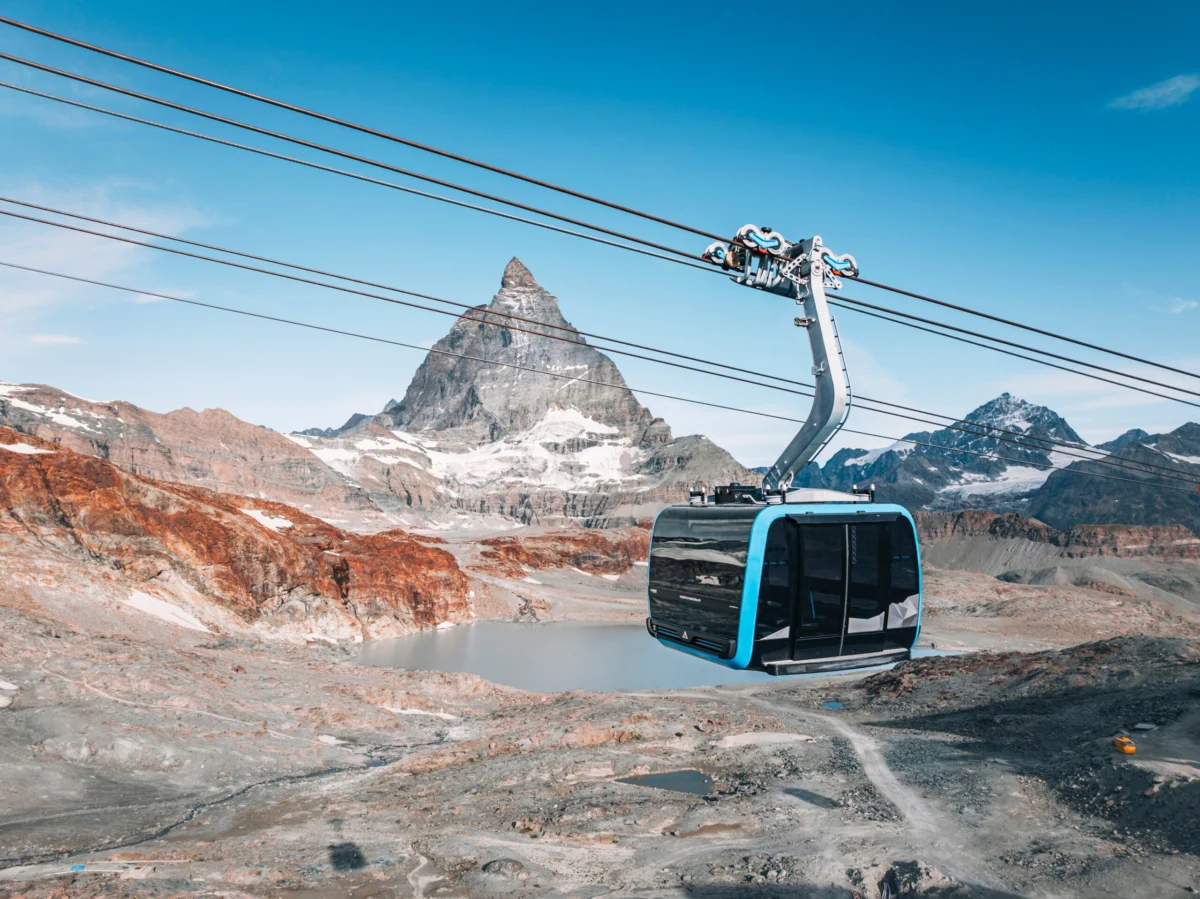
Sometime in the past two weeks, summer skiing in the Northern Hemisphere disappeared, marking an unprecedented moment in the history of winter sports. On August 15, Passo Stelvio in Italy, one of Europe’s most iconic glacier ski areas, announced an indefinite suspension of operations, becoming the final publicly accessible outdoor ski resort on natural snow in the Northern Hemisphere to shut down for the summer season. This closure left the entire hemisphere with zero active natural snow ski areas, a situation believed to be unparalleled since lift-served summer skiing began in the mid-20th century, according to global ski area tracker Snow-Forecast. The resort cited extreme high-altitude heat waves, a critical lack of cold nighttime temperatures for refreezing, and persistent rainstorms that severely compromised the glacier’s integrity. Operators stated that these deteriorating conditions made it impossible to guarantee the usual standards of quality and safety for visitors. This extraordinary milestone underscores a decades-long trend of retreating glaciers and shortening ski seasons, now culminating in a stark absence that signals profound environmental shifts.
The Unprecedented Disappearance: A Closer Look at the Closures
The final shuttering of Passo Stelvio was the culmination of a rapid succession of closures across Europe and North America, painting a grim picture for summer glacier operations. What once was a robust industry, offering year-round training grounds for athletes and unique recreational opportunities for enthusiasts, has been systematically eroded by a confluence of environmental pressures.
Passo Stelvio, Italy: For decades, Stelvio, situated in the Ortler Alps, has been a cornerstone of summer skiing, known for its extensive terrain and reliable snowpack. Its August 15 closure, however, was not merely a temporary pause but a direct response to what operators described as "untenable" conditions. The glacier, vital for its operations, was reportedly suffering from significant melt due to sustained high temperatures and repeated rainfall at elevations typically cold enough to preserve snow. This compromised not only the skiable surface but also the underlying infrastructure, making further operation hazardous.
Zermatt-Cervinia, Switzerland/Italy: Until recently, Zermatt-Cervinia was often touted as the last bastion of year-round skiing in the Alps. However, at the end of July, it too suspended public summer skiing. The iconic Theodul Glacier, which straddles the Swiss-Italian border, failed to refreeze overnight during a prolonged heatwave, leading to rapid degradation of the snow and ice. While a limited amount of terrain reportedly remained open for highly controlled Swiss-Ski team training, this exception highlights the critical state of public access, reinforcing the broader trend of disappearing recreational opportunities.
Saas-Fee, Switzerland: Just days before Stelvio’s closure, on August 10, Saas-Fee in the Swiss Alps also pulled the plug on its summer season. The resort explicitly stated that freezing levels in the Alps were consistently hitting an unprecedented 5,000 meters, coupled with valley temperatures soaring to 30 degrees Celsius. These conditions made it impossible for the slopes and glacier infrastructure to meet necessary quality and safety standards, directly linking the closure to extreme climatic events.
Hintertux Glacier, Austria: Known for its resilience, Hintertux had notably managed to stay open through the record-breaking heat of 2022, leveraging its glacier snowmaking capabilities. However, this year proved different. The resort, which traditionally operated year-round, moved off its continuous schedule and skipped August entirely, a significant departure for a destination once considered impervious to summer closures. This shift underscores the severity of the current conditions, which even advanced snow management techniques could not overcome.
Les 2 Alpes and Tignes, France: Earlier in the summer, French resorts like Les 2 Alpes and Tignes had already wrapped their operations prematurely. Les 2 Alpes concluded its season on July 7, having already restricted access to race teams since June 1. Tignes also ended its summer activities earlier than planned, another indicator of the widespread impact of adverse weather patterns across the European Alps.
Timberline Lodge, North America: Across the Atlantic, North America’s last remaining summer ski area, Timberline Lodge on Oregon’s Mount Hood, closed its Palmer Snowfield on July 19. This was a significant 29 days earlier than its projected 2025 closing date of August 17, reflecting a challenging Western winter that delivered only 297 inches of snow against an average of 400 inches. By the first week of August, the only lift-served snow slope operating anywhere in North America was indoors, at Big Snow American Dream in New Jersey, further emphasizing the complete absence of natural outdoor options.
Galdhøpiggen, Norway: While Norway’s Galdhøpiggen was also dark during this period, its closure was noted as a routine warm-season break, with a scheduled reopening in September. This distinction highlights that the other closures were direct responses to unskiable and unsafe conditions, rather than planned maintenance.
The Science of Disappearance: Why This Summer Was Different
The gradual decline of summer skiing has been a visible trend for at least three decades, with Europe, which once boasted over 40 summer ski areas in the 1980s, now seeing most close before spring ends. However, the current "zero" is not merely a continuation of this decline; it represents a critical acceleration driven by specific, extreme climatic conditions.
This summer’s unprecedented situation is directly attributable to sustained, exceptional heat across Western Europe. This heat pushed freezing levels to astonishingly high altitudes, often exceeding 4,000 meters (approximately 13,123 feet) for extended periods. Historically, even during warm spells, nighttime temperatures at these elevations would drop sufficiently for the snow and ice to refreeze, consolidating the snowpack. This year, such refreezing was largely absent, leading to continuous melt.
Furthermore, repeated storm systems, instead of delivering fresh snow, brought rain as high as 4,000 meters. This rainfall, significantly warmer than snow, acts as a powerful accelerator for melt, stripping away the protective snow cover and exposing bare glacier ice. Once exposed, bare ice absorbs more solar radiation and melts at an even faster rate, creating a destructive feedback loop.

Glaciologists have long warned about these impacts. Christophe Lambiel, a glaciologist at the University of Lausanne, succinctly stated, "Summers like this have catastrophic effects on glaciers." He added, while some resorts like Zermatt might still offer summer skiing in the very near future, "in the long term, it is clear that summer skiing is doomed." This sentiment is backed by alarming data: Switzerland’s ice mass has declined by approximately a quarter in the last decade alone, according to the Swiss monitoring network GLAMOS. This rapid retreat signifies not just the loss of skiable terrain but a fundamental alteration of alpine ecosystems and hydrological cycles. The stark reality is that while resorts can invest in snowmaking to augment winter conditions, they "cannot make a glacier." The fundamental ice mass, the very foundation of these summer ski areas, is disappearing at an accelerating pace.
A Decades-Long Erosion: Historical Context and Economic Significance
The story of summer skiing’s demise is a long one, rooted in the broader narrative of climate change. In the boom years of the 1970s and 80s, glacier skiing was seen as a novel way to extend the ski season, drawing tourists and athletes alike to high-altitude playgrounds. Resorts invested heavily in infrastructure—lifts, restaurants, hotels—all predicated on the reliability of glacial snowpack.
These summer camps became crucial for competitive ski teams, offering invaluable training opportunities during the off-season. Young athletes from around the world honed their skills on glaciers, forming the backbone of future Olympic and World Cup contenders. The closure of these areas disrupts established training schedules, potentially forcing teams to travel further, incur greater costs, or fundamentally alter their development pathways.
Economically, summer glacier skiing was a significant revenue stream for alpine communities. It diversified tourism, providing income during months that might otherwise be quieter. Hotels, restaurants, equipment rental shops, and local guides all benefited from the influx of summer skiers. The shrinking seasons and eventual closures represent a substantial economic blow to these regions, forcing them to adapt and find alternative attractions.
The decline was not always dramatic. It manifested in shortened seasons, reduced terrain, and the eventual dismantling of lifts that once serviced now-bare ice. The example of Norway’s Fonna glacier, where a drag lift had to be dismantled after the glacier retreated 300 meters out from under it, illustrates this slow, inexorable erosion. This year, however, is different because the decline reached an absolute minimum: zero. Neither the global pandemic, which saw Zermatt operate even as Italy shut down in 2020-21, nor the intense heatwave of 2022, during which Hintertux remarkably kept spinning with manufactured snow, led to a complete cessation of publicly accessible natural snow skiing in the Northern Hemisphere. This summer’s widespread, simultaneous closures highlight a new, more severe phase of climate impact.
Economic and Societal Implications
The immediate cessation of Northern Hemisphere summer skiing carries multifaceted implications. Economically, local communities heavily reliant on summer tourism face significant revenue losses. Businesses, from accommodation providers to ski shops and hospitality services, will experience reduced demand, potentially leading to job losses or reduced working hours for seasonal staff. This economic ripple effect extends beyond the immediate vicinity of the resorts, impacting regional tourism economies.
For the global ski industry, the loss of summer glacier access has profound implications for athlete development. Junior ski academies, national ski federations, and individual professional athletes depend on these glacier camps for year-round training. The absence of suitable terrain forces them to seek alternatives, potentially involving costly travel to the Southern Hemisphere or a shift to indoor facilities, which offer a different, often less ideal, training environment. This could impact the competitive edge of Northern Hemisphere athletes and fundamentally alter the sport’s developmental landscape.
Furthermore, the "zero" serves as a potent symbol and a stark warning. It underscores the fragility of winter sports in an era of rapid climate change and raises questions about the long-term sustainability of the industry. While individual resorts may adapt by investing in more robust winter snowmaking, diversifying into other summer activities like hiking and mountain biking, or exploring technologies like snow farming (preserving snow under insulation through summer), the fundamental reality of disappearing glaciers looms large. The identity of many alpine regions is inextricably linked to snow and ice, and their loss represents not just an economic challenge but a cultural one.
A Tale of Two Hemispheres: Global Snow Dynamics
It is crucial to note that this is not a global snow drought but a hemispheric one. While the Northern Hemisphere’s glaciers struggled under unprecedented heat, the Southern Hemisphere experienced a contrasting reality. South America, particularly Chile and Argentina, opened its ski season after substantial snowfalls, leading to some of the best conditions in years. New Zealand also reported excellent conditions, with resorts posting their best season in recent memory. Similarly, Australian resorts operated more than half their terrain, with larger areas reaching up to 70 percent capacity—a significant improvement compared to previous years. This stark contrast highlights that the snow has not disappeared from the planet; rather, its distribution and reliability are shifting dramatically, posing existential questions for the Northern Hemisphere’s established ski industry.
Looking Ahead: Uncertainty and Adaptation
Despite the grim reality of the summer, resort operators are not conceding defeat. Saas-Fee, Passo Stelvio, and Zermatt have all expressed intentions to reopen their summer slopes as soon as conditions allow. Looking towards the autumn, resorts like Sölden are scheduled to open on September 25, with Kaunertal and Pitztal following a day later, and Hintertux targeting October 3. Nobody in the industry is treating this year’s complete shutdown as permanent, at least not in the immediate future.
However, glaciologists like Christophe Lambiel offer a more sobering long-term outlook, reinforcing that summer skiing is ultimately "doomed." The focus on reopening dates, while understandable from an operational perspective, may be diverting attention from the deeper, systemic issue. The true erosion is not just about a few weeks of missed skiing; it’s about the gradual dismantling of an entire infrastructure—the glacier camps, the training grounds, the economic models, and the cultural traditions—that have been a fixture of Northern Hemisphere skiing for decades.
This year’s "zero" is more than just a statistic; it is a critical bellwether. It signals that the impacts of climate change are no longer distant threats but present realities, fundamentally altering the landscape of outdoor recreation and demanding urgent attention and adaptation strategies from the global winter sports community. The future of summer skiing, and indeed the broader viability of many ski resorts, hinges on how effectively these challenges are acknowledged and addressed in the years to come.
