

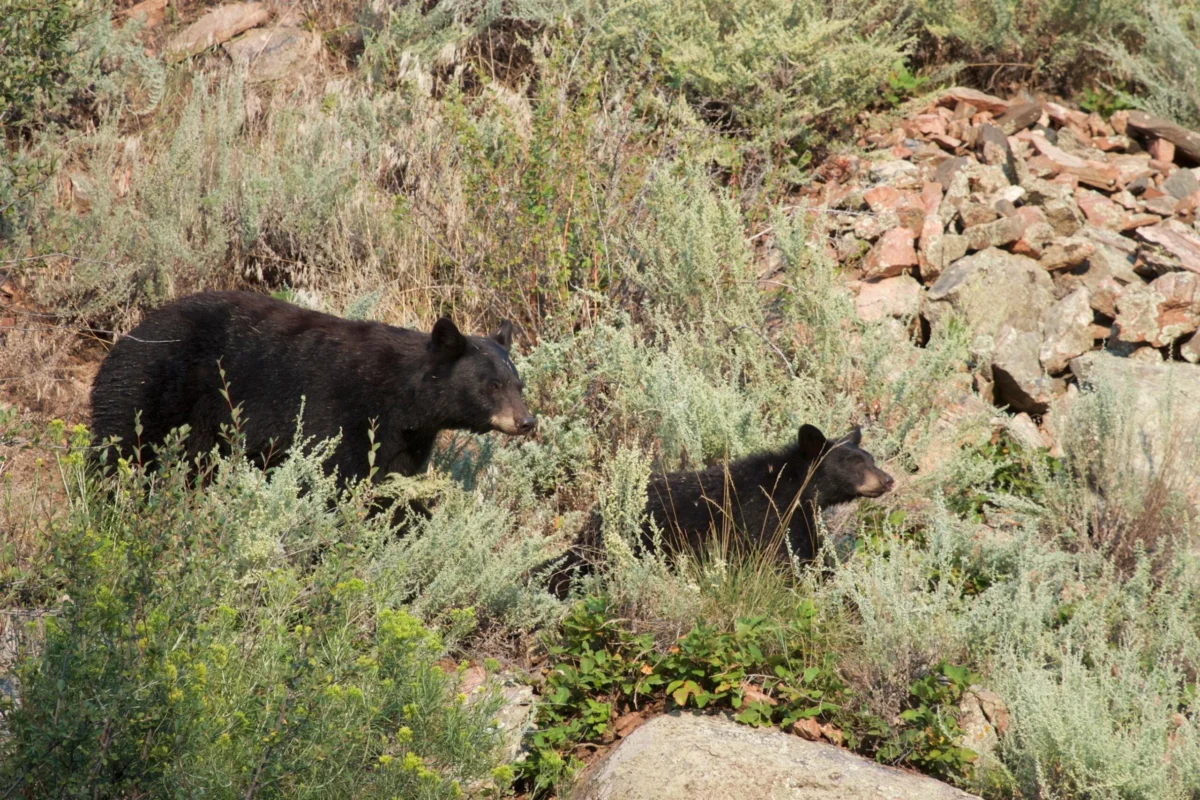
Outdoor enthusiasts across Colorado are navigating a rapidly escalating challenge, as state wildlife officials report an alarming surge in bear-human interactions. Colorado Parks and Wildlife (CPW) data reveals over 6,100 sightings and conflicts recorded this season alone, marking a drastic increase – more than double the reports logged during the same period last year. This sharp rise is accompanied by a concerning escalation in aggressive bear behavior, evidenced by a cluster of four separate bear attacks within a single seven-day span last week, bringing the total number of reported attacks in the state to six for the year. From the high-altitude mountain towns to the verdant river valleys, black bears are making increasingly bold forays into human-occupied areas, driven by an urgent search for calories.
A Season of Unprecedented Encounters
The sheer volume of reported incidents this season underscores a critical shift in wildlife patterns and human-wildlife dynamics. CPW officials, who meticulously track these interactions, typically see an uptick in late summer, but the current figures are unprecedented. Historically, annual reports might tally several thousand interactions across the state, but to surpass 6,100 conflicts before the peak of autumn indicates a profoundly challenging year for both wildlife managers and the public. These interactions range from simple sightings in residential areas to more serious incidents involving property damage, pet confrontations, and direct physical attacks on humans. The geographical spread of these incidents is also notable, impacting densely populated Front Range communities, popular recreational hubs in the Rocky Mountains, and even agricultural zones in the state’s interior.
The nature of these encounters has also become more concerning. While many interactions remain non-aggressive, the recent cluster of attacks highlights a dangerous trend. The four attacks last week occurred in diverse settings, from remote backcountry trails frequented by hikers and mountain bikers to areas closer to established communities. This unpredictability has heightened anxiety among residents and outdoor recreationists alike, prompting CPW to issue urgent warnings and reinforce safety protocols.
One particularly striking example of the escalating issue, albeit without direct human injury, was highlighted by CPW’s Southeast Region via social media. An incident in central Colorado Springs involved a roughly 250-pound black bear that entered an unlocked vehicle, became trapped, destroyed the interior, and tragically perished after being undiscovered for days in the heat. This serves as a grim reminder of how human negligence in securing attractants can lead to fatal consequences for wildlife, even within urban environments. Such incidents, while not direct attacks, contribute significantly to the overall conflict statistics and underscore the widespread nature of the problem, extending far beyond traditional wilderness areas.
Deciphering the Drivers: Drought, Hyperphagia, and Habitat Pressures
Wildlife biologists and ecologists point to a confluence of environmental and biological factors driving this dramatic behavioral shift in Colorado’s black bear population. At the forefront is a historic, multi-year drought that has gripped the region, severely depleting natural food sources critical for bear survival.
The Impact of Drought:
Colorado, like much of the American West, has experienced persistent drought conditions, leading to a significant reduction in the availability of wild berries, chokecherries, acorns, and other mast crops that constitute the bulk of a black bear’s natural diet. These natural forage items, typically abundant in late summer and early fall, are essential for bears to build up fat reserves. When these resources fail, bears are compelled to venture beyond their usual high-country habitats in search of alternative food sources, often bringing them into closer contact with human settlements. The severity of the drought means that many traditional foraging grounds have simply dried up, offering little to no sustenance.
Hyperphagia: A Biological Imperative:
Compounding the drought’s effects is the biological phase known as hyperphagia. Occurring in late summer and early fall, hyperphagia is a period of intense, compulsive eating during which bears must consume massive quantities of calories – up to 20,000 calories per day – to accumulate sufficient fat reserves for their impending winter hibernation. This physiological drive is incredibly powerful, overriding natural wariness and pushing bears to take greater risks in their pursuit of food. When natural food sources are scarce, human-provided attractants become irresistible, drawing bears into backyards, campgrounds, and even homes. This metabolic urgency makes bears less timid and more persistent, increasing the likelihood of conflict when they encounter resistance or perceived threats to their food source.
Habitat Fragmentation and Human Encroachment:
Beyond environmental factors, the continuous expansion of human populations and recreational activities into bear habitat also plays a significant role. As mountain towns grow and popular river valleys see increased development and tourism, the interface between human and wildlife territories shrinks. This encroaches upon traditional bear ranges, fragmenting their habitat and reducing the space where they can forage undisturbed. The presence of human food sources – unsecured trash, pet food left outdoors, bird feeders, unpicked fruit trees, and accessible coolers – creates a powerful incentive for bears to overcome their natural shyness and exploit these readily available, high-calorie options. Once a bear associates human areas with easy food, it becomes habituated, leading to repeated visits and an increased risk of aggressive encounters.
CPW’s Response and Management Challenges
Colorado Parks and Wildlife is at the forefront of managing this escalating crisis, implementing a multi-pronged approach that balances public safety with wildlife conservation. The agency’s resources are being stretched thin, as wildlife officers respond to a record number of calls.

Public Education Campaigns:
A primary focus for CPW is public education. Through social media, local outreach, and public service announcements, the agency is relentlessly promoting "Bear Aware" practices. This includes emphasizing the critical importance of securing all attractants, from bear-resistant trash cans to cleaning outdoor grills and removing pet food. The messaging often revolves around the adage, "A fed bear is a dead bear," highlighting that habituated bears, once they lose their fear of humans and become reliant on human food, often face lethal removal as a last resort to protect public safety.
Field Operations:
On the ground, CPW officers are actively responding to reports, investigating conflicts, and deploying various management techniques. These include:
- Aversive Conditioning: For bears exhibiting initial signs of habituation but not yet aggressive, officers may employ deterrents such as rubber bullets, paintballs, or hazing to instill a negative association with human areas.
- Relocation: In some cases, non-aggressive bears that venture too close to populated areas may be tranquilized and relocated to more remote habitats. However, relocation is a labor-intensive and often temporary solution, as bears can travel vast distances to return to familiar food sources. It’s also not always successful, as some relocated bears quickly return or cause issues in their new location.
- Lethal Removal: This is the most difficult and least desired outcome for CPW. When a bear becomes overly habituated, aggressive, or directly attacks a human, and poses an imminent threat to public safety, lethal removal becomes a necessary, albeit tragic, management tool. The increasing number of attacks this year elevates the likelihood of such interventions.
Data Collection and Analysis:
CPW continues to meticulously collect data on all bear interactions. This data is crucial for understanding trends, identifying hot spots, and refining management strategies. The comprehensive nature of the 6,100+ reported incidents allows biologists to track the effectiveness of various interventions and anticipate future challenges.
Statements from the Field
"This year’s numbers are truly concerning," stated a CPW spokesperson, emphasizing the agency’s heightened vigilance. "We are seeing bears in places we typically don’t, and their behavior is often bolder than usual. The confluence of severe drought, which decimated their natural food sources, and the biological imperative of hyperphagia means bears are desperate for calories. This desperation is driving them closer to human habitation, and unfortunately, increasing the risk of conflict. We cannot stress enough the importance of securing all attractants. It’s the single most effective way to protect both people and bears."
A wildlife biologist with extensive experience in the Rocky Mountain region added, "Bears are incredibly intelligent and opportunistic. If they find an easy meal – whether it’s an overflowing trash can, a bird feeder, or pet food – they will remember that source and return. We’re seeing a cycle where initial attractants draw bears in, they get habituated, and then when those easy sources are exhausted, their desperation leads to more aggressive foraging behaviors, like breaking into homes or vehicles. The attacks we’ve seen this season are a stark reminder of what can happen when that desperation reaches a critical point."
Local residents in communities like Aspen and Durango, frequently impacted by bear activity, express a mix of understanding and frustration. "We love living in bear country, but this year feels different," commented one homeowner in a mountain community. "We’ve always been diligent with our trash, but now we’re seeing bears try to get into our garage or even peek into windows. It’s unnerving, especially with kids around." Business owners, particularly those in hospitality and outdoor recreation, are also grappling with the implications, needing to ensure their premises are bear-proofed and their guests are well-informed about safety.
Staying Safe in Bear Country: Essential Guidelines
As late-summer conditions draw trail runners, mountain bikers, anglers, and hikers into Colorado’s scenic landscapes, vigilance and adherence to bear-aware practices are paramount. The following guidelines are critical for minimizing risk:
- Secure Food and Trash: This is the golden rule. In the backcountry, use bear-resistant canisters for all food, scented items (like toiletries), and trash. Never leave food unattended. At home, use bear-resistant trash cans, store trash indoors until collection day, and never leave pet food, birdseed, or unpicked fruit outside. Clean outdoor grills thoroughly after use.
- Travel in Groups: When hiking or recreating in bear country, travel with companions. Groups are generally noisier and appear larger, which can deter bears.
- Make Noise on Trails: Announce your presence, especially in dense vegetation, blind corners, or along noisy streams. Call out "Hey bear!" or clap periodically to avoid surprising a bear. A surprised bear is more likely to react defensively.
- Carry Bear Spray and Know How to Use It: Bear spray is a highly effective deterrent when used correctly. It should be readily accessible on your chest or hip harness, not packed away inside your backpack. Practice drawing and aiming it so you can deploy it quickly in an emergency. Know the wind direction before spraying.
- Be Aware of Your Surroundings: Pay attention to signs of bear activity, such as scat, tracks, claw marks on trees, or overturned rocks. If you see a bear, give it a wide berth. Never approach a bear, especially cubs, as a sow will be extremely protective.
- If You Encounter a Bear:
- Do not run: Running can trigger a chase response.
- Stand your ground and make yourself look big: Wave your arms, yell, and make noise.
- Back away slowly: Avoid direct eye contact and give the bear space to retreat.
- If a bear approaches aggressively or makes contact: Fight back with all you have. Use bear spray if it’s within range.
Broader Implications and the Path Forward
The current surge in bear-human conflicts in Colorado carries significant broader implications. For public safety, it necessitates increased awareness and adaptation, impacting how residents and visitors interact with the natural environment. Economically, potential impacts on tourism, property damage, and the costs associated with wildlife management pose challenges for local governments and businesses.
Looking ahead, the situation underscores the growing pressure on wildlife populations due to climate change, habitat loss, and human expansion. The long-term outlook suggests that these types of conflicts may become more frequent if drought conditions persist and human populations continue to grow in sensitive wildlife corridors.
Ultimately, mitigating this crisis requires a concerted effort from all stakeholders. CPW will continue its vital work of monitoring, educating, and managing wildlife. However, sustained success hinges on the active participation of the public – individuals and communities – in adopting and consistently practicing bear-aware behaviors. Only through a collective commitment to responsible coexistence can Colorado hope to navigate these challenging times and ensure the well-being of both its human residents and its iconic black bear population. The lessons learned this season will undoubtedly shape future wildlife management policies and public education campaigns, as the state grapples with the evolving realities of living alongside its wild inhabitants.
