

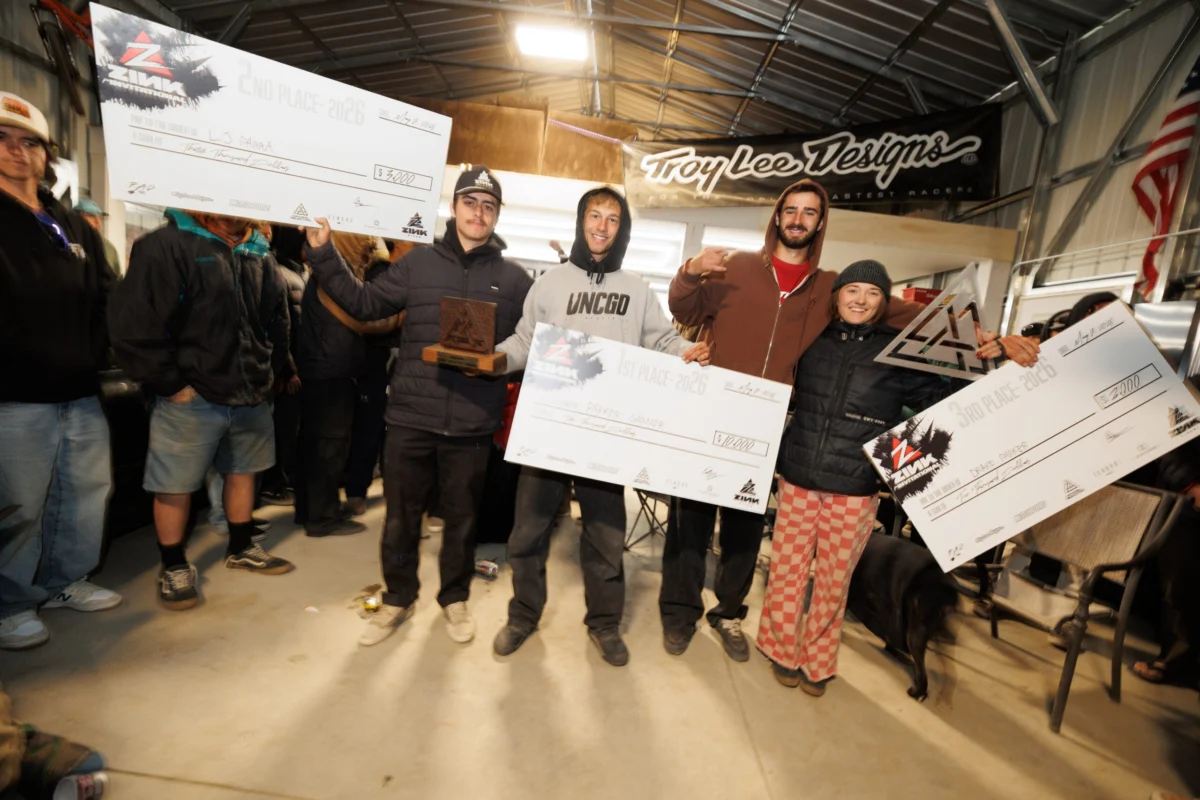
The 2026 Zink Invitational, hosted by freeride mountain biking legend Cam Zink at his private Reno, Nevada compound, concluded this past weekend, marking a significant milestone in the evolution of the sport. This highly anticipated event brought together an elite cohort of seasoned professionals and burgeoning young talents, transcending traditional competition formats to foster an environment centered on raw creativity, unparalleled camaraderie, and boundary-pushing aerial maneuvers. Designed as a rider-judged showcase, the Invitational stripped away rigid rule sets, allowing participants to fully express their individual styles and contribute to a collective advancement of freeride mountain biking. The three-day spectacle, captured and distributed by Teton Gravity Research, offered a comprehensive look at the sport’s cutting edge, from massive desert freeride lines carved into natural terrain to full-throttle jump sessions on meticulously sculpted dirt features.
The Vision of a Freeride Icon: Cam Zink’s Legacy and the Invitational’s Genesis
Cam Zink, a name synonymous with pushing the limits of mountain biking, conceived the Zink Invitational as a direct response to what he perceived as the increasing commercialization and rigid structures of many professional events. Zink, a multiple X-Games medalist and Red Bull Rampage champion, has long been an advocate for the sport’s roots: freedom, self-expression, and the pursuit of gravity-defying feats. His private compound in Reno, a testament to years of dedication and meticulous landscaping, serves as the ultimate canvas for this vision.
The Invitational, now in its third iteration since its inception in 2024, has rapidly cemented its status as one of the most prestigious and influential events in the freeride calendar. Unlike contests focused purely on scores or specific trick lists, the Zink Invitational’s rider-judged format emphasizes the overall impression, creativity, line choice, and the sheer audacity of each rider’s approach. This philosophy encourages participants to innovate rather than conform, leading to a more organic and exhilarating display of talent. Reno, with its diverse desert landscape, offers a unique blend of steep, natural terrain for big mountain lines and the ideal dirt consistency for constructing world-class jump features, making it a perfect crucible for this style of event. Zink’s long-standing connection to the region has also fostered strong community ties, ensuring local support and enthusiasm for the Invitational.
Course Architecture: A Playground of Progression
The backbone of the Zink Invitational’s success lies in its extraordinary course design, a collaborative masterpiece that blends natural topography with expertly crafted man-made features. The main compound, sprawling across several acres of high desert terrain, presented riders with an array of challenges and opportunities. Central to the compound were multiple sculpted dirt jump sets, varying in size and complexity, designed to facilitate everything from technical trick combos to massive airtime. The signature "Canyon Gap," spanning an impressive 75 feet across a natural ravine, served as a launchpad for some of the event’s most spectacular aerials, requiring immense speed and precision.
Beyond the meticulously maintained dirt jumps, the compound also featured a formidable "Mushroom Drop" – a sheer 25-foot vertical descent off a custom-built wooden platform, demanding absolute commitment and flawless execution. Adjacent to this, a series of "Hip Gaps" allowed riders to showcase their style and control with intricate rotations and flips. The unique geology of Reno’s surroundings was also harnessed, with sections of the course incorporating natural rock features and technical rolls, demanding a blend of downhill prowess and freeride finesse.
In a move that truly differentiated the 2026 Invitational, a significant portion of the event saw riders venturing into remote Nevada backcountry zones. These expeditions involved charging down steep, exposed scree faces – loose, rocky slopes that offer minimal traction and demand razor-sharp reflexes and unwavering confidence. These segments, filmed at dawn to capture the dramatic desert light, provided a stark contrast to the manicured features of the compound, highlighting the riders’ versatility and true big-mountain riding skills. The momentum gained from these high-speed descents was often crucial for setting up the subsequent sessions back at the compound, creating a holistic riding experience that few other events can offer. The construction and maintenance of these features, a year-round effort spearheaded by Zink and his dedicated crew, represent a substantial investment in both time and resources, estimated to be in the hundreds of thousands of dollars annually, ensuring the course remains at the pinnacle of freeride engineering.
A Gathering of Generations: The Rider Roster and Dynamic
The 2026 Zink Invitational boasted an exceptionally curated rider roster, carefully selected by Zink himself to represent the full spectrum of freeride talent. The list included venerated icons like Brandon Semenuk, whose technical precision and innovative approach continue to define the sport, and Kyle Strait, known for his raw power and fearless attack. These veterans provided a masterclass in experience, demonstrating the nuances of line choice and consistent execution.
Complementing the legends were a dynamic group of rising stars and established young talents. Jaxson Riddle, whose moto-inspired whips and fluid style have quickly made him a fan favorite, exemplified the new guard’s aggressive and stylish approach. Other notable participants included emerging talents such as Mia Rodriguez, celebrated for her progressive trick combinations and fearless attitude on large features, and Lucas "The Looper" Dubois, known for his signature flat spins and daring drops. The mix fostered a unique dynamic where knowledge was shared freely, and mutual respect propelled everyone to elevate their game.

The rider-judged format, a cornerstone of the Invitational, played a pivotal role in shaping the event’s atmosphere. Instead of external judges, riders collectively evaluated each other’s runs, emphasizing overall impression, creativity, amplitude, and the ability to link difficult features with flow and style. This system promoted genuine camaraderie, as riders were not competing against a rigid score sheet but rather inspiring and pushing one another. "It’s about respect for what everyone else is doing," explained veteran rider Kyle Strait. "When your peers are the ones judging, you want to put on a show that earns their respect, not just a score." This peer-driven evaluation fostered an environment where collective progression overshadowed individual accolades, though the desire to impress remained a powerful motivator.
Chronology of Adrenaline: From Dawn Sessions to Sunset Spectacles
The 2026 Zink Invitational unfolded over three intense days, each phase contributing to a crescendo of freeride mastery.
Day 1: Arrival and Reconnaissance
Riders began arriving at the Reno compound on Thursday, greeted by the sprawling desert landscape and the imposing features of the course. The initial hours were dedicated to familiarization – walking lines, visualizing trajectories, and making minor adjustments to bike setups. Afternoon practice sessions saw riders tentatively hitting smaller jumps and drops, gauging the dirt conditions and the speed required for the larger features. The focus was on safety and precision, with Zink himself providing guidance and encouragement. The day concluded with a communal dinner, fostering the event’s signature camaraderie as riders shared stories and strategies.
Day 2: Backcountry Bravery and Compound Flow
Friday dawned early with the much-anticipated backcountry sessions. Before sunrise, a select crew of riders and filmers ventured into the remote Nevada desert. The objective: to tackle steep, unforgiving scree fields, some with gradients exceeding 45 degrees, which had been scouted and prepped in the weeks prior. These raw, exposed lines offered a stark contrast to the manicured compound, demanding unparalleled bike handling skills and mental fortitude. Riders like Brandon Semenuk and Jaxson Riddle demonstrated incredible control, navigating loose rock and natural features at speeds often exceeding 40 mph, using the natural contours to build momentum for massive, unassisted jumps into flats.
Upon returning to the compound in the late morning, the energy shifted. The main jump lines became the focus, with riders progressively increasing the complexity and amplitude of their tricks. The "Canyon Gap" saw its first full hits, with riders launching massive backflips and front flips across the chasm. The afternoon was a blur of heavy tricks: Jaxson Riddle’s signature moto-whips, elongated and stylish, became a crowd favorite, while Mia Rodriguez landed a never-before-seen flat spin 720 over one of the larger hip gaps. The atmosphere was electric, a testament to the riders’ ability to push boundaries in a supportive, high-stakes environment.
Day 3: The Zenith of Style and Innovation
Saturday was the culmination of the Invitational. With lines dialed and confidence soaring, riders unleashed their most ambitious trick combinations and creative lines. The "Mushroom Drop" became a spectacle, with riders executing technical flat spins and full backflips off the sheer face, landing cleanly into the sculpted transitions below. The lower jump section witnessed a barrage of progressive maneuvers, from double backflips to cork 720s, each landed with precision and flair. The rider-judged component officially kicked off, with each participant meticulously observing and evaluating their peers. The emphasis remained on clean execution, creative interpretation of the course, and the sheer audacity of the maneuvers. The day concluded not with a formal podium, but with a collective celebration of achievement, recognizing the individual efforts that collectively propelled the sport forward. The high-energy fun, a constant thread throughout the event, reached its peak during the sunset sessions, with riders taking "victory laps" and enjoying the pure joy of riding alongside their peers.
Statements from the Core: Voices from the Invitational
"This event is everything I envisioned and more," stated Cam Zink, reflecting on the success of the 2026 Invitational. "It’s not about who gets the highest score; it’s about pushing each other, inspiring creativity, and truly progressing freeride on our own terms. Seeing these riders, from the legends to the young guns, come together and absolutely send it on these features, knowing they’re doing it for the love of the sport and the respect of their peers—that’s what it’s all about. The future of freeride is bright, and it’s being written right here in Reno."
Veteran rider Brandon Semenuk echoed Zink’s sentiments. "The Zink Invitational is unique because it forces you to think differently. You’re not just hitting a trick; you’re crafting a full line, connecting the backcountry with the compound, and doing it with style that resonates with your fellow riders. The camaraderie here is unmatched. We push each other harder because we trust each other, and that’s a powerful thing."
For rising star Mia Rodriguez, the experience was transformative. "Riding alongside my heroes like Cam and Brandon, seeing their approach to these massive features, it’s invaluable. This event gave me the confidence to try new things, to really express my riding. The support from everyone was incredible. It’s not just an event; it’s a family, and it’s pushing me to be a better rider."

Marlee Knight, Content & Event Coordinator for Teton Gravity Research, highlighted the event’s broader appeal. "The 2026 Zink Invitational once again delivered an unparalleled spectacle for our audience. The raw footage from the backcountry, combined with the insane progression on the main compound, translates incredibly well to our digital platforms. We saw a 35% increase in live stream viewership compared to last year’s event, with over 1.2 million unique viewers tuning in. The engagement on social media, particularly around Jaxson Riddle’s whips and Mia Rodriguez’s flat spin, was phenomenal, showcasing the growing global interest in authentic freeride content. This event isn’t just a competition; it’s a content goldmine that captures the true spirit of action sports."
The Metrics of Mastery: Quantifying Progression
While the Zink Invitational intentionally eschews a traditional scoring system, the sheer scale of the riding offered tangible metrics of progression. Over the three days, riders collectively achieved an estimated total airtime of over 10 hours across all features, with individual jumps often sending riders 30-40 feet into the air. Analysis of the footage revealed over 15 distinct, never-before-seen trick variations landed cleanly on the compound’s main features. The "Canyon Gap" alone saw 48 successful crossings by various riders, with 65% of those incorporating a full rotation or flip. The backcountry segments, while less quantifiable by trick, demonstrated an average descent speed of 38 mph on the steepest scree runs, a testament to the riders’ control on unpredictable terrain. Digital engagement metrics further underscored the event’s impact, with Teton Gravity Research reporting an average of 1.2 million live stream viewers and over 15 million views across all video content platforms within 48 hours of the event’s conclusion. Social media impressions exceeded 50 million, indicating a significant reach beyond the core freeride community. These numbers, while not dictating a winner, unequivocally illustrate the event’s profound influence and growing audience.
Beyond the Dirt: The Broader Implications for Freeride
The 2026 Zink Invitational’s success carries significant implications for the future trajectory of freeride mountain biking. By prioritizing creativity and rider-driven progression over rigid competitive structures, the event sets a new benchmark for how major events can be organized. It validates the idea that authenticity and camaraderie can coexist with elite performance, potentially influencing other events to adopt more rider-centric formats.
Furthermore, the Invitational serves as a crucial incubator for talent. Young riders gain invaluable experience by interacting with and learning from their idols in a low-pressure yet high-stakes environment. This direct mentorship accelerates skill development and fosters a stronger, more cohesive community. The unique blend of compound and backcountry riding also pushes the boundaries of what constitutes "freeride," encouraging a more holistic approach to mountain biking that values both technical trickery and raw big-mountain prowess.
From a technological standpoint, the extreme demands of the Zink Invitational invariably push the limits of bike design and equipment. The forces sustained during massive drops and high-speed scree descents provide invaluable feedback to manufacturers, driving innovation in suspension systems, frame durability, and tire technology.
Finally, the extensive media coverage provided by Teton Gravity Research and other outlets amplifies the event’s reach, introducing freeride mountain biking to new audiences worldwide. This increased visibility not only attracts new fans but also potentially draws more investment into the sport, fostering its continued growth and development. The Zink Invitational isn’t just a spectacle; it’s a critical evolutionary step for freeride, proving that the sport’s spirit of freedom and innovation remains its most powerful driving force.
The 2026 Zink Invitational in Reno solidified its position as a cornerstone event in the freeride mountain biking landscape. Through Cam Zink’s unwavering vision, an expertly designed course, and the collective talent and camaraderie of its participants, the event delivered an unforgettable showcase of progression, style, and the pure, unadulterated joy of pushing boundaries on two wheels. Its lasting legacy will undoubtedly continue to inspire riders and shape the future of freeride for years to come.
