

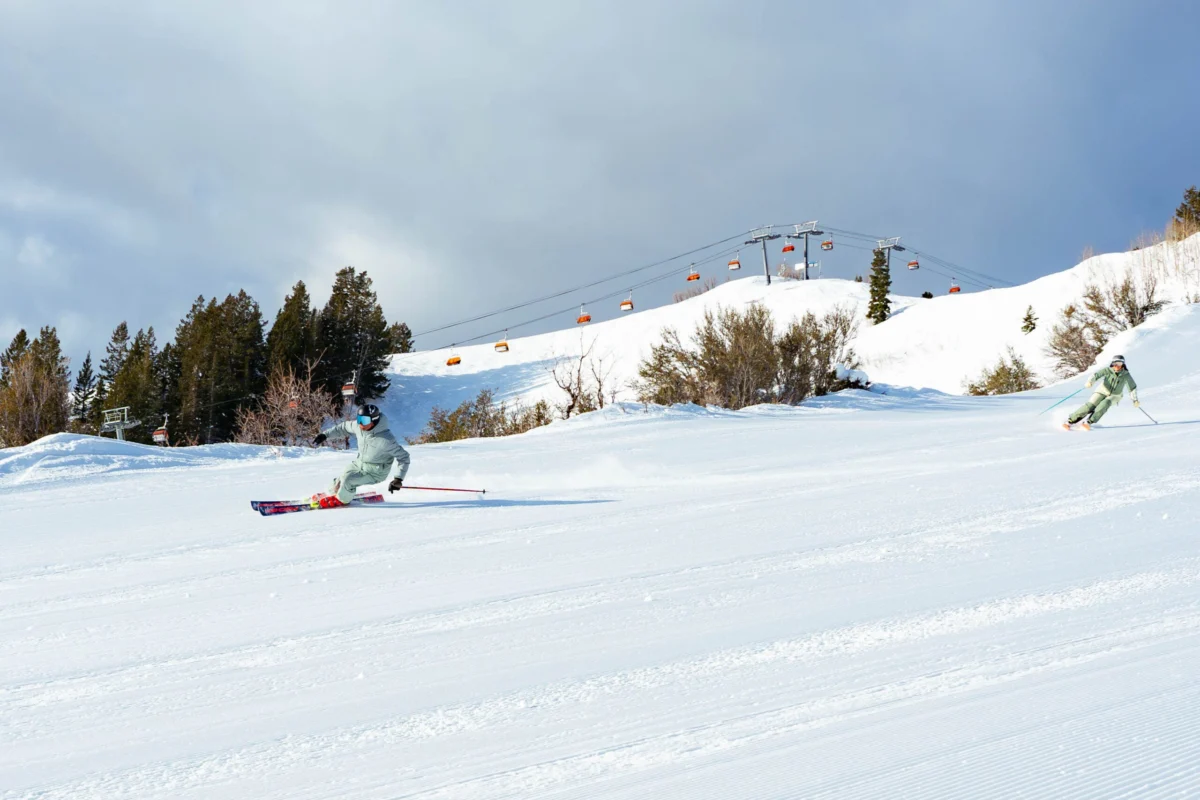
The Unveiling of Target Dates: A Glimmer of Winter Hope
As summer draws to a close and autumn’s chill begins to hint at the change of seasons, Vail Resorts, a dominant force in the North American ski industry, officially released its projected lift-off dates for its extensive portfolio of resorts. This highly anticipated annual declaration serves as a psychological marker for countless winter sports enthusiasts, signaling the countdown to carving fresh tracks and reigniting the communal stoke for snow. For the 2026/27 season, the company is positioning Keystone Resort, located in Colorado, to potentially claim the coveted title of North America’s earliest opening resort for the second consecutive year. Such a feat is not merely symbolic; it offers significant marketing leverage and sets an optimistic tone for the entire season.
However, the enthusiasm is often accompanied by a cautious skepticism among seasoned riders and local communities, especially in light of recent seasons that have seen significant deviations from advertised schedules. The stark reality is that these "target dates" are inherently aspirational, penned in what industry insiders often refer to as "pencil," rather than indelible ink. Their realization hinges precariously on the delicate interplay of meteorological factors, primarily the consistent arrival of cold ambient temperatures crucial for both natural snow accumulation and, perhaps more critically, effective snowmaking operations.
The Chronology of Anticipation: From Forecasts to First Turns
The journey from the announcement of target dates to the actual turning of lifts is a dynamic and often suspenseful one. The pre-season typically commences in late summer, with weather model enthusiasts meticulously tracking long-range forecasts, hoping for signs of early cold fronts and significant atmospheric moisture. By early autumn, resort operations teams shift into high gear, conducting final maintenance checks on lifts, grooming machines, and, most importantly, the elaborate snowmaking infrastructure.
Historically, November has been the traditional month for many major resorts in the Western United States and Canada to commence operations. Resorts like Keystone, Breckenridge, Vail, and Park City often aim for mid-November, while some higher-elevation areas might target late October. The actual progression from pre-season preparations to opening day involves several critical phases:
- Late Summer/Early Fall: Target dates are announced, often coinciding with early bird season pass sales. Skiers begin planning trips, booking lodging, and servicing gear.
- Mid-Fall (October-November): Resorts initiate "cold weather watch." As soon as temperatures consistently drop below freezing (typically 28°F or -2°C, but varying by system and humidity), snowmaking commences, often around the clock, on key beginner and intermediate trails.
- Late Fall (November): If conditions allow, resorts aim to open with limited terrain, often a single chairlift accessing a few snowmaking-dependent runs. The goal is to get skiers on the mountain and generate early revenue.
- Early Winter (December): As natural snowfall ideally augments snowmaking efforts, more terrain opens, and the season gains momentum, building towards holiday peaks.
However, the "Super El Niño" mentioned in the original context refers to an amplified El Niño Southern Oscillation (ENSO) phase, a climatic phenomenon characterized by warmer-than-average sea surface temperatures in the central and eastern tropical Pacific Ocean. While a typical El Niño can bring increased precipitation to parts of the southern U.S., its effects on mountain snowfall, especially in the early season, can be highly variable and often lead to warmer, wetter conditions rather than consistently cold, snowy ones in many Western ski regions, particularly at lower elevations. This uncertainty adds a layer of anxiety to the pre-season buildup, making resort operators and skiers alike keenly aware of the delicate balance between prediction and reality.
Snowmaking Technology vs. Thermodynamical Realities: A $100 Million Battle
The modern ski industry’s resilience in the face of variable weather is largely attributable to immense investments in advanced snowmaking technology. Vail Resorts, in particular, has demonstrated a significant commitment, reportedly channeling over $100 million into high-efficiency snowmaking systems across its vast portfolio in recent years. These state-of-the-art systems are marvels of engineering, featuring automated guns that can be remotely controlled and are designed to maximize snow production with minimal water and energy consumption. They are capable of rapidly coating key trails with a durable base layer of snow, providing a crucial safety net against natural snowfall deficits.
The impact of this investment is tangible. Resorts can now open earlier, sustain operations through dry spells, and provide a more consistent guest experience than ever before. This technological edge is particularly vital for guaranteeing opening dates and ensuring a minimal viable product for early-season pass holders and visitors. Without robust snowmaking capabilities, the economic viability of many resorts in an era of climate change would be severely jeopardized.
Yet, even with these sophisticated systems, there remains an unyielding adversary: basic thermodynamics. Snowmaking is an exothermic process that requires specific environmental conditions. Operators need consistent, low ambient temperatures – typically below freezing – and low humidity for the water droplets to crystallize into snow before hitting the ground. Warm nights, even if daytime temperatures are chilly, and high humidity levels are the bane of snowmakers. Under such conditions, even the most advanced guns remain silent, unable to produce quality snow efficiently, if at all. This immutable law of physics means that despite all the technological prowess, Mother Nature still holds the ultimate veto power over early terrain openings. A string of warm nights can delay a resort’s opening by days or even weeks, directly impacting initial revenue, local employment, and skier satisfaction.
Economic Ripples: The Broader Impact of Early Season Delays
The implications of delayed resort openings extend far beyond the slopes, creating significant economic ripples throughout ski-dependent communities. A robust early season is critical for setting the financial tone for the entire winter. Local businesses, including hotels, restaurants, ski rental shops, and retail stores, rely heavily on the influx of tourists during the initial weeks of operation, especially around Thanksgiving and early December.

For instance, a resort aiming for a mid-November opening that is delayed until early December could see a substantial dip in revenue from lodging and associated services. Data from past seasons in regions experiencing poor early snow, such as parts of the Pacific Northwest or even the Rockies during certain mild years, indicates that a two-week delay can translate into millions of dollars in lost revenue for the collective local economy. This loss impacts everything from seasonal employment wages to sales tax contributions, affecting the overall vitality of these communities.
Supporting Data (Inferred/Illustrative):
- Average Early Season Revenue: For a major resort town, the first month of operation can account for 10-15% of its total winter season revenue, a critical period for establishing momentum.
- Employment: Seasonal jobs in ski towns, from lift operators to hotel staff, are often contingent on early openings. Delays can mean postponed start dates or even reduced staffing, impacting hundreds of individuals.
- Lodging Occupancy Rates: A study from a past season found that early season (November) lodging occupancy rates could drop by 20-30% compared to target projections if opening dates were pushed back by more than a week due to warm weather.
- Retail Sales: Ski and snowboard shops often generate significant sales of new equipment and apparel in the pre-season and early weeks. Delays can lead to stagnant inventory and reduced cash flow.
A spokesperson for a hypothetical "Mountain Town Chamber of Commerce" might express, "While we always remain optimistic, the variability of early season weather means local businesses must be nimble. We’ve seen firsthand how a strong start can buoy the entire season, and conversely, how delays can create significant financial strain for our small businesses." This sentiment reflects the delicate economic balance maintained by these communities, perpetually hoping for optimal conditions while simultaneously preparing for contingencies.
Navigating Early Season Expectations: A Skier’s Guide to the Pre-Season
For the dedicated skier and snowboarder, the pre-season is a unique blend of anticipation, strategic planning, and a healthy dose of weather-chart obsession. Tracking early winter storms, analyzing atmospheric river patterns, and scrutinizing overnight temperature forecasts become an almost daily ritual. This engagement is not merely about fueling stoke; it’s about informed decision-making.
To make the most of the often-unpredictable early season riding, several strategies are advisable:
- Monitor Overnight Temperatures: While snowfall totals grab headlines, the ambient temperature, especially at night, is the critical factor for snowmaking. Resorts will prioritize opening key runs as soon as temperatures permit, regardless of natural snow. Follow resort-specific snow reports and webcams for real-time conditions.
- Gear Maintenance is Key: Ensure skis and boards are waxed, edges are sharpened, and bindings are checked. Early season conditions can often be firmer, with man-made snow providing a dense, durable surface that benefits from well-maintained equipment.
- Stay Flexible: If possible, maintain flexibility with early season travel plans. Having the option to pivot to a higher elevation resort that might have better snowmaking conditions or natural snowfall can save a trip from disappointment.
- Follow Official Mountain Ops Updates: Rely on direct communications from the resorts. Their official social media channels, websites, and newsletters are the most accurate sources for opening announcements, terrain updates, and operational changes.
- Embrace the "Early Season Mentality": Understand that early season skiing often means limited terrain, potentially icy patches, and crowded runs on the few open trails. It’s a time for tuning up skills, getting the legs back, and enjoying the sheer joy of being back on snow, rather than expecting mid-winter powder perfection.
Broader Implications: Climate Change and the Future of Early Season Skiing
The persistent discussion around "target dates vs. early season reality" is increasingly framed within the broader context of climate change. Scientific consensus indicates that winter seasons are becoming shorter, and average temperatures are rising, leading to a greater frequency of warm spells even during traditional cold months. This trend puts immense pressure on ski resorts, particularly those at lower elevations or in regions prone to temperature fluctuations.
The ski industry is at the forefront of experiencing and adapting to these changes. While multi-million dollar investments in snowmaking provide a vital buffer, they also carry environmental and operational costs. Snowmaking is energy-intensive and requires significant water resources, raising questions about sustainability and resource management in an era of increasing environmental consciousness.
The long-term implications suggest a future where:
- Increased Reliance on Technology: Resorts will continue to invest heavily in advanced snowmaking and potentially other snow retention technologies to guarantee operations.
- Shift in Opening Strategies: More dynamic opening strategies may emerge, with resorts prioritizing terrain based on real-time temperature and snowmaking efficiency rather than strictly adhering to fixed target dates.
- Elevation Advantage: Higher-elevation resorts may gain a competitive advantage as they are more likely to receive natural snowfall and experience colder temperatures conducive to snowmaking.
- Adaptation and Diversification: Resorts might further diversify their offerings, investing in year-round activities to reduce dependence on a purely snow-driven economy, especially in the shoulder seasons.
- Heightened Skier Awareness: Skiers will likely become even more sophisticated in their pre-season planning, relying on granular data and adaptable travel plans.
Ultimately, Vail Resorts’ announcement of its 2026/27 target opening dates serves as a powerful reminder of the enduring allure of winter sports and the complex dance between human ambition, technological innovation, and the unpredictable forces of nature. As the ski community eagerly awaits the first flakes and the hum of snow guns, the pre-season builds not just excitement, but also a collective awareness of the evolving landscape of mountain recreation.
