

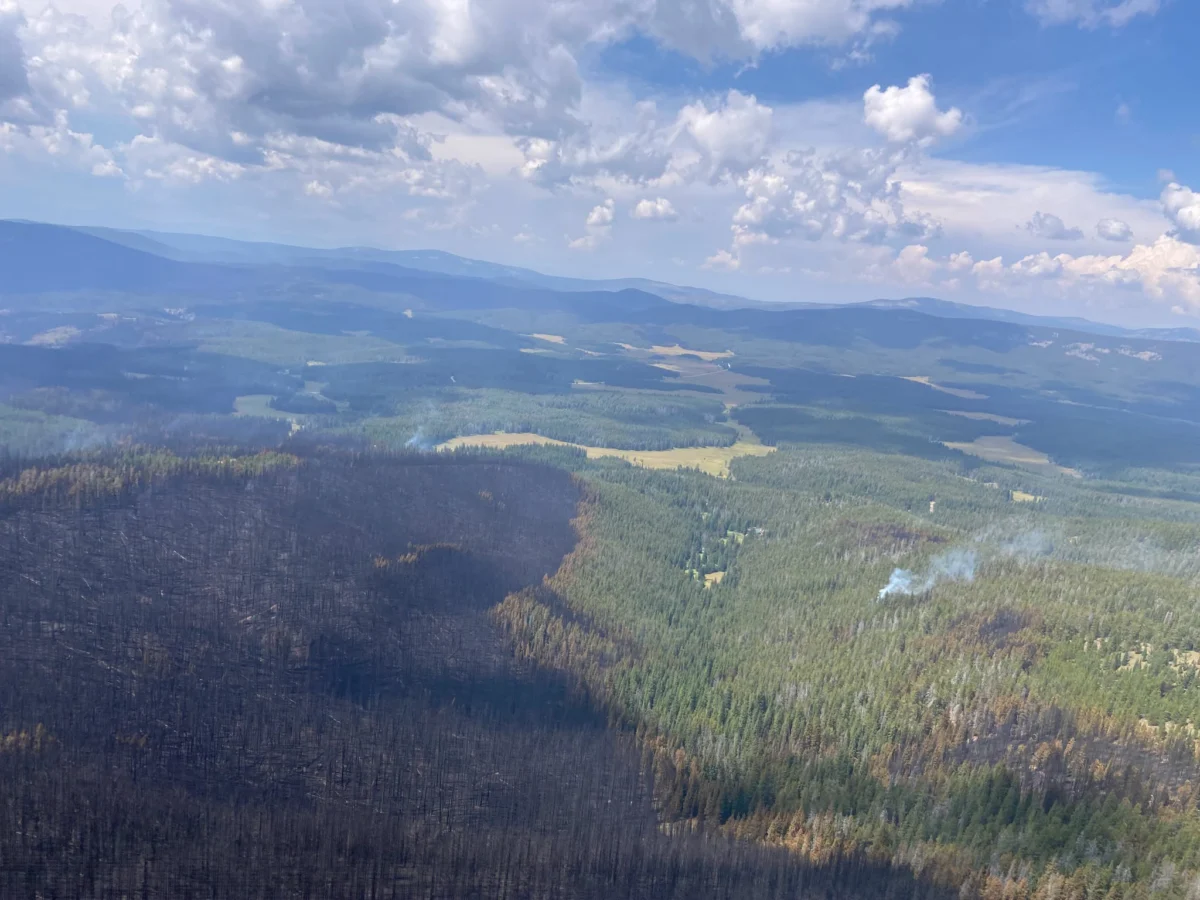
Southwestern Montana’s beloved Maverick Mountain, a cornerstone of independent, grassroots skiing culture, is grappling with significant damage following the relentless advance of the Sand Creek Fire. The blaze, which has consumed over 27,000 acres in the Beaverhead-Deerlodge National Forest, has breached the ski area’s boundaries, scorching nearly two-thirds of its runs and critically damaging its primary Riblet double chairlift. The extent of the destruction to the upper mountain infrastructure casts a somber shadow over the upcoming winter season, leaving the future of operations uncertain for this historic gem.
The Sand Creek Fire, fueled by dry timber and erratic, gusty winds, presented a formidable challenge to firefighting efforts. Its aggressive movement through the Pioneer Mountains necessitated a swift and coordinated response from federal and local agencies. As the flames crested the summit of Maverick Mountain, they left a trail of destruction, including the obliteration of a top-station patrol shack and severe structural compromise to the ski resort’s main chairlift. Erik and Kristi Borge, the owners of Maverick Mountain, have confirmed the devastating impact on the upper elevations, a development that strikes at the heart of the resort’s operational capacity. This incident not only threatens the immediate winter season but also poses a significant challenge to the long-term viability of a ski area that has been a fixture in the region since 1946.
A History Forged in Grassroots Spirit
Maverick Mountain’s identity is deeply intertwined with its history and its commitment to an authentic skiing experience. Established in 1946, it has consistently championed a more intimate and accessible approach to the sport, distinguishing itself from larger, corporately-owned resorts. This independent spirit has cultivated a loyal following and cemented its place as a vital cultural asset in southwestern Montana. The ski area’s operation in the Pioneer Mountains, a range renowned for its rugged beauty and challenging terrain, has always appealed to skiers seeking a more personal connection with the mountain. The current crisis, therefore, represents not just a material loss but an existential threat to a cherished institution.
The Fire’s Advance: A Chronology of Destruction
The Sand Creek Fire was first reported in late July, igniting in a remote area of the Beaverhead-Deerlodge National Forest. Initially, containment efforts focused on preventing its spread into critical wildlife habitats and wilderness areas. However, a confluence of extreme weather conditions, including prolonged drought and high winds, dramatically accelerated the fire’s growth in the weeks that followed. By early August, the fire had expanded significantly, prompting evacuations in some outlying communities and increasing concerns about its proximity to recreational areas.
The critical juncture for Maverick Mountain occurred when the fire, driven by prevailing winds, began to advance towards the ski resort’s upper elevations. Fire managers, anticipating this threat, worked in conjunction with the resort’s ownership to develop strategies for protecting the base facilities and critical infrastructure. Despite these efforts, the sheer intensity and speed of the fire proved overwhelming for the upper mountain terrain. Reports indicate that the fire reached the summit of Maverick Mountain on [Insert specific date or approximate timeframe, e.g., early August], rapidly consuming vegetation and impacting the ski lift infrastructure. The damage to the Riblet chairlift, a key component of the resort’s operation, was a direct consequence of the intense heat and flame impingement in this high-altitude zone.
Defensive Maneuvers and Community Resilience
While the upper reaches of Maverick Mountain bore the brunt of the fire’s fury, the situation at the base area offered a glimmer of hope. Recognizing the potential threat, the Maverick Mountain team, under the ownership of Erik and Kristi Borge, proactively implemented a robust defensive strategy. This included the strategic relocation of valuable assets, such as snowcats and maintenance equipment, to safer locations in parking lots and adjacent fields, minimizing the risk of direct loss.

The successful defense of the main lodge and base facilities was a testament to the heroic efforts of wildland firefighters. Hotshot crews, smokejumpers, and aerial support units engaged in relentless ground work and retardant drops, establishing critical fire lines around the resort’s core infrastructure. Their dedication and skill were instrumental in preventing the fire from encroaching on the lower-elevation buildings and amenities. Furthermore, the proactive implementation of heavy sprinkler systems around nearby community anchors, such as Elkhorn Hot Springs, played a crucial role in safeguarding these vital local establishments. This coordinated, multi-faceted approach to defense underscores the resilience of the local community and its commitment to preserving its cherished resources.
Supporting Data and Fire Statistics
The Sand Creek Fire’s impact is underscored by its sheer scale and the difficult conditions under which it has been fought. As of [Insert latest available date or approximate timeframe, e.g., mid-August], the fire has burned an estimated [Insert acreage, e.g., over 27,000] acres of land. This represents a significant portion of the surrounding landscape, including critical timber stands and alpine meadows that constitute Maverick Mountain’s skiable terrain. The National Interagency Fire Center (NIFC) has reported that [Insert relevant NIFC data if available, e.g., the fire is currently XX% contained, or XX firefighters are assigned to the incident]. The challenging topography of the Pioneer Mountains, coupled with the dry fuel conditions exacerbated by a prolonged drought period in the region, has contributed to the fire’s aggressive behavior and the difficulty in achieving full containment. Montana has experienced [Insert brief data point about Montana’s drought conditions, e.g., below-average precipitation throughout the spring and summer months], creating an environment ripe for wildfire ignition and rapid spread.
The Road Ahead: Rebuilding and Resilience
The immediate concern for Maverick Mountain is the significant damage to its primary Riblet double chairlift. The Riblet Tramway Company, a historic manufacturer of ski lifts, has a long legacy in the industry, and the damage to this particular lift represents a substantial operational setback. The cost and complexity of repairing or replacing such a vital piece of infrastructure are considerable. Owners Erik and Kristi Borge are now faced with the daunting task of assessing the full extent of the damage and developing a plan for recovery.
This situation highlights the vulnerability of smaller, independent ski resorts to natural disasters. Unlike larger corporations with extensive resources and insurance policies, smaller operations often rely heavily on community support and external funding for significant capital expenditures. The future of Maverick Mountain’s upcoming winter season hinges on the ability to repair or replace the damaged chairlift and to address the ecological impact of the fire on the skiable terrain.
The broader implications of this event extend beyond Maverick Mountain itself. It serves as a stark reminder of the increasing threat posed by wildfires to recreational infrastructure and the economies they support. As climate change continues to contribute to hotter and drier conditions, such incidents are likely to become more frequent and severe. This necessitates a proactive approach to wildfire management, including enhanced prevention strategies, improved land management practices, and robust support systems for communities and businesses impacted by these events.
The tight-knit community surrounding Maverick Mountain and the wider ski world are rallying in support. Online fundraising efforts and expressions of solidarity have begun to surface, reflecting the deep affection and respect for this iconic mountain. The spirit of Maverick Mountain, forged over decades of providing an authentic skiing experience, is now being tested. The path to recovery will undoubtedly be challenging, requiring dedication, innovation, and the collective will of its supporters. The hope is that this resilient mountain, with its enduring legacy, will once again welcome skiers to its slopes, a testament to the strength of community and the enduring spirit of independent mountain culture.
