

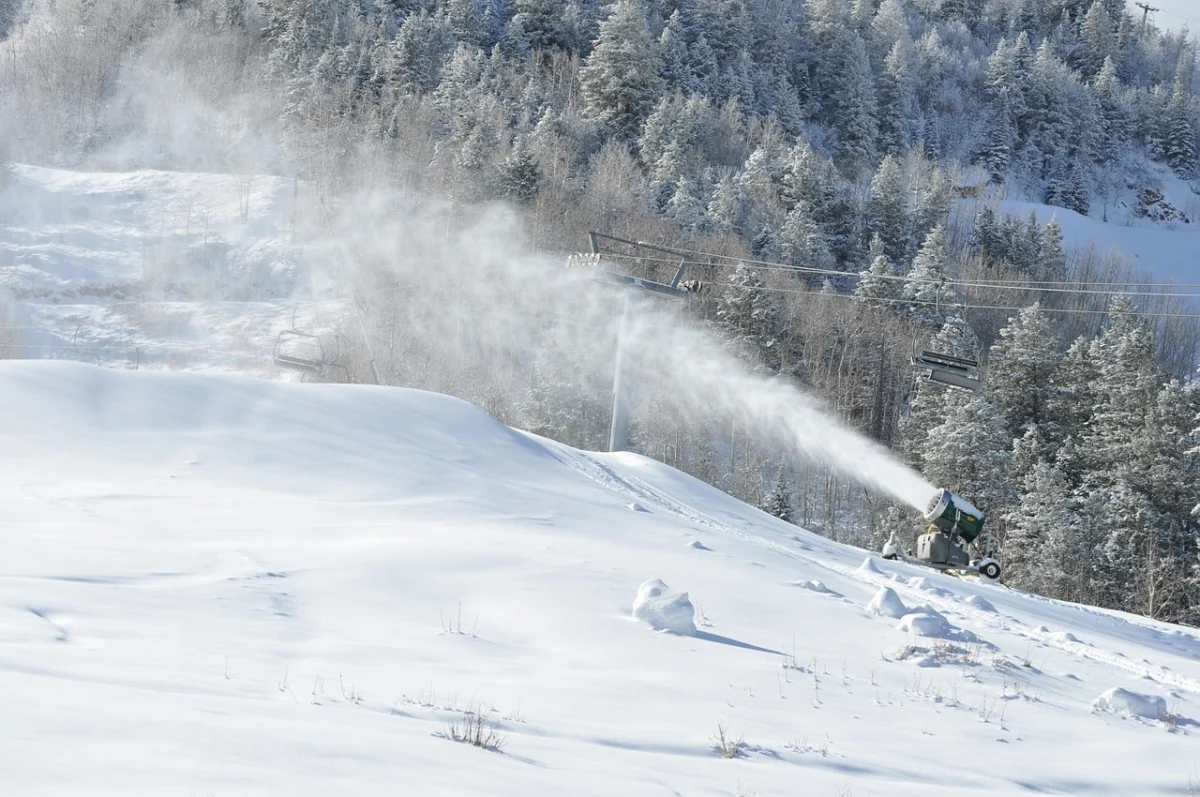
Loveland Ski Area has officially announced the commencement of its 50-day countdown to initiating snowmaking operations, signaling the highly anticipated, if somewhat competitive, start of the winter sports season in Colorado. This declaration reignites the annual, high-altitude contest among Front Range resorts to be the first to open their slopes to eager skiers and snowboarders, a tradition deeply woven into the fabric of Colorado’s vibrant ski culture.
The Perennial "Race to Opening Day"
The "Race to Opening Day" is more than just a marketing ploy; it’s a deeply ingrained tradition among several high-elevation Colorado ski areas, primarily Loveland, Arapahoe Basin (A-Basin), and occasionally Keystone. Each autumn, as summer’s warmth recedes, these resorts engage in a friendly yet fierce competition to be the first to spin their lifts. This unofficial challenge captures the imagination of thousands of snow sports enthusiasts across the country, who eagerly track weather forecasts and resort announcements. The rivalry is characterized by resorts strategically timing their snowmaking efforts, sometimes under the cover of darkness, to maximize cold temperature windows. While the initial terrain open may be limited to a single trail or even just a strip of snow, the symbolic victory of opening first carries significant bragging rights and generates immense media attention and public excitement.
Historically, the race has seen resorts deploy various tactics, including surprise midnight announcements of opening dates, the activation of snowguns for brief, opportune periods, and meticulous preparations to lay down just enough snow for a top-to-bottom run on a designated early-season trail. This competitive spirit is not merely about beating rivals; it’s a testament to the dedication of resort crews and the overwhelming anticipation of winter after months of warmer weather. For many, seeing that first ribbon of white snow against a still-brown mountainside is an almost spiritual experience, a tangible promise of the colder, snowier months ahead.
Loveland’s Strategic Altitude Advantage
Loveland Ski Area, perched strategically atop the Continental Divide, possesses a natural advantage in this annual contest. With its base elevation soaring to 10,800 feet and its highest lift-served terrain reaching 12,990 feet, it consistently experiences colder ambient temperatures earlier than most other resorts in North America. This high-altitude positioning is crucial for efficient snowmaking, as lower temperatures and humidity significantly reduce the energy and water required to produce quality snow. The resort’s geographical location, high above the Eisenhower Tunnel, positions it perfectly to capitalize on the earliest cold fronts moving through the Rocky Mountains.
This elevation allows Loveland’s dedicated snowmaking team to begin operations as soon as conditions permit, often in late September or early October. Their goal is not just to open first, but to establish a robust and durable base across approximately 240 acres of terrain, aiming for a consistent 18-inch packed base depth. This extensive coverage is essential for a safe and enjoyable top-to-bottom run, typically on trails like "Catwalk" and "Rambo." The resort’s commitment to early-season skiing is further underscored by its substantial investment in state-of-the-art snowmaking infrastructure, including high-efficiency snowguns and a sophisticated water pumping system.
The Science and Engineering of Modern Snowmaking

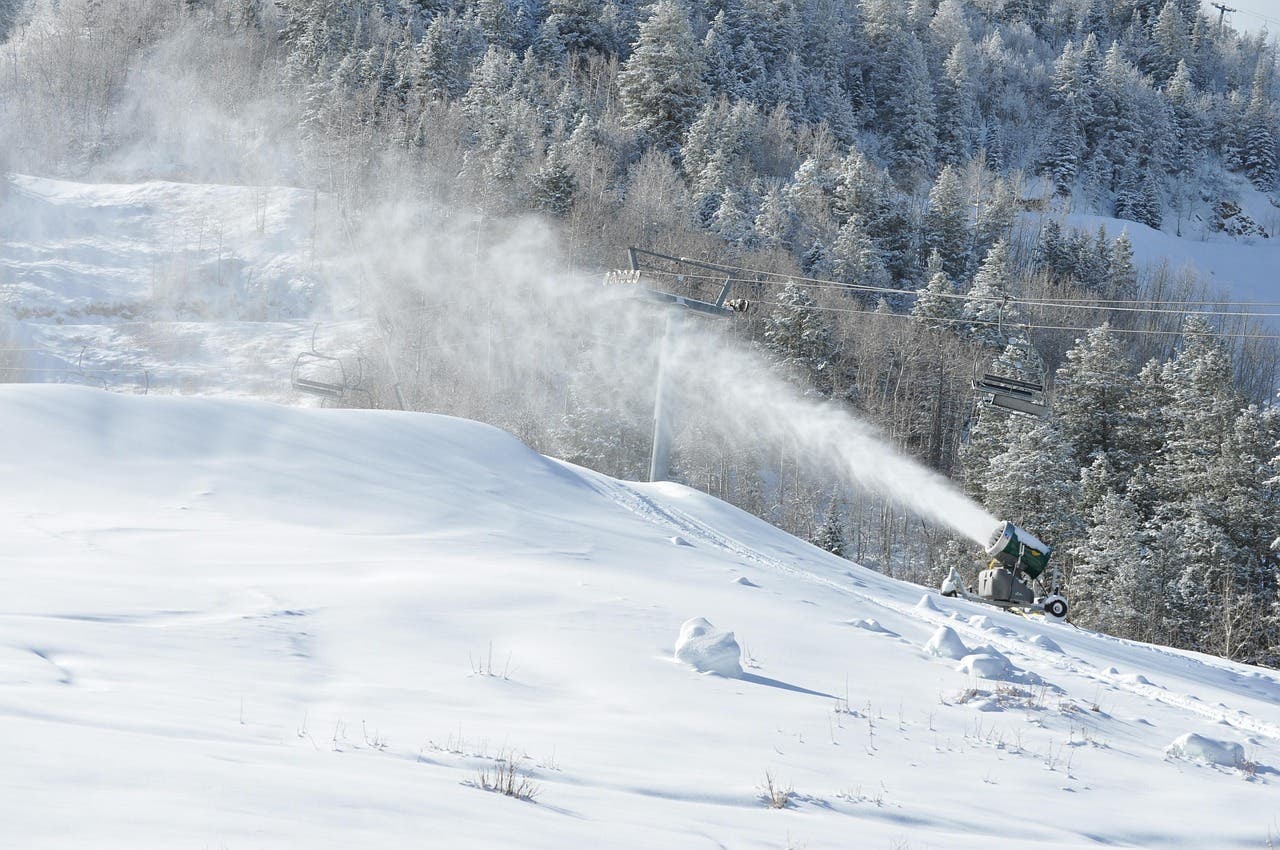
Modern snowmaking is a sophisticated blend of science, engineering, and meticulous planning. It’s far more complex than simply spraying water into cold air. Resorts like Loveland rely on advanced snowmaking systems that leverage precise meteorological data and cutting-edge technology. The process begins with drawing water, often from reservoirs or natural sources, which is then pressurized and pumped through a vast network of pipes extending across the mountain. This water is then mixed with compressed air at the nozzle of a snowgun. The sudden expansion of the compressed air causes the water to atomize into tiny droplets, which then freeze into ice crystals as they are propelled into the cold, dry ambient air.
The efficiency and quality of snowmaking are heavily dependent on "wet bulb temperature," a metric that accounts for both air temperature and humidity. The colder and drier the air, the more efficient the snowmaking process. Loveland’s high elevation provides these optimal conditions more frequently and earlier in the season. The resort utilizes a mix of fan guns, which use a large fan to project snow over a wider area, and stick guns, which are more precise and often used on narrower trails or for building specific features.
Operating a snowmaking system of this scale is an enormous undertaking. It involves round-the-clock shifts for dedicated crews who monitor dozens, if not hundreds, of snowguns, adjust settings based on changing weather conditions, and troubleshoot any issues. These technicians often work in challenging, sub-zero temperatures, ensuring the optimal consistency and depth of the snow. The investment in such technology and labor highlights the critical role snowmaking plays in guaranteeing a consistent ski season, especially in the face of variable natural snowfall and changing climate patterns. It’s a testament to the industry’s commitment to providing reliable access to winter sports, transforming liquid water into the pristine white surface that defines the ski experience.
Economic Impact and Regional Significance
The early opening of ski resorts in Colorado carries substantial economic implications for the state and its local mountain communities. The ski industry is a cornerstone of Colorado’s tourism economy, generating billions of dollars in revenue annually and supporting tens of thousands of jobs, ranging from lift operators and ski instructors to hospitality staff and retail workers. An early start to the season, particularly if a resort opens first, creates an immediate ripple effect throughout the economy.
For resorts, opening early can translate into increased season pass sales, higher early-season visitor numbers, and enhanced brand visibility. The excitement generated by the "Race to Opening Day" serves as invaluable marketing, drawing attention to Colorado as a premier winter destination even before substantial natural snowfall arrives. For towns like Georgetown or Dillon, which are near Loveland, the influx of early-season skiers means a boost for local businesses—restaurants, hotels, gear shops, and transportation services all benefit. This early economic activity sets a positive tone for the entire winter season, providing critical revenue streams that sustain these communities through the colder months.
Furthermore, an early opening provides essential training and employment opportunities for seasonal staff. Lift operators, ski patrol, and snow sports instructors can begin their work sooner, ensuring they are well-prepared for the peak season. This stability in employment contributes to the overall health of the local workforce and helps retain experienced personnel within the industry. The collective anticipation of an early opening, therefore, is not just about the thrill of the first turns; it’s about the economic well-being of entire regions that depend on a robust and reliable ski season.
Environmental Stewardship and Resource Management
While snowmaking is crucial for ensuring reliable ski seasons, it also prompts discussions about environmental stewardship, particularly regarding water and energy consumption. Modern ski resorts are increasingly focused on sustainable practices to mitigate their environmental footprint. Loveland, like many other resorts, has invested in high-efficiency snowguns that produce more snow with less water and energy compared to older models. These newer technologies can optimize water usage, reduce energy demands, and operate effectively in a broader range of temperatures.
Water resources are carefully managed, often sourced from dedicated reservoirs during periods of high flow or from snowmelt collection systems. Resorts typically monitor their water usage diligently and work with local water authorities to ensure responsible consumption that does not negatively impact downstream ecosystems or other community needs. The water used for snowmaking eventually melts back into the watershed, making it a temporary diversion rather than a permanent loss.
Energy consumption for pumping water and operating compressors is another area of focus. Many resorts are exploring renewable energy sources, optimizing pump schedules, and implementing energy-efficient lighting and building practices across their operations. The goal is to balance the economic and recreational benefits of snowmaking with a strong commitment to environmental responsibility, ensuring that winter sports can be enjoyed sustainably for future generations. These efforts underscore a broader industry trend towards integrating ecological considerations into core operational strategies.
The Anticipation: A Cultural Phenomenon
The annual countdown to snowmaking and opening day is a cultural phenomenon that transcends mere recreation for many. For dedicated skiers and snowboarders, it marks the end of a long summer hiatus and the imminent return to their passion. The "winter itch" is a very real sensation, characterized by an obsessive monitoring of weather forecasts, dreaming of powder days, and meticulously preparing gear.
Social media platforms become hubs of excitement, with ski enthusiasts sharing news, speculating on opening dates, and posting photos of waxed skis and tuned boards. This collective anticipation fosters a strong sense of community, connecting individuals who share a deep love for the mountains and snow sports. It’s a time for renewing season passes, planning trips, and reconnecting with friends for another season on the slopes. The first few weeks of opening are often characterized by a festive atmosphere, with smiles and high-fives abundant as people celebrate the return of winter.
Preparing for the Season: Practical Advice
As the 50-day countdown officially begins, it serves as a timely reminder for all snow sports enthusiasts to begin their own preparations. Neglecting gear until the last minute can lead to frustrating delays on opening day. It’s advisable to:
- Inspect and Tune Equipment: Check skis or snowboards for any damage, get edges sharpened, and apply a fresh coat of wax. Ensure bindings are functioning correctly and adjusted to current boot sizes and skier settings.
- Organize Outerwear: Dust off ski jackets, pants, gloves, and helmets. Check for any rips, tears, or signs of wear. Consider waterproofing treatments if needed.
- Fitness Regimen: While the excitement might make you want to jump straight onto the slopes, a few weeks of pre-season conditioning can significantly reduce the risk of injury. Focus on leg strength, core stability, and cardiovascular endurance.
- Secure Passes and Lodging: If you haven’t already, purchase your season pass or plan for lift tickets. For those traveling, early booking of lodging often yields better rates and availability.
- Stay Informed: Keep an eye on official announcements from Loveland and other resorts regarding snowmaking progress, trail openings, and operational updates. Subscribing to resort newsletters or following their social media channels can provide real-time information.
The rapid approach of colder temperatures and the hum of snowguns serve as an urgent call to action. Fifty days may seem like a reasonable timeframe, but for those eagerly awaiting winter, it will undoubtedly fly by faster than a straight-line descent down a freshly groomed slope. The winter season is almost here, and with Loveland leading the charge, the anticipation is palpable across Colorado and beyond.
