

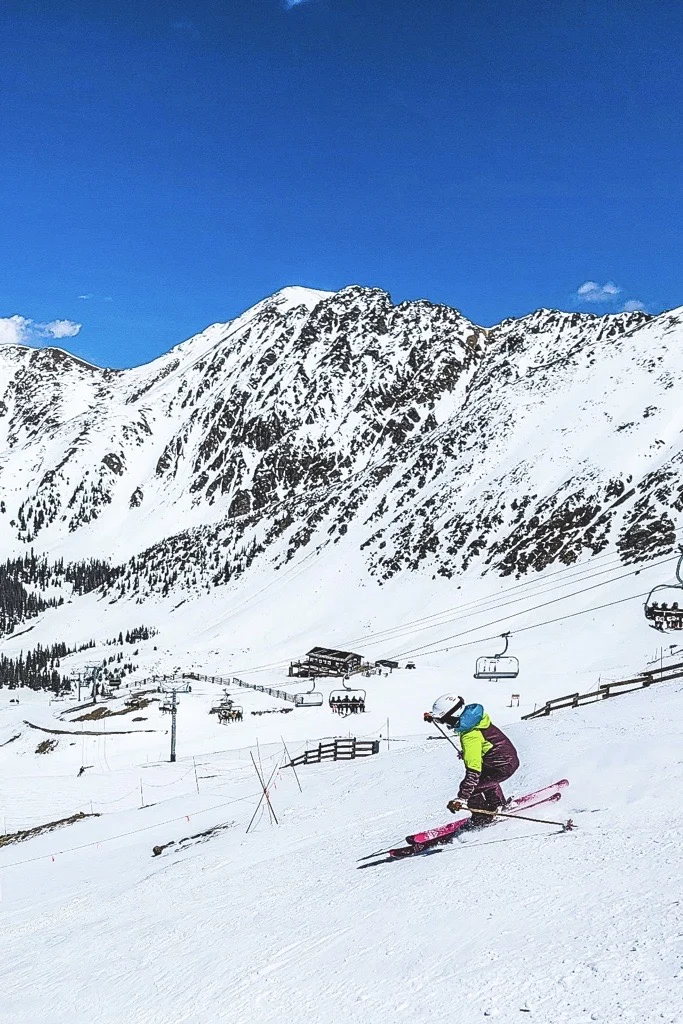
For Katherine Fuller, Director of Marketing and Communications for the Professional Ski Instructors of America and American Association of Snowboard Instructors (PSIA-AASI), a recent five-week intermediate ski lesson program at Eldora Mountain in Boulder County, Colorado, marked a profound personal and professional revelation. Stepping out of her typical role as an industry executive and into the boots of a student for the first time in a decade, Fuller’s experience underscores the critical value of professional snowsports instruction in fostering skill, confidence, and a deeper connection to the mountain. This journey from trepidation to exhilaration offers a compelling case study on the efficacy of structured learning under certified guidance, echoing PSIA-AASI’s mission to promote excellence in snowsports education.
A Personal Odyssey to Professional Growth
Fuller’s decision to enroll in the program was driven by a long-standing desire to overcome a plateau in her skiing ability and to confront a pervasive sense of inadequacy on the slopes. Despite her professional involvement in the snowsports industry since 2019, Fuller’s personal experience with skiing was relatively recent, having learned snowboarding in her twenties and skiing in her thirties. This late entry into the sport, coupled with consistently skiing alongside more advanced peers, had fostered a significant confidence deficit. She frequently found herself entrenched in bad habits, skiing with fear and doubt, and struggling with acrophobia, often masking her anxiety on lift rides. The disconnect between her professional role and perceived personal skill level led to feelings of being a "fraud," highlighting a common psychological barrier many intermediate participants face.
The five-week program at Eldora, which Fuller privately funded and attended anonymously to ensure an authentic student experience, provided a unique environment for introspection and growth. For the first time, she found herself among peers of similar skill levels, alleviating the pressure of constant comparison. This communal learning environment, facilitated by a professional instructor, allowed Fuller to relinquish the burden of self-management regarding fear, expectations, and individual improvement. Over 15 hours of instruction spread across five days, the structure provided by certified professionals offered a sanctuary for focused learning, transforming Wednesday mornings into invaluable sessions of progress.
The Eldora Mountain Intermediate Program: Structure and Philosophy
Eldora Mountain, renowned for its accessible terrain and robust snowsports school, offers a variety of programs designed to enhance skills for all levels. The intermediate lesson program, specifically tailored for those looking to advance beyond basic proficiency, emphasizes a holistic approach to skill development. Participants are typically grouped based on initial assessments by instructors, ensuring a conducive learning environment where individuals can progress at a comfortable yet challenging pace. Such programs are crucial for skier retention within the industry, as many enthusiasts plateau at the intermediate stage and may become discouraged without proper guidance.
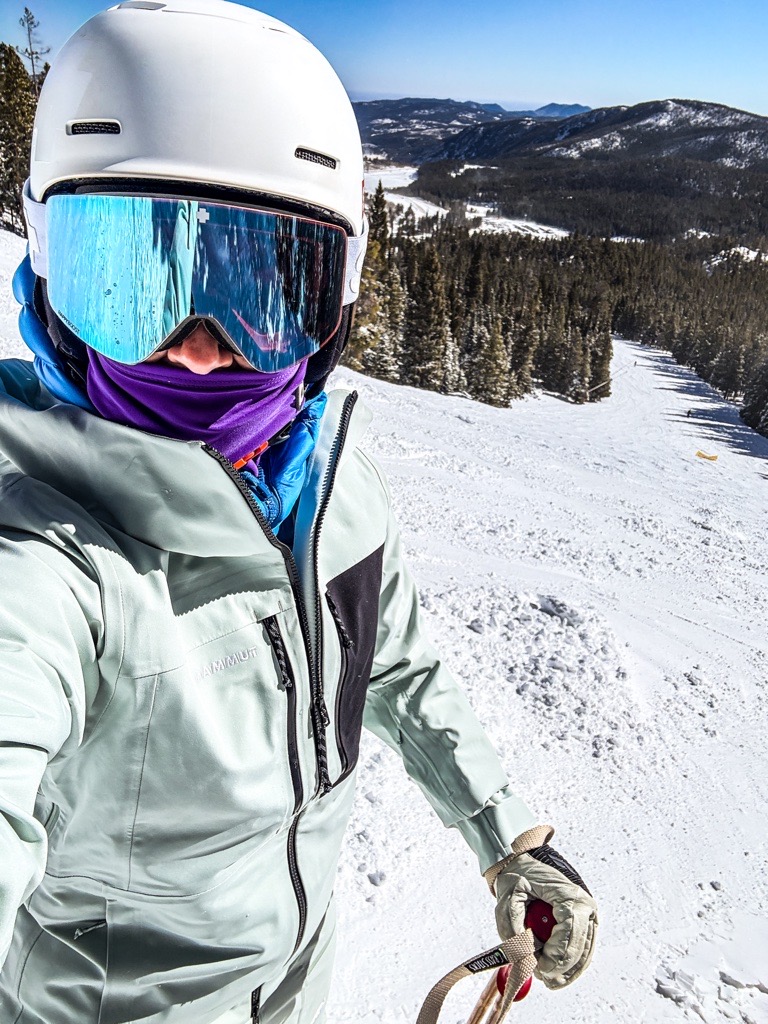
The program’s design, as experienced by Fuller, prioritized practical application over extensive theoretical discourse. Instructors focused on observable behaviors and subtle adjustments that yield significant improvements. This pedagogical approach aligns with contemporary best practices in snowsports education, which advocate for experiential learning and immediate feedback loops. The typical structure includes warm-up drills, focused skill-building exercises, and guided runs designed to apply new techniques in varied terrain. Crucially, instructors also emphasize mountain awareness, safety protocols, and fostering a positive mindset—elements that often go unaddressed in informal learning settings.
The "Aha Moment": Precision Instruction in Action
Fuller’s breakthrough arrived midway through the program, delivered with remarkable conciseness by her instructor, Lindsey. A highly accomplished Alpine Level II certified instructor, youth freestyle coach, graduate student, and fiction author, Lindsey demonstrated the quintessential attributes of a PSIA-AASI professional: patience, perceptive observation, and the ability to deliver impactful feedback with precision. Fuller was part of an "intermediate plus" pod, where she was notably the fastest but also the most "squirrely," her form often crumbling under challenging conditions or when driven by impatience.
On day three, Lindsey’s instruction was deceptively simple. With a tap of her ski pole, she advised Fuller: "Widen your stance." This seemingly minor adjustment, delivered without immediate elaborate explanation, was a testament to Lindsey’s expertise. Fuller, committed to shedding her ego and preconceived notions, complied. The initial awkwardness quickly dissipated, replaced by an unprecedented sense of stability and control. This newfound command allowed Fuller to access an "elusive flow state"—a meditative trance she had previously only experienced in mountain biking, believing she would never achieve it on skis.
Later, Lindsey elaborated on the rationale behind the instruction, connecting it to previous lessons. Fuller’s narrow stance had limited her ability to fully engage the edges of her 90mm-underfoot skis, preventing optimal carving and stability. By widening her stance, she gained the necessary leverage to tip her skis more effectively, thereby enhancing control and confidence. This incident powerfully illustrates the PSIA-AASI teaching fundamental of "Student-Centered Teaching," where instructors diagnose individual needs and provide targeted solutions that build upon prior learning. It also highlights the importance of "Clarity and Conciseness" in delivering feedback, allowing students to internalize and act upon instructions without cognitive overload.
The Comprehensive Toolkit of a Certified Instructor
Fuller’s post-program reflection, delving into PSIA-AASI reference materials, confirmed that Lindsey’s teaching methodologies were deeply rooted in the organization’s core principles. PSIA-AASI certification signifies a rigorous training process that equips instructors with a diverse toolkit of teaching skills, extending far beyond technical skiing prowess. These fundamentals include:
- Student-Centered Teaching: Tailoring instruction to individual learning styles, goals, and needs.
- Effective Communication: Using clear, concise, and encouraging language.
- Demonstration and Drills: Providing visual examples and structured practice opportunities.
- Feedback and Assessment: Offering constructive criticism and evaluating progress.
- Safety and Mountain Awareness: Ensuring a secure learning environment and educating students on responsible mountain conduct.
- Psychological Support: Building confidence, managing fear, and fostering a positive attitude.
Lindsey’s approach exemplified several of these fundamentals. Her minimal "talking at" the group, coupled with encouraging peer-to-peer discussion on lift rides, fostered an interactive and supportive learning environment. This aligns with the principle of "Engagement," keeping students actively involved in their learning process. Every piece of direct feedback was targeted and productive, avoiding extraneous details that could overwhelm students—a direct application of "Clarity and Conciseness."
Beyond technical adjustments, Lindsey also focused on psychological elements. Her use of yoga references, for instance, helped students develop greater body awareness and presence, laying a crucial foundation for improved control and balance. This unconventional yet effective method highlights the instructor’s ability to adapt and integrate diverse knowledge bases to meet student needs, demonstrating "Adaptability" and "Creativity" in teaching. By addressing the psychological dimensions of fear and uncertainty, Lindsey instilled confidence, making students more receptive to technical learning.
Another critical aspect of Lindsey’s instruction was her meticulous terrain management. In a season characterized by variable snow conditions in Colorado, her constant narration of terrain choices—informing the group about icy patches or optimal sides of runs—was invaluable. This proactive approach to "Safety and Mountain Awareness" significantly reduced anxiety, allowing students to focus on their technique rather than worrying about unforeseen hazards. This guidance underscored the profound difference a knowledgeable guide makes, particularly for those who lack the experience to navigate diverse conditions confidently.
Broader Implications for Skier Retention and Industry Health
The detailed feedback from students like Katherine Fuller is invaluable, as instructors often receive only superficial thanks. Her experience underscores that the impact of professional instruction extends far beyond simply improving turns; it fundamentally alters a student’s relationship with the sport. For intermediate skiers, particularly adults who may carry years of fear and self-consciousness, a well-timed cue from a skilled instructor can unlock a sense of belonging and joy previously thought unattainable.
Statistics consistently show that effective instruction is a key factor in skier and rider retention. According to industry reports, individuals who take lessons are more likely to continue participating in snowsports compared to those who do not. The National Ski Areas Association (NSAA) often highlights the importance of beginner and intermediate programs in attracting and keeping participants. A positive learning experience can transform a casual visitor into a lifelong enthusiast, directly impacting resort revenues, equipment sales, and the overall health of the snowsports economy.
Furthermore, certified instruction plays a crucial role in safety. By teaching proper technique, mountain etiquette, and hazard awareness, instructors significantly reduce the risk of injuries. This commitment to safety is a cornerstone of PSIA-AASI’s mission, ensuring that snowsports remain enjoyable and accessible for everyone.
A Renewed Relationship with the Mountain
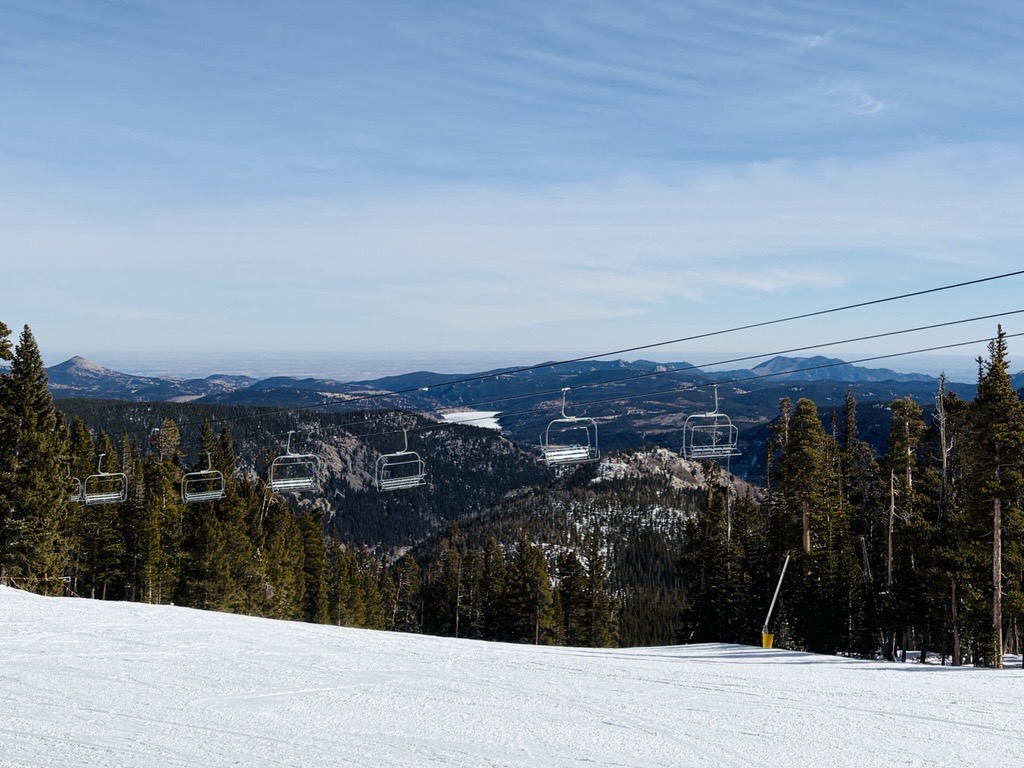
The tangible outcomes of Fuller’s lessons were evident weeks later. At the National Academy at Copper Mountain, she skied a challenging run with newfound confidence, experiencing a sense of freedom and pure enjoyment that manifested in spontaneous laughter—a "giggler," as a longtime instructor and executive observed, beaming at her visible joy. This profound shift from self-consciousness to uninhibited delight speaks volumes about the psychological transformation enabled by expert guidance.
Returning to a ski area where she once worked, Fuller confronted a run she had long feared. The initial thought, "Oh, this IS steep," was quickly followed by decisive action. "And then I just did it." This act of overcoming a deeply ingrained fear, fueled by a robust foundation of trust and technical skills imparted by Lindsey, illustrates the true power of good instruction. It’s not merely about mastering physical movements but about cultivating resilience, self-belief, and an authentic connection to the sport.
Lindsey’s approach, characterized by compassionate acceptance rather than dismissive platitudes, allowed Fuller to address her fears directly and effectively. This personalized and empathetic instruction, a hallmark of PSIA-AASI certified professionals, demonstrates that understanding and working with a student’s emotional landscape is as vital as refining their physical technique. When done well, professional instruction transcends teaching turns; it reshapes perspective, unlocks potential, and reignites a passion for the mountain. Katherine Fuller’s journey stands as a powerful testament to the transformative potential of certified snowsports instruction, reinforcing its indispensable role in the snowsports community.
