

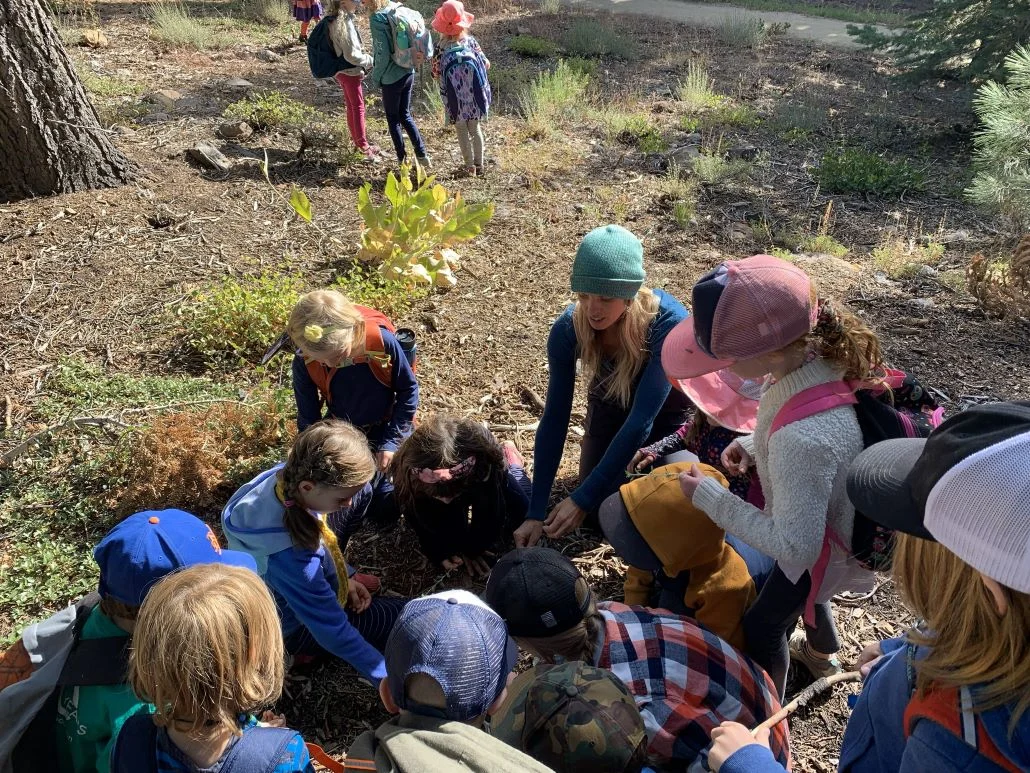
Liz Sheppard, a highly credentialed Level III snowboard instructor and Children’s Specialist 2, stands as a testament to dedication in the evolving fields of snowsports instruction and outdoor education. Currently a distinguished member of the Western Region Education Staff, Sheppard dedicates her expertise to Northstar California Resort in Truckee, California, where she has been an integral part of the snowsports community for over two decades. Her profound passion for the outdoors and teaching children has not only propelled her career on the slopes but also inspired the creation of an outdoor education program for the Waldorf School in Truckee. Beyond the mountain, she imparts scientific knowledge as a middle school science teacher at Tahoe Expedition Academy and previously contributed her leadership as president of the board for Friends of Tahoe Truckee Waldorf, underscoring her commitment to holistic child development.
A Professional Path Forged in Snow: Certification and Global Experience
Sheppard’s journey into snowsports instruction began with a simple yet powerful motivation: a desire to work with children and refine her own snowboarding skills. This drive quickly translated into rapid professional advancement within the industry. In her initial two seasons at Northstar, she successfully achieved both her Level I and Level II certifications with the Professional Ski Instructors of America and American Association of Snowboard Instructors (PSIA-AASI). PSIA-AASI is the largest snowsports instruction organization in the world, setting the standards for instruction, certification, and professional development across skiing, snowboarding, and adaptive snowsports. Its rigorous multi-level certification system ensures instructors possess not only advanced technical skills but also a deep understanding of teaching methodologies, safety protocols, and guest service.
The year following her Level II achievement, Sheppard further specialized, earning her Children’s Specialist 2 credential. This advanced certification signifies an instructor’s exceptional ability to teach children effectively, understanding their unique developmental stages, learning styles, and motivational factors in a mountain environment. This specialization is crucial in an industry where youth participation is a key driver of growth, with statistics indicating that children and teens comprise a significant percentage of new snowsports participants each year, often through lessons.
During this period of intense professional growth, Sheppard’s personal life also took a significant turn. She began dating Luke Sheppard, an English national working in the U.S. on an H-2B visa. The H-2B visa program allows U.S. employers to bring foreign nationals to the United States to fill temporary non-agricultural jobs, often utilized by seasonal industries like snow resorts. This relationship blossomed into a unique three-year period, where the couple embraced an "endless winter" lifestyle, teaching at Cardrona Alpine Resort in New Zealand during the Southern Hemisphere’s winter and returning to Northstar for the Northern Hemisphere’s season. This international experience proved invaluable, exposing Sheppard to diverse instructional philosophies and techniques. She credits trainers from the New Zealand Snowsports Instructors Alliance (NZSIA) with significantly enhancing her skills and perspective during her time abroad. It was amidst this global immersion that she achieved her coveted Level III certification, the highest instructional credential in the PSIA-AASI system, denoting mastery in all aspects of snowboarding instruction, including advanced technical proficiency, teaching expertise, and professional knowledge.
Pioneering Innovation: The Burton Academy Era
Upon achieving her Level III certification, Sheppard transitioned into a training role, mentoring staff at both Northstar and Cardrona. This period also marked a significant milestone in her career and the broader snowsports industry: her involvement in building the first Burton Academy at Northstar. In 2009, Northstar California, in collaboration with Burton Snowboards, launched the Burton Academy, an innovative learning center designed to revolutionize how people learned to snowboard. Burton Snowboards, a leading manufacturer of snowboards and related products, has historically been at the forefront of snowboard culture and technological innovation. The Academy’s core philosophy revolved around "terrain-based teaching and learning" – a progressive methodology that utilizes specially designed, sculpted terrain features (such as mini-pipes, rollers, and banked turns) to naturally guide students through fundamental movements and build confidence without extensive verbal instruction. This approach contrasts with traditional methods that often rely more heavily on drills and verbal cues on flat slopes.
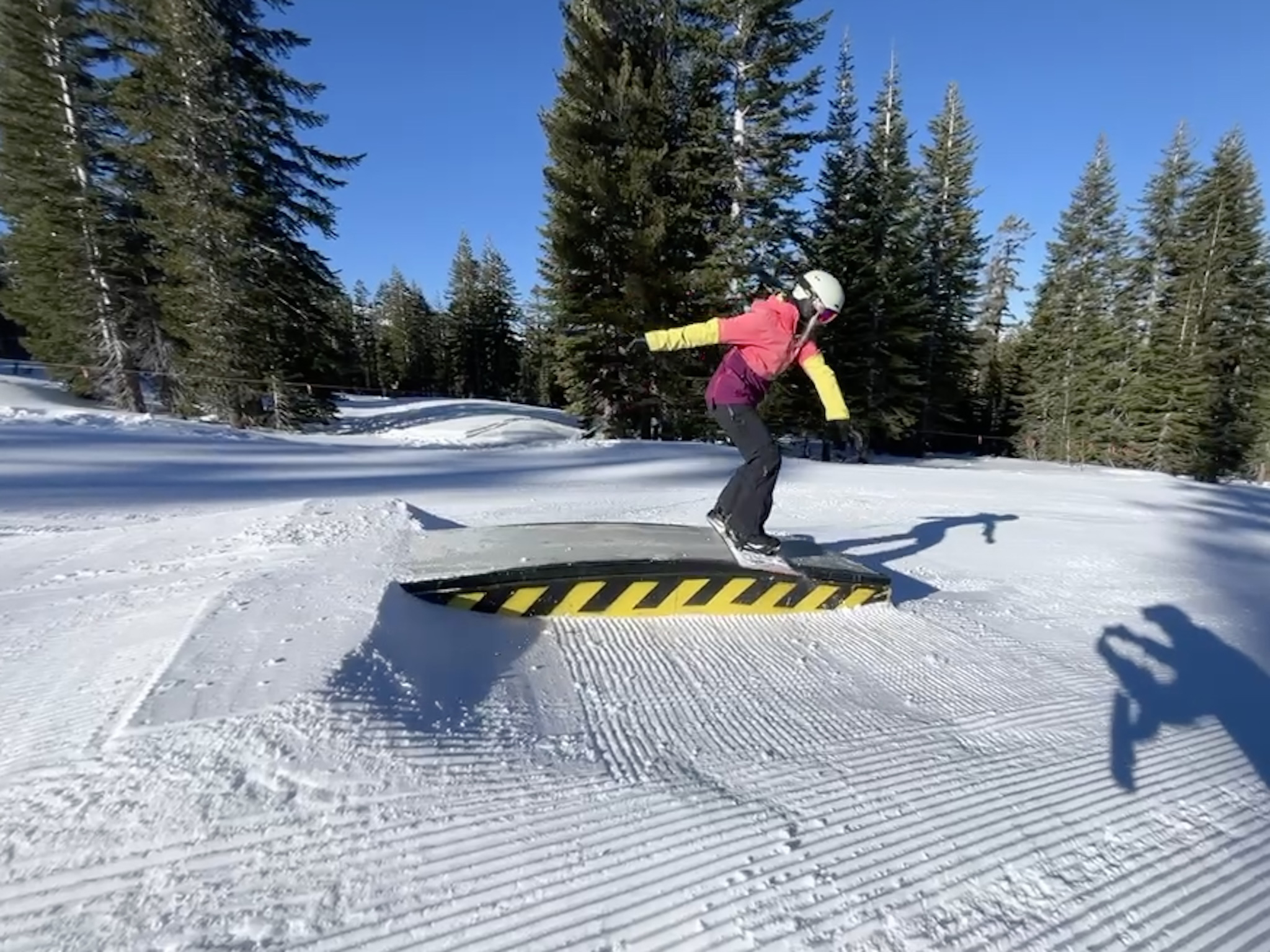
Sheppard describes this era as "fun, creative, and motivating," highlighting the excitement of being "on the cutting edge of snowboard education." The Burton Academy fostered a vibrant community, emphasizing connection and exploration of new progressions. It allowed instructors like Sheppard to design kid-specific features and activities, enhancing the learning experience through movement-focused instruction. This small, tight-knit crew, passionate about the sport, teaching, and guest service, went on to significantly influence the Western Region Education Team over the subsequent 15 years, demonstrating the profound impact of this innovative program. The success of the Burton Academy model at Northstar led to its adoption by other resorts globally, validating its effectiveness in accelerating learning and increasing rider retention.
Balancing Life and Professional Pursuit
Following her marriage, Sheppard made the conscious decision to step back from full-time teaching to focus on starting a family. For several years, she embraced motherhood, working part-time as a trainer to maintain her connection to the industry. This period, while a departure from her intense career trajectory, offered different forms of learning. She gained invaluable insights into child development, human psychology, and the nuanced challenges of training and teaching. She candidly acknowledges the lessons learned about "fear, self-doubt, mental conditioning" during this time, experiences she wouldn’t trade.
Her eventual return to actively pursuing the snowboard trainer certification, while delayed, was ultimately a deeply rewarding experience. Passing the trainer assessment marked the achievement of a long-standing goal and served as a powerful lesson in perseverance. It underscored that the path to success is rarely linear and that embracing detours and personal growth along the way can enrich the journey without diminishing the ultimate accomplishment. This perspective resonates with many professionals in demanding fields who navigate career breaks for family or other life events, demonstrating that dedication and skill can transcend traditional timelines.
The Synergistic Relationship: Classroom and Mountain Pedagogy
Sheppard’s dual roles as a snowsports instructor and an outdoor/science educator provide a unique lens through which to view child development and learning. Her passion for teaching children is unwavering, regardless of the setting. She champions children as "amazing" – honest, curious, freehearted, and fun-loving. This intrinsic appreciation informs her teaching philosophy: to impart not just hard skills but also essential human values like kindness and meaningful engagement.
Sheppard’s approach to education, whether in a middle school science classroom at Tahoe Expedition Academy or on the slopes of Northstar, centers on empowering students. She sees her role as an opportunity to remind them of their inherent potential and capabilities, often exceeding their own beliefs. This philosophy is foundational to both traditional and experiential education, where fostering curiosity and a love for learning are paramount. Tahoe Expedition Academy, for instance, is known for its hands-on, project-based learning and outdoor components, which align perfectly with Sheppard’s experiential teaching style. The Waldorf School system, where she developed an outdoor education program, also emphasizes holistic development, creativity, and a connection to nature, further illustrating the coherence of her educational endeavors.
The skills honed in one environment seamlessly transfer to the other. On the mountain, effective instruction requires adaptability, clear communication, and the ability to read student cues – skills equally vital in a classroom. Conversely, her experience in structured educational settings enriches her ability to design progressive lessons and manage group dynamics on the snow. Her reflections on the core tenets of education – cultivating curiosity, instilling a love for learning, and demonstrating capability – are universal principles that underpin successful teaching across all disciplines and age groups.
Two Decades at Northstar: Community and Evolution
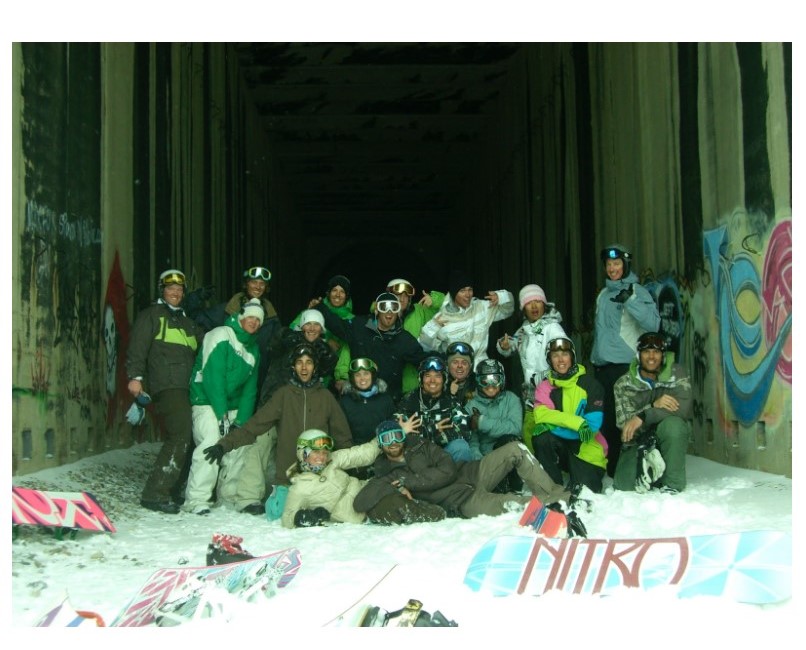
Sheppard’s 23-year tenure at Northstar California Resort is a testament to her enduring commitment and the supportive environment she found there. Beyond meeting her husband, Luke, she cites the development of the Burton Academy as the most rewarding aspect of her time at the resort. The Academy’s emphasis on "community and connection" resonated deeply with her personal values, providing a platform for innovation and growth. She relished the freedom to experiment with new teaching methods, explore progressions, and actively contribute to designing kid-friendly features and activities. This collaborative and welcoming environment allowed her to align her teaching philosophy with the resort’s offerings, focusing on movement-based learning through purpose-built terrain. The early years of the Burton Academy forged a strong, cohesive team whose shared passion for the sport, teaching, and guest service laid the groundwork for many of them to advance into leadership roles within the Western Region Education Team.
Northstar California Resort itself has grown significantly over this period, establishing itself as a premier destination known for its family-friendly atmosphere, luxury amenities, and diverse terrain. Its commitment to innovative learning programs like the Burton Academy has helped it attract and retain top talent like Sheppard, contributing to its reputation as an industry leader in guest experience and instruction.
Leadership and Mentorship: The Western Region Education Staff
Sheppard’s role as a member of the Western Region Education Staff is a significant highlight of her career. This team comprises highly experienced and certified instructors who train and examine aspiring instructors, setting the bar for excellence within PSIA-AASI. Her experience on this team has been profoundly positive, characterized by a supportive community where colleagues have grown together, both professionally and personally. This network has been instrumental in her journey, providing unwavering support and belief in her capabilities.
As an education staff member, Sheppard embraces the opportunity to share her extensive knowledge and guide others through their PSIA-AASI certification paths. She recognizes the crucial role that trainers and examiners played in her own development and is committed to paying that forward. The Western Education Team, notably a "powerhouse of female examiners," provides a strong example of female leadership in a traditionally male-dominated industry. This visibility is critical for inspiring and mentoring the next generation of female instructors. Sheppard attributes her own success in part to having female trainers and examiners to emulate, which made her own pathway to leadership seem attainable. Her active role as a female examiner is thus a deliberate effort to "give back" and "pave the way for more females to join the education team," contributing to greater diversity and representation in snowsports leadership.
Through her PSIA-AASI journey, Sheppard has distilled invaluable lessons applicable far beyond the slopes: adaptability in the face of uncontrollable variables like weather, the art of connecting with diverse individuals, the ability to assess and respond to immediate needs, leveraging student feedback for lesson direction, the willingness to pivot when a plan isn’t working, and the crucial skill of differentiating instruction for multiple learning levels simultaneously. These are hallmarks of an exceptional educator and leader.
A Lifelong Connection to the Wild: The Evolution of Outdoor Education
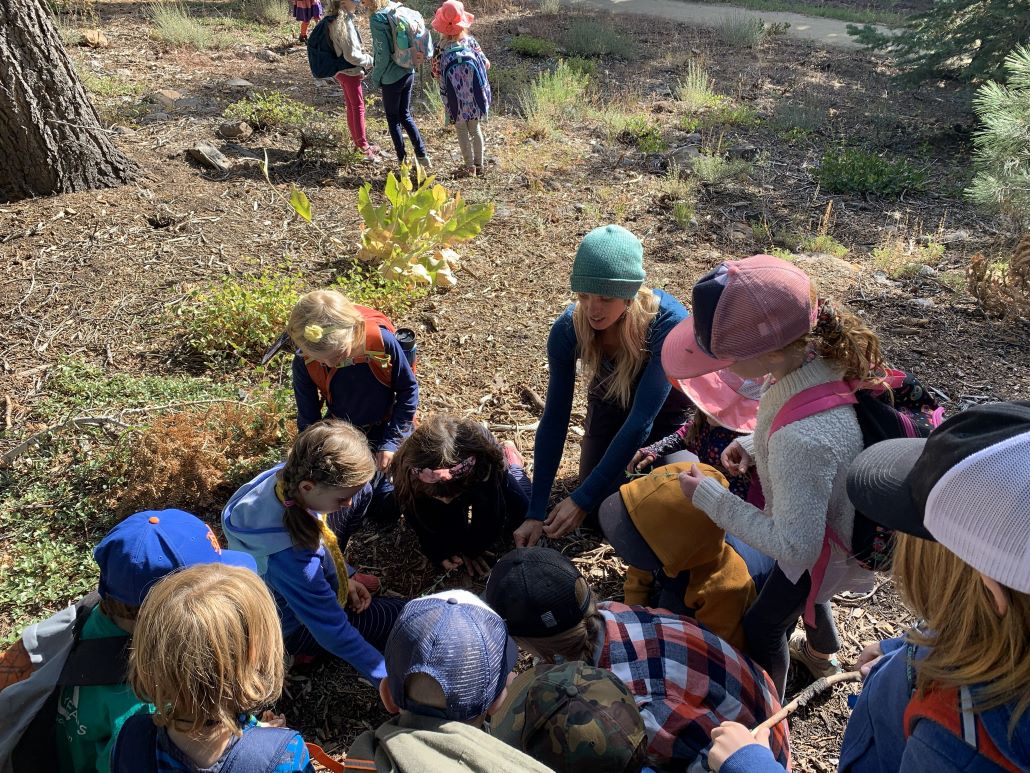
Sheppard’s extensive experience in outdoor education predates her snowsports career and stems from a deeply personal connection to nature cultivated since childhood. Her formative years were spent exploring the Georgia mountains and a wild stretch of land on a lake in Maine, fostering a profound sense of connection to the earth and an appreciation for the extraordinary in the everyday natural world. This early immersion instilled a love for the freedom from the material world and the raw, sensory experiences of being outdoors.
Her passion formalized during high school when she participated in mountaineering programs, including a National Outdoor Leadership School (NOLS) program and an Adventures Cross Country program. NOLS is renowned for its wilderness education courses that teach leadership, outdoor skills, and environmental ethics in challenging backcountry environments. Adventures Cross Country offers adventure travel programs for teenagers, focusing on cultural immersion and outdoor activities. These experiences, particularly the allure of "large snowy mountains" far from her Georgia home, solidified her desire for a career that embraced the outdoors.
In college, Sheppard began working for Adventures Cross Country, leading trips in diverse locations such as Costa Rica, British Columbia, and Alaska. These programs, typically three weeks long with 10-15 students, involved backpacking, paddling, climbing, and snow travel. The intensive nature of these trips fostered deep connections with students, some of whom she remains in contact with two decades later. Her travels and studies abroad in Costa Rica and Chile further broadened her perspective, cementing her realization that a traditional office or lab setting was not her calling. The allure of feeling the "wind on your face" as part of her profession led her logically into outdoor education. After college, she joined Naturalists at Large, an organization that provides outdoor science education programs for schools across California, exposing students to nature through day and week-long trips.
These varied experiences underscored the "special and impactful" nature of shared experiences in the wild. The challenges, beauty, adventure, and cooperation inherent in outdoor pursuits activate "brains, bodies, senses, and souls" to create lasting memories. When Sheppard began her career, outdoor education was often viewed as an unconventional path, with many questioning its viability as a "real job." However, over the past 25 years, the industry has undergone significant growth and professionalization. What was once niche is now recognized as a legitimate and vital field, providing valuable experiential learning and fostering environmental stewardship. The increasing societal value placed on spending time outside and connecting with nature has validated the career choices of pioneers like Sheppard, affirming the profound importance of outdoor education for future generations.
In summary, Liz Sheppard’s multifaceted career exemplifies a powerful synergy between specialized snowsports instruction and comprehensive outdoor education. Her journey from aspiring instructor to a respected leader on the Western Region Education Staff, coupled with her pioneering work in outdoor programs and innovative teaching methodologies, highlights a career dedicated to inspiring curiosity, fostering potential, and promoting a deep connection to the natural world. Her unwavering commitment serves as a compelling model for current and future educators in both mountain and classroom settings.
