

Published August 21, 2026 05:00AM
The allure of Japan’s legendary ski slopes has captured the imagination of winter sports enthusiasts worldwide. Videos of skiers enveloped in deep, ethereal powder, tales of unparalleled snow quality, and the promise of an immersive cultural experience are drawing an increasing number of international visitors to the Land of the Rising Sun. While the exceptional snowfall, affectionately dubbed "Japow," is undoubtedly the primary draw, the comprehensive experience offered by Japan’s ski destinations extends far beyond the slopes, encompassing a rich culinary landscape, unique cultural traditions, and a surprising affordability that challenges perceptions of an international ski vacation. This article delves into ten key reasons why Japan has firmly established itself as a premier global ski destination, offering a journey that transcends the typical resort experience.
The Unrivaled Quality of "Japow"
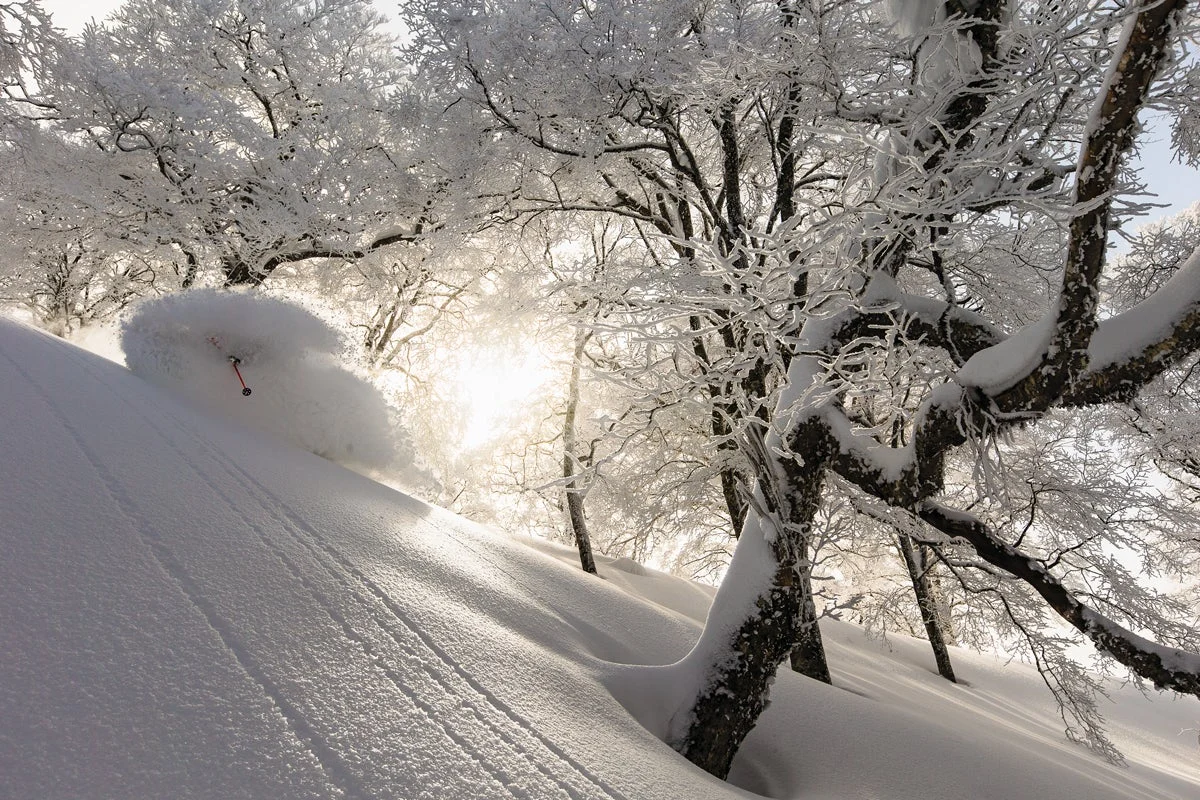
The reputation of Japanese powder snow is not hyperbole; it is a well-earned distinction forged by unique meteorological conditions. The phenomenon begins with frigid air masses originating from Siberia. As this intensely cold air traverses the vast expanse of the Sea of Japan, it picks up significant moisture. Upon reaching Japan’s mountainous terrain, this moisture-laden air undergoes a rapid cooling process, resulting in copious amounts of light, dry, and exceptionally fluffy snow. This process contributes to frequent and substantial snowfalls throughout the winter season, a stark contrast to the more sporadic snow events experienced in many other ski regions.

Resorts in Hokkaido, Japan’s northernmost island, are particularly renowned for their snow accumulation. Several of these resorts consistently report annual snowfall totals measured in hundreds of inches, with some exceeding 500 inches in exceptional years. For instance, Niseko United, a collection of four interconnected resorts on Hokkaido, is famous for its consistent snowfall, often averaging over 600 inches annually. This consistent deposition of powder means that skiers can often experience fresh tracks for days on end, with new snow replenishing the slopes regularly. The appeal lies not just in a single colossal storm, but in the sustained periods of snowfall that allow for continuous powder skiing. This phenomenon has cemented "Japow" as a term of art within the global skiing lexicon, signifying a snow quality that is both abundant and consistently excellent.
The Enchantment of Japanese Tree Skiing
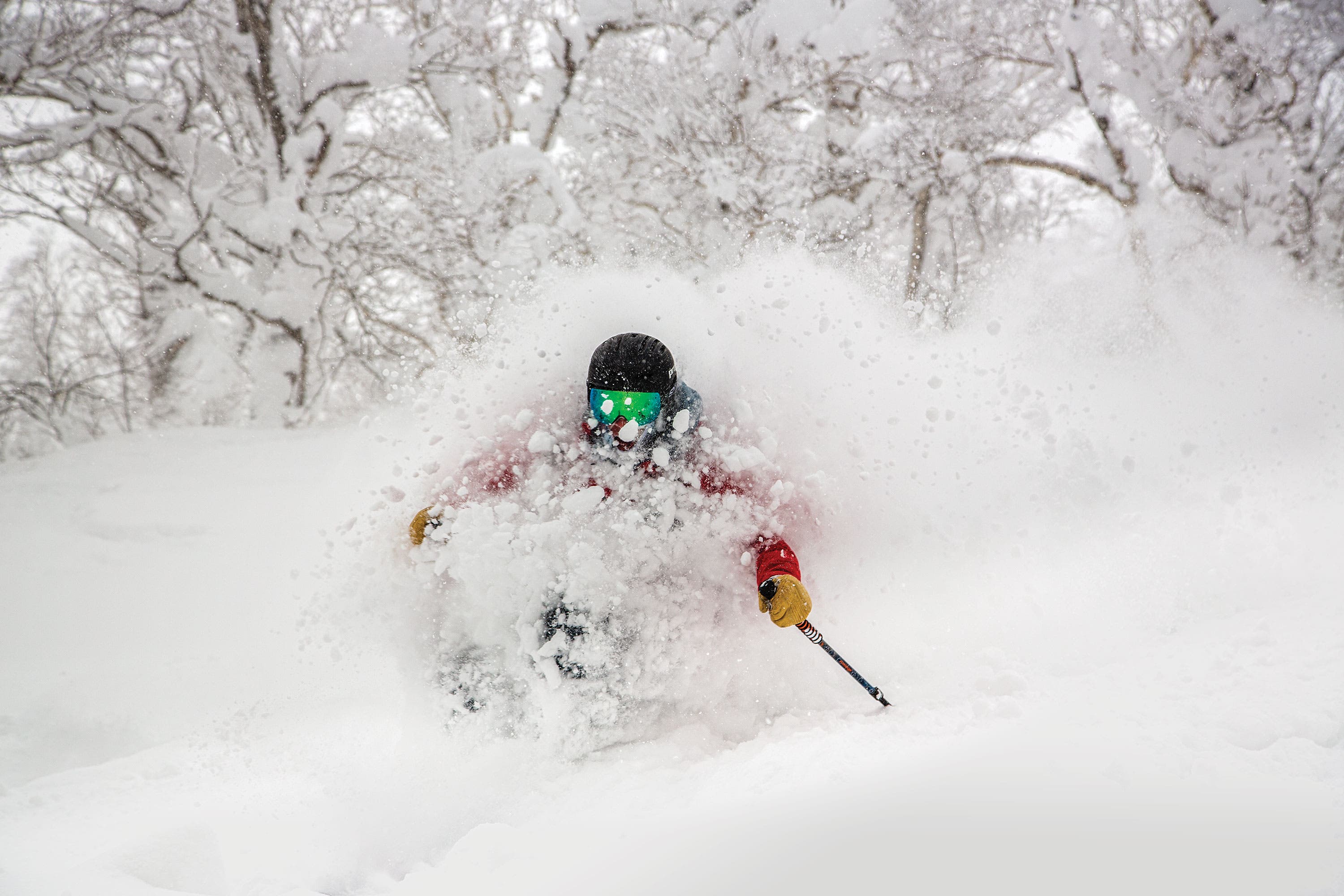
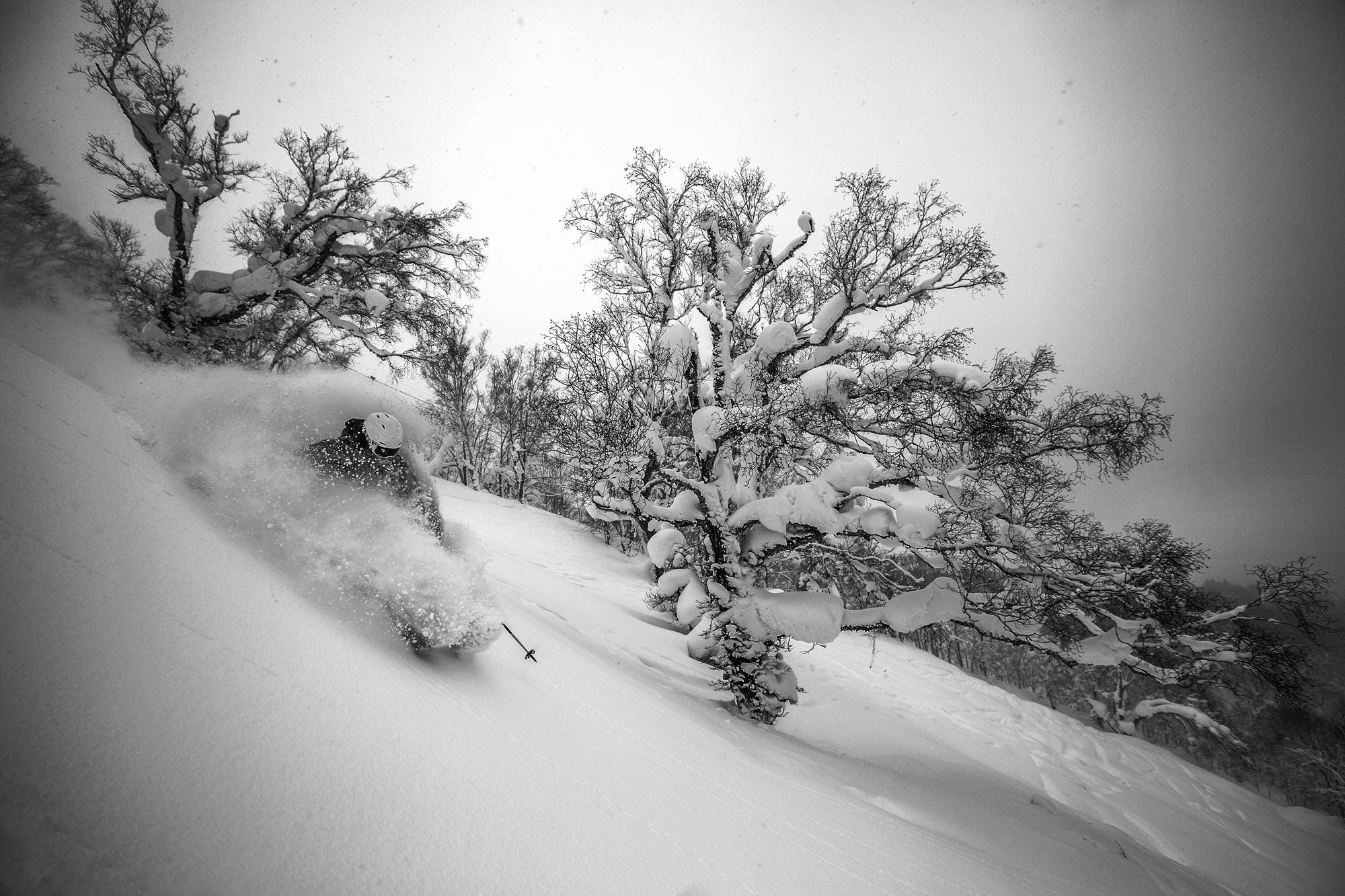
Beyond the open bowls and groomed runs, a significant portion of Japan’s most celebrated skiing experiences lies within its dense, snow-laden forests. Unlike the often sparse treelines found in other mountainous regions, Japanese forests, particularly those in Hokkaido featuring birch and bamboo, appear almost meticulously crafted for storm-day skiing. The trees, draped in thick blankets of snow, create natural glades and chutes that offer an exhilarating and intimate powder skiing experience. Navigating these snow-covered woods, with the soft snow billowing around you with every turn, provides a visceral connection to the mountain that is both challenging and deeply rewarding. This type of skiing is precisely what many enthusiasts dream of when envisioning a perfect day on the slopes, characterized by deep face shots and the thrill of laying down fresh tracks in an untouched winter wonderland.
A Culinary Journey Beyond the Slopes
While the promise of pristine powder is often the catalyst for booking a trip to Japan, the gastronomic offerings present a compelling reason to extend the stay and savor the experience long after the skis are put away. Japan stands out as a ski destination where the culinary landscape is as much a highlight as the snow quality. The post-ski dining scene is not merely an afterthought but an integral part of the cultural immersion and overall enjoyment of a ski vacation.
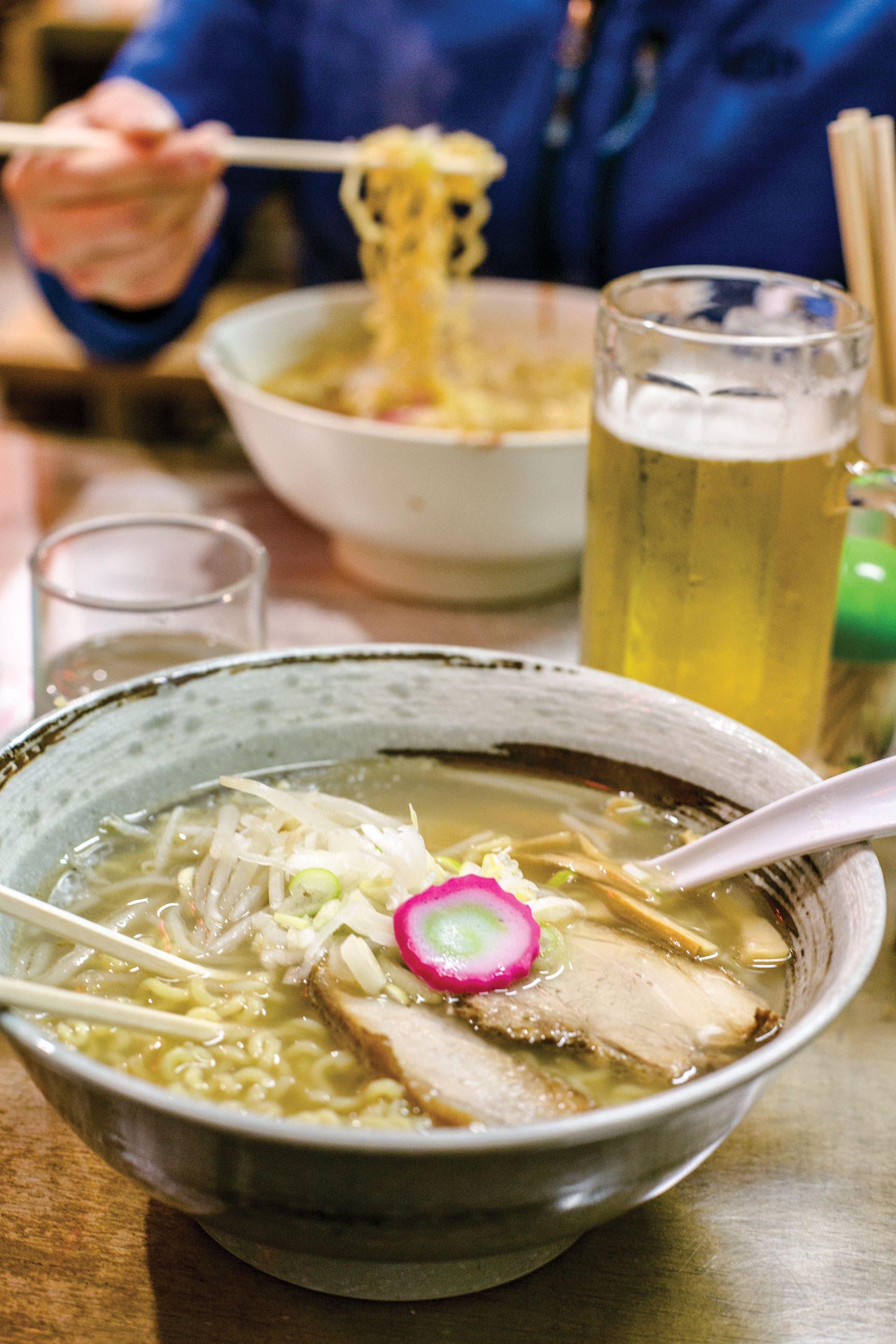
The breadth of culinary experiences available is extensive, extending far beyond the ubiquitous sushi that many associate with Japanese cuisine. After a day spent conquering frigid slopes, the comforting warmth of a steaming bowl of ramen is a sublime experience. These hearty noodle soups, rich with flavorful broths and various toppings, are a staple of Japanese comfort food and perfectly suited to replenishing energy after strenuous activity. Beyond ramen, tiny neighborhood restaurants offer an array of traditional dishes, from delicate dumplings to savory noodle preparations.
A distinctly Japanese culinary tradition is the izakaya, a casual Japanese tavern that serves as a social hub. Here, patrons can enjoy a variety of grilled skewers (yakitori), small plates, and local beverages in a relaxed and convivial atmosphere. These establishments offer an authentic glimpse into Japanese social life and provide an opportunity to sample a diverse range of flavors. Even the seemingly mundane convenience stores in Japan, often referred to as konbini, offer a surprising array of high-quality snacks and light meals that far surpass the offerings of their Western counterparts. From perfectly formed onigiri (rice balls) to gourmet sandwiches and hot snacks, konbini provide convenient and delicious options for skiers on the go.
The affordability of dining in Japan further enhances its appeal. Unlike many North American ski towns where high-quality dining often comes with a premium price tag and requires advance reservations, Japan offers exceptional value. Memorable meals can be discovered serendipitously while exploring local neighborhoods, often at a fraction of the cost associated with comparable dining experiences elsewhere. This accessibility to delicious and authentic food contributes significantly to the overall value proposition of a Japanese ski trip.
Diverse Skiing Experiences Across a Nation
The notion of "skiing Japan" often conjures a singular image, yet the reality is a tapestry of distinctly different skiing environments spread across the archipelago. This diversity allows travelers to tailor their ski vacation to their specific preferences, ensuring a unique experience with each visit. Understanding these regional variations is key to unlocking the full potential of Japan’s ski offerings.
Hokkaido, the northern island, remains the epicenter for the deep, consistent powder and renowned tree skiing that initially put Japan on the international ski map. Resorts like Niseko, Rusutsu, and Furano are synonymous with these conditions, attracting skiers seeking untracked lines and vast expanses of soft snow.
For those who prefer larger mountains, greater vertical drops, and steeper terrain, the Japanese Alps, particularly the Hakuba Valley region on Honshu, offer a compelling alternative. Hakuba, which hosted events during the 1998 Nagano Winter Olympics, boasts a collection of world-class resorts with challenging slopes and breathtaking alpine scenery.
Nozawa Onsen provides a unique blend of excellent skiing and traditional Japanese village life. This historic resort town is famous for its well-preserved streets, communal hot springs (onsen), and a vibrant local culture. After a day on the slopes, visitors can immerse themselves in the restorative waters of the onsen, a quintessential Japanese experience.
Venturing further into less-traveled regions, such as Tohoku in northern Honshu, reveals quieter, more intimate ski areas that remain largely off the international radar. These resorts offer a chance to experience skiing in a more local setting, often with fewer crowds and a more authentic connection to Japanese mountain communities. The sheer number of ski resorts, estimated to be over 500, means that one could return to Japan for multiple winters and embark on a completely different ski adventure each time, exploring new regions and uncovering hidden gems.
The Soothing Embrace of Onsens: Aprés-Ski Redefined
In Japan, the traditional concept of "après-ski" takes on a uniquely rejuvenating dimension, often centered around the nation’s abundant geothermal activity. Natural hot springs, known as onsen, are deeply integrated into the cultural fabric of many mountain communities, offering a profound and restorative way to conclude a day on the slopes. Instead of heading to a bustling bar, skiers can trade their ski boots for the serene comfort of soaking in mineral-rich waters, often with snowflakes gently falling around them.
This practice offers an unparalleled recovery experience after a day of exhilarating powder skiing. The therapeutic properties of the hot spring waters are believed to soothe tired muscles and promote relaxation, making it an ideal antidote to the physical demands of the sport. Many ski towns are meticulously designed with the onsen ritual in mind. In places like Nozawa Onsen, public bathhouses are integral to the town’s identity, allowing visitors and locals alike to partake in this time-honored tradition. Other resorts feature luxurious hotel or open-air onsen facilities, providing stunning views of the surrounding snow-covered mountains as one unwinds. While a celebratory drink can certainly follow a soak, the primary form of relaxation and social gathering after skiing often revolves around the tranquil and invigorating onsen experience.
An Abundance of Ski Resorts for Every Explorer
Japan’s vast mountainous terrain is dotted with an impressive number of ski areas, creating a veritable wonderland for skiers and snowboarders who relish exploration. The sheer volume of resorts, estimated to be in the hundreds, ranges from expansive, internationally recognized destinations to small, intimate community hills. This abundance is a significant draw for those who enjoy discovering new terrain and experiencing diverse skiing environments.
While major hubs like Niseko and Hakuba offer comprehensive amenities and world-class skiing, the true magic for some lies in venturing off the beaten path. Discovering a small, local mountain where the ski patrol knows everyone by name, where lunch is a simple yet delicious bowl of curry rice, and where the primary challenge is not a lift line but the novelty of the experience itself, can be profoundly rewarding. These lesser-known resorts often provide a more authentic and uncrowded experience, allowing for a deeper connection with the local culture and a more personal engagement with the joy of skiing. The pursuit of these hidden gems, requiring a spirit of adventure and a willingness to deviate from the well-trodden path, is often where some of Japan’s most memorable skiing moments are found.
Extended Ski Days: The Appeal of Night Skiing
For enthusiasts who find that a typical ski day concludes too early, Japan offers a compelling solution: the opportunity to continue skiing well after the sun has set. Night skiing is a more prominent feature of the Japanese ski experience compared to many North American destinations. A notable number of Japanese resorts illuminate their slopes, extending the skiing day into the evening hours. This extended playtime is particularly enchanting when snowfall continues, transforming the experience into a surreal dance amidst falling flakes and artificial lights. The visual spectacle of snow streaking through the illuminated runs adds an extra layer of magic to the experience. While the extent of night skiing varies by resort, the presence of this option at numerous locations means that skiers can significantly lengthen their time on the snow, maximizing their enjoyment of the "Japow." Some resorts offer night skiing until around 9 p.m., providing ample opportunity to carve through the legendary Japanese powder long after conventional closing times.

The Surprising Affordability of a Japanese Ski Adventure
While the initial flight to Japan might seem like a significant investment, the overall cost of a ski vacation in the country often proves to be surprisingly more affordable than a comparable trip to North America. Once on the ground, the economic equation begins to shift favorably. Lift ticket prices at many Japanese resorts remain considerably lower than the often-exorbitant walk-up rates prevalent at major U.S. ski destinations. This translates to more accessible daily skiing costs.
The affordability extends to dining as well. Whether opting for a quick, nourishing bowl of noodles or indulging in a more elaborate sit-down meal, the cost of food in Japan is refreshingly reasonable. Furthermore, the integration of major international ski pass programs, such as Ikon Pass, Epic Pass, Mountain Collective, and Indy Pass, can further enhance the value proposition. Depending on the pass held, skiers may be eligible for included or discounted days at participating Japanese resorts, effectively reducing the out-of-pocket expenses for lift access. While the precise economic advantage will fluctuate based on travel choices and specific resort selections, Japan consistently presents itself as a more budget-conscious option for a world-class ski experience than its initial travel distance might suggest.
Cultural Immersion: Beyond the Ski Boots
Perhaps the most profound distinction between skiing in Japan and visiting other international ski resorts lies in the depth of cultural immersion. Japan’s mountains serve as a gateway to a rich and multifaceted culture, allowing for a holistic travel experience that extends far beyond the physical act of skiing. A typical ski day can seamlessly integrate elements of Japanese life: from the exhilaration of skiing powder in the morning, to enjoying a steaming bowl of ramen for lunch, followed by a restorative soak in an onsen after skiing. As evening approaches, one might wander through centuries-old villages before dining at an izakaya or participating in a lively karaoke session.
The architectural landscape is equally captivating, showcasing a unique blend of tradition and modernity. Ancient temples and shrines often stand in close proximity to ski towns, offering opportunities for cultural exploration and reflection. By incorporating a few days in major cities like Tokyo, Kyoto, or Sapporo before or after the ski portion of the trip, the vacation transforms into a comprehensive cultural journey. This integration of world-class skiing with profound travel experiences ensures that the memories created in Japan endure long after the last snowflake has melted.

Winter Spectacles: Festivals Beyond the Slopes
Winter in Japan is a season punctuated by vibrant festivals, transforming the landscape into a canvas of light, artistry, and cultural celebration. Depending on the timing and location of a ski trip, visitors may have the opportunity to witness spectacular events that add an extraordinary dimension to their winter vacation. The most renowned of these is the Sapporo Snow Festival, an internationally acclaimed event that draws millions of visitors to marvel at colossal snow and ice sculptures, some as large as multi-story buildings.
However, Sapporo’s festival is just one example of the many winter celebrations that dot the Japanese calendar. Other events feature illuminated streets, traditional fire festivals, and unique regional celebrations that showcase local heritage. For skiers willing to infuse their itineraries with a degree of flexibility, attending a winter festival can elevate a ski trip into an unforgettable experience. These festivals offer not only visual splendor but also opportunities to engage with local culture, sample regional delicacies, and enjoy diverse musical performances. Warming huts strategically placed throughout festival grounds often provide a cozy respite, complete with opportunities to sample a wide array of local liquors, enhancing the festive atmosphere.
Planning the Dream Trip: More Accessible Than Ever
For many American skiers, Japan has historically resided in the realm of aspirational travel, perceived as a distant and logistically challenging destination. Concerns about language barriers, navigating unfamiliar transportation systems, and simply knowing where to begin the planning process have often relegated such trips to a vague future date. The sheer scale of planning a journey to the other side of the world can feel daunting, leading to procrastination.
However, the landscape of international travel has evolved significantly, making Japan far more accessible than it once was. Major ski destinations within the country have become increasingly adept at catering to international visitors. This includes established airport transfer services, readily available English-language information and signage, the presence of English-speaking guides and tour operators, and a growing number of accommodations specifically designed to welcome foreign travelers. The ability to customize the trip, whether seeking an entirely independent adventure or a fully organized, turnkey experience, empowers travelers to plan with confidence. The primary question that remains for many is not if they should plan a ski trip to Japan, but rather why they have waited so long to embark on such an extraordinary journey. Recent developments, such as the introduction of new nonstop flight routes connecting major North American cities directly to Tokyo and Sapporo, further streamline the travel process, diminishing the perceived logistical hurdles and bringing the dream of skiing in Japan within closer reach.
