

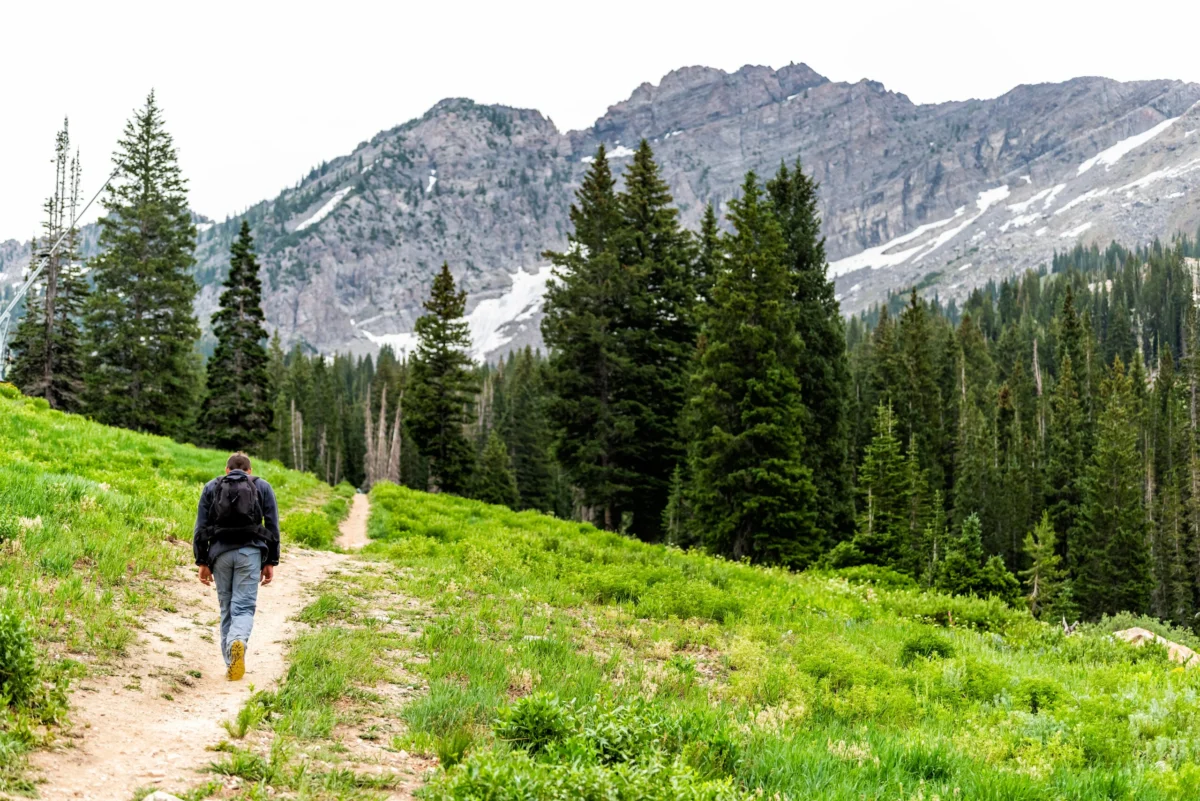
The rugged beauty of Utah’s Wasatch Mountains, a destination cherished by outdoor enthusiasts for its challenging terrain and breathtaking vistas, became the site of a tragic incident on Wednesday, August 19, 2026. A 16-year-old scrambler lost their life after a fall measuring several hundred feet near Devil’s Castle, a prominent and imposing peak that looms over the popular Alta ski area. The incident underscores the inherent risks associated with high-alpine scrambling and the critical importance of preparedness and respect for the mountain environment.
The alarm was raised at approximately 7:01 p.m. when emergency services received a 911 call from a bystander who had witnessed the harrowing fall. The gravity of the situation prompted a swift and coordinated response from multiple agencies, highlighting the collaborative efforts crucial in mountain rescue operations. Mobilized units included the Salt Lake County Search and Rescue (SAR), the Unified Fire Authority, the Alta Marshal’s office, Air Life (a medical transport service), and the Utah Department of Public Safety (DPS) Aero Bureau, equipped with aerial capabilities.
A Complex and Perilous Mountain Recovery Operation
The Utah DPS Aero Bureau played a pivotal role in the initial stages of the response, successfully locating the young scrambler from the air. This aerial reconnaissance allowed paramedics to be strategically positioned to reach the victim as quickly as possible. Despite their rapid deployment and immediate medical attention at the scene, the severity of the injuries sustained in the fall was too great, and the individual was tragically pronounced deceased at the location of the incident.
The deceased teenager had been undertaking the challenging traverse with three companions. The group was navigating the exposed ridgeline when the fatal accident occurred. Once the casualty was confirmed, the focus of the multi-agency rescue effort shifted to the immediate safety and evacuation of the surviving three members of the group. These individuals found themselves stranded on the ridgeline above the accident site, facing the daunting prospect of their own descent after witnessing such a traumatic event. Rescue personnel maintained close observation of the partners’ careful descent before commencing the delicate and somber task of recovering the body of their deceased companion. The mountainous terrain, combined with the emotional distress of the survivors, presented significant logistical and psychological challenges for the rescue teams.
In the aftermath of the recovery operation, local authorities made the decision to close the climbing and scrambling areas in the immediate vicinity of Devil’s Castle. This closure was enacted to allow rescue personnel to safely clear the site and to provide a period of respite for the mountain environment. Officials issued a strong advisory, urging visitors to avoid the zone for several days following the incident, emphasizing the need for respect and to allow for the full completion of all necessary procedures.
The Brutal Reality of Devil’s Castle Scrambling
Devil’s Castle is renowned within the Wasatch Range as a highly technical limestone traverse, presenting a formidable challenge that grades from Class 4 scrambling to low Class 5 (5.2) rock climbing. While it may be perceived by some local hikers from Salt Lake City as an accessible weekend adventure, the reality of the terrain demands profound respect and a high level of technical proficiency. The route is characterized by knife-edge ridges, offering immense exposure with steep drop-offs on both sides. In such an unforgiving environment, the constant threats of loose rock and scree are ever-present dangers, capable of undermining even the most experienced scrambler’s footing.
The classification of Class 4 terrain signifies simple climbing movements coupled with significant exposure. In such conditions, the use of ropes is strongly recommended, as a single misstep can lead to a fall through a substantial vertical distance. Progressing into low Class 5 territory, specifically 5.2, signifies entering the realm of true rock climbing. This requires climbers to possess solid handholds and secure footholds to make upward progress. When navigating Class 5 rock without ropes, a solitary missed foot placement or a moment of lost balance can have catastrophic and fatal consequences.
The perceived accessibility of Devil’s Castle, situated directly above the Alta Ski Area, often leads to a miscalculation of the risks involved. Many hikers, drawn by the proximity and the allure of stunning alpine views, may venture onto the route without fully comprehending the technical demands and the inherent dangers. What begins as a scenic hike can rapidly transform into a test of nerve and skill, requiring navigation across precarious ridgelines, through loose scree fields, and with constant, life-threatening exposure. The disparity between the expectation of a moderate hike and the reality of technical alpine scrambling can be a dangerous disconnect.

Prioritizing Safety in High-Alpine Terrain
In light of this tragic event, Salt Lake County SAR has issued a stern reminder to all outdoor enthusiasts, urging them to meticulously evaluate their personal limits and preparedness before venturing onto high-alpine routes. This advice extends beyond mere physical stamina and encompasses technical climbing skills, mental fortitude, and a comprehensive understanding of the specific hazards associated with the chosen route.
The organization emphasizes that preparation is paramount. This includes carrying appropriate safety equipment, such as helmets, sturdy footwear, and for technical sections, ropes and climbing harnesses. Equally important is having a thorough knowledge of the route, including potential hazards, escape routes, and weather patterns. Checking detailed weather forecasts is not merely a suggestion but a critical component of pre-trip planning, as rapidly changing alpine weather can transform a pleasant outing into a life-threatening situation.
Furthermore, SAR strongly advocates for individuals to ascend with partners who possess comparable skill levels and experience. Communication within the group, as well as with trusted contacts on the ground regarding intended routes and expected return times, is a vital safety net. The decision to proceed with a climb or scramble should always be based on a collective assessment of conditions and the group’s capabilities, rather than individual ambition.
The incident at Devil’s Castle serves as a poignant reminder that even seemingly accessible mountain terrain can harbor extreme dangers. The allure of stunning scenery and the satisfaction of reaching a summit can, for some, overshadow the critical need for caution and expertise. Statistics from the Salt Lake County Sheriff’s Office indicate a steady number of search and rescue incidents annually, with a significant portion attributed to hikers and climbers who underestimate the challenges of the Wasatch Range. In 2025, for example, over 150 SAR missions were initiated in Salt Lake County, involving a wide range of activities from lost hikers to technical rescues. While specific data correlating fall incidents to particular peaks is not always publicly detailed, the general trend highlights the ongoing risks in these popular outdoor recreation areas.
The expertise of organizations like Salt Lake County SAR is invaluable. Comprised of highly trained volunteers and dedicated professionals, these teams undergo rigorous training in wilderness first aid, technical rope rescue, avalanche safety, and wilderness survival. Their ability to respond rapidly and effectively in challenging conditions is a testament to their commitment and the resources dedicated to public safety in Utah’s mountainous regions. However, their efforts are often reactive, and the most effective safety measure remains proactive preparedness and responsible decision-making by individuals venturing into the backcountry.
The broader implications of this tragedy extend beyond the immediate loss of a young life. It prompts a wider discussion about risk perception, education, and the responsible promotion of outdoor recreation in areas of technical difficulty. While Utah boasts unparalleled natural beauty and a thriving outdoor culture, ensuring that participants are adequately informed and equipped to face the inherent dangers is a shared responsibility. This includes the role of guide services, outdoor retailers in providing accurate information, and educational institutions in fostering a culture of safety and respect for the natural world.
The community of outdoor enthusiasts in Utah and beyond is united in its grief over this devastating loss. The thoughts and condolences of many are with the family, friends, and partners of the 16-year-old who perished. This incident serves as a stark and somber reminder for all who seek adventure in the mountains: the pursuit of exhilaration must always be tempered with prudence, preparation, and a deep understanding of the environment. The mountains offer unparalleled rewards, but they demand the utmost respect.
This tragic event underscores the importance of continuous education and skill development for anyone engaging in high-alpine activities. The technical nature of routes like Devil’s Castle requires more than just a desire to explore; it necessitates a foundation of climbing knowledge, risk assessment skills, and a commitment to safety protocols. As the outdoor recreation community continues to grow, fostering a culture where safety is paramount, and where individuals are empowered with the knowledge to make informed decisions, is more critical than ever. The echoes of this loss will undoubtedly resonate, prompting a renewed focus on the vital importance of prioritizing safety in all high-alpine endeavors.
