

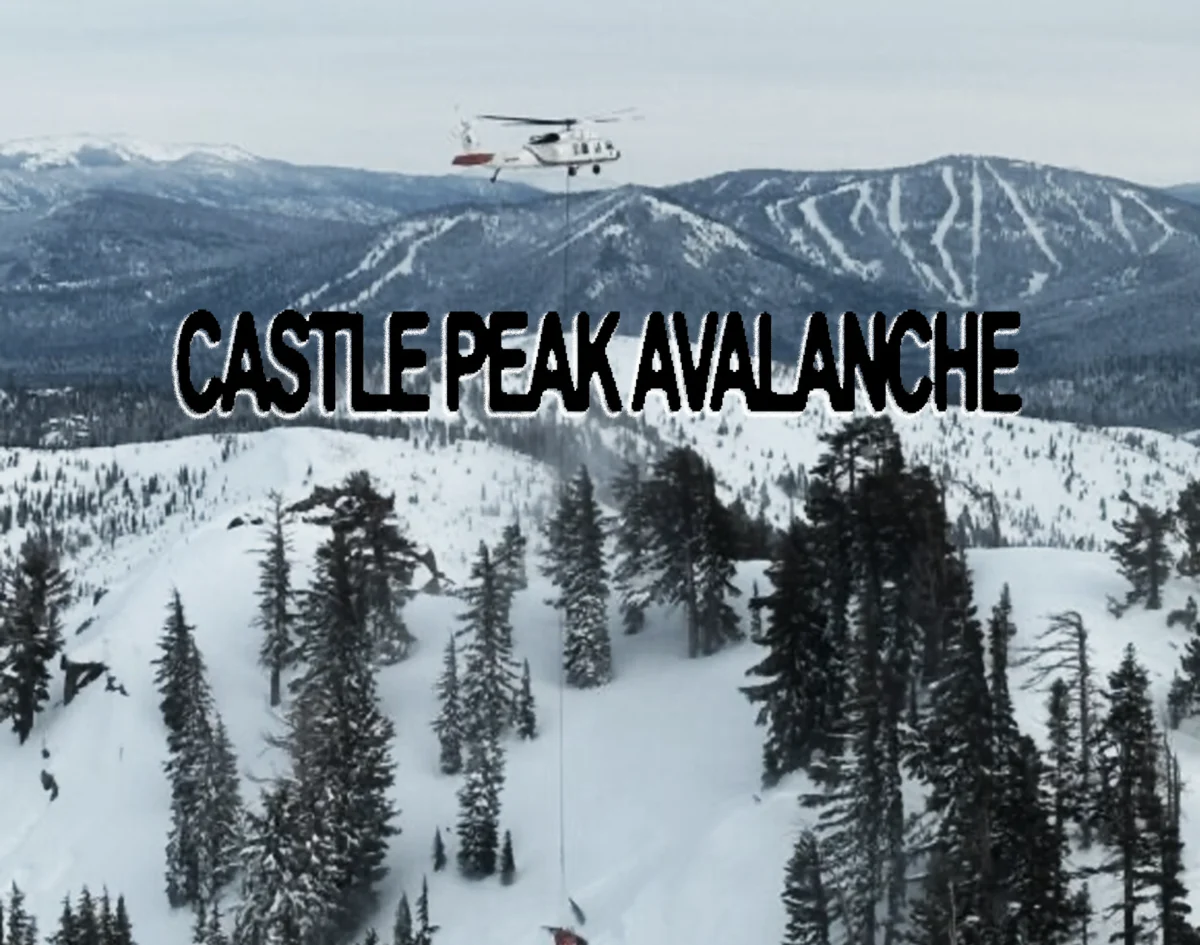
California’s workplace safety regulators have proposed a substantial $151,300 in penalties against Blackbird Mountain Guides, stemming from an investigation into the catastrophic avalanche on February 17th near Castle Peak. This avalanche, which claimed the lives of nine individuals, stands as the deadliest in California’s modern recorded history. The proposed penalties, detailed in seven citations issued by the Division of Occupational Safety and Health (Cal/OSHA) on August 12th and publicly disclosed on August 20th, represent the first formal regulatory findings against the Truckee-based guiding company. Blackbird Mountain Guides has since filed an appeal, asserting that the citations misrepresent their safety protocols and the inherent complexities of professional mountain guiding.
The Catastrophic Avalanche Event
The tragic incident unfolded during a three-day backcountry hut trip in the Frog Lake area of Tahoe National Forest. Fifteen participants, guided by Blackbird Mountain Guides, were caught in a major storm system that rapidly enveloped the Sierra Nevada. On the morning of February 17th, the Sierra Avalanche Center escalated the regional avalanche danger rating from "considerable" to "high." This elevated warning signifies a critical need to avoid travel in, near, or below avalanche-prone terrain due to the significant risk of a widespread avalanche event.
Despite the heightened danger, the group was in the process of exiting the area when an avalanche was triggered on Perry’s Peak, an 8,320-foot elevation peak situated near Castle Peak. The avalanche swept through the area, engulfing the group. Tragically, nine individuals lost their lives: three Blackbird guides—Andrew Alissandratos, Nicole Choo, and Michael Henry—along with six clients. Six other members of the group managed to survive, finding shelter and awaiting rescue for several hours amidst severe winter conditions. Autopsy reports from the Nevada County Coroner’s Office indicated that all nine victims succumbed to asphyxia. Notably, all victims were equipped with avalanche beacons, a critical piece of safety equipment designed to aid in location during rescue efforts.
Cal/OSHA’s Findings and Citations
Cal/OSHA’s investigation, by its nature, focused on the workplace safety aspect of the incident, specifically concerning the three guides who perished. The agency’s findings have resulted in the following citations and proposed penalties:

-
$81,000 Penalty for Failure to Implement Effective Hazard Procedures: The most significant citation alleges that Blackbird Mountain Guides failed to establish and implement effective procedures for managing escalating avalanche hazards. Investigators contend the company did not adequately ensure that exposed employees were removed from avalanche terrain when conditions warranted, nor did they possess robust procedures for responding to a "high" danger avalanche forecast. This suggests a critical lapse in risk management and proactive safety measures in the face of known and increasing environmental threats.
-
$16,200 Serious Violation for Inadequate Risk Assessment: A further serious violation, carrying a $16,200 penalty, accuses the company of failing to conduct a sufficient risk assessment for operating guided trips during periods of high avalanche danger. This citation specifically points to the decision to combine two separate groups into a single 15-person party for the exit, potentially increasing the overall exposure and complexity of managing the group under hazardous conditions.
-
Three Additional $16,200 Serious Violations for Equipment, Training, and Program Deficiencies: Three more serious violations, each with a proposed penalty of $16,200, highlight alleged shortcomings in several critical safety areas. These include:
- Avalanche Safety Equipment Assessment: The citations suggest a failure to adequately assess the suitability and readiness of avalanche safety equipment.
- Guide Training: There are allegations of deficiencies in the training provided to guides, potentially impacting their preparedness and decision-making capabilities.
- Written Safety Program: The company’s formal written safety program is cited as having inadequacies, implying a lack of comprehensive and effective safety protocols documented and disseminated.
The citations specifically mention equipment such as avalanche airbags and AvaLungs, devices designed to increase survivability in an avalanche burial.
-
$5,000 Penalty for Delayed Fatality Reporting: An additional $5,000 penalty was proposed for the alleged failure to report the deaths of the three guides to Cal/OSHA within the mandated eight-hour timeframe following the incident. Prompt reporting of fatalities is a crucial regulatory requirement designed to ensure timely investigation and prevention of future tragedies.
-
$500 Penalty for Lack of Heat Illness Prevention Plan: A minor penalty of $500 was levied for the absence of a written heat-illness prevention plan. While seemingly unrelated to the avalanche, this citation reflects a broader adherence to workplace safety regulations, indicating a potential oversight in comprehensive safety documentation across various environmental hazards.

Importantly, all seven cited violations were marked as "Corrected During Inspection." Cal/OSHA confirmed that the five serious violations had been abated by July 10th, indicating that corrective actions were taken by Blackbird Mountain Guides during the agency’s investigative process.
Blackbird Mountain Guides’ Response and Appeal
In response to the Cal/OSHA citations, Blackbird Mountain Guides has formally appealed the findings, issuing a statement that the citations "do not reflect the reality of our profession or the safety program we have built." The company maintains its operations were in full compliance with all applicable regulations and industry-established safety frameworks for mountain guiding.
Blackbird emphasized that all three guides who perished in the avalanche held certifications from the American Mountain Guides Association (AMGA), a respected professional organization that sets standards for guide training and certification. This point is intended to underscore the guides’ qualifications and expertise.
The company’s appeal statement also highlighted the dynamic and unpredictable nature of mountain environments: "Mountain guiding takes place in dynamic wilderness environments where conditions change minute to minute." This statement serves to contextualize the inherent risks associated with backcountry operations and suggests that even with robust safety protocols, unforeseen events can occur.
Broader Context and Ongoing Investigations
The Cal/OSHA citations are part of a larger, multi-faceted investigation into the Castle Peak avalanche. The incident has prompted significant scrutiny from various agencies due to its devastating human toll and the questions it raises about safety practices in the adventure tourism industry.

Independent Investigation: Prior to the Cal/OSHA findings, Blackbird Mountain Guides released a preliminary independent investigation conducted by avalanche professional Don Sharaf. This report suggested that the group was attempting to navigate to a pre-mapped exit route when an unexpected obstacle—an open creek—blocked their intended path to a lower-risk alternative. This detail offers a potential contributing factor to the sequence of events leading to the avalanche, suggesting that external environmental factors played a significant role.
Ongoing Criminal Investigations: The aftermath of the avalanche has also triggered criminal investigations by law enforcement agencies.
- Cal/OSHA Bureau of Investigations: This bureau is continuing its review of the guide deaths, with the possibility of a criminal referral to prosecutors if evidence of criminal negligence is found.
- Nevada County Sheriff’s Office: The Sheriff’s Office has completed its criminal investigation and has forwarded its findings to District Attorney Jesse Wilson for review and potential prosecution.
These ongoing investigations indicate a thorough examination of all aspects of the incident, extending beyond workplace safety compliance to potential criminal liability. The outcomes of these reviews remain pending and could have significant legal and ethical ramifications for the guiding company and potentially individuals involved.
Implications and Industry Considerations
The proposed penalties and the ongoing investigations carry significant implications for Blackbird Mountain Guides and the broader professional mountain guiding industry.
Accountability and Regulatory Oversight: The substantial fines proposed by Cal/OSHA underscore the regulatory bodies’ commitment to enforcing workplace safety standards, even in inherently high-risk environments like the backcountry. The agency’s focus on procedures, risk assessment, and equipment highlights the critical need for meticulous planning and execution in guiding operations.

The Nature of Risk in Professional Guiding: The case brings into sharp focus the inherent risks associated with professional mountain guiding. While guides are trained professionals, they operate in environments subject to unpredictable natural forces. The debate between adhering to strict protocols and acknowledging the fluid nature of wilderness conditions is a perpetual challenge for the industry. Blackbird’s appeal highlights this tension, suggesting that regulatory frameworks may not always fully capture the nuances of on-the-ground decision-making in dynamic situations.
Industry Standards and Best Practices: The certifications held by the Blackbird guides from the AMGA point to a baseline of professional competence. However, the Cal/OSHA citations suggest potential gaps even among certified professionals when confronted with extreme weather and avalanche conditions. This may prompt a re-evaluation of existing industry standards, training protocols, and the emphasis placed on specific risk management strategies during periods of heightened danger.
Public Trust and Safety: The deadliest avalanche in California’s modern history understandably erodes public confidence in the safety of guided wilderness excursions. The transparency and thoroughness of the ongoing investigations are crucial for rebuilding trust and ensuring that lessons learned from this tragedy contribute to enhanced safety measures across the industry.
The case of Blackbird Mountain Guides and the Castle Peak avalanche remains a somber reminder of the unforgiving nature of the mountains and the profound responsibility that rests with those who lead others into them. As the appeals process and criminal investigations continue, the full story and its lasting impact on the guiding community will continue to unfold. The focus remains on understanding the contributing factors, holding responsible parties accountable, and ultimately, preventing such a devastating loss of life from recurring.
