

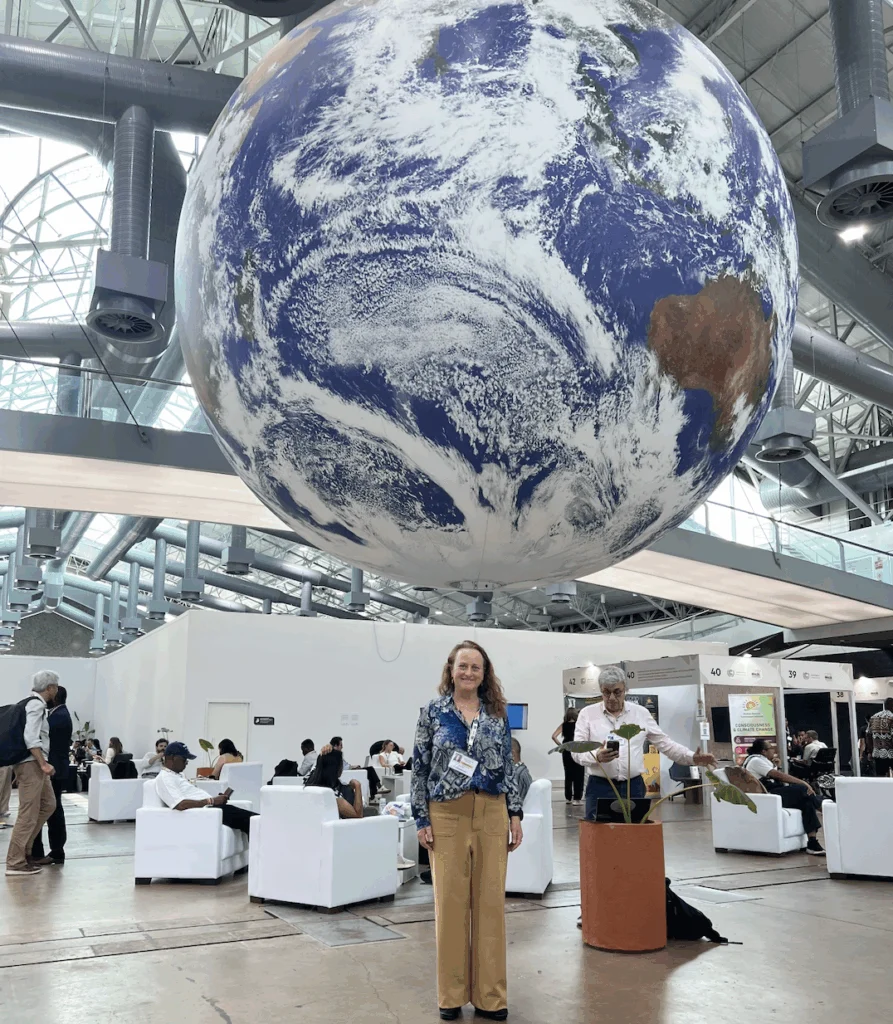
The 30th Annual United Nations Climate Change Conference, known as COP30, concluded its two-week summit in Belém, Brazil, leaving a complex legacy of grassroots ambition countered by persistent diplomatic hurdles. Held at the symbolic "gateway to the Amazon," the conference drew approximately 60,000 participants from nearly 200 nations. While the summit was characterized by intense energy and a surge in civil society participation, the final negotiated outcomes highlighted a widening gap between scientific necessity and geopolitical reality. Observers noted that while the hunger for climate action has never been more visible, the structural roadblocks—most notably the influence of fossil fuel interests and the absence of official U.S. federal leadership—prevented the breakthrough many had hoped for.
The summit took place from November 11 to November 28, a period marked by high-stakes negotiations within the "Blue Zone," the official UN-managed territory where diplomats and accredited observers gather. Beyond the formal halls, the city of Belém hosted the People’s Climate Summit and a massive Climate March, reflecting the local and global demand for environmental justice. However, the disconnect between the street-level urgency and the negotiation-room caution remained a central theme of the event.
Chronology of Negotiations and Subnational Leadership
The first week of COP30 was defined by a flurry of subnational activity, largely filling the vacuum left by the United States federal government. Under the current administration, Washington did not send an official negotiating delegation to Belém. This absence was felt acutely in the negotiation rooms, where U.S. diplomats have historically played a crucial role in brokering compromises between developed and developing nations. Former negotiators present in an unofficial capacity suggested that the lack of a formal U.S. presence made it significantly more difficult to drive consensus on ambitious mitigation targets.
Despite the federal absence, American influence persisted through a robust "subnational" presence. Governors, mayors, and local leaders from 26 U.S. states participated in the Local Leaders Forum in Rio de Janeiro immediately preceding the COP, before moving to Belém. California Governor Gavin Newsom emerged as a prominent figure during the first week, bypassing federal channels to sign methane reduction agreements with Colombia and electric vehicle (EV) expansion pacts with Nigeria. Organizations such as "America Is All In" and the U.S. Climate Alliance, which represent a significant portion of the U.S. economy and emissions profile, maintained a presence to signal to the international community that American climate action continues at the state and local levels.
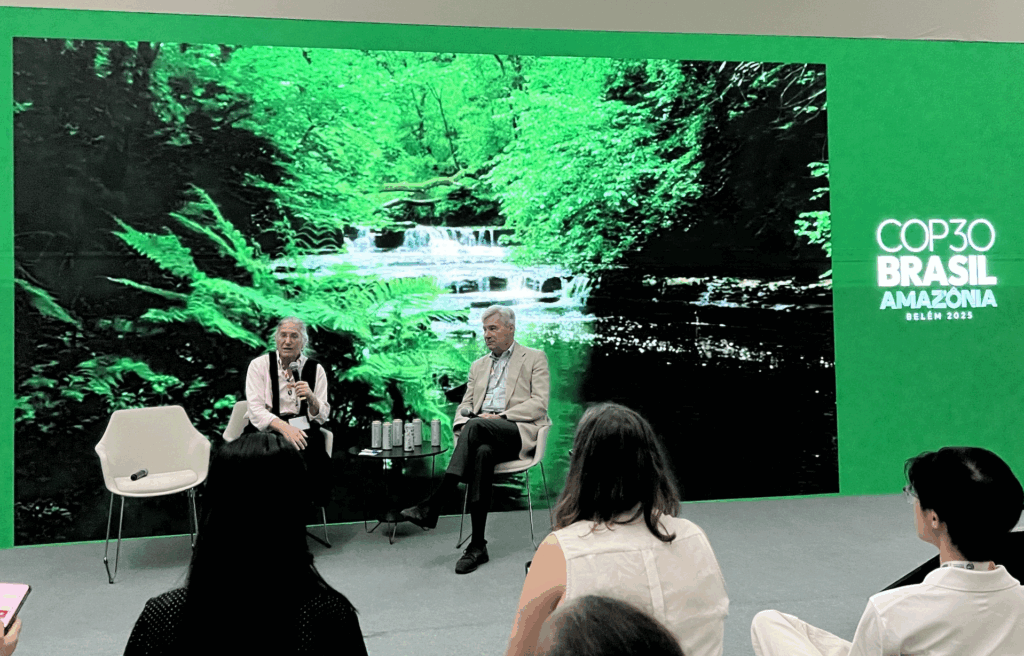
By the second week, the focus shifted to the technicalities of the final text. Senator Sheldon Whitehouse of Rhode Island, the sole member of the U.S. Congress in attendance, addressed participants with a stark assessment of the political landscape. He argued that the global pathway to climate safety is being obstructed by the fossil fuel industry’s ability to "pollute for free," describing the current partisan divide on climate as an "artificial state" manufactured by industry spending.
Indigenous Representation and the Power Imbalance
A primary objective of the Brazilian presidency for COP30 was to elevate the voices of Indigenous peoples, who are recognized as one of the nine official constituency groups under the United Nations Framework Convention on Climate Change (UNFCCC). Statistically, the effort saw success: the number of Indigenous delegates in the Blue Zone rose to 900, a significant increase from the 300 recorded at the previous year’s summit.
However, advocates argued that increased visibility did not equate to an increase in decision-making power. Indigenous leaders led several high-profile demonstrations, including an instance where protesters breached security to enter the summit venue, and others where peaceful blockades restricted access to emphasize their demands. These groups called for the legal recognition of their ancestral lands and for their traditional knowledge to be formally integrated into national climate targets (Nationally Determined Contributions, or NDCs).
The disparity in influence was underscored by data revealing that fossil fuel lobbyists in the Blue Zone outnumbered Indigenous delegates by more than two to one. This tension was further exacerbated by domestic policy moves from the host nation; Brazil faced criticism for moving forward with new exploratory oil drilling projects just as the conference began, highlighting the "petrostate" dilemma that often plagues climate summits.

The Role of Civil Society and the "RINGO" Community
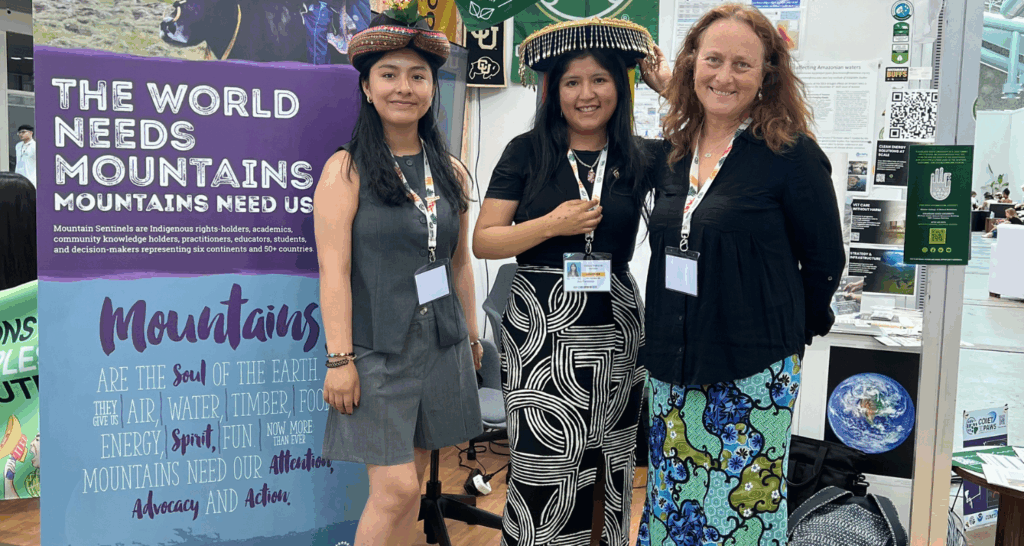
While official negotiations often stalled, the Research and Independent Non-Governmental Organizations (RINGO) community provided a hub for scientific and cultural exchange. Academic institutions, including Colorado State University and the University of Colorado Boulder, teamed up with international NGOs like the Peru-based Instituto de Montaña and the Mountain Sentinels Alliance. These groups hosted exhibits and side events focused on the specific vulnerabilities of mountain ecosystems and the communities that depend on them.
One notable presence was Saúl Luciano Lliuya, a Peruvian farmer whose landmark lawsuit against the German energy giant RWE has become a cornerstone of global climate litigation. Lliuya participated in actions led by Greenpeace, utilizing interactive exhibits to demonstrate the tangible damage caused by glacial melt and to demand that major polluters pay for the "loss and damage" incurred by vulnerable populations.
Despite the collaborative spirit, participants noted that structural inequities remained. Even with funding and accreditation, many delegates from the Global South faced insurmountable barriers. Challenges included the inability to secure transit visas—such as a participant from Cameroon who was unable to attend—and language barriers, as much of the official programming remained exclusively in English, marginalizing Quechua and Spanish speakers from the Andean regions.
Data and the Scientific Mandate: The 1.5°C Threshold
The scientific backdrop of COP30 was one of increasing alarm. The central goal of the summit was to establish a roadmap for limiting global warming to 1.5°C above pre-industrial levels by 2035. According to data from the United Nations Environment Programme (UNEP), achieving this target requires a 55% reduction in current global greenhouse gas emissions within the next decade.
Negotiators from over 80 countries pushed for the final document to include an explicit commitment to "phase out" or "transition away" from fossil fuels. However, this language was met with fierce resistance from a coalition of petrostates and emerging economies concerned about energy security and economic development. In a result that many scientists and activists described as a major failure, the final negotiated text did not mention the words "fossil fuels" at all.
This omission is particularly significant given that 2024 and 2025 have seen record-breaking global temperatures and an increase in extreme weather events. Experts noted that while the document reaffirmed the 1.5°C target, it failed to provide the specific policy mechanisms necessary to reach it.
Analysis of Implications and Forward Motion
Despite the lack of a breakthrough on fossil fuel language, COP30 did yield several incremental wins that observers believe will support future progress:
- Methane Mitigation: The expansion of subnational and bilateral agreements on methane—a greenhouse gas far more potent than carbon dioxide in the short term—provides a template for rapid emission reductions outside of the main UN text.
- Loss and Damage Operationalization: Further progress was made in defining the mechanisms for the Loss and Damage Fund, intended to provide financial assistance to nations most impacted by climate disasters.
- Cross-Cultural Alliance Building: The summit facilitated new networks between researchers and negotiators. For instance, representatives from mountain nations like Kazakhstan and Peru strengthened ties to ensure that the "mountain agenda" remains a priority in the UNFCCC process.
The conclusion of COP30 serves as a reminder of the "Everyone, everywhere, all at once" philosophy often cited by climate diplomats. The shift toward subnational leadership in the U.S. suggests a decentralization of climate policy that may prove more resilient to federal political shifts, though it lacks the scale of a unified national strategy.
As the international community looks toward COP31, the lessons from Belém are clear: the technical and scientific solutions for the climate crisis are well-understood, but the political will to confront the primary drivers of warming remains hampered by economic interests. For the "Outdoor State" and climate-vulnerable communities worldwide, the results of COP30 offer a mix of frustration and a renewed mandate for local and regional action. The absence of fossil fuel language in the final document is viewed by many as a setback, yet the unprecedented mobilization of civil society and Indigenous leaders suggests that the pressure for a transition is becoming an unstoppable global force, regardless of the slow pace of official diplomacy.
