

Liz Sheppard stands as a distinguished figure in the snowsports and outdoor education communities, embodying a career marked by relentless dedication, innovative teaching methodologies, and a profound commitment to nurturing human potential. As a certified Level III snowboard instructor with a Children’s Specialist 2 credential and a respected member of the Western Region Education Staff, Sheppard has carved a unique path through decades of instruction at Northstar California Resort in Truckee, California, while simultaneously championing outdoor education in academic settings. Her journey reflects not only personal achievement but also the evolving landscape of professional snowsports instruction and the increasing recognition of experiential learning.
A Career Forged on the Slopes: Path to Snowsports Certification and Innovation
Sheppard’s entry into snowsports instruction was driven by a dual passion: a desire to work with children and a commitment to refining her own snowboarding skills. Her professional ascent began swiftly at Northstar, where she achieved her Level I and Level II certifications within her first two seasons. The subsequent year saw her earn the Children’s Specialist 2 credential, a testament to her aptitude for teaching younger learners, and embark on training for her Level III. This early progression highlights the rigorous standards set by organizations such as the Professional Ski Instructors of America and American Association of Snowboard Instructors (PSIA-AASI), which certify tens of thousands of instructors annually, ensuring high-quality instruction and safety across North American resorts.
A significant chapter in Sheppard’s career unfolded during a three-year period, often described as an "endless winter," spent teaching at both Cardrona in New Zealand and Northstar. This unique bi-hemispheric experience, shared with her husband, Luke Sheppard, provided invaluable exposure to diverse teaching philosophies and a global perspective on snowsports education. Interactions with trainers from the New Zealand Snowsports Instructors Alliance (NZSIA), a highly regarded international certification body, enriched her pedagogical approach. It was during this period that she successfully attained her Level III certification, a pinnacle achievement signifying expert-level riding, teaching, and professional knowledge. The Level III certification typically requires years of experience, advanced technical skill, and a deep understanding of snowsports theory and practice, making Sheppard’s rapid advancement particularly notable.
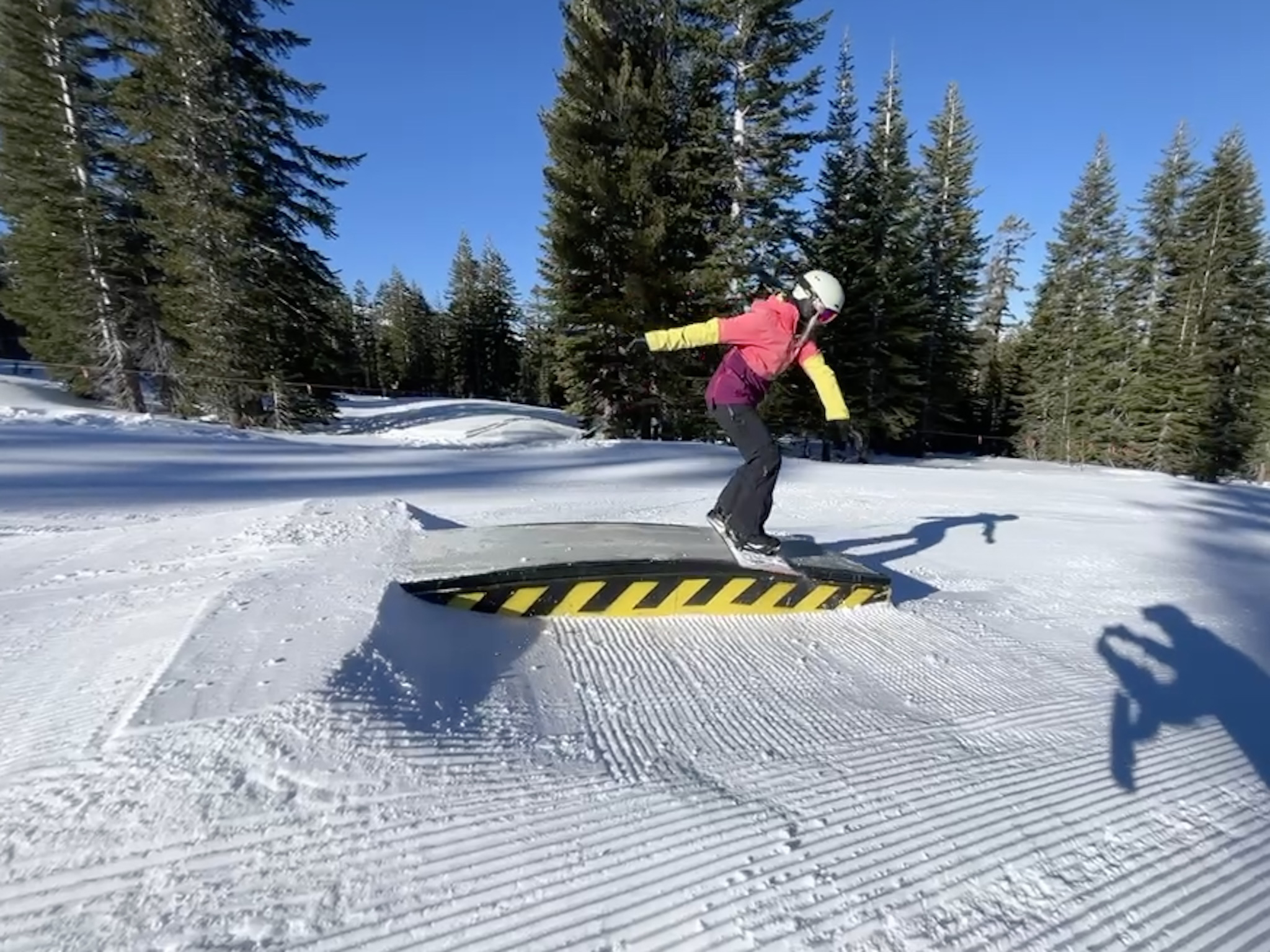
Upon achieving Level III, Sheppard began training staff at both Northstar and Cardrona, transitioning into a leadership role that allowed her to shape the skills of emerging instructors. A particularly groundbreaking initiative during this era was her involvement in building the first Burton Academy at Northstar. This endeavor represented a significant leap forward in snowboard education, focusing on "terrain-based teaching and learning." This innovative methodology leverages purpose-built snow features—such as rollers, berms, and mini-pipes—to naturally guide students through fundamental movements, making learning more intuitive, engaging, and less intimidating than traditional flat-slope instruction. The Burton Academy’s pioneering approach, which Sheppard helped develop, revolutionized how many resorts introduced beginners to snowboarding, proving instrumental in increasing participant retention and skill acquisition. This period was characterized by a spirit of creativity and motivation, placing Sheppard at the forefront of educational innovation within the industry.
Following her marriage, Sheppard temporarily stepped back from full-time instruction to focus on starting a family, embracing the role of a mother while maintaining a part-time position as a trainer. This common career pause for women in demanding professions often presents challenges to returning to high-level roles. However, Sheppard’s eventual return to pursuing her snowboard trainer certification, several years later, was met with renewed determination. Her journey back underscored a powerful lesson in resilience and the pursuit of long-term goals, regardless of detours. The experience of balancing family life with professional aspirations, navigating self-doubt, and rebuilding momentum provided her with invaluable insights into mental conditioning and personal growth, which she now integrates into her teaching philosophy. Successfully passing her trainer assessment was not merely a professional milestone but a profound personal affirmation, reinforcing the idea that the path to achieving goals is as significant as the achievement itself.
Bridging the Classroom and the Mountain: A Passion for Children’s Education
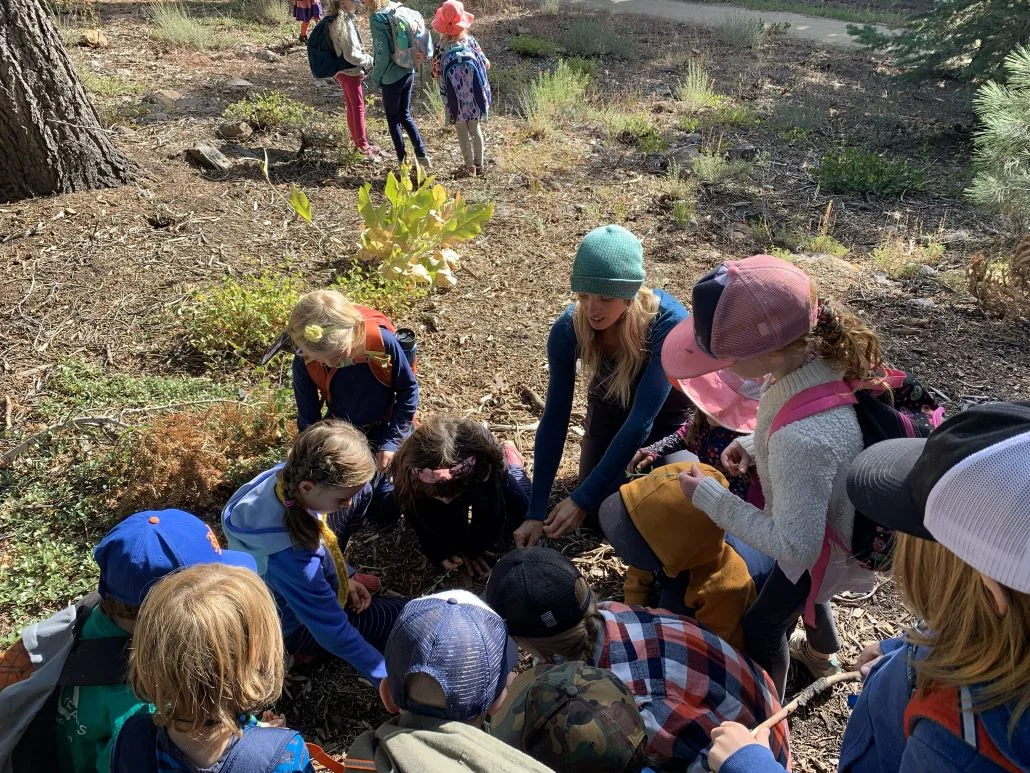
Sheppard’s profound passion for teaching children transcends the boundaries of the ski resort, extending into formal academic settings. She is a dedicated middle school science teacher at Tahoe Expedition Academy and was instrumental in developing an outdoor education program for the Waldorf School in Truckee, where she also formerly served as president of the board for Friends of Tahoe Truckee Waldorf. This dual role on the mountain and in the classroom provides a unique perspective on child development and learning.
Her philosophy is rooted in the belief that children are inherently "honest, curious, freehearted, and fun-loving." Whether instructing on a snowboard or explaining scientific concepts, Sheppard emphasizes the importance of imparting not just "hard skills" but also fundamental human values. She encourages instructors and educators to consider, "What will you show them, teach them, model for them – not just the hard skills you’re teaching them, but how to be a kind and meaningful human?" This holistic approach to education aims to cultivate well-rounded individuals who are both skilled and empathetic.
A cornerstone of her teaching methodology, irrespective of age, is the empowerment of students. Sheppard consistently strives to remind individuals of their inherent potential, often exceeding their own self-perceptions. This potential, she notes, can sometimes be readily apparent, while at other times it requires diligent cultivation and nurturing. Her work, whether guiding a child down a snowy slope or through a complex scientific experiment, is driven by the conviction that education is fundamentally about fostering curiosity, instilling a love for learning, and demonstrating an individual’s boundless capabilities. This pedagogical alignment between her snowsports and academic roles underscores a consistent dedication to unlocking and maximizing human potential, making her a true educator in the broadest sense.
Two Decades at Northstar: Community, Connection, and Continued Innovation
Sheppard’s remarkable 23-year tenure at Northstar California Resort is a testament to her enduring commitment and the supportive environment she found there. Beyond meeting her husband, Luke, the most rewarding aspect of her time at Northstar was her pivotal role in developing the Burton Academy. This initiative, built upon principles of community and connection, fostered an environment of creativity and exploration. The Academy’s focus on innovative progressions and the use of built terrain for movement-based learning resonated deeply with Sheppard’s educational philosophy.
The early years of the Burton Academy were characterized by a tight-knit crew of instructors, all passionate about snowboarding, teaching, and delivering exceptional guest service. This collaborative spirit not only enhanced the learning experience for students but also cultivated a strong professional community. It is perhaps no surprise that many members of this original crew went on to serve on the Western Region Education Team, mirroring Sheppard’s own trajectory. This era at Northstar is remembered as a "great moment in time," highlighting the impact of shared vision and collective dedication. Northstar, as a prominent resort in the Tahoe area, has historically been a hub for such innovations, often attracting top talent and fostering progressive programs within the snowsports industry.
Leadership on the Western Region Education Staff: Paving the Way for Female Instructors
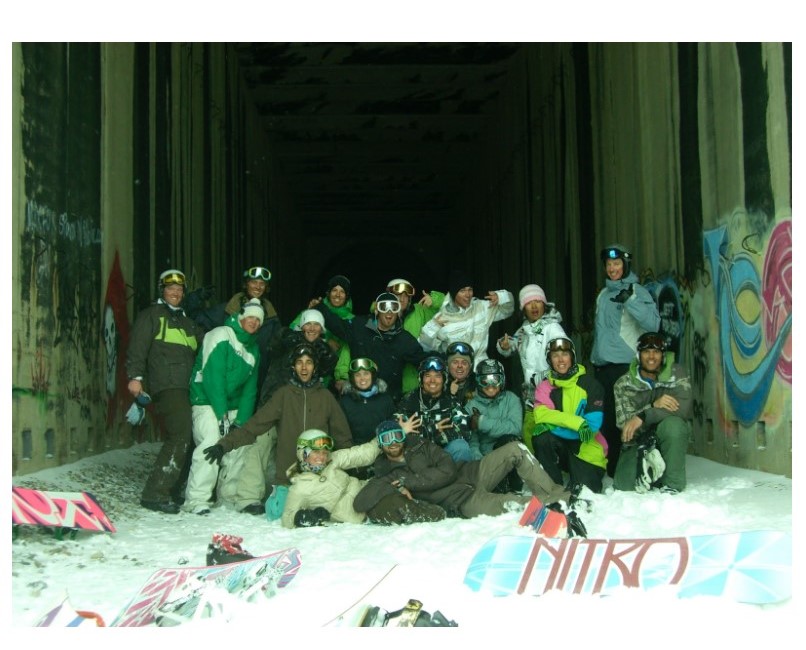
Sheppard’s role on the Western Region Education Staff represents a significant contribution to the broader snowsports industry. This team is responsible for training and certifying instructors, upholding the rigorous standards of PSIA-AASI, and fostering professional development. Her experience within this team has been overwhelmingly positive, characterized by a strong sense of camaraderie and mutual support among colleagues who have, in many cases, grown up professionally together. This network has been crucial in her personal and professional journey, reinforcing the value of mentorship and peer support in a demanding field.
As an education staff member, Sheppard embraces the opportunity to share her extensive knowledge and guide aspiring instructors through their PSIA-AASI certification pathways. Recognizing the profound impact her own female trainers and examiners had on her career, she views her current role as a vital opportunity to "give back" and serve as a powerful example for other female instructors. The Western Education Team, notably, boasts a "powerhouse of female examiners," actively promoting female presence and talent within the industry. This collective effort is crucial for fostering diversity and inclusion, ensuring that women see clear pathways to leadership and high-level instructional roles in a field historically dominated by men. Organizations like PSIA-AASI are increasingly prioritizing initiatives to support and elevate female instructors, recognizing the value of diverse perspectives in teaching and leadership.
Sheppard identifies several invaluable lessons gleaned throughout her PSIA-AASI journey, applicable far beyond the slopes:
- Adaptability: The inability to control external factors like weather underscores the importance of flexible planning.
- Communication Skills: The necessity of connecting with diverse individuals, finding common ground, and effective communication.
- Problem-Solving: The ability to assess unknown situations, formulate a plan, and tailor instruction to immediate needs.
- Responsive Teaching: Using student feedback to dynamically adjust lesson direction.
- Resilience: The willingness to adapt plans when initial approaches prove ineffective.
- Differentiation: The skill of simultaneously addressing multiple learning levels within a single lesson.
These skills are not merely technical competencies but represent a sophisticated understanding of human interaction, learning psychology, and adaptive leadership—qualities that distinguish top-tier educators in any field.
From Wilderness to Classroom: A Deep-Seated Passion for Outdoor Education
Sheppard’s profound connection to the outdoors originated in her childhood, nurtured by experiences in the Georgia mountains and extended periods on wild land bordering a lake in Maine. These formative years, spent building forts, enduring varied weather conditions, and engaging directly with natural environments, instilled a deep sense of connection to the earth and an appreciation for the extraordinary beauty of the natural world, free from material distractions.
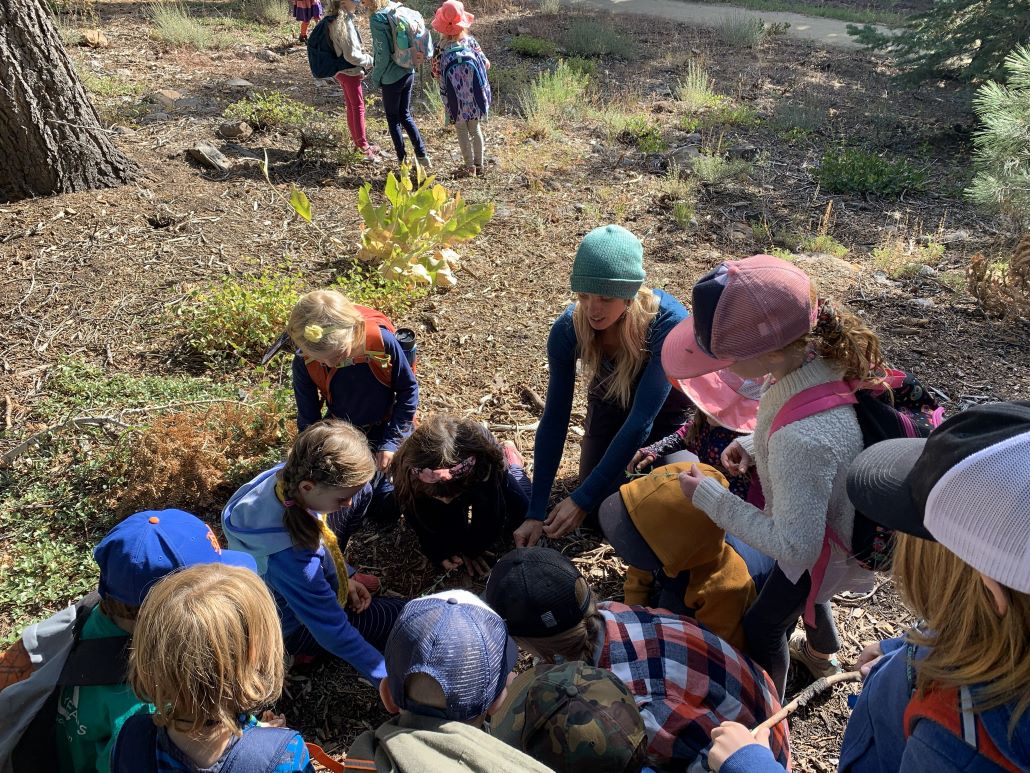
Her passion evolved into a career through participation in outdoor mountaineering programs during high school, including a National Outdoor Leadership School (NOLS) program and an Adventures Cross Country program. NOLS, a renowned outdoor education institution, has trained thousands in wilderness skills and leadership since its inception in 1965, emphasizing self-reliance and environmental ethics. These experiences, coupled with her travels and studies abroad in Costa Rica and Chile, solidified her conviction that a traditional office or laboratory setting was not her calling. The allure of "feeling the wind on your face" led her to pursue outdoor education as a logical career progression.
After college, Sheppard joined Naturalists at Large, an organization dedicated to exposing students to the outdoors through experiential learning trips, primarily in California. This role provided broad exposure to diverse natural environments and collaborative opportunities with knowledgeable outdoor educators. Concurrently, her work with Adventures Cross Country involved leading three-week expeditions for small groups of students, focusing on activities like backpacking, paddling, climbing, and snow travel in locations ranging from Costa Rica to British Columbia and Alaska. These immersive trips, while impacting fewer children, fostered deeper connections, many of which endure decades later.
Both programs underscored the unique and powerful impact of shared experiences in nature, which often involve challenges, beauty, adventure, and cooperation. Such experiences are known to stimulate cognitive, physical, sensory, and emotional development, creating lasting memories and profound personal growth. Research consistently highlights the myriad benefits of outdoor education, including improved academic performance, enhanced problem-solving skills, increased self-esteem, reduced stress, and a greater appreciation for environmental stewardship.
Sheppard’s early career choices were somewhat unconventional. She frequently encountered the question, "When are you going to get a real job?" This sentiment reflected a societal perception at the time that outdoor education was not a legitimate or sustainable profession. However, over the past 25 years, the outdoor education industry has experienced significant growth and expansion, gaining widespread recognition for its pedagogical value and societal contributions. What were once considered "unreal jobs" are now highly valued professions, underscoring a societal shift towards prioritizing outdoor engagement and experiential learning. Sheppard’s journey is a testament to the foresight of those who pursued this path and the enduring importance of connecting individuals, especially children, with the natural world.
Liz Sheppard’s career trajectory is a compelling narrative of sustained passion, professional excellence, and profound impact. From her innovative contributions to snowsports instruction at Northstar and her leadership within the Western Region Education Staff to her unwavering advocacy for outdoor education, she stands as a beacon for aspiring educators and a testament to the transformative power of experiential learning. Her legacy is not merely in the skills she imparts but in the curiosity, resilience, and appreciation for the human and natural world that she cultivates in every student she encounters.
