

A Celebration of Resilience on the Slopes
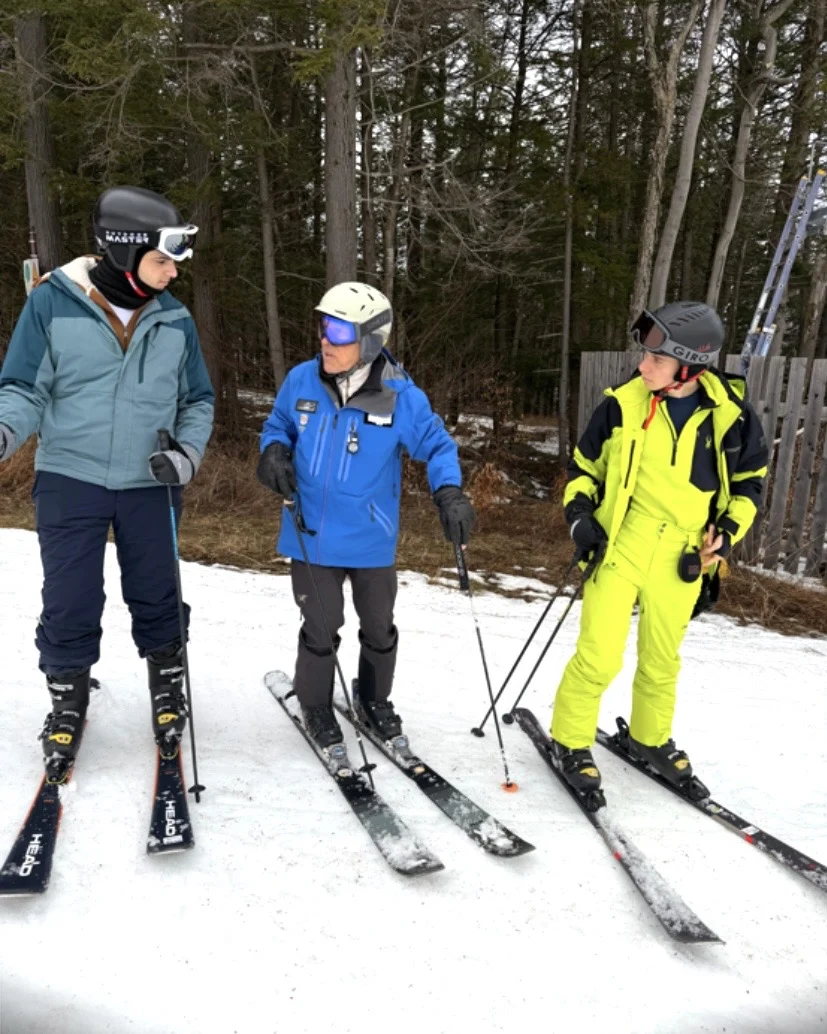
The scene on West Side Glide, an intermediate trail winding gracefully among the snow-laden pines and hemlocks, became a spontaneous celebration of Perlberger’s remarkable life and unwavering spirit. Leslie Surprenant, an Alpine Level II instructor and Children’s Specialist 1 at Hunter Mountain, who was coaching a weekly women’s clinic, introduced Perlberger to her group. "When I grow up, I want to be Ralph," David Raindorf, a longtime friend and colleague, once remarked, encapsulating the sentiment shared by many within the Hunter Mountain community. Steve Cohen echoed this admiration, calling Perlberger his "idol." Their collective voices, muffled by frozen face masks, joined in a heartfelt rendition of "Happy Birthday." Perlberger, grinning despite the cold, thanked them before expertly leading the way down the trail.
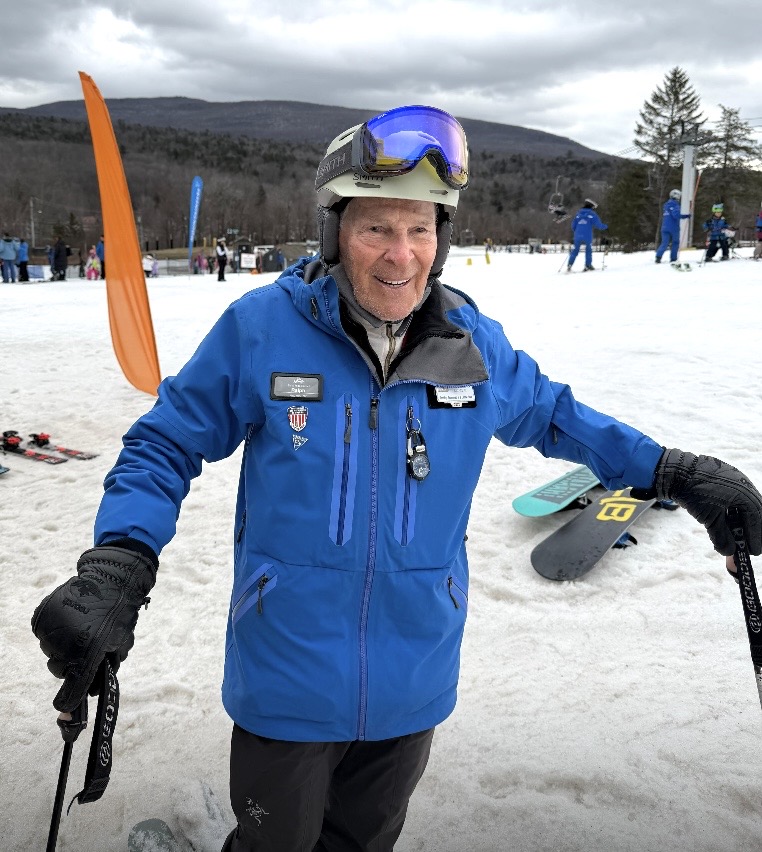
Victoria Mercado, the Senior Manager of Hunter Mountain’s Ski and Ride School, articulated the profound impact Perlberger has on the institution and its people. "Ralph is an inspiration," Mercado stated. "He’s not only skiing, but teaching! Skiing and riding keep you young. When I watch Ralph ski, I can’t believe he’s 95. His energy, skill, and passion on the mountain defy his age. It’s an absolute pleasure to work alongside him." His dedication is particularly notable given the demographic trends in winter sports; while the overall ski and snowboard participation has remained relatively stable, with an estimated 60.7 million skier visits in the 2022-2023 season, the percentage of participants over 55 is a growing but still smaller segment, highlighting Perlberger’s unique position as an active instructor at 95. Hunter Mountain, a venerable resort in the Catskill Mountains of New York, prides itself on its vibrant ski school, which caters to thousands of learners each season, from beginners to advanced enthusiasts. Perlberger’s presence is a living embodiment of the joy and longevity that skiing can offer.
A Childhood Shaped by the Holocaust
Perlberger’s journey to becoming a beloved ski instructor is intertwined with a profound and harrowing chapter of 20th-century history. Born in Amsterdam, Netherlands, his family’s life took a drastic turn in 1940. His father, foreseeing the escalating dangers, departed for New York City to arrange for the family’s immigration. He arrived on May 10, 1940, the very day Nazi forces launched their invasion of the Netherlands, severing immediate hope of safe passage for his family.
The subsequent year brought unspeakable horrors. In 1941, nine-year-old Ralph, his mother, and his two older brothers were forcibly removed from their home in Amsterdam. Their first stop was Westerbork transit camp in the northeastern Netherlands, a site that served as a collection point for Jews, Roma, and other persecuted groups before their deportation to extermination camps. Westerbork, initially a refugee camp for Jews fleeing Germany, was transformed by the Nazis into a "waiting room to hell." Conditions were harsh, but the true terror lay in the weekly transports eastward. In February 1944, the Perlberger family was crammed into a railroad cattle car, destined for the Bergen-Belsen concentration camp in Germany. Bergen-Belsen, while not primarily an extermination camp like Auschwitz, became infamous for its horrific conditions, rampant disease, and starvation, particularly in the war’s final months. Typhus and typhoid fever epidemics swept through the camp, claiming countless lives, including Anne Frank’s.
Despite the unimaginable suffering and the pervasive threat of death, Ralph harbored an unwavering certainty that he and his family would survive. He attributes this remarkable confidence, security, and hope to the steadfast love and resilience instilled in him by his parents. In a testament to childhood innocence and the human capacity for hope, he even imagined that, once the war concluded, he would have an extraordinary story to recount to his friends. This innate optimism, forged in the crucible of despair, would later define his approach to life and sport.
During these years, Ralph’s father in New York City endured an agonizing period of uncertainty, unaware if his family had survived the Nazi terror. At the war’s end, a glimmer of hope emerged: he learned they were alive and located in the Russian-occupied village of Tröbitz, Germany. Their arrival there was the culmination of a nightmarish journey aboard the "Lost Transport," one of three trains on which the Nazis, in a desperate and cynical ploy, sent approximately 7,500 Jewish prisoners, intending to exchange them for German prisoners of war. The "Lost Transport" embarked on a torturous two-week odyssey across war-torn Germany, its route constantly interrupted and rerouted due to destroyed tracks and the advance of Allied forces. It never reached its intended destination, finally coming to a halt on a destroyed bridge over the Elster River, just outside Tröbitz. On April 23, 1945, Russian troops liberated the train’s emaciated and gravely ill prisoners. Hundreds had perished from typhus and hunger during the agonizing journey. For five months, while the family’s visa applications to the United States were processed, Ralph’s father provided vital support, sending Red Cross packages filled with food and hygiene products, a lifeline in their recovery. In February 1946, Ralph, his two brothers, and his mother finally immigrated to the United States, making their new home in New York City. Ralph quickly adapted, learning English and excelling in school, while his father painstakingly rebuilt the bonds with his family, shattered by years of separation and trauma.
From Academic Pursuit to Alpine Passion
Ralph Perlberger’s love affair with skiing began far from the war-ravaged landscapes of Europe, during a winter break while he was studying economics at Stanford University. His father, perhaps seeking to provide experiences denied during their years of hardship, sent Ralph and his two older brothers to the iconic Sun Valley, Idaho. It was there, amidst the pristine slopes and crisp mountain air, that Perlberger was irrevocably "hooked." This nascent passion for skiing continued to thrive even as he pursued a rigorous academic path, earning his law degree at Harvard University. For decades, skiing remained a cherished pursuit, taking him to renowned resorts across the globe, including Taos in New Mexico, various destinations in Europe, and, eventually, Hunter Mountain.
The transition from passionate recreational skier to professional instructor occurred serendipitously in 2002. Perlberger, already an experienced skier with a lifetime of lessons under his belt, noticed an advertisement: for just $85, he could participate in a weekend of instructor training and candidate selection at Hunter. If selected, a second weekend of training and final selection would be free. He was among those chosen to become instructors, a testament to his innate ability and dedication, yet he humbly recognized that he still had a vast amount to learn about the intricacies of teaching the sport.
Today, Perlberger stands as a PSIA Level II Alpine instructor, a certification that signifies a high level of skiing proficiency, teaching ability, and professional knowledge within the industry. Achieving Level II requires demonstrating advanced skiing skills, a deep understanding of snow sports fundamentals, and the ability to effectively teach intermediate to advanced students. It involves rigorous on-snow evaluations and written exams, reflecting a significant commitment to professional development. Perlberger credits some of his most valuable instruction to fellow ski instructor and PSIA Alpine examiner Charlie Knopp, whose succinct advice – "Lift your inside hip!" – proved to be a pivotal insight into refining his technique and, by extension, his teaching methodology. This continuous pursuit of improvement, even after decades of skiing, underscores his enduring dedication to the sport.
The Art of Teaching: Patience, Precision, and Passion
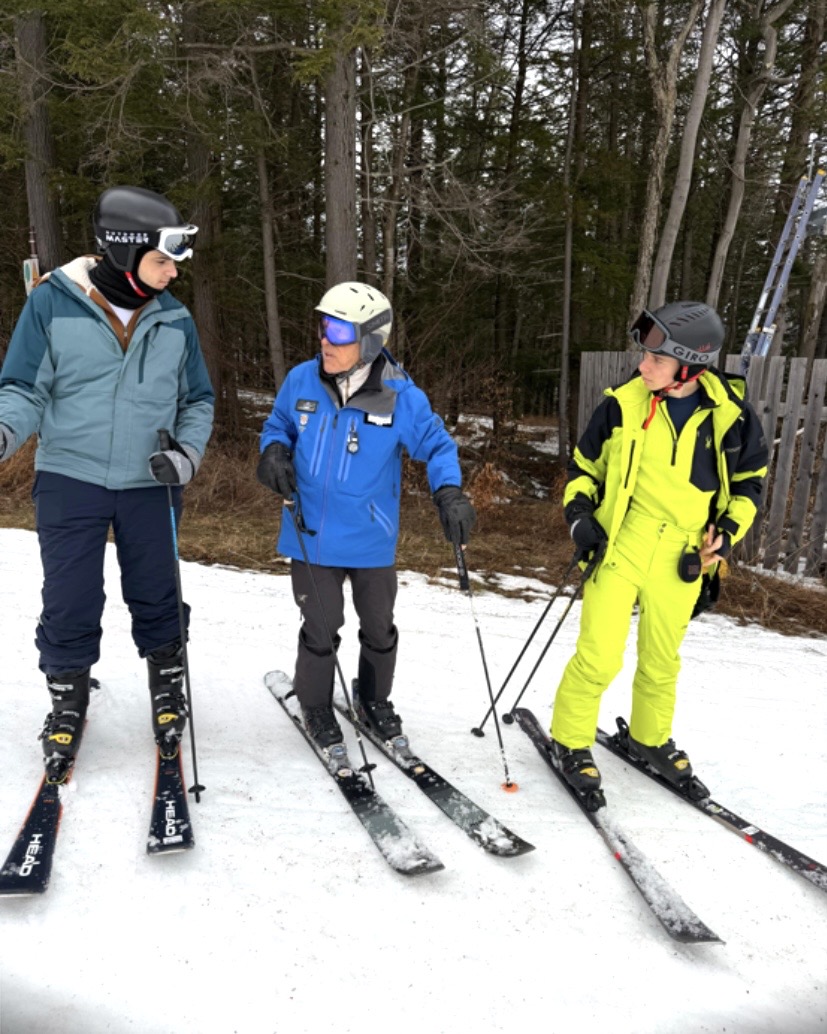
Ralph Perlberger is not just an instructor; he is a revered mentor within the Hunter Mountain ski and ride school community. His colleagues express profound awe and appreciation for his impact. Luca Arrigoni, a member of the Eastern Alpine Development Team, shared a particularly touching anecdote: "Ralph has a special place in my heart. I shadowed him as a new instructor and was inspired by his patient, gentle, and knowledgeable way with beginners. He still proudly wears the Hunter uniform, which shows his love for, and dedication to, the sport and teaching." This sentiment is widely shared, as Perlberger embodies the spirit of professionalism and lifelong learning that the PSIA champions. The PSIA, along with its sister organization AASI (American Association of Snowboard Instructors), sets the national standards for snow sports instruction in the United States, fostering a culture of excellence and continuous improvement among its over 32,000 members.
Perlberger particularly enjoys the challenge of coaching adult intermediate skiers, a segment often characterized by entrenched habits and a lack of fundamental understanding. When he asks these students how they make their skis turn, a common response is, "I don’t know. I just turn." Perlberger’s keen eye often identifies a prevalent issue: many intermediates rely on leg rotation on flat skis, rather than engaging proper edge control and weight transfer. He diagnoses that many such skiers lack the foundational principles of maintaining their center of mass (CM) over their base of support (stance), effectively directing pressure to their outside skis, and controlling precise edge angles throughout the turn.
His teaching approach is methodical and sensory-focused. He coaches skiers to consciously feel their shins against the tongue of their boots during all phases of a turn, promoting an active and forward stance crucial for control and power. When he observes skiers leaning back – a common habit that leads to fatigue and loss of control – he instructs them to stop and notice the sensation in their quadriceps. Most report their quads feeling "tired" or "burning," a clear indicator of inefficient body mechanics. He then redirects them to notice their body’s relationship to their feet, gently reminding them to maintain that critical shin-to-boot contact. This practical, experiential feedback helps students connect theoretical concepts to physical sensations, leading to tangible improvements. In the end, Perlberger reports, every student improves, has fun, and expresses gratitude for his patient and insightful guidance. His methods resonate with the core principles of modern ski instruction, which emphasize biomechanics and kinesthetic awareness to foster efficient and enjoyable skiing.
Broader Implications: A Legacy of Active Aging and Perseverance
Ralph Perlberger’s extraordinary life and continued dedication to skiing offer profound implications for discussions around active aging, perseverance, and the enduring power of the human spirit. His presence on the slopes, actively teaching at 95, stands as a powerful counter-narrative to the conventional wisdom of slowing down in old age. Medical science increasingly supports the benefits of sustained physical activity for longevity and quality of life. Regular exercise, such as skiing, contributes to cardiovascular health, maintains muscle mass and bone density, improves balance and coordination (crucial for preventing falls), and provides significant cognitive and mental health benefits. Studies have shown that older adults who remain physically active tend to have a lower incidence of chronic diseases, better cognitive function, and higher overall life satisfaction. Perlberger is a living testament to these findings.
His advice to the youngest instructors at Hunter Mountain, whose ages span eight decades from his own, is simple yet profound: "Keep at it and don’t give up! Don’t let anything stop you. Ski in all conditions and all weather." This philosophy, undoubtedly forged in the crucible of his early life experiences, transcends the realm of skiing and offers a universal lesson in resilience. His story serves as a beacon of hope and inspiration for individuals of all ages, demonstrating that passion, purpose, and physical activity can extend well into advanced years.
Perlberger recently completed his 24th season of instructing, with no plans of retiring from the sport he loves. He often muses, "Maybe someone above is watching over me," acknowledging the remarkable twists and turns of his life. He also draws inspiration from the legendary Baseball Hall of Famer Satchel Paige, who famously advised, "Don’t look back; something might be gaining on you." For the countless skiers who frequent Hunter Mountain, that "something" might very well be Ralph Perlberger – a nonagenarian instructor, Holocaust survivor, and an enduring symbol of grit, grace, and an unyielding zest for life, still carving turns and shaping lives on the slopes he calls home. His legacy will continue to inspire generations, both within the ski community and far beyond, reminding us all of the boundless potential of the human spirit.
