

The air at Daisy Chain Fields crackled with an electric energy, palpable within minutes of arriving, a testament to the "amazing vibes" that permeated the festival grounds. Despite temperatures soaring well above 103 degrees Fahrenheit, thousands of attendees, clad in vibrant festival regalia, reveled in the spirit of the event. Daisy Chain, conceived and headlined by global pop sensation Olivia Rodrigo, is more than just a music festival; it’s a powerful platform for philanthropy and female empowerment. The festival proudly announced a significant charitable contribution, with proceeds totaling an impressive $10 million, which was then matched dollar-for-dollar by Melissa French Gates, doubling the impact to a remarkable $20 million. This substantial sum is designated for distribution among ten non-profit organizations dedicated to supporting women and girls. The festival’s commitment to its mission was further underscored by its carefully curated, women-led lineup, featuring artists such as Chappell Roan, Doechii, and the iconic punk band Bikini Kill. The event also saw celebrated appearances from legendary figures like Stevie Nicks and Alanis Morissette, with special recognition given to Lilith Fair founder Sarah McLachlan, whom Rodrigo has cited as a primary inspiration for the festival’s ethos.

A Festival Forged in Purpose and Philanthropy
The genesis of the Daisy Chain Festival can be traced back to Olivia Rodrigo’s desire to create an event that not only showcased incredible female talent but also actively contributed to causes close to her heart. Launched in [Year of Inaugural Festival – Note: This information is not provided in the original text, but would be crucial for a real news report.], the festival aimed to build upon the legacy of previous women-centric music events while carving out its own unique identity. The strategic partnership with Melissa French Gates amplified the festival’s philanthropic reach, ensuring a profound and lasting impact on the organizations it supports. The selection of beneficiaries, all focused on advancing the well-being and opportunities of women and girls, reflects a deep-seated commitment to gender equality and empowerment. The festival’s programming itself served as a powerful statement, with a lineup that celebrated a diverse range of female artists, from emerging stars to established icons, each bringing their unique voices and perspectives to the stage. This deliberate curation fostered an environment of solidarity and inspiration for both the performers and the attendees.
Fashion as a Statement: Resilience and Self-Expression Under the Sun
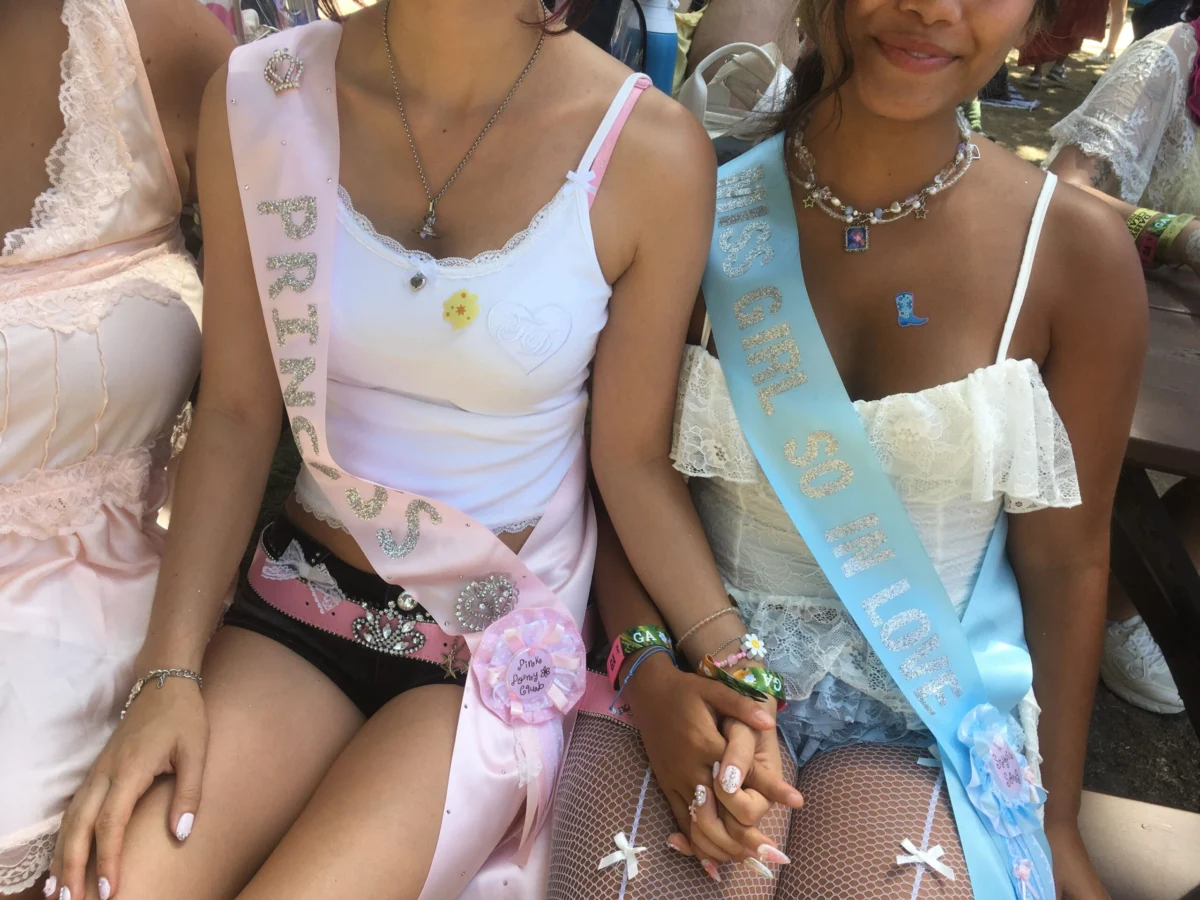
Despite the challenging heatwave, attendees embraced the festival atmosphere with an unwavering spirit, translating their personal styles into a vibrant tapestry of self-expression. Daisy chains, worn as whimsical crowns, adorned many heads, while hair gems caught the sunlight, adding a touch of sparkle. Protest-inspired pins, emblazoned with messages of solidarity and advocacy, were a common sight, adorning tote bags, shirt collars, and denim cut-offs. The practicalities of festival wear were balanced with a keen sense of fashion, with tall leather boots appearing as frequently as comfortable sneakers. However, one particular garment emerged as a defining trend of the festival: the babydoll dress. This ethereal and often nostalgic piece has become intrinsically linked with Olivia Rodrigo’s "You Look Pretty Sad for a Girl So in Love era," and its prevalence among festival-goers highlighted the strong connection between the artist’s aesthetic and her audience’s style.

Amaya, a 23-year-old attendee, shared her experience finding the perfect babydoll dress. "I purchased my babydoll dress for one euro at a thrift store in Spain," she explained. "I thought it was cute, but then I put it on, and I was like, ‘It’s giving babydoll, like Olivia Rodrigo.’" She and her friend Julia, also 23, had initially planned to coordinate their entire outfits, but the intense heat necessitated a revision of their plans, limiting their matching efforts to blue eyeshadow. Julia elaborated on their stylistic choices, describing their look as a deliberate fusion: "We wanted to give babydoll. Riot grrrl, but we’re sweet. We’re feminine. We are questioning our gender identities, and we’re doing it through fashion and music." This sentiment encapsulated a broader trend at the festival, where fashion served not only as a means of personal expression but also as a vehicle for exploring identity and solidarity.
Francine, an 18-year-old from Fresno, California, found her style inspiration in the riot grrrl movement. Her upbringing, influenced by her mother’s collection of feminist punk bands like Bikini Kill and Jack Off Jill, laid the groundwork for her embrace of the genre’s rebellious spirit. The presence of a Bikini Kill album cover in her nursery as a baby served as an early, albeit perhaps subconscious, introduction to the movement’s powerful message. Her festival attire reflected this influence, a nod to the unapologetic feminism and raw energy of the era.

Grace and Logan, both hailing from Whitefish, Montana, initially presented a picture of classic boho festival attire, exuding a youthful glow. However, their looks were a thoughtful homage to their Western roots. Logan explained, "We’re kind of embodying what people dress like back home. I have my cowboy boots I use for line dancing and just my jeans that I wear out and about. My top is a leather vest from Depop, but it got a little hot, so I ended up taking it off." The duo, who had recently relocated to California for college, found a way to connect with their past while immersing themselves in the present festival experience.
The Rise of the "Princess" Aesthetic and Functional Fashion
A distinct style tribe emerged among fans of Chappell Roan, recognizable by their pageant sashes and elaborate cone-shaped princess hats, direct inspirations from the pop star’s signature high-camp-fantasy aesthetic. Nicole, a 21-year-old from Sonoma County, meticulously crafted sashes and prize ribbons for herself, her cousin Rachel, and her best friend Asha. "My original idea was like the album cover of The Rise and Fall of a Midwest Princess. She has a sash that says ‘Midwest Princess,’ but I’m not from the Midwest, so it just says ‘princess.’" Despite crafting these accessories at the last minute, Nicole ensured they were personalized, stenciling the names of the girls’ favorite tracks by both Roan and Rodrigo onto the ribbons, a testament to their shared musical adoration.

Ella, 26, prioritized comfort and practicality in her festival attire, a choice that proved wise given the extreme temperatures. Her turquoise streaks peeking out from a paisley headscarf immediately caught the eye, a subtle yet striking detail. "My inspo for the outfit was I wanted to stay cool and comfortable and cute if possible," she stated. Her approach underscored the balance many attendees struck between personal style and the need for practical solutions in a challenging climate.
Eighteen-year-old Holden, who traveled from Kansas City, Missouri, also cited the heat as a primary concern, alongside her eagerness to see Chappell Roan, a fellow Missourian. Her musical journey to Roan’s discography began serendipitously. "I was carpooling with a friend and she started playing ‘Hot to Go!’, and I just never looked back," Holden recalled, illustrating the powerful way music can forge immediate connections and inspire fandom.

Broader Impact and Future Implications
The inaugural Daisy Chain Festival has set a significant precedent for music events that champion both artistic expression and tangible social impact. The unprecedented $20 million raised for women and girls’ non-profits signifies a powerful model for artist-led philanthropy. This scale of charitable giving not only provides crucial funding for vital organizations but also elevates public awareness of the causes they serve.
The festival’s success also underscores the growing influence of artists like Olivia Rodrigo and Chappell Roan in shaping cultural trends and empowering their fan bases. The enthusiastic adoption of the babydoll dress and the elaborate "princess" regalia demonstrates a deep connection between artist identity and fan expression, transforming music events into spaces for collective identity formation and celebration.

Furthermore, the festival’s ability to draw a diverse array of artists, from punk pioneers like Bikini Kill to contemporary pop stars, highlights a potential for intergenerational and cross-genre solidarity within the music industry. The presence of legends such as Stevie Nicks and Sarah McLachlan alongside newer talent created a unique continuum of female artistry, offering inspiration and mentorship opportunities.
The Daisy Chain Festival’s triumph, even in the face of extreme weather conditions, speaks to the resilience and passion of its attendees and organizers. It serves as a compelling case study for future festivals aiming to integrate meaningful philanthropic goals with high-caliber entertainment. The event’s focus on women and girls’ empowerment, combined with its substantial financial contributions, positions it as a significant force for positive change, with implications that extend far beyond the weekend of the festival itself. As the event looks towards its future, the established foundation of purpose-driven entertainment and community building suggests a promising trajectory for continued impact.
