

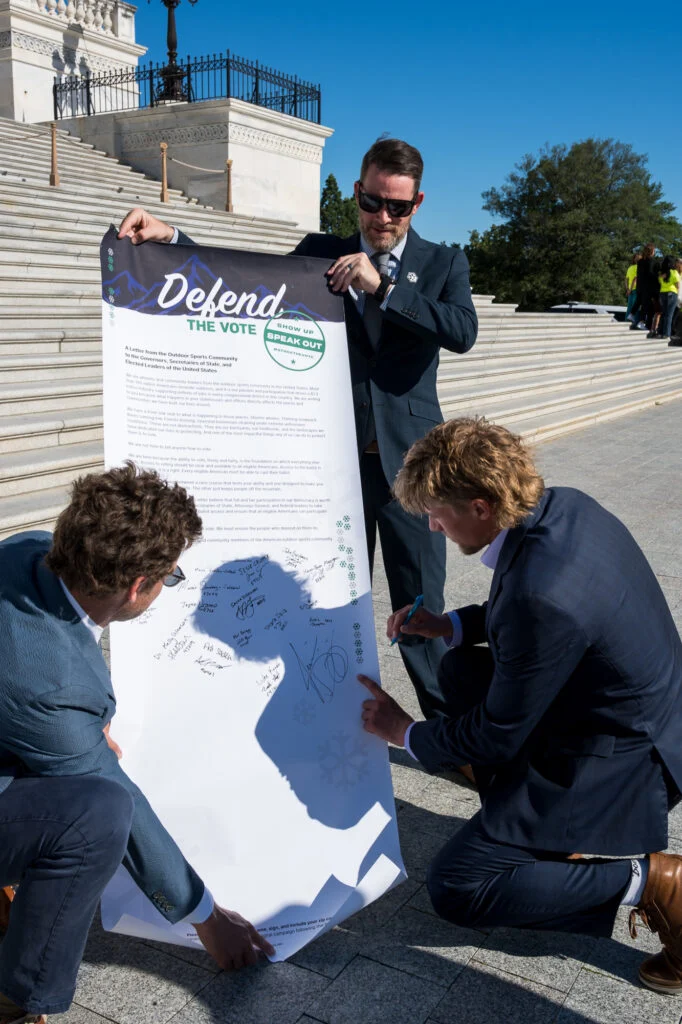
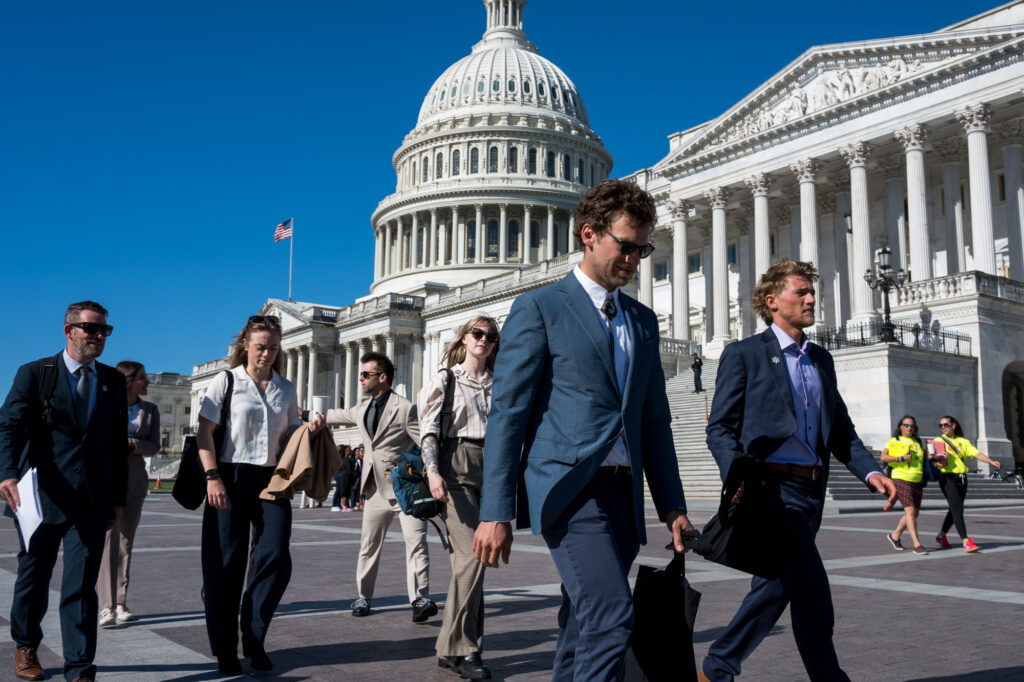
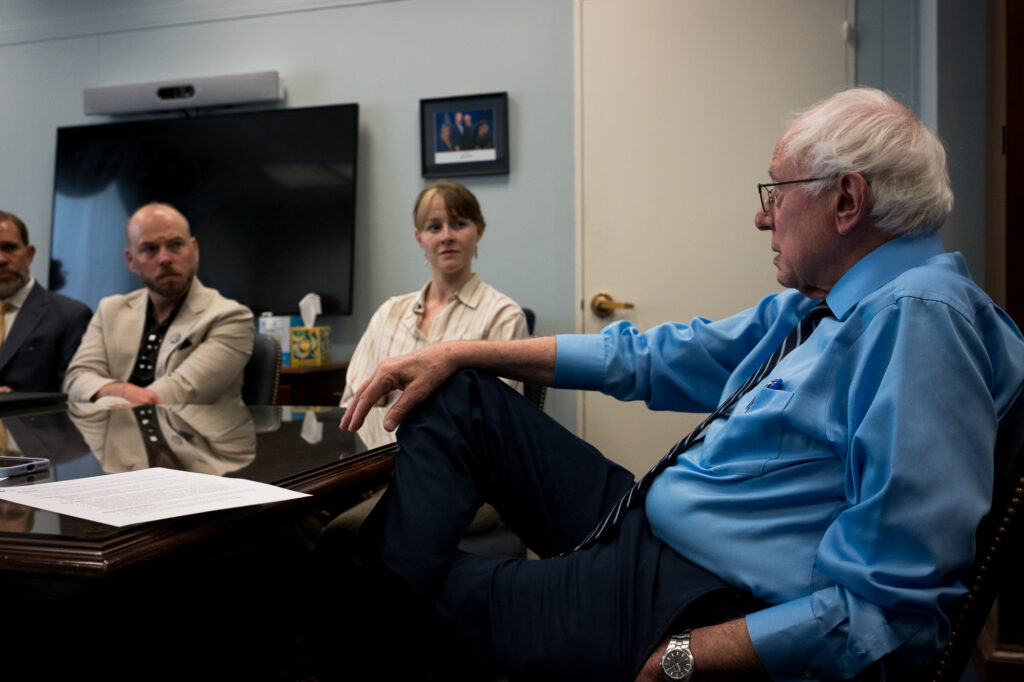
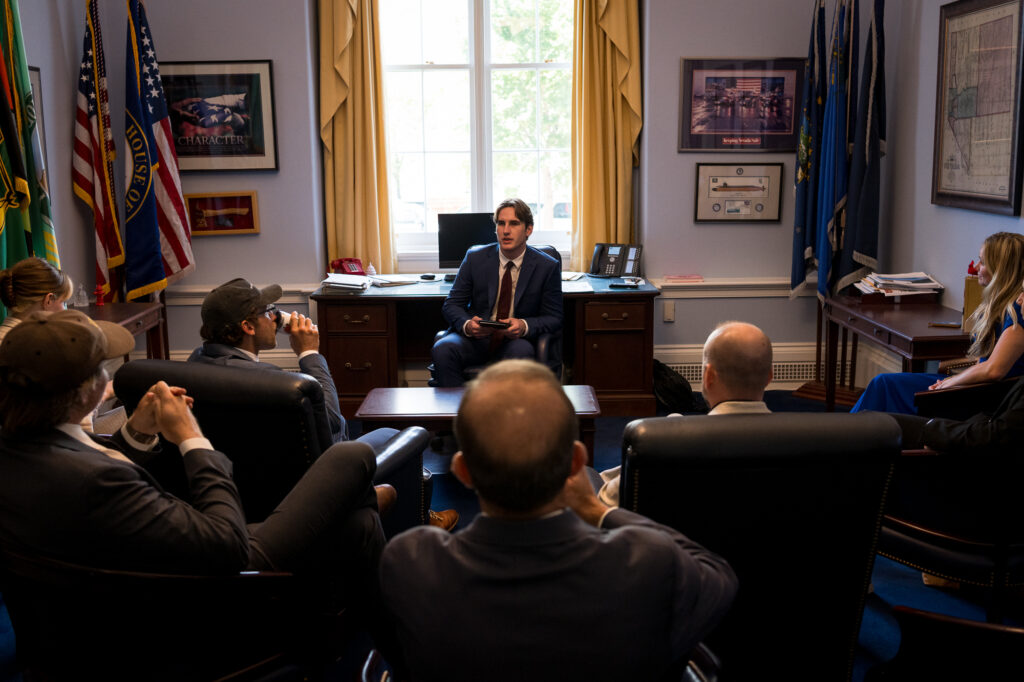
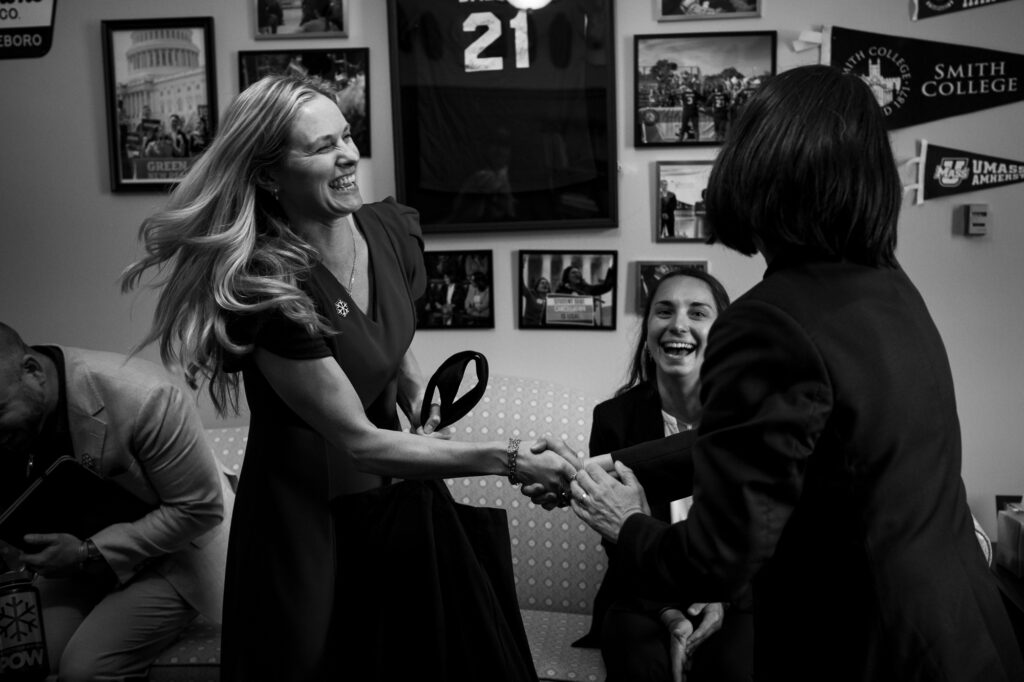
A high-profile delegation representing the advocacy group Protect Our Winters (POW) recently concluded a concentrated two-day legislative mission on Capitol Hill, engaging with lawmakers to address the systematic rollback of environmental protections and the expansion of fossil fuel leasing on federal lands. The group, comprised of 13 members including Olympic athletes, climate scientists, and outdoor industry leaders, sought to bridge partisan divides by highlighting the direct economic and environmental threats posed by current federal deregulation trends. Over the course of 48 hours, the delegation conducted 38 separate meetings with congressional offices, targeting both Republican and Democratic representatives to emphasize that the health of the "Outdoor State"—a constituency of millions who rely on the outdoor recreation economy—is at a critical juncture.
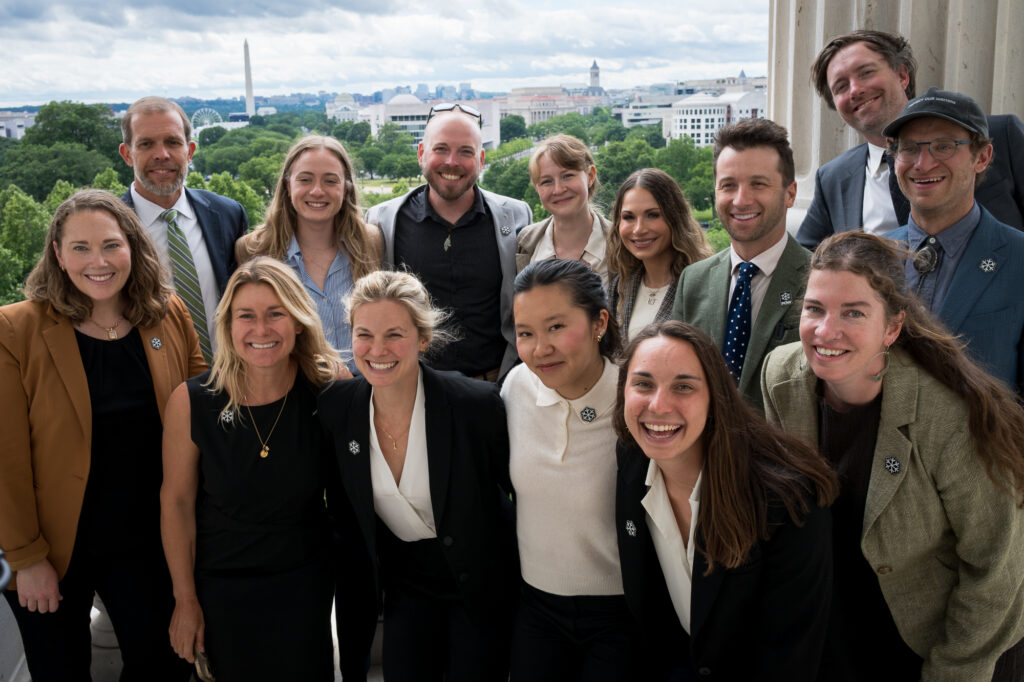
Composition of the Advocacy Delegation
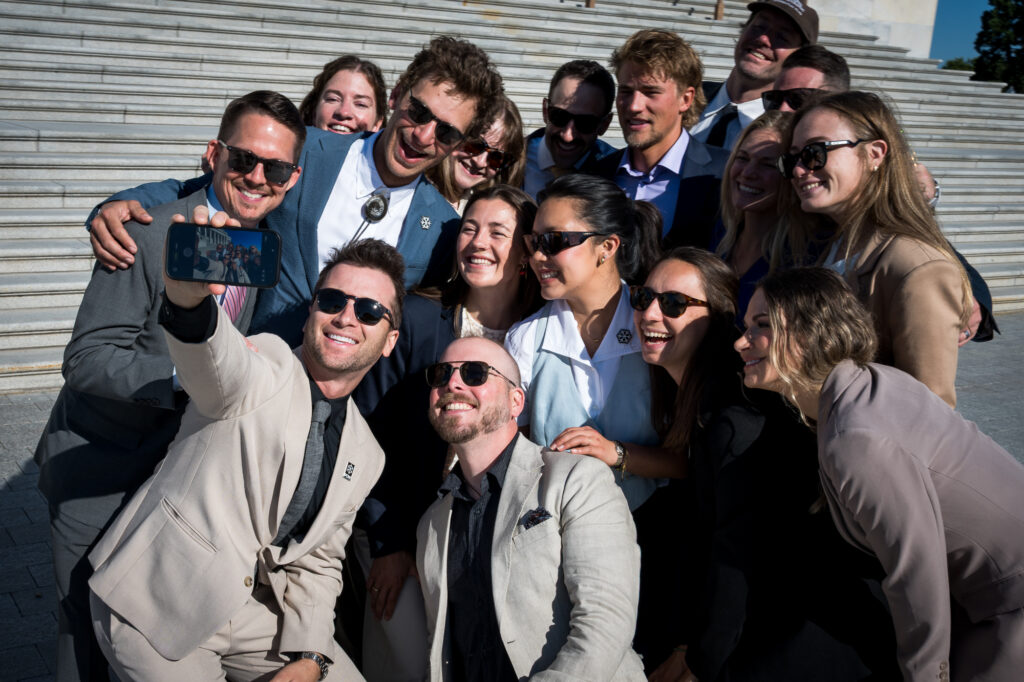
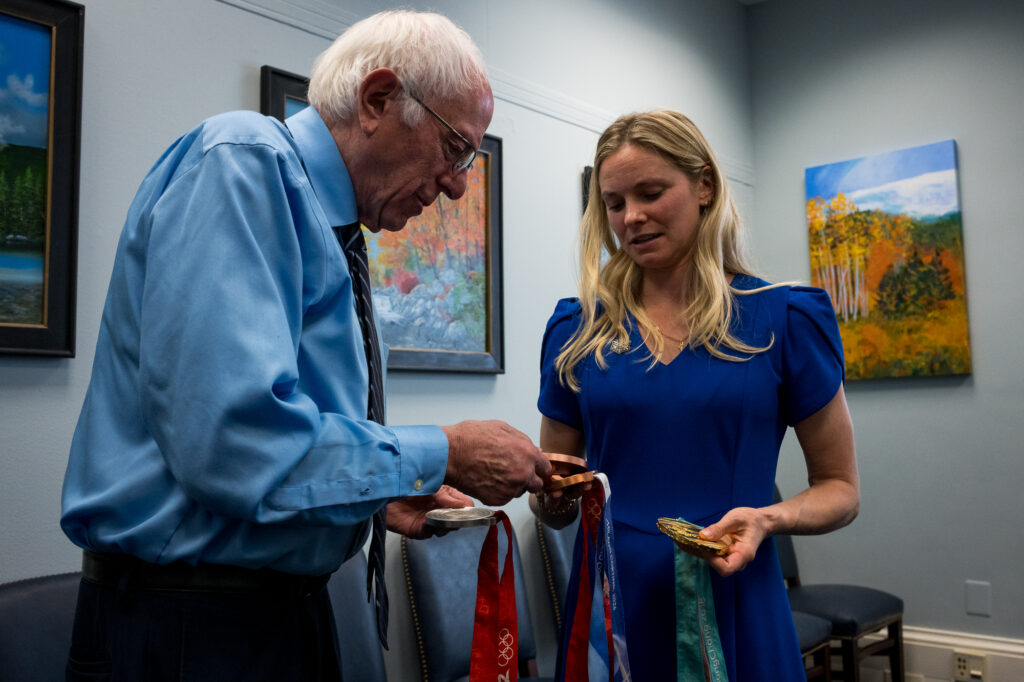
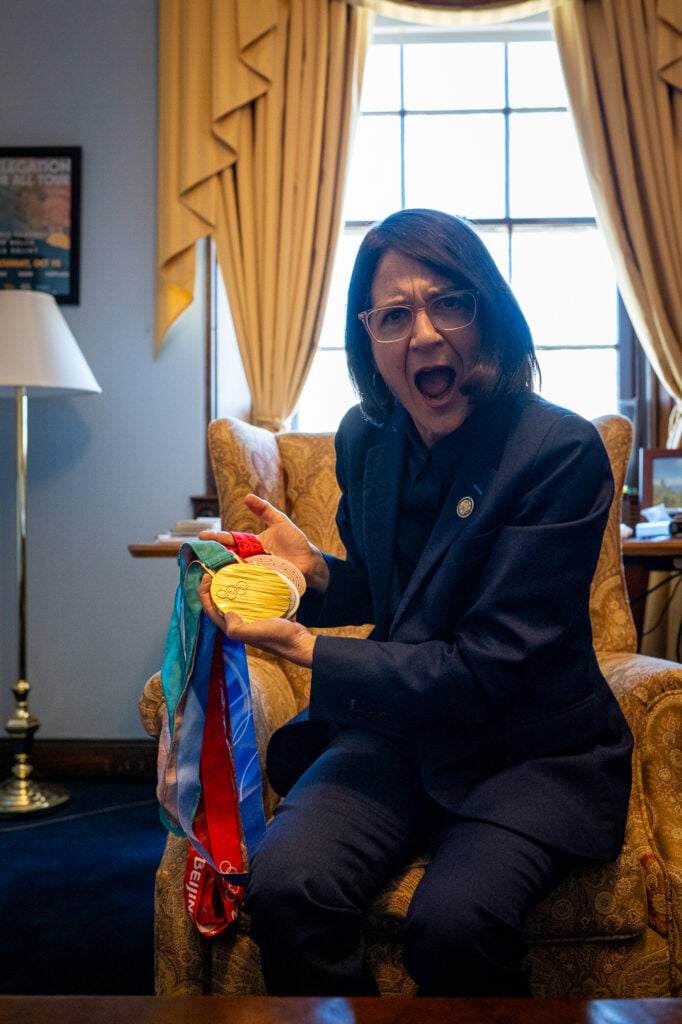
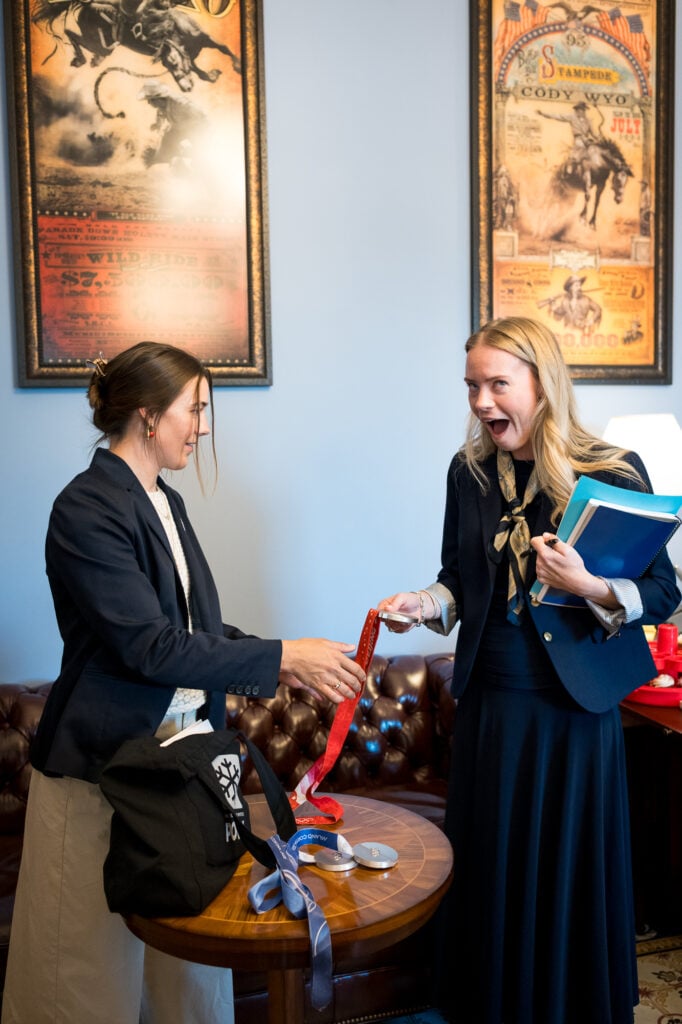
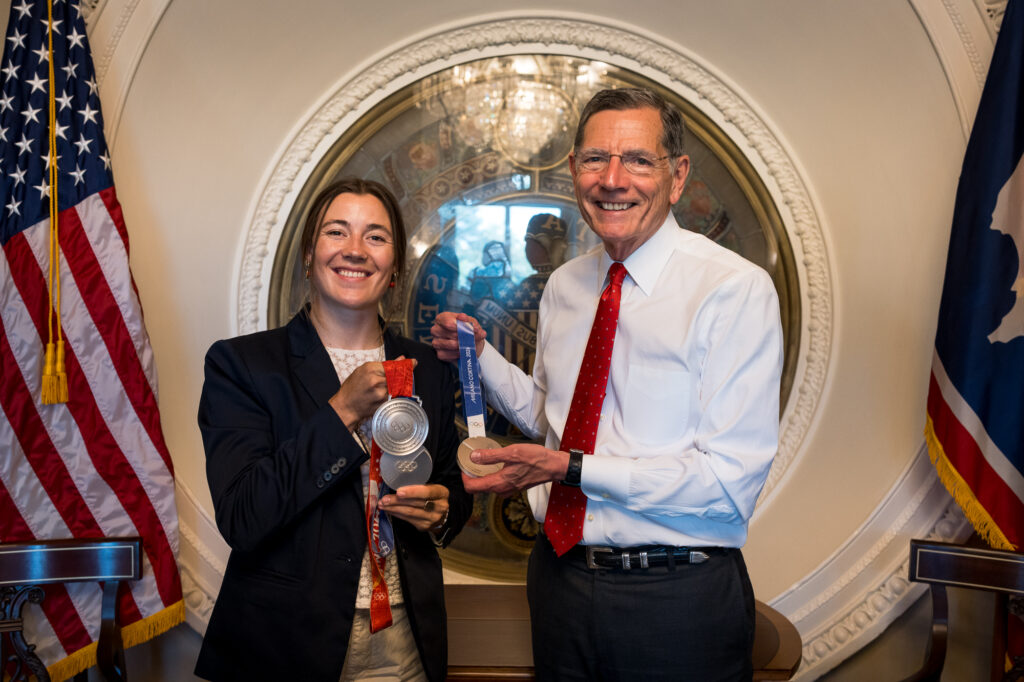
The delegation was strategically selected to combine the cultural influence of professional athletes with the technical authority of the scientific community. Leading the group were several high-profile Olympians and members of the POW Athlete Alliance, including cross-country skiing gold medalist Jessie Diggins, alongside fellow Olympians Julia Kern, Jaelin Kauf, Gus Schumacher, Bea Kim, and Olivia Giaccio. They were joined by professional skier Brody Leven and representatives from the POW Science Alliance, including Dr. Tracy Fanara and former Environmental Protection Agency (EPA) scientist Stu Nissenbaum.
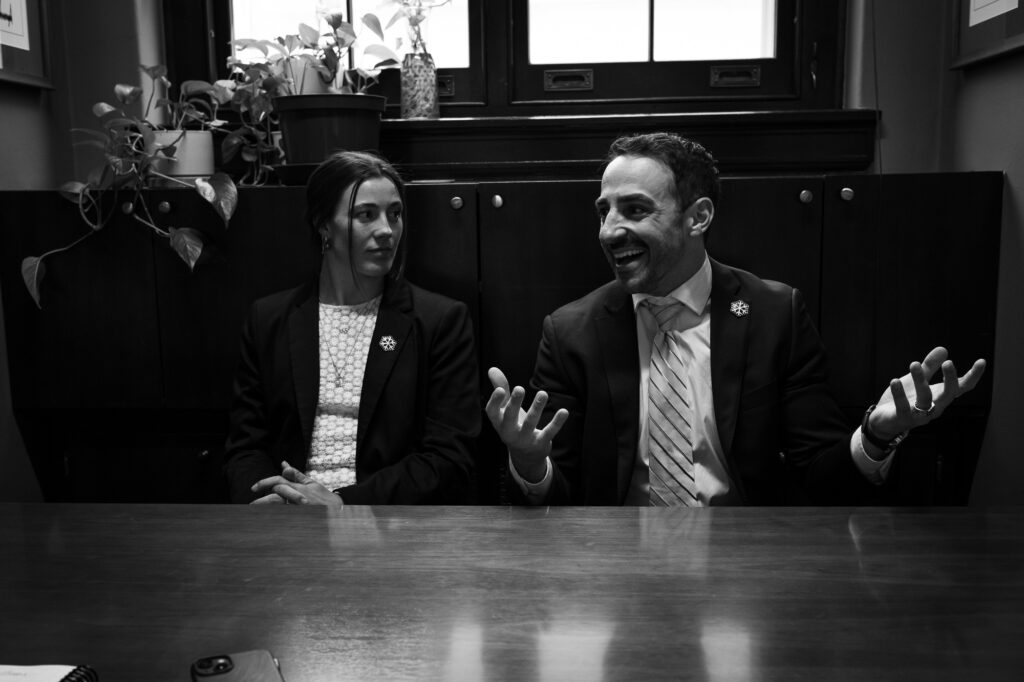
The presence of the POW Creative Alliance was also significant, featuring filmmakers and photographers such as Max Lowe, Mike Thurk, and Chris Shane, who documented the proceedings to translate complex legislative discussions for a broader public audience. Rounding out the group was Jamey Delaplane, a member of the POW Action Fund Board, providing strategic oversight on the political implications of the visit. This multidisciplinary approach was designed to ensure that the message delivered to Congress was not only emotionally resonant but also grounded in peer-reviewed data and firsthand industry expertise.
Chronology of the Legislative Mission
The advocacy push occurred against a backdrop of rapid policy shifts in Washington, D.C. The timeline of the visit was structured to maximize contact with members of the House Natural Resources Committee and other key decision-makers involved in land management and environmental oversight.
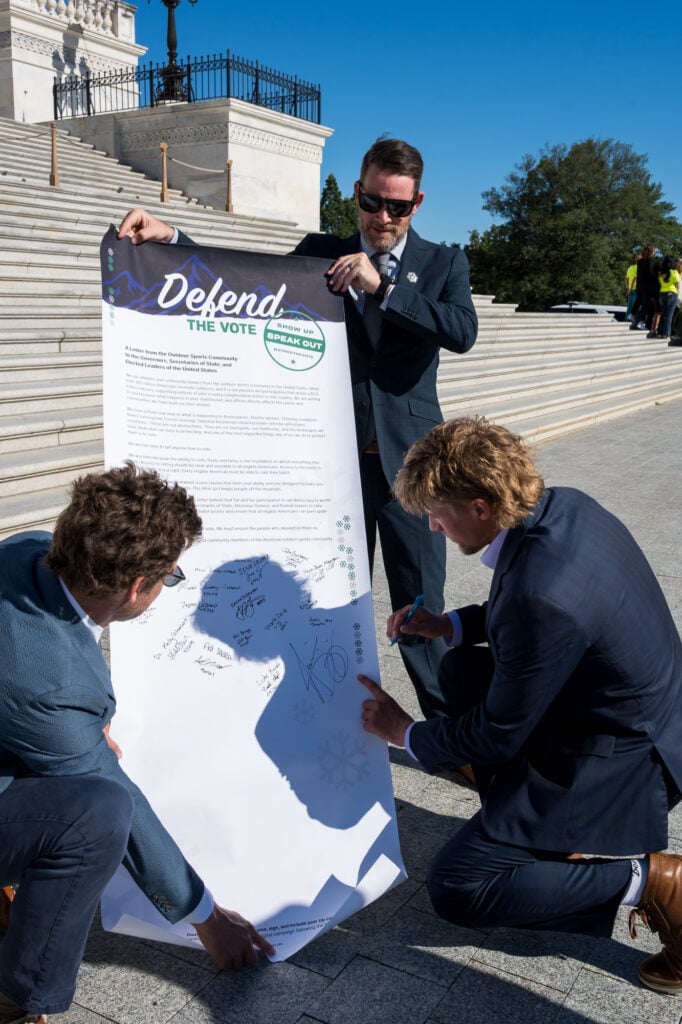
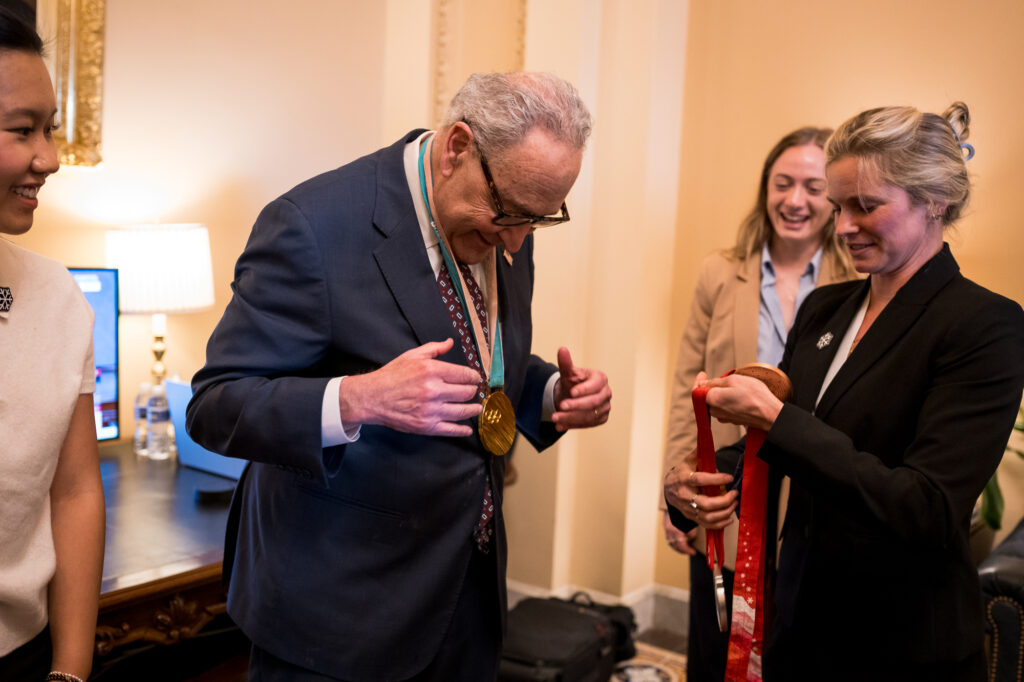
On the first day of the mission, the delegation focused on establishing a baseline of concerns regarding EPA deregulation. The group met with 23 Democratic offices, focusing on strategies to reinforce existing environmental statutes and provide a legislative bulwark against executive actions that have weakened pollution standards. These meetings included high-level interactions, such as a session with Senate Majority Leader Chuck Schumer, where Jessie Diggins utilized her platform as an Olympic champion to illustrate how diminishing snowpacks and erratic winter weather patterns are directly impacting the future of American winter sports.
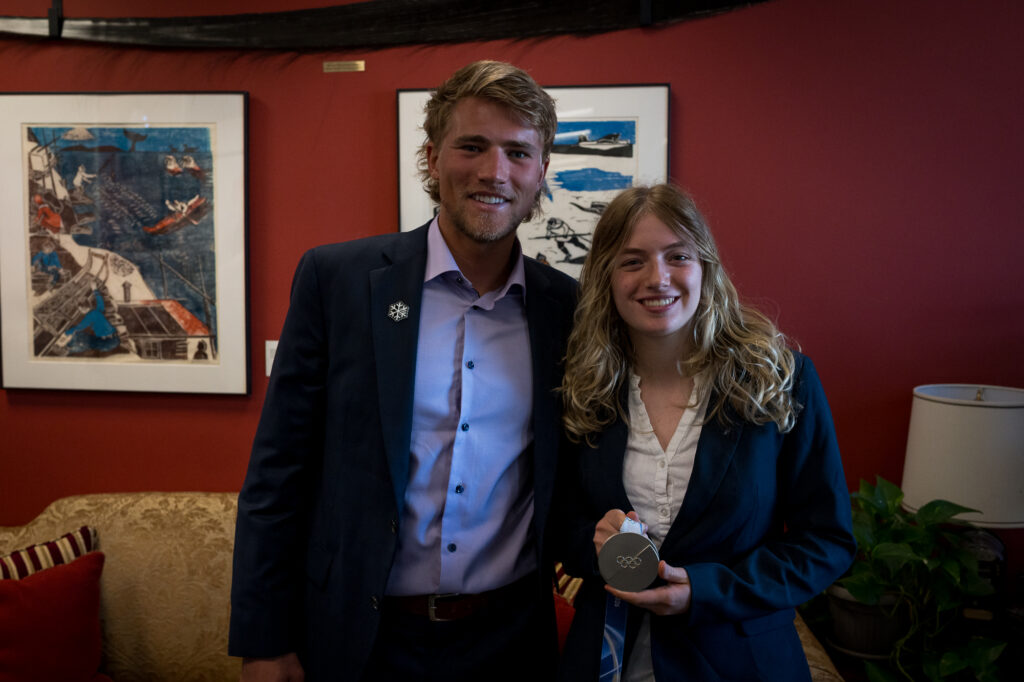
The second day was characterized by an intentional outreach to 15 Republican offices. These discussions were framed around the nonpartisan value of public lands as economic drivers and essential infrastructure for rural communities. By focusing on issues such as wildfire mitigation, drought resilience, and the $1.1 trillion outdoor recreation economy, the delegation sought to find common ground with lawmakers who might otherwise be skeptical of traditional environmental advocacy.
Addressing the Dismantling of Environmental Protections
A primary focus of the advocacy mission was the recent trajectory of federal environmental policy. According to data presented by the delegation, federal agencies have dismantled or significantly weakened more than 50 core environmental protections since early 2025. These rollbacks have largely targeted the EPA’s ability to regulate industrial emissions, enforce clean water standards, and utilize scientific modeling in the rulemaking process.
The delegation argued that these agencies were established by Congress with a specific mandate to protect public health and the environment—a mission they claim is being sidelined in favor of industrial interests. Stu Nissenbaum, leveraging his background as a former EPA scientist, provided lawmakers with specific examples of how sidelining scientific expertise leads to increased pollution levels in vulnerable communities. The advocacy team called for concrete legislative steps to restore the EPA’s regulatory authority and ensure that science remains the central pillar of federal decision-making.
The group emphasized that clean air and water are not merely environmental ideals but are the literal foundation of the outdoor industry. For guides, outfitters, and small business owners in "gateway towns" adjacent to national parks and forests, the degradation of these resources represents a direct threat to their livelihoods.
The Defense of Public Lands Against Fossil Fuel Expansion
The second pillar of the POW mission centered on the protection of iconic American landscapes from aggressive oil and gas development. The delegation highlighted recent actions by the Department of the Interior, which held a major lease sale in the National Petroleum Reserve-Alaska (NPR-A). This sale resulted in 187 new leases covering approximately 1.3 million acres, a move that critics argue ignores the long-term ecological value of the region in favor of short-term extraction.
Furthermore, the delegation raised alarms regarding the Coastal Plain of the Arctic National Wildlife Refuge (ANWR), where lease sales were opened for bidding in early June. POW’s message to Congress was a firm rejection of the idea that public lands are disposable assets for energy development. Instead, they advocated for the support of the Arctic Refuge Protection Act. This proposed legislation serves as a long-term tool to prevent the industrialization of one of the nation’s last remaining pristine wilderness areas.
Gus Schumacher, a POW Ski Alliance member and Olympian, noted during the meetings that while different parties may have varying ideas on energy independence, the protection of key habitats should remain a baseline agreement. The delegation presented data showing that public lands provide a natural buffer against climate-driven crises, such as wildfires and floods, which are increasingly straining federal and state budgets.
Economic Data and the Impact on the Outdoor Recreation Industry
To bolster their arguments, the POW delegation utilized economic data from the Bureau of Economic Analysis (BEA). The outdoor recreation economy is a significant contributor to the United States’ Gross Domestic Product (GDP), recently valued at over $1.1 trillion. This sector outpaces many traditional industries, including farming and mining, in terms of economic growth and job creation.
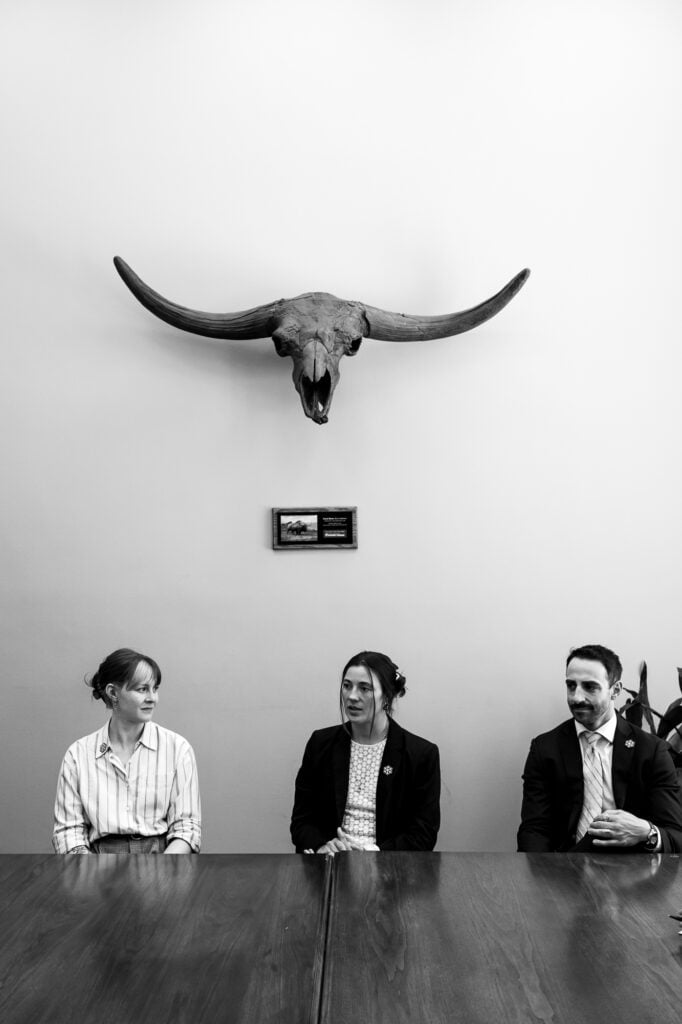
The delegation pointed out that this entire economic sector is climate-dependent. In states like Colorado, Utah, and Vermont, the winter sports industry is a primary economic engine. When snow seasons are shortened by warming temperatures or when public lands are closed due to industrial development, the economic ripple effects are felt by everyone from hotel housekeepers to high-end equipment manufacturers.
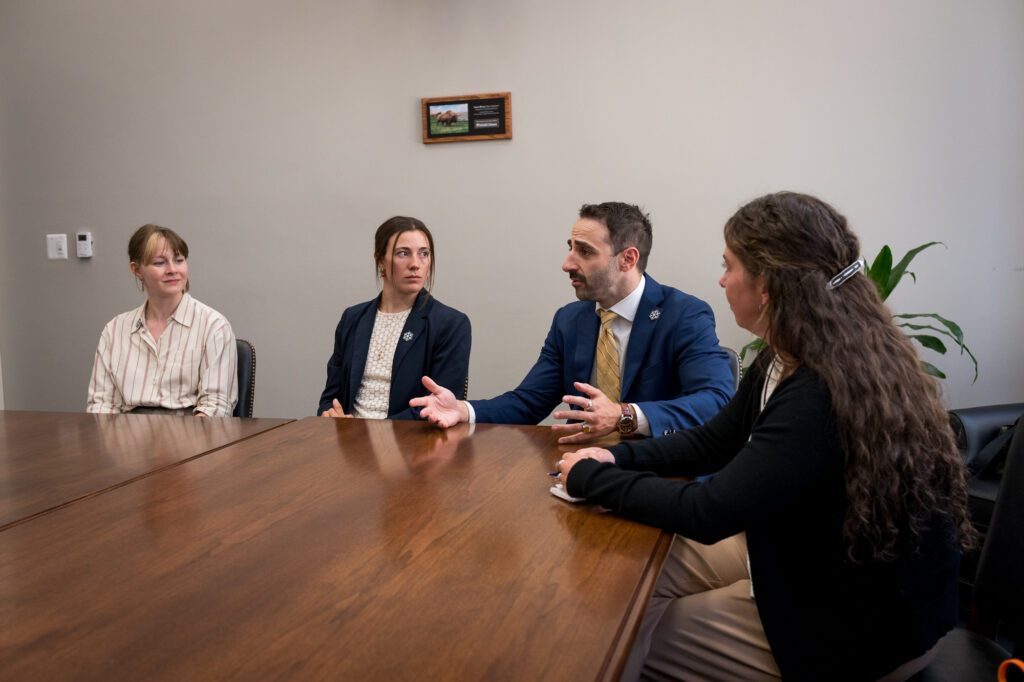
By framing climate change as an economic threat rather than a purely ideological one, the delegation was able to engage more effectively with staff from the House Natural Resources Committee. They argued that supporting public lands is a fiscally responsible position, as these lands support millions of jobs and generate billions in tax revenue for local and federal governments.
Broader Implications and Strategic Outcomes
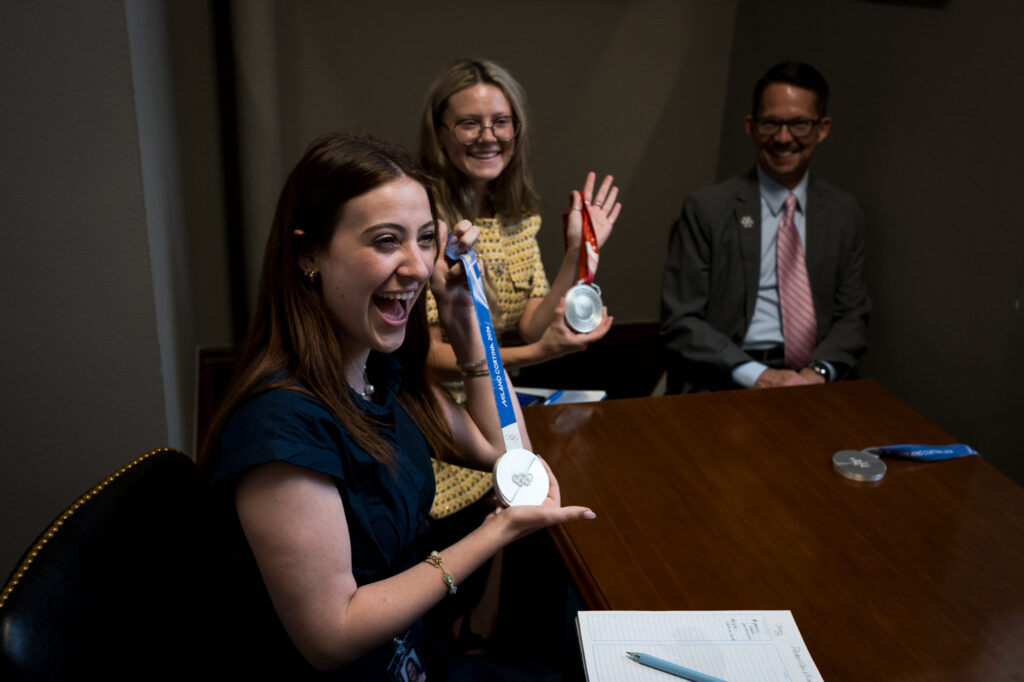
The POW mission to Capitol Hill reflects a growing trend of "influencer advocacy," where individuals with significant public platforms use their visibility to highlight technical policy issues. However, the inclusion of the Science Alliance ensured that the trip was more than a series of photo opportunities. The synergy between the athletes’ reach and the scientists’ credibility created a unique advocacy model that appeared to resonate with congressional staff.
Max Lowe, a member of the POW Creative Alliance, observed that while the legislative process is often frustratingly slow, the direct engagement of the "Outdoor State" is essential for long-term change. The delegation’s ability to serve as a bridge across party lines suggests that public land conservation remains one of the few areas in American politics where bipartisan dialogue is still possible.
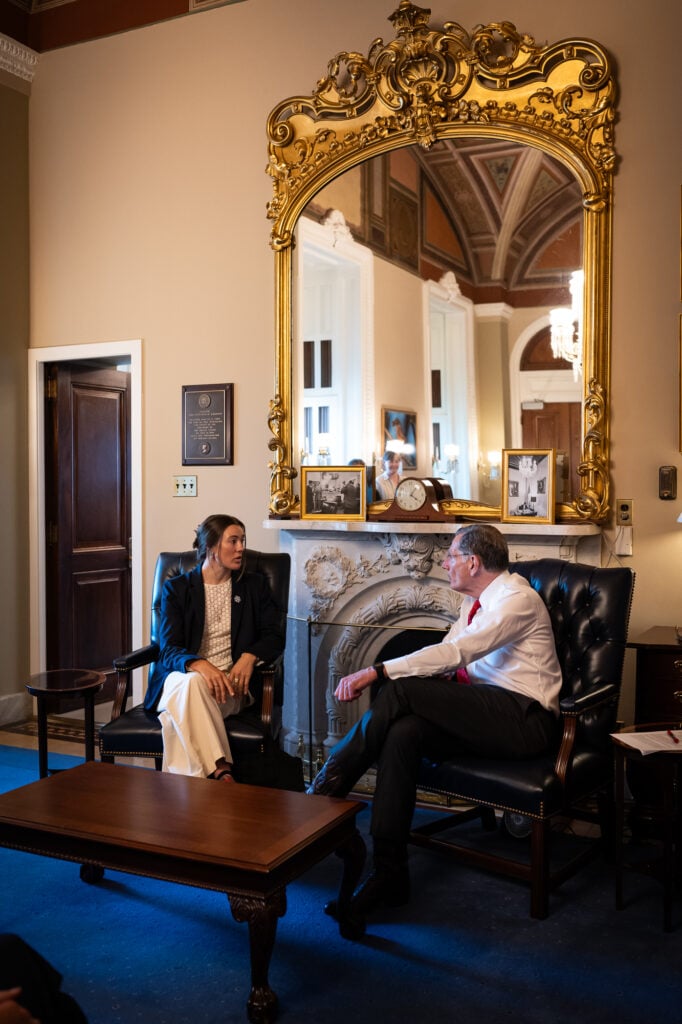
The key takeaway from the 38 meetings was the realization that many lawmakers are increasingly aware of the threats posed by climate change to their local districts, even if they are politically constrained from using certain terminology. By focusing on "wildfire resilience," "water security," and "economic stability," the POW delegation provided a framework for these lawmakers to support environmental protections under the guise of local infrastructure and economic health.
Conclusion and Future Outlook
The efforts of the Protect Our Winters delegation mark a significant moment in the ongoing struggle over the future of American environmental policy. As the federal government continues to navigate the complexities of energy needs versus conservation goals, the voices of those who live and work in the outdoor industry are becoming increasingly difficult to ignore.
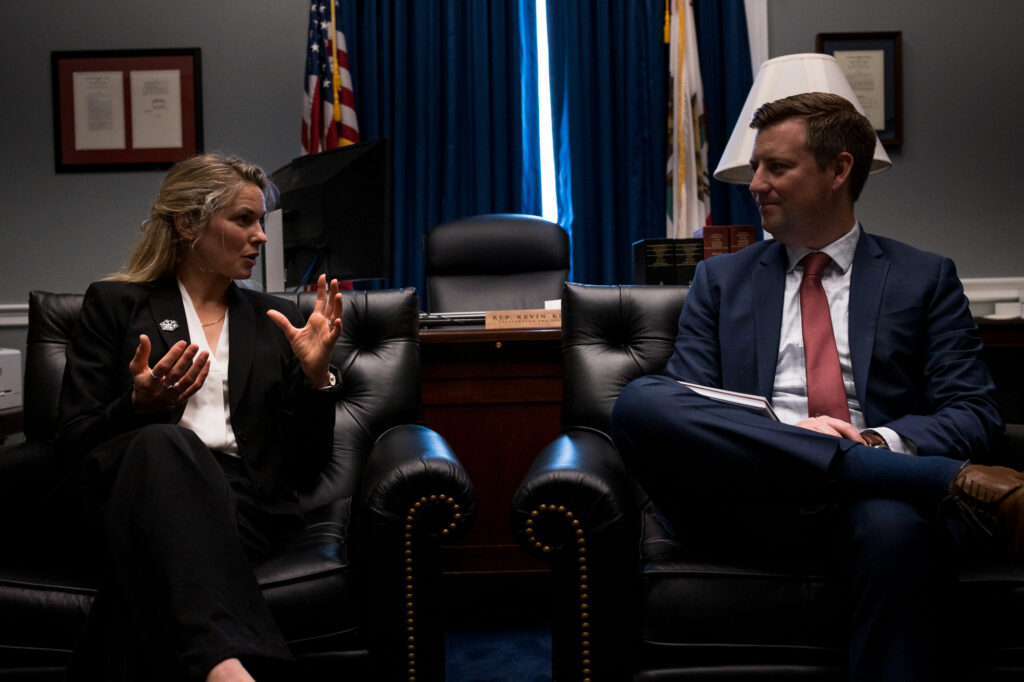
The delegation left Washington, D.C., with a commitment to continue monitoring the progress of the Arctic Refuge Protection Act and the status of EPA regulatory authorities. For the members of POW, the mission was a reminder that showing up is the first step in ensuring that public lands remain public and that the climate protections of the past 50 years are not permanently dismantled behind closed doors. The organization plans to follow up on these 38 meetings with targeted grassroots campaigns in the home districts of the lawmakers they visited, ensuring that the message delivered on the Hill is echoed by the voters back home.
