

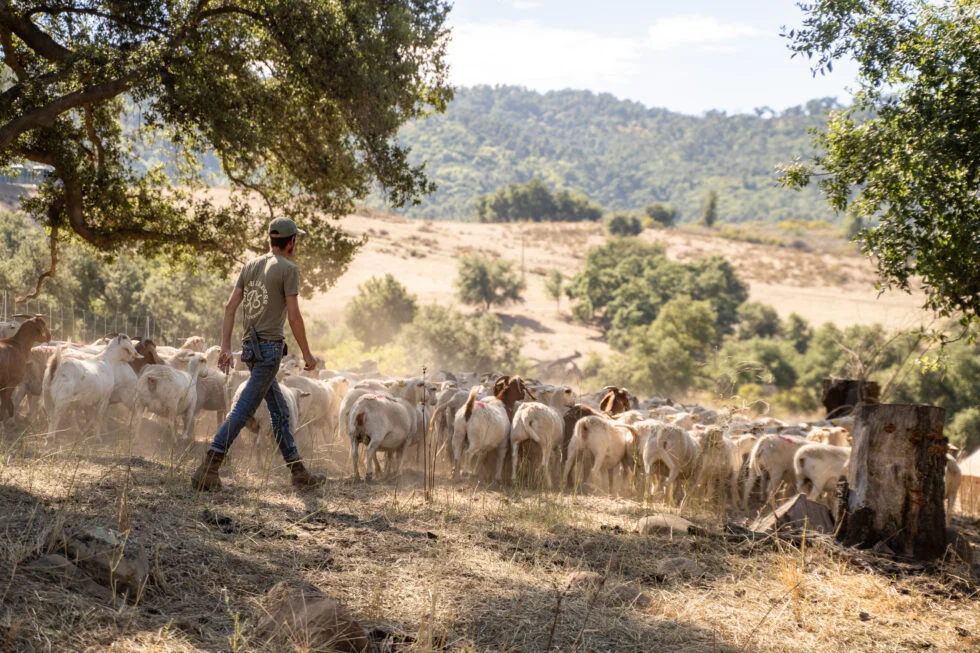
The landscapes of Southern California, historically defined by the constant movement of animals and the rhythmic occurrence of low-intensity fires, are undergoing a fundamental ecological transformation. For millennia, native grasses were grazed and trampled by roaming wildlife, preventing the uninterrupted accumulation of vegetation. However, a century of fire suppression, rapid urban development, and a changing climate have replaced these natural cycles with a new, more volatile reality. Today, hotter temperatures, prolonged droughts, and the proliferation of invasive annual grasses have shifted wildfire from a natural ecological pulse to a structural threat that dictates the terms of daily life.
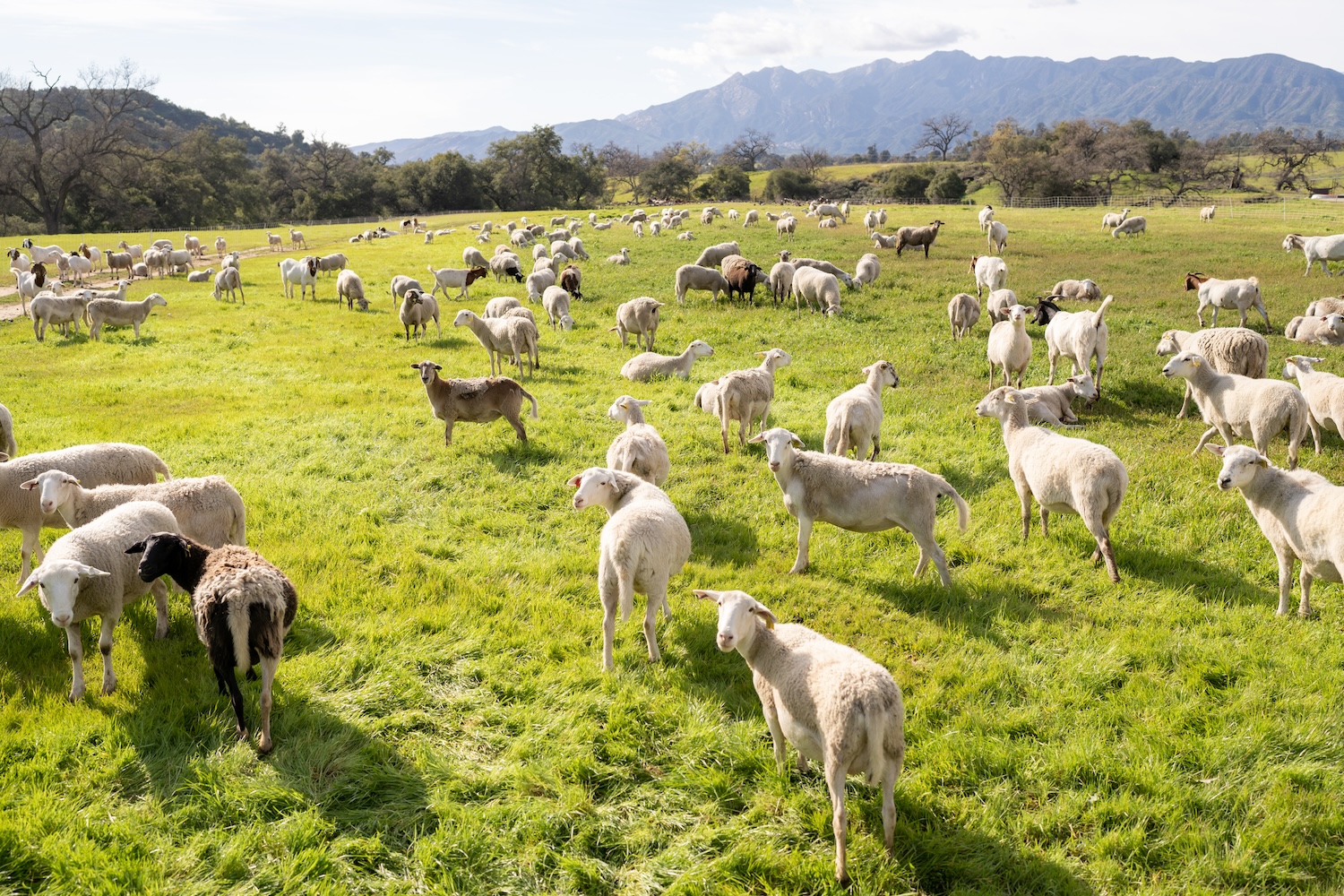
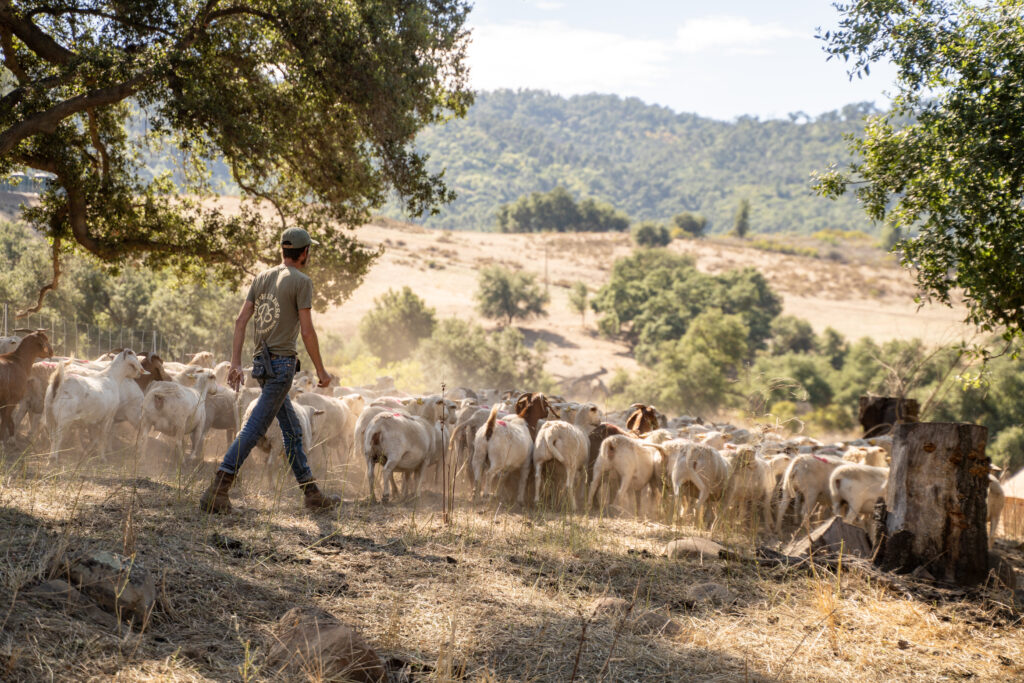
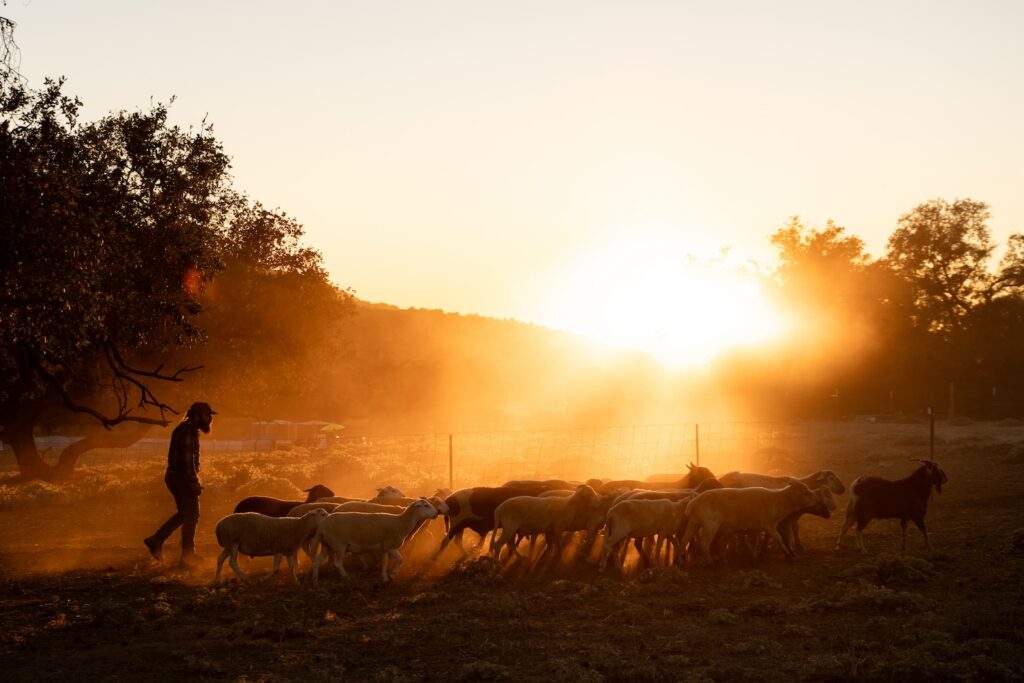
As megafires become more frequent and catastrophic, a traditional method of land management is re-emerging as a cornerstone of California’s climate adaptation strategy. Prescribed grazing—the strategic use of sheep and goats to manage fuel loads—is being deployed across the region’s hillsides to mitigate risk before the arrival of the fire season. This practice represents a shift away from reactive fire suppression toward proactive ecological stewardship, bridging the gap between historical land management and modern disaster prevention.
The Ecological Shift: From Resilience to Volatility
The contemporary Southern California landscape is increasingly defined by what ecologists call a "brittle environment." This Mediterranean climate is characterized by short, intense rainy seasons followed by long periods of extreme aridity. Historically, this variability was managed by the movement of fauna and the presence of fire that cleared underbrush without destroying the overstory.
According to data from the National Oceanic and Atmospheric Administration (NOAA), climate change has become the primary driver of the increasing severity of wildfires in the Western United States. Rising temperatures and dry atmospheric conditions create a feedback loop: intensified heat dries out vegetation, making it more combustible; large-scale fires then release massive amounts of sequestered carbon into the atmosphere, further accelerating climate instability.
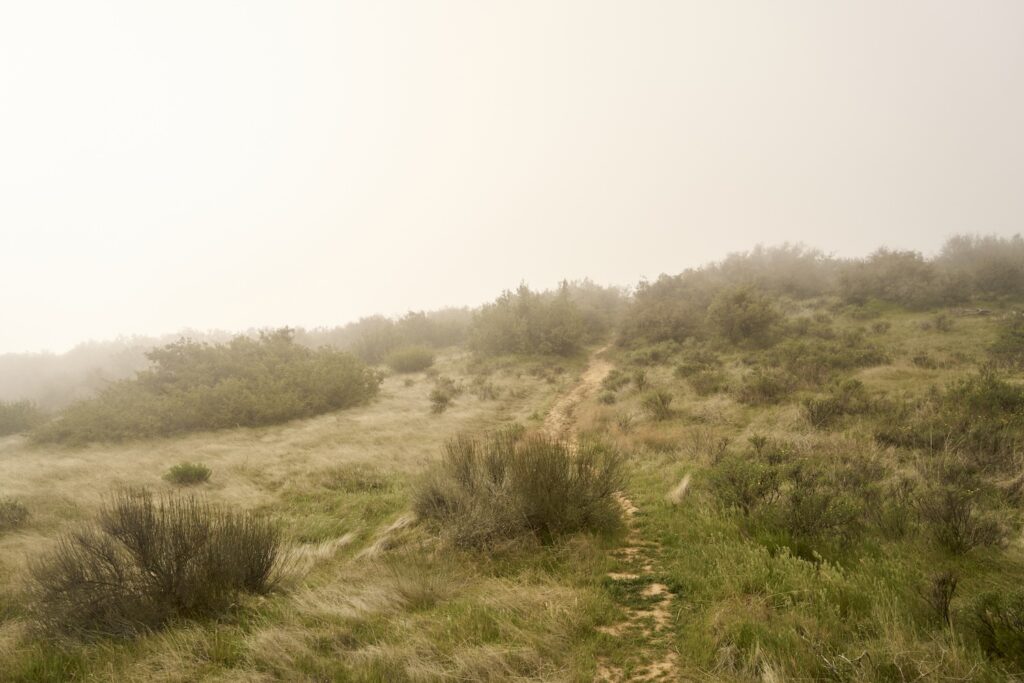
Furthermore, the introduction of invasive plant species has altered the "fuel bed" of the region. These non-native grasses ignite easily and carry fire quickly across landscapes that were once protected by more resilient native flora. When these areas burn repeatedly, the soil becomes unstable, leading to secondary disasters such as mudslides and debris flows during the winter rains.
A Chronology of Crisis and Adaptation (2017–2026)
The evolution of Southern California’s relationship with fire can be traced through a series of landmark events that have reshaped public policy and land management:
- December 2017: The Thomas Fire. Burning over 280,000 acres in Ventura and Santa Barbara counties, this event fundamentally changed the regional understanding of wildfire scale. It highlighted the vulnerability of the wildland-urban interface (WUI) and prompted a surge in local interest in fuel reduction strategies.
- 2020–2024: The Rise of Prescribed Grazing. During the isolation of the global pandemic, practitioners like Cole Bush, founder of Shepherdess Land and Livestock Co., began scaling up operations. This period saw the establishment of the Grazing School of the West, aimed at training a new generation of shepherds to manage the region’s "unsettled" ecology.
- January 2025: The Los Angeles Fires. Fires such as the Kenneth Fire near Agoura demonstrated the limitations of traditional evacuation routes. This crisis led to the formation of the Ojai Herd and Horse Network, an improvised but highly effective emergency communication and evacuation system for livestock.
- March 2025: The Madre Fire. This was recorded as the largest wildfire in California for that year, highlighting the continued threat even in areas with active management.
- May 2026: The Sandy Fire. Occurring in Ventura County, this fire underscored the necessity of fire roads and pre-emptive fuel breaks, which are often maintained through a combination of mechanical clearing and targeted grazing.
The Mechanics of Prescribed Grazing
Prescribed grazing is not merely the act of releasing livestock into a field; it is a highly technical form of land stewardship. Practitioners evaluate a variety of factors including vegetation density, topography, soil compaction, and wildlife corridors before deploying animals.
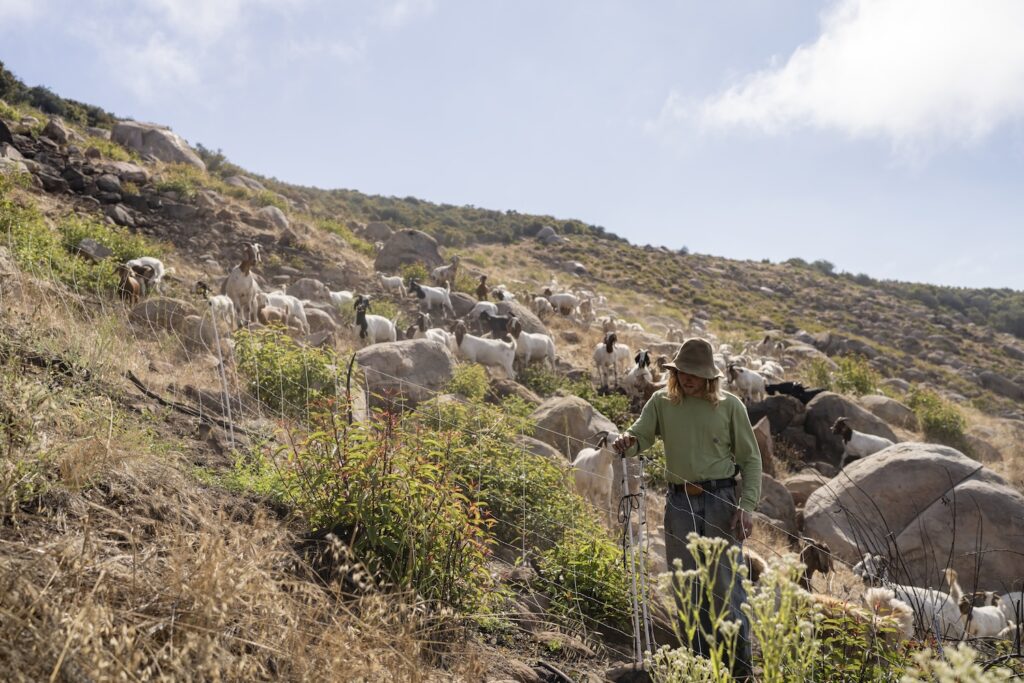
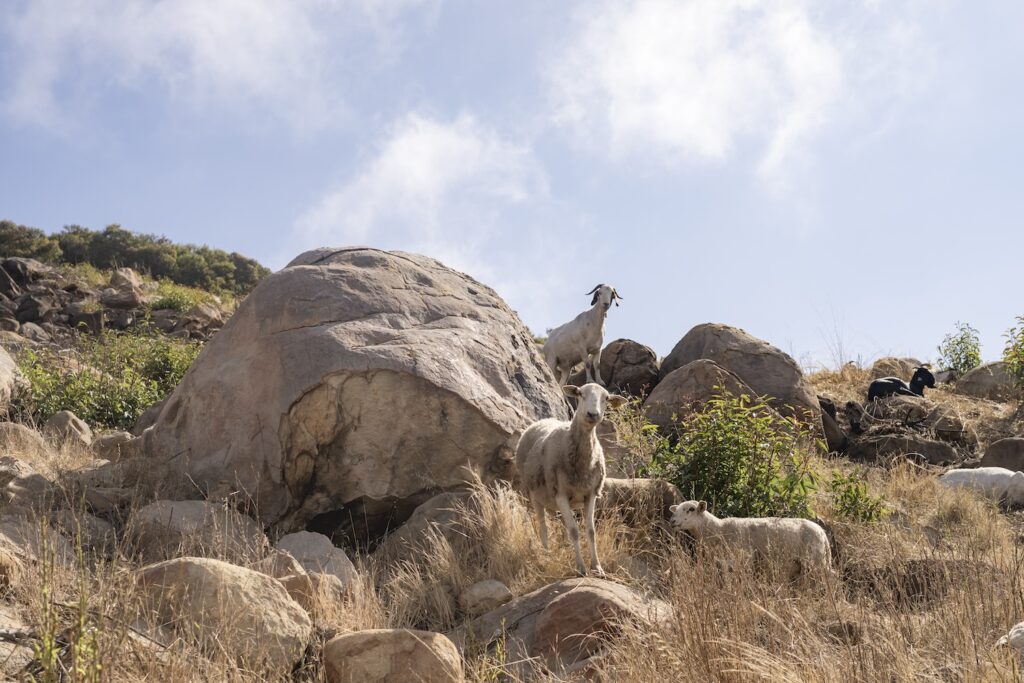
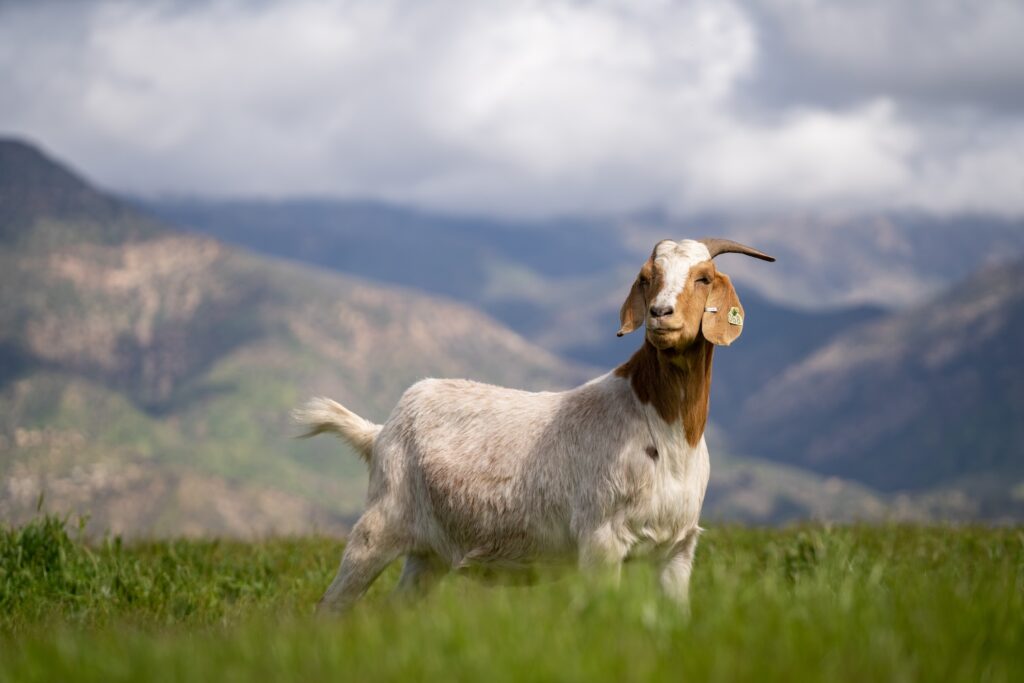
The "combo punch" of sheep and goats is particularly effective for Southern California’s diverse terrain. Goats are "browsers," preferring woody vegetation, shrubs, and low-hanging tree branches. Sheep are "grazers," focusing on grasses and lower-growing forage. By utilizing both species, shepherds can tailor their "prescription" to the specific needs of a landscape.
This method offers several advantages over mechanical fuel reduction:
- Accessibility: Animals can navigate steep, technical terrain and utility corridors where heavy machinery cannot operate.
- Ecological Health: Unlike mowers, which leave dry debris on the ground, grazing animals consume the fuel and return nutrients to the soil in the form of manure, which can help promote the growth of deeper-rooted native plants.
- Urban Integration: Sheep and goats are less disruptive in suburban environments. They can be moved down residential streets and operate near homes without the noise and air pollution associated with industrial equipment.
Cole Bush, a leading practitioner in the Ojai Valley, emphasizes that the work is rooted in observation. "We don’t want to just treat the symptom of a landscape that is out of balance," Bush notes. "We want to look at the systemic cause of dysfunction." This involves monitoring how animals cluster and how quickly they move through sections of vegetation to ensure the land is not overgrazed, which could lead to erosion.
Emergency Response and Community Activism
The utility of shepherding skills extends beyond fuel management into active disaster response. During the 2025 fires, the Ojai Herd and Horse Network played a critical role in saving animals that were otherwise stranded. Evacuating livestock in high-stress environments requires a specific understanding of animal psychology and "nervous system regulation."
In one instance during the Kenneth Fire, shepherds were called to evacuate semi-feral sheep from a steep hillside as helicopters circled overhead and smoke filled the canyons. The evacuation required a "dance" of subtle directional pressure and patience. "You only generally have one shot at approaching animals and moving them calmly," Bush explained. This calm, rhythmic approach to animal movement is now being viewed as a form of "modern shepherd activism"—a way to maintain community resilience in the face of escalating environmental threats.
The Intersection of Recreation and Stewardship
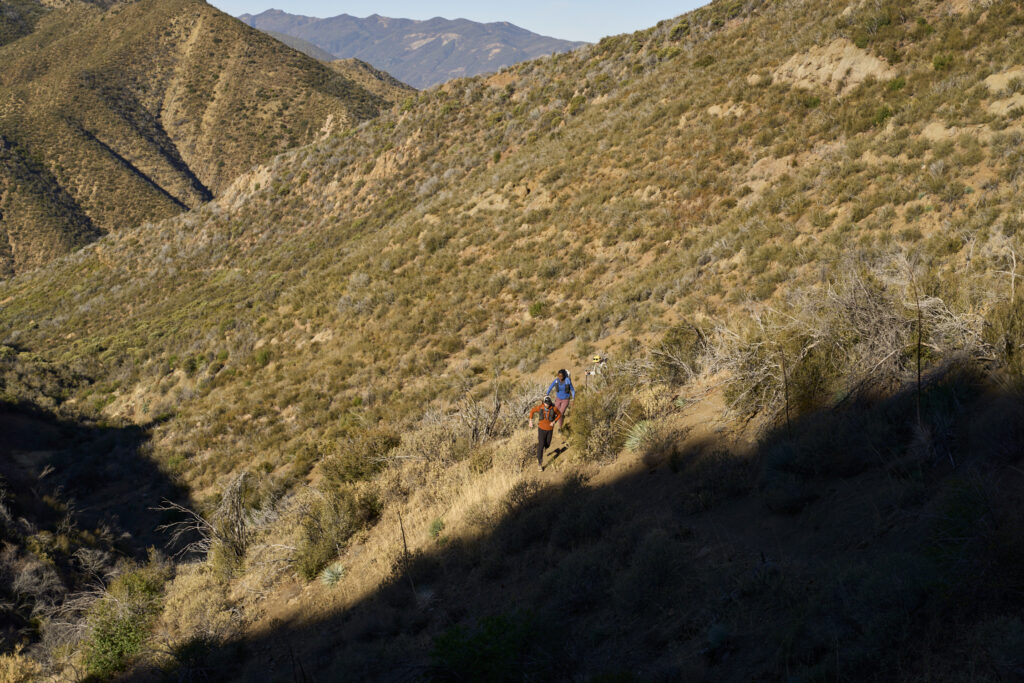
Southern California’s trails and national forests, such as the Los Padres National Forest and the Santa Monica Mountains, attract millions of visitors annually. However, the culture of outdoor recreation—trail running, mountain biking, and hiking—is increasingly colliding with the reality of ecological instability.
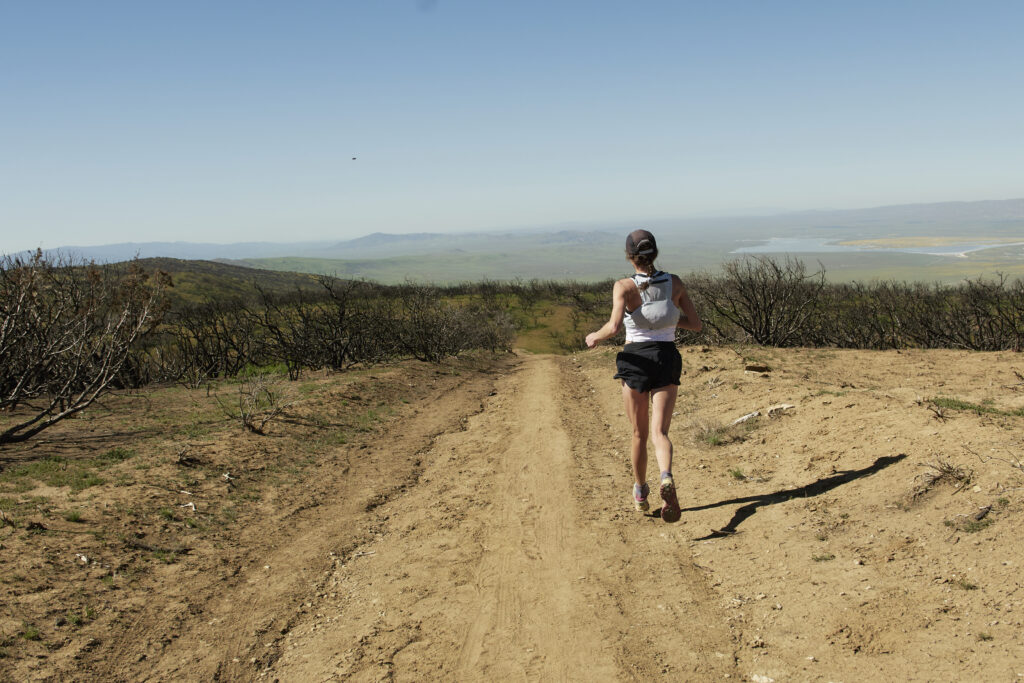
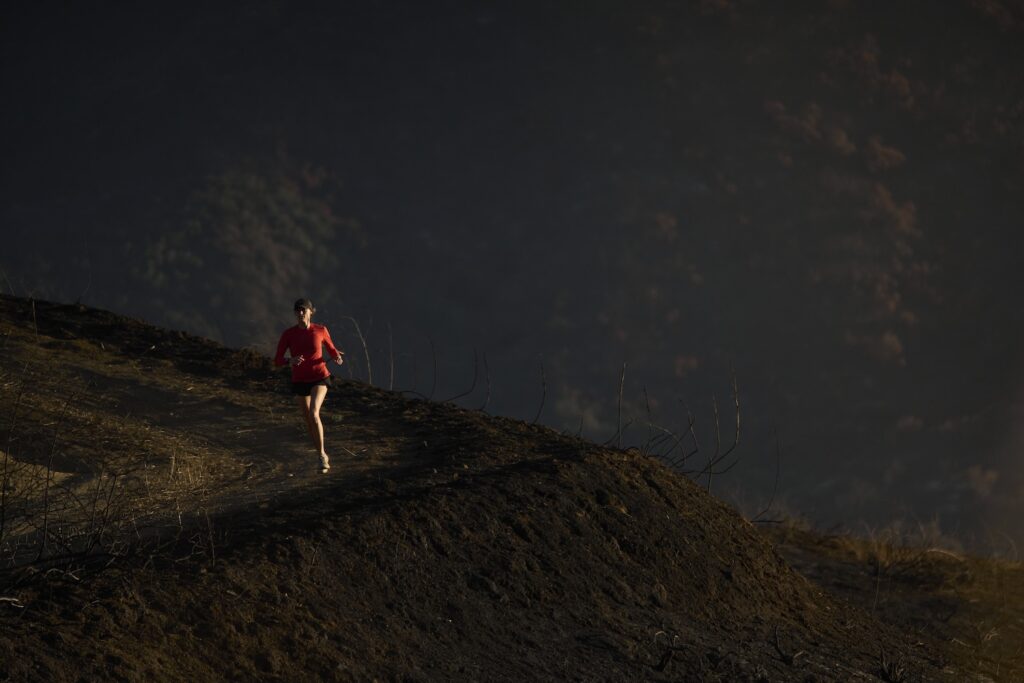
Photographer and trail runner Liam Pickhardt, who has documented these landscapes for years, observes that the trails people use for escape are now in need of active, constant management. "There’s a tendency to separate outdoor culture from land stewardship," Pickhardt says. "But the trails people run on and the open spaces people recreate in… don’t just stay intact on their own anymore."
Trail runners, in particular, serve as informal observers of the landscape’s health. Because they move through these areas with frequency and intimacy, they are often the first to notice subtle shifts in vegetation, the return of native species, or the spread of invasive grasses. This connection fosters a symbiotic relationship between the person and the land, where recreation becomes a gateway to advocacy.
Policy Implications and Future Outlook
The shift toward prescribed grazing and proactive stewardship is also reflected in California’s evolving governance. The state has seen a significant reorganization of fire hazard mapping and insurance policies. Many major insurance providers have withdrawn from fire-prone regions, citing "catastrophic risk," which has forced the state to reconsider how it incentivizes defensible space and fuel reduction.
Kalli O’Connor, Assistant Director of the Ojai Valley Fire Safe Council, suggests that wildfire resilience is becoming a core part of community identity. The council focuses on a multi-layered approach:
- Public Education: Teaching residents about home hardening and defensible space.
- Infrastructure: Maintaining fuel breaks and fire roads.
- Ecological Restoration: Supporting projects that replace flammable invasive species with fire-resilient native plants.
This cultural adaptation moves away from the idea of wildfire as an "outside" disaster to be fought, and toward the reality of wildfire as a condition to be lived with.
Conclusion: A Landscape in Motion
The future of Southern California is inextricably linked to how its residents manage the movement of fire, water, and life across its hillsides. While the threat of megafires remains a permanent fixture of the region’s climate reality, the re-emergence of shepherding offers a path toward a more resilient ecology.
By integrating traditional grazing practices with modern climate data and community-led activism, California is attempting to restore a sense of balance to its "brittle" environment. The movement of sheep and goats through the dry brush of Ojai and Ventura is more than a management tool; it is a visible manifestation of a society learning to listen to the land it inhabits. As landscapes continue to be shaped by what moves through them, the presence of the shepherd—leading from the back, observing the rhythm of the hills—may become one of the most vital roles in the state’s effort to endure.
