

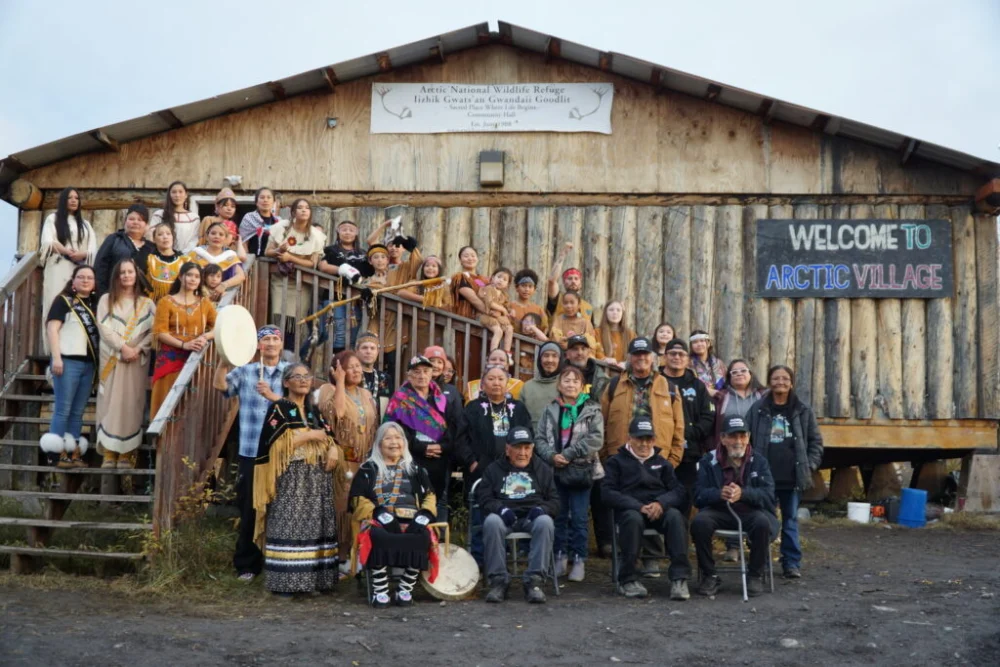
In the remote reaches of Vashraii K’oo, Alaska—a community also known as Arctic Village—the Gwich’in people recently convened an emergency gathering to address what they describe as a "mission-critical" threat to their ancestral lands and the ecological integrity of the Arctic National Wildlife Refuge (ANWR). Brennan Lagasse, a sustainability professor at the University of Nevada, Reno at Lake Tahoe and a member of the Protect Our Winters (POW) Creative Alliance, was invited to witness the proceedings. The gathering was prompted by renewed pressure to initiate seismic exploration in the refuge’s Coastal Plain, a process that serves as a precursor to oil and gas drilling. This mobilization marks a pivotal moment in a decades-long struggle to protect one of the most pristine ecosystems in North America from industrial development.
The Cultural and Ecological Significance of the Coastal Plain
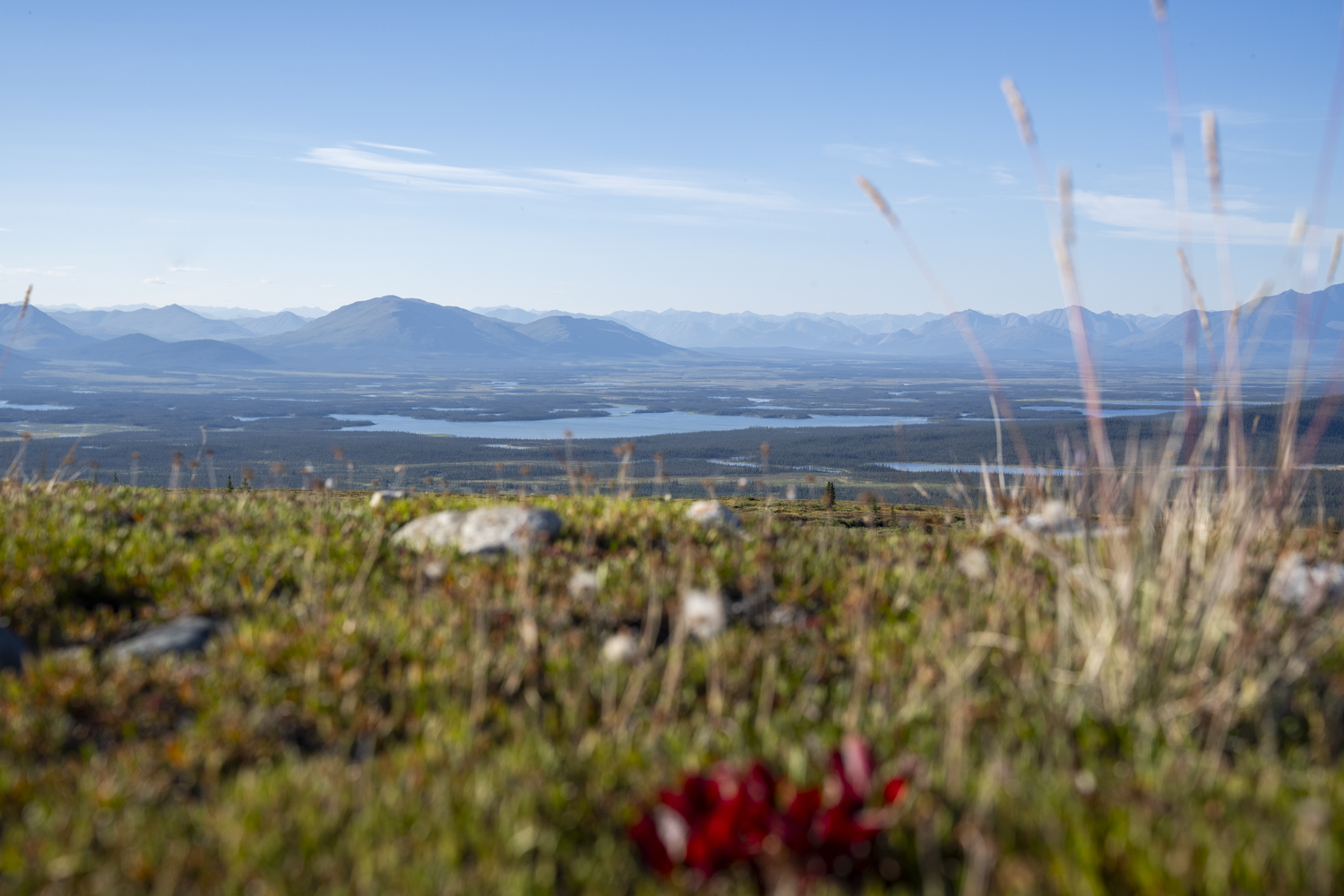
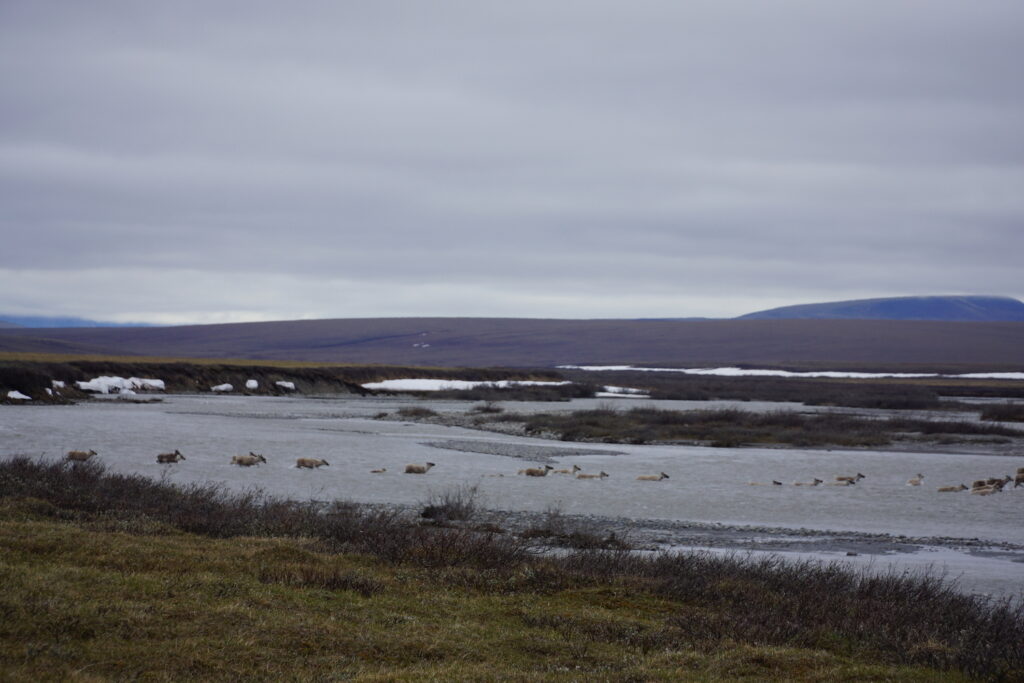
The Gwich’in, who refer to themselves as the "People of the Caribou," have a relationship with the Porcupine caribou herd that spans millennia. The herd, numbering approximately 218,000 animals, performs the longest annual land migration of any mammal on Earth, traveling thousands of miles between their wintering grounds and their calving grounds on the Coastal Plain of the Arctic Refuge. To the Gwich’in, this specific area is known as "Iizhik Gwats’an Gwandaii Goodlit," or "The Sacred Place Where Life Begins."
The Coastal Plain, often referred to as the 1002 Area, represents the biological heart of the 19.3 million-acre refuge. Beyond its role as a nursery for caribou, it provides critical denning habitat for the Southern Beaufort Sea polar bear population and serves as a nesting ground for millions of migratory birds that travel from all 50 U.S. states and six continents. For the Gwich’in, the protection of this land is not merely an environmental concern but a matter of human rights and cultural survival. Any disruption to the caribou’s calving cycle threatens the primary food source and spiritual foundation of the Gwich’in people.
Technical Realities of Seismic Exploration
The immediate catalyst for the emergency gathering is the threat of seismic exploration. This invasive process involves using massive "thumper trucks" to send acoustic vibrations deep into the earth to map potential oil and gas reserves. According to data from the Alaska Wilderness League, these vehicles can weigh up to 90,000 pounds—roughly the weight of 15 adult elephants.
The environmental impact of such machinery on the fragile Arctic tundra is profound. The process requires a grid of trails to be driven across the landscape. Because the Arctic permafrost is highly sensitive, these heavy vehicles can leave permanent scars, compacting the soil and altering the thermal balance of the ground. This often leads to thermokarst—a process where the permafrost melts, causing the ground to collapse and creating long-lasting trenches and ponds where dry tundra once existed. Furthermore, seismic activity poses a direct threat to denning polar bears; the noise and vibrations can cause mothers to abandon their dens, leaving cubs to perish in the extreme cold.
A History of Resistance: From 1988 to the Present
The recent emergency gathering in Arctic Village mirrors a historic precedent set in 1988. At that time, the Gwich’in Nation came together for the first time in over a century to address the initial push for oil development in the refuge. That meeting resulted in the formation of the Gwich’in Steering Committee and the appointment of eight elders tasked with "making friends with the world" to share their story and build a global coalition for protection.
While the Gwich’in typically hold biennial gatherings to reaffirm their stance, the 2024 emergency call reflects the heightened urgency of the current political and legal landscape. The timeline of the conflict over the Arctic Refuge is extensive:
- 1960: The Arctic National Wildlife Range is established by the Eisenhower Administration.
- 1980: President Jimmy Carter signs the Alaska National Interest Lands Conservation Act (ANILCA), which renames the area the Arctic National Wildlife Refuge and doubles its size, while setting aside the 1.5-million-acre Coastal Plain (the 1002 Area) for future study.
- 1988: The Gwich’in Nation holds its first modern gathering in response to drilling threats.
- 2017: The Tax Cuts and Jobs Act is passed, containing a provision that mandates the Department of the Interior to hold two lease sales in the Coastal Plain by 2024.
- 2021: A lease sale is held in the final days of the Trump Administration, though it yields limited interest, with the state-owned Alaska Industrial Development and Export Authority (AIDEA) being the primary bidder.
- 2024: Renewed efforts to move forward with seismic testing and environmental impact statements prompt the Gwich’in to call for international intervention.
The Nature of the Gathering: Indigenous Governance in Action
Professor Brennan Lagasse, who has been visiting Arctic Village by invitation since 2014, noted that the atmosphere of the meeting was distinct from previous years. The gathering operated under a non-Western directive, eschewing a formal, rigid agenda in favor of a community-led dialogue centered on the refuge.
Meetings took place in the village’s community hall, the same structure built for the 1988 gathering. Tribal leaders, elders, and youth sat together to discuss strategy, legal challenges, and community resilience. Lagasse described the process as an exercise in "active hope"—a term coined by ecophilosopher Joanna Macy. Despite the gravity of the threats, the four-day event was characterized by a sense of unity, humor, and cultural celebration. Evenings were marked by traditional dinners featuring caribou and other subsistence foods, followed by Gwich’in fiddling and dancing that lasted into the early morning hours.
The presence of outside organizations, including the Alaska Wilderness League and POW, served to reinforce the international nature of the coalition. The Gwich’in have successfully framed the defense of the Arctic Refuge not as a local land dispute, but as a global climate and human rights issue.
Economic and Financial Implications
A key component of the Gwich’in strategy has been to target the financial institutions that bankroll Arctic development. To date, the Gwich’in Steering Committee and its allies have successfully lobbied nearly every major U.S. and Canadian bank to adopt policies that prohibit or strictly limit the financing of oil and gas projects in the Arctic Refuge. This list includes industry giants such as JPMorgan Chase, Goldman Sachs, Wells Fargo, Citigroup, and Morgan Stanley.
This financial divestment movement has significantly altered the economic landscape for oil companies. Without the support of major insurers and lenders, the "failed lease sale" of 2021 serves as a testament to the growing perception that drilling in the refuge is both a reputational and financial risk. However, the mandate for development remains in federal law due to the 2017 Tax Act, creating a legal tug-of-war that the Gwich’in hope to resolve through permanent legislative protection.
Broader Impact and the Global Climate Crisis
The struggle for the Arctic Refuge is widely seen as a "canary in the coal mine" for global climate change. The Arctic is warming at nearly four times the global average, leading to rapid permafrost thaw, coastal erosion, and changes in wildlife migration patterns. Lagasse emphasized that the health of the Arctic ecosystem is inextricably linked to the rest of the planet.
"What happens in the Arctic is an indicator of what will happen to the rest of the planet," Lagasse noted. "Not allowing extraction in this region should be one of the top priorities for anyone who cares about the climate."
From a carbon perspective, leaving the refuge’s potential oil reserves in the ground is seen by climate scientists as a necessary step toward meeting international emissions targets. The industrialization of the Coastal Plain would not only release carbon through the extraction and combustion of fossil fuels but would also destroy the region’s natural capacity to sequester carbon in its peatlands and tundra.
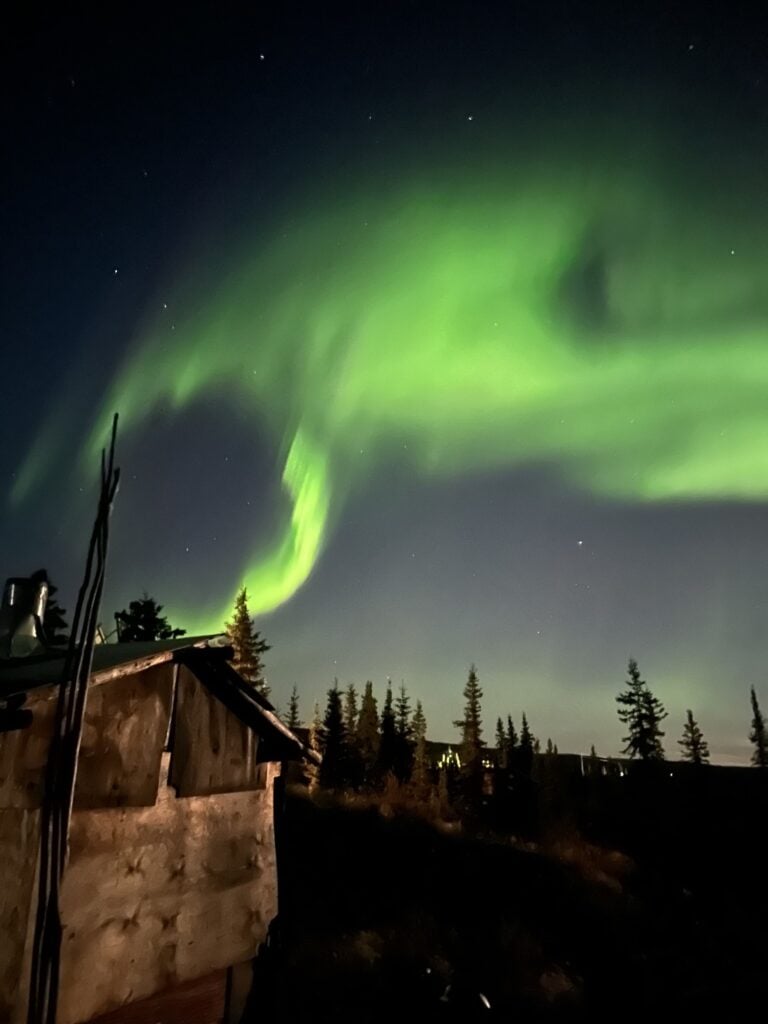
Conclusion: The Path Forward for the Refuge
As the Gwich’in Nation and its allies move forward, the focus remains on securing permanent protection for the Coastal Plain through the Arctic Refuge Protection Act or similar federal legislation. The emergency gathering in Vashraii K’oo served as a powerful reminder that the original stewards of the land remain organized and resolute.
For the general public, the Gwich’in Steering Committee suggests several avenues for support:
- Corporate Accountability: Engaging with banks and insurance companies to ensure they maintain their commitments against funding Arctic extraction.
- Educational Outreach: Utilizing resources such as Finis Dunaway’s Defending the Arctic Refuge and Quannah Chasinghorse’s film Walking Two Worlds to understand the historical and cultural context of the struggle.
- Civic Engagement: Participating in public comment periods and writing to legislative representatives to support the decommissioning of the 2017 drilling mandate.
The takeaway from the gathering was not one of defeat, but of continued vigilance. As Lagasse observed, the coalition-building led by the Gwich’in people provides a blueprint for environmental and social justice movements worldwide. By honoring the land and the species that depend on it, the Gwich’in Nation continues to lead a global effort to preserve one of the Earth’s last truly wild places for future generations.
