

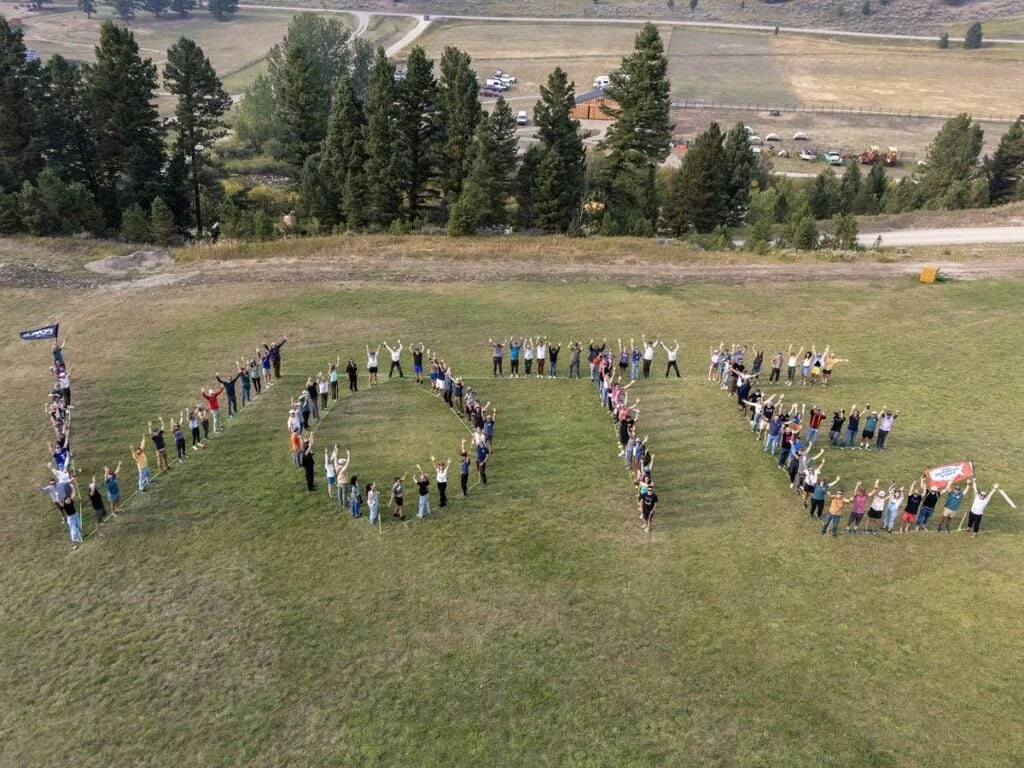
The intersection of outdoor recreation and federal policy has reached a critical juncture as Protect Our Winters (POW), a leading advocacy organization for the outdoor community, announced a comprehensive mobilization strategy ahead of the 2026 midterm elections. The initiative, titled "Shift Who Decides," seeks to transform the collective influence of skiers, climbers, hikers, and anglers into a decisive voting bloc capable of influencing climate policy and public land management. With a stated goal of reaching 45 million eligible voters, the campaign arrives during a period of significant legislative volatility and a shifting regulatory landscape for the American wilderness.
The strategy is predicated on the belief that the "Outdoor State"—a demographic of outdoor enthusiasts that, if unified, would represent one of the largest voting cohorts in the United States—has historically been underutilized in the political process. By emphasizing the direct connection between electoral outcomes and the preservation of natural resources, POW aims to elevate clean air, clean water, and climate resilience to the forefront of the national political discourse. This movement comes as the outdoor industry continues to grow as a significant economic engine, contributing over $1 trillion to the U.S. Gross Domestic Product (GDP).
Historical Context and Recent Regulatory Shifts
The urgency of the 2026 campaign is rooted in what conservationists describe as an aggressive period of deregulation regarding public lands and environmental protections. Over the last 18 months, federal oversight of natural resources has faced numerous challenges, ranging from executive orders to judicial rulings. One of the most significant shifts occurred following the Supreme Court’s 2023 decision in Sackett v. EPA, which significantly narrowed the scope of the Clean Water Act and removed federal protections from millions of acres of wetlands.
Additionally, the management of federal lands has seen a renewed emphasis on energy extraction. Recent policy adjustments have streamlined the permitting process for oil and gas leasing on Bureau of Land Management (BLM) lands, often in areas previously designated for conservation or recreational use. Advocates for these changes argue they are necessary for national energy security and economic growth. However, organizations like Protect Our Winters contend that these "rollbacks" occur when decision-makers are not held accountable by the primary users of those lands.
The history of the "Outdoor State" as a political entity has evolved from localized conservation efforts to a sophisticated national network. Historically, outdoor advocacy was siloed into specific interests—such as trout conservation or trail access. The current movement seeks to bridge these gaps, uniting disparate groups under the banner of climate action. The 2026 midterms are viewed as a defensive line against the systemic dismantling of environmental frameworks established over the previous decades, including the National Environmental Policy Act (NEPA) and the Antiquities Act.
The Economic Power of the Outdoor Recreation Sector
A central component of the argument for increased political participation is the sheer economic scale of the outdoor industry. According to the most recent data from the U.S. Bureau of Economic Analysis (BEA), the outdoor recreation economy accounts for 2.2% of the U.S. GDP. This sector generates $1.1 trillion in gross output and supports nearly five million jobs across the country. In states like Colorado, Montana, and Utah, the outdoor economy is a primary driver of state revenue, often surpassing traditional industries like mining or agriculture.
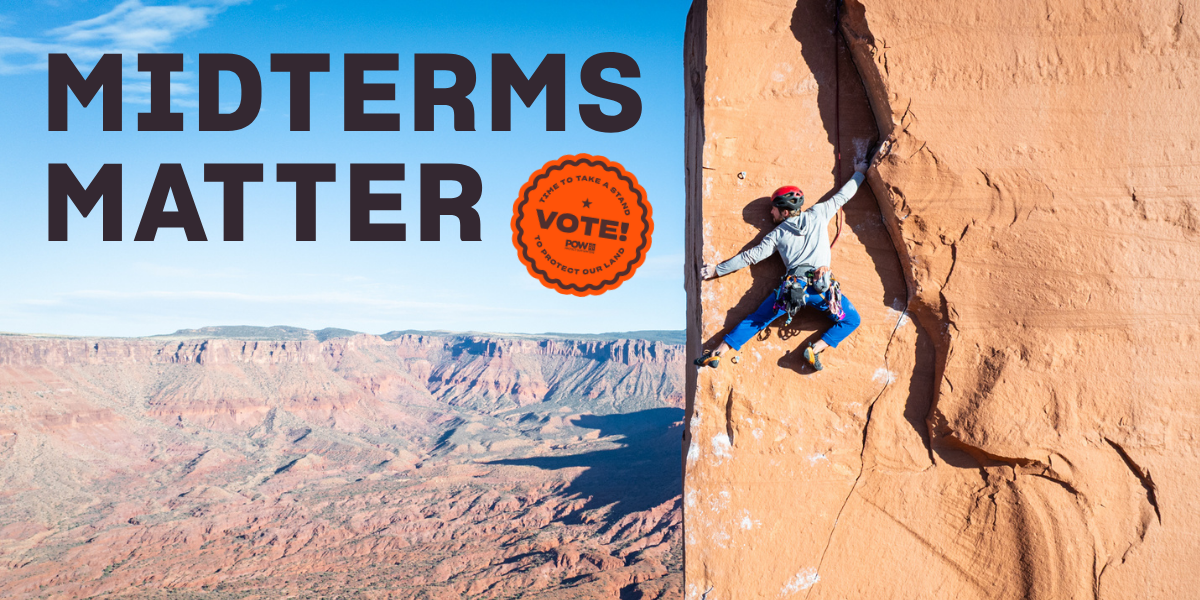
Despite this economic footprint, the outdoor community has often struggled to translate financial power into legislative influence. Protect Our Winters argues that the "margins" of elections—much like the thin margins of error in high-altitude mountaineering or ultra-marathon racing—are where the future of public lands is decided. In many "purple" states, where the outdoor industry is a major employer, the margin of victory in congressional races is often smaller than the number of registered voters who identify as outdoor enthusiasts.
The 2022 midterm elections provided a proof of concept for this mobilization. Voter turnout reached 52.2% of the voting-age population, one of the highest marks for a midterm cycle in nearly half a century. POW and its partners aim to build on this momentum, targeting a turnout rate that exceeds 2022 levels by focusing on voter registration, education, and "get-out-the-vote" (GOTV) efforts in key geographic corridors.
Chronology of Advocacy and Electoral Milestones
The path toward the 2026 mobilization is marked by several key milestones in environmental policy and advocacy:
- 2018 Midterms: A significant surge in youth and "non-traditional" voter turnout brought climate change into the mainstream political conversation, leading to the formation of the House Select Committee on the Climate Crisis.
- 2020 General Election: The passage of the Great American Outdoors Act represented a rare bipartisan victory, providing permanent funding for the Land and Water Conservation Fund (LWCF) and addressing the maintenance backlog on federal lands.
- 2022 Midterms: High turnout in mountain districts and coastal regions demonstrated the potential of the "Outdoor State" to influence competitive races, particularly in the Western United States.
- 2023-2024 Regulatory Rollbacks: A series of administrative and judicial actions reduced protections for old-growth forests and eased restrictions on methane emissions from energy production on public lands.
- 2025 Preparations: Protect Our Winters and its coalition partners begin the "backcountry guide" phase of their campaign, focusing on updating voter registrations and identifying key legislative targets for the 2026 cycle.
Strategic Pillars: Shift Who Decides
The "Shift Who Decides" campaign is structured around three primary pillars: education, activation, and accountability. Protect Our Winters has developed a suite of digital tools and "backcountry guides" designed to simplify the voting process. These resources provide voters with localized information on candidate platforms regarding climate policy, land use, and renewable energy transition.
The activation phase involves a massive outreach program utilizing POW’s "Alliance," which includes professional athletes, scientists, and industry leaders. By leveraging the cultural influence of these individuals, the campaign seeks to reach voters who may be disillusioned with traditional partisan politics but are deeply invested in the protection of their "local playgrounds"—the mountains, rivers, and trails they frequent.
Accountability serves as the final pillar. The campaign intends to track the voting records of elected officials and hold them publicly accountable for their stances on environmental rollbacks. This involves a shift from reactive advocacy—protesting a specific mine or drilling project—to proactive political engagement that ensures pro-conservation candidates are elected in the first place.
Official Responses and Political Implications
The movement to politicize the outdoor community has met with varying responses from the political establishment. Proponents of the initiative, including several members of the Congressional Outdoor Recreation Caucus, argue that the outdoor community provides a unique, bipartisan bridge in an increasingly polarized electorate. Because the love of wild places often transcends party lines, the "Outdoor State" has the potential to advocate for policies that enjoy broad public support, such as the expansion of National Monuments and the protection of watersheds.

Conversely, some industry-aligned groups and lawmakers have criticized the focus on climate-centric voting, suggesting that it may alienate rural voters who depend on traditional extractive industries. These critics argue that land management should prioritize "multiple-use" mandates, which include energy development and grazing alongside recreation.
However, fact-based analysis of recent trends suggests that the "recreation-first" model is gaining traction. Economic data indicates that counties with protected public lands see faster rates of job growth and higher levels of per capita income than those without. This economic reality is expected to be a primary talking point for POW as they engage with voters in the 2026 cycle.
Broader Impact and Future Outlook
The implications of the 2026 midterm elections extend far beyond the immediate preservation of snowpack or trail access. The outcome will likely determine the United States’ ability to meet its international climate commitments, including the goals set forth in the Paris Agreement. Federal land management plays a pivotal role in this, as public lands currently account for approximately 24% of all U.S. greenhouse gas emissions, primarily through fossil fuel extraction.
As the campaign progresses, the focus will remain on the "margins." In the context of American elections, midterms are frequently decided by a small percentage of the electorate. By treating the ballot box with the same intensity as a technical mountain ascent, Protect Our Winters seeks to ensure that the outdoor community is no longer a passive observer of policy changes.
The 2026 cycle represents a definitive test for the "Outdoor State." If the campaign succeeds in reaching its 45 million voter target, it could fundamentally alter the power dynamics of environmental politics in the United States. For organizations like Protect Our Winters, the message is clear: the era of "winging it" in the political arena is over. Success in the mountains and success at the polls both require a disciplined, data-driven approach to preparation. As the deadline for the 2026 midterms approaches, the outdoor community is being called upon to transition from enthusiasts to advocates, ensuring that the places they live, work, and recreate are protected for future generations.
