

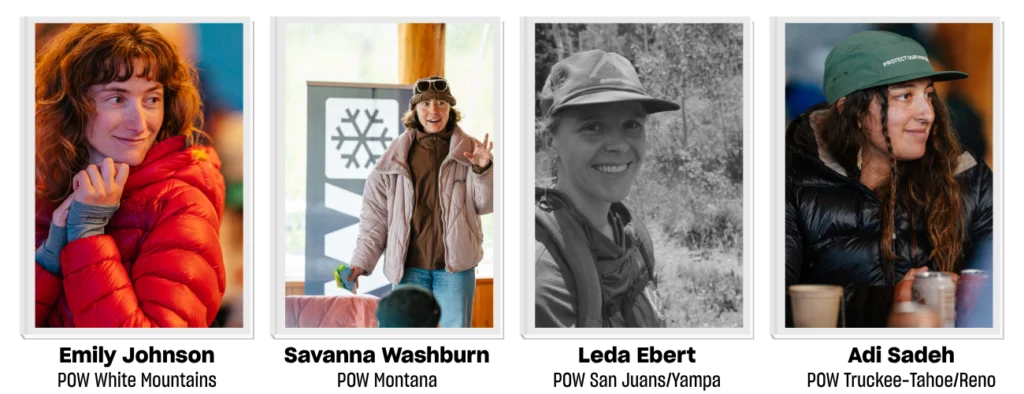
The intersection of outdoor recreation and climate policy has evolved from high-level national campaigns into a sophisticated network of localized grassroots movements. At the center of this transition is the Protect Our Winters (POW) Chapter Program, a strategic initiative designed to bridge the gap between outdoor enthusiasts and civic engagement. By deploying field organizers into key mountain and coastal regions, the organization is attempting to convert the cultural influence of the outdoor industry into tangible legislative and regulatory outcomes. These organizers, stationed in regions ranging from the White Mountains of New Hampshire to the Sierra Nevada in California, represent a new model of environmental advocacy that prioritizes community-led action over top-down directives.
The Strategic Shift to Grassroots Advocacy
Founded in 2007 by professional snowboarder Jeremy Jones, Protect Our Winters initially focused on mobilizing the "Outdoor State"—a demographic of approximately 50 million Americans who identify as outdoor enthusiasts. While the organization gained prominence through its athlete-led lobbying efforts in Washington, D.C., the recent expansion of the Chapter Program signals a strategic pivot toward local and state-level governance. This shift recognizes that many of the most consequential decisions regarding clean energy transition, public land management, and carbon emissions are made at the municipal and county levels.
The field organizers leading these chapters serve as intermediaries between the "powder-loving" community and the often-opaque world of local policy. According to internal program descriptions, these roles require a dual fluency in adrenaline sports and administrative procedure. The current cohort of organizers—Emily Johnson in the White Mountains, Savanna in Montana, Leda in Southwest Colorado, and Adi in the Truckee-Tahoe region—demonstrates the professionalization of this grassroots network.
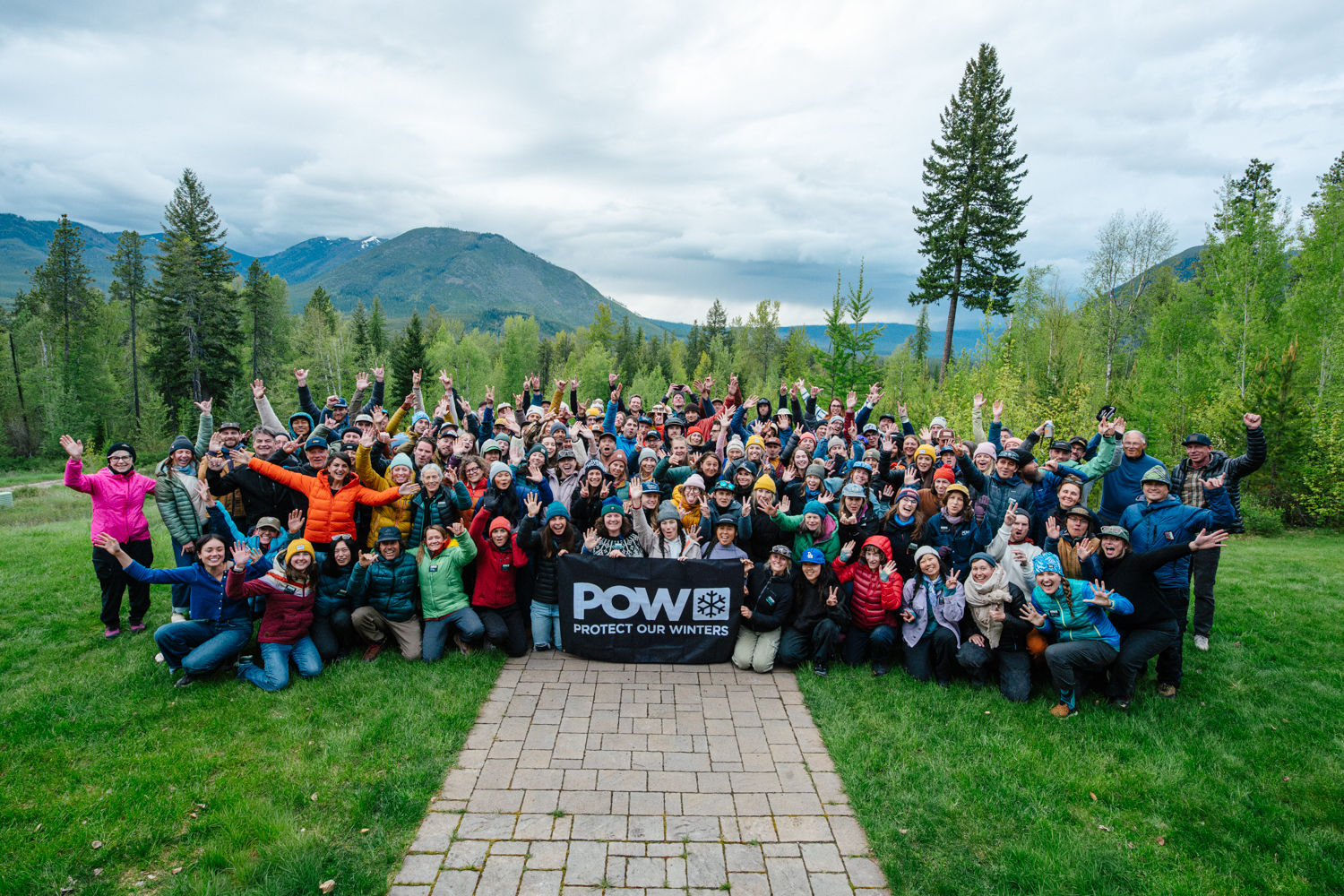
Regional Profiles and the Personalization of Policy
The effectiveness of the Chapter Program relies heavily on the local credibility of its organizers. In New Hampshire, Emily Johnson, a native of Farmington, Maine, leverages her deep roots in the White Mountains to engage a community where winter tourism is a primary economic driver. Johnson’s background in skiing and mountain biking provides a common language for discussing the broader implications of climate change on regional ecosystems. Her focus remains on building "collective power" to challenge established interests that historically dominate environmental policy.
In Montana, Savanna manages the Gallatin Valley and broader state initiatives. Her approach emphasizes the "numbers game" of movement building, suggesting that collective action is the primary antidote to the apathy often found in rural communities. For Savanna, the connection between childhood access to wild spaces and adult advocacy is a central theme, aiming to ensure that future generations inherit the same "sense of wonder and belonging" afforded by Montana’s landscapes.
Leda, operating in Southwest Colorado and the Yampa Valley, focuses on the intersection of human and environmental work. With a background in undergraduate study in the Midwest and field experience in Utah, she views her role as fostering "resilient communities" capable of sustaining long-term climate action. Similarly, Adi, based in the Truckee-Tahoe and Reno area, brings a background in geography and conservation work to the California-Nevada border. Adi’s work is characterized by an emphasis on civic engagement, having transitioned from high school lobbying to professional ecological advocacy.
Analyzing the Impact of Local Advocacy
The rationale for focusing on local advocacy is supported by political data suggesting that individual voices carry significantly more weight in municipal and county-level decisions. While national campaigns often face gridlock and partisan polarization, local initiatives frequently hinge on narrow margins.

Field organizers point to several key reasons why local engagement is critical:
- Direct Impact on Daily Life: Decisions regarding affordable housing, snow removal, and municipal utility rates are made by city and county officials. These factors directly influence the ability of individuals to live and recreate in mountain communities.
- Voting Power and Turnout: Local elections are historically plagued by low voter turnout. In many rural districts, elections for utility boards or county commissions can be decided by fewer than ten votes. This provides a high return on investment for grassroots mobilization efforts.
- Accessibility of Officials: Unlike members of Congress, local officials are often neighbors or community members, making them more susceptible to direct public pressure and informed public comment.
Chronology of Recent Successes and Case Studies
The Chapter Program has already recorded a series of legislative and regulatory victories that demonstrate the efficacy of its localized approach.
New Hampshire: The Electric Cooperative Election
In early 2024, the POW Action Fund, the sister organization of the Chapter Program, supported the successful election of Laurel Boivin to the New Hampshire Electric Coop’s (NHEC) Board of Directors. Boivin, an expert in energy policy and community relations, brought a pro-renewable perspective to a board responsible for the energy future of thousands of Granite State residents. This victory illustrates how organizers can influence the transition to clean energy by targeting the governance of rural electric utilities.
Nevada: The TregoGrid Project
In the Reno-Tahoe region, the chapter focused its efforts on decarbonization through the advancement of clean energy infrastructure. In April 2024, the chapter successfully advocated for the TregoGrid project, which integrated 200 MW of battery storage into the regional grid. This project is considered a cornerstone for meeting the state’s long-term carbon neutrality goals.
Colorado: Battery Energy Storage Systems (BESS)
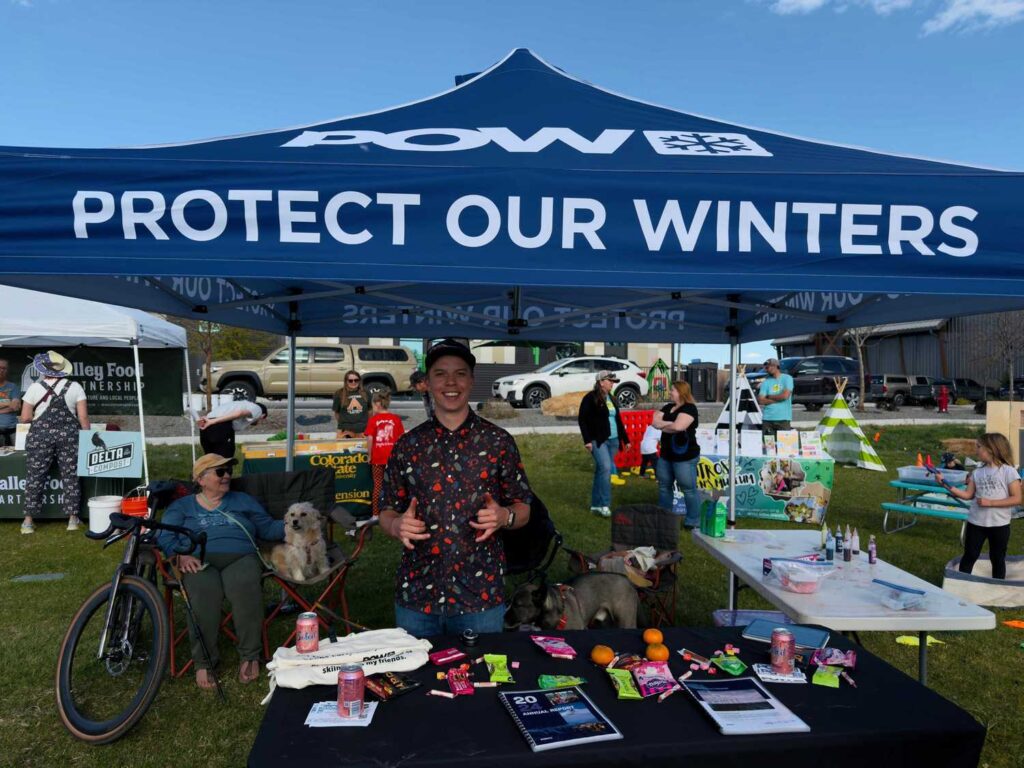
In La Plata County, Colorado, local organizers played a pivotal role in lifting a moratorium on Battery Energy Storage Systems. By mobilizing residents to submit public comments and attend county commissioner meetings, the chapter helped clear the regulatory path for modernizing the local energy grid.
Montana: The Integrated Resource Plan (IRP)
In Montana, the Bozeman chapter has been actively challenging NorthWestern Energy’s Integrated Resource Plan. The company’s proposed 20-year strategy has faced criticism for its continued reliance on gas, coal, and nuclear energy at the expense of wind and solar. Organizers utilized creative engagement strategies, such as community bike rides followed by public comment writing sessions, to demystify technical planning documents and encourage civic participation.
Supporting Data: The Economic Stakes of Climate Advocacy
The work of POW field organizers is set against a backdrop of significant economic risk. According to the U.S. Bureau of Economic Analysis (BEA), the outdoor recreation economy accounted for $1.1 trillion in gross economic output in 2022, representing 2.2% of the U.S. GDP. In states like Montana and New Hampshire, the sector is even more critical, supporting thousands of jobs and providing a tax base for rural infrastructure.
However, climate data indicates that the "winter" upon which much of this economy relies is shrinking. A study published in Current Issues in Tourism suggests that by 2050, more than half of the ski resorts in the Northeast U.S. may no longer be economically viable due to shortened seasons and unreliable snowpack. This data underscores the urgency of the Chapter Program’s mission; for these communities, climate advocacy is not merely an ideological pursuit but an economic necessity.
Broader Impact and Future Outlook
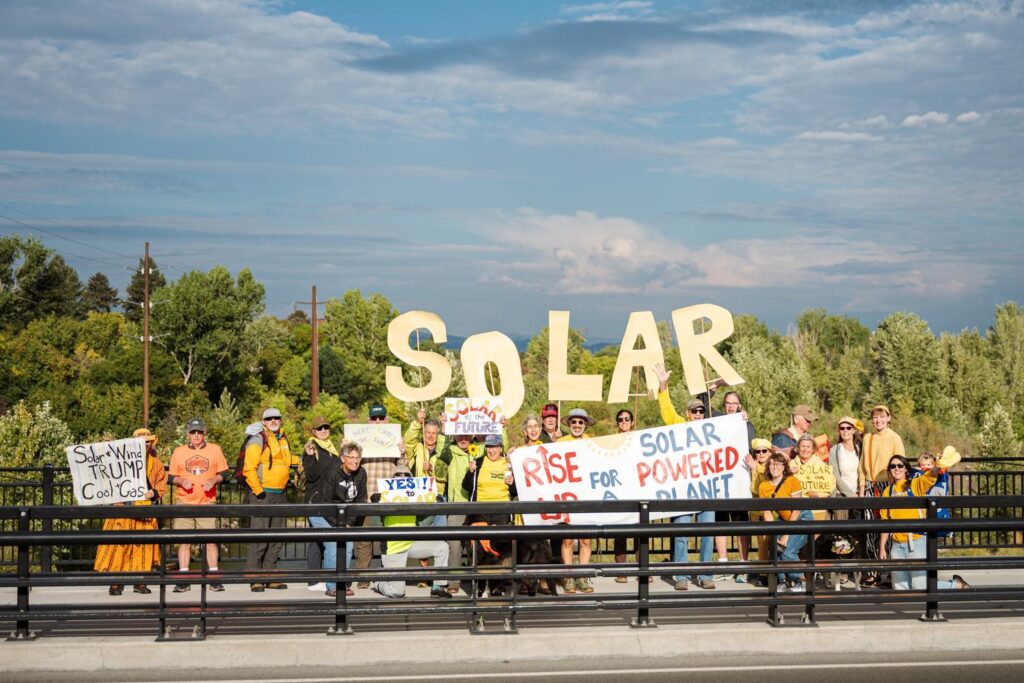
As the 2026 midterm election cycle approaches, the POW Chapter Program is scaling its operations. The organizers are shifting their focus toward voter turnout in key congressional districts, such as New Hampshire’s CD1 and Nevada’s CD3. The strategy involves "Run to the Polls" events and community gatherings designed to lower the barrier to entry for first-time voters and those intimidated by the political process.
The organizers emphasize that the primary barrier to advocacy is often a perceived lack of expertise. "You don’t have to be an expert to be an advocate," Emily Johnson noted, highlighting that personal narratives regarding the value of outdoor spaces are often the most effective tools for influencing policy. This sentiment is echoed across the chapters, where the goal is to build a "supportive community" that provides the training and resources necessary for citizens to speak at city council meetings or write letters to the editor.
The long-term implications of this movement suggest a fundamental change in how environmental policy is shaped in the United States. By decentralizing advocacy and empowering local leaders, Protect Our Winters is creating a resilient network capable of sustained engagement regardless of the political climate in Washington. The success of the Chapter Program will likely be measured not just in bills passed, but in the growing number of outdoor enthusiasts who see themselves as active participants in the democratic process. As the organization continues to grow, its ability to link the joy of outdoor recreation with the rigors of civic duty will remain its most potent asset in the fight for a stable climate.
