

The phenomenon of the summer heat wave, once a seasonal rarity that defined the peak of July, has evolved into a persistent and dangerous architectural feature of the global climate. As temperatures across the Northern Hemisphere continue to shatter historical records, meteorologists and atmospheric scientists are documenting a fundamental shift in how these events form, how long they last, and the intensity with which they impact human health and infrastructure. According to the National Oceanic and Atmospheric Administration (NOAA), a heat wave is technically defined as a period of two or more days of abnormally high temperatures. However, this clinical definition often fails to capture the multi-faceted hazard presented by modern thermal extremes, which are increasingly characterized by high humidity, stagnant air masses, and a lack of nocturnal cooling.
Will Stikeleather, a Boston-based meteorologist and atmospheric scientist associated with the POW Science Alliance, notes that the ambiguity of the technical definition reflects the various ways heat waves manifest across different geographies. While some events are defined by raw temperature spikes, others are made lethal by humidity, which significantly increases heat stress on the human body by inhibiting the evaporation of sweat. To understand the current trajectory of global summers, it is necessary to examine the atmospheric mechanics of the "heat dome" and the undeniable influence of anthropogenic climate change on these weather patterns.
The Mechanics of the Heat Dome and Atmospheric Blocking
Most contemporary heat waves are driven by large, high-pressure systems in the upper atmosphere. These systems act as a cap, trapping warm air over a broad region in a phenomenon frequently referred to as a "heat dome." In these systems, high pressure causes air to sink toward the surface. As the air descends, it is compressed and undergoes adiabatic warming, which significantly raises ground-level temperatures. Furthermore, the clockwise rotation of air around a high-pressure center in the Northern Hemisphere can act as a pump, drawing in warm, humid air from the south and transporting it into the affected zone.

The most dangerous iterations of these heat domes occur when they become stationary. Under normal conditions, the jet stream—a fast-moving ribbon of air in the upper atmosphere—pushes weather systems from west to east. However, when the jet stream develops large, slow-moving undulations, it can create "atmospheric traffic jams" or blocking patterns. These blocks prevent high-pressure systems from moving, causing heat to bake a single region for days or even weeks.
A primary example of this occurred during the summer of 2021, when a prolific heat wave stalled over the Pacific Northwest and British Columbia. This event drove temperatures above 115°F in regions where such extremes were previously thought impossible. The town of Lytton, British Columbia, famously reached 121.3°F before being largely destroyed by a wildfire fueled by the intense heat. Such events are no longer considered statistical outliers but are instead symptomatic of a changing atmospheric baseline.
The Statistical Reality of a Warming Baseline
The link between climate change and heat wave intensity is no longer a matter of theoretical projection but is supported by over a century of recorded data. From 1895 to 2023, the contiguous United States (CONUS) warmed by approximately 2°F. While a two-degree shift might seem marginal in the context of daily weather fluctuations, it represents a massive increase in the total energy held within the climate system. This shift in the baseline temperature ensures that when heat waves do occur, they start from a higher floor, reaching peak intensities that were previously unattainable.
Research conducted by NOAA indicates that the frequency of heat waves in the United States has nearly tripled since the 1960s. Perhaps more concerning is the expansion of the "heat wave season." The duration between the first and last heat wave of the year has more than doubled, increasing from an average of 25 days in the mid-20th century to approximately 70 days today. This expansion allows for extreme thermal events to occur in the late spring and early autumn, catching ecosystems and communities off guard.

The Intergovernmental Panel on Climate Change (IPCC), in its sixth assessment report (IPCC6), stated that it is "virtually certain" that climate change has increased the frequency and severity of warm temperature extremes globally. The 2021 Western Canada heat wave, which was estimated to be a once-in-1,000-year event, was found to be 2°C hotter than it would have been in a pre-industrial climate. As global temperatures continue to rise, the atmospheric conditions required to trigger a severe heat wave become less anomalous, making extreme heat a regular feature of the seasonal cycle.
Geographical Vulnerability and the Role of Humidity
The impact of a heat wave is heavily dictated by local geography and the presence of moisture. On the East Coast of the United States, rising sea surface temperatures are fueling increased evaporation, which in turn amplifies inland humidity. Because warmer air can hold approximately 7% more moisture for every 1°C of warming, modern heat waves are increasingly "wet" events.
To measure the true impact of these conditions, scientists utilize the Wet Bulb Global Temperature (WBGT), which combines temperature, humidity, wind speed, and solar radiation to assess heat stress. In the summer of 2024, record-breaking WBGT levels were observed across Europe. During a late June heat event, 45% of Western European urban areas set new WBGT records. In Spain, France, and parts of Central Europe, the temperatures experienced were estimated to be 3.5°C higher than they would have been under similar atmospheric conditions in the 1970s. The 40°C threshold, once a rarity in Europe, is now ten times more likely to occur than it was even twenty years ago.
Arctic Amplification and the "Wavy" Jet Stream
One of the most complex areas of ongoing research involves "Arctic Amplification"—the phenomenon where the polar regions warm at a rate significantly faster than the rest of the planet. This rapid warming reduces the temperature gradient between the poles and the equator, which is the primary driver of the jet stream’s strength.
Research by scientists such as Jennifer Francis and Stephen Vavrus suggests that a weaker temperature gradient leads to a "wavier" jet stream. These exaggerated North-South meanders are more prone to becoming stuck, leading to the persistent blocking patterns mentioned previously. While the scientific community continues to debate the exact degree of this influence, the observed trend toward more stubborn, slow-moving weather systems aligns with the projections of Arctic Amplification models. This trend is particularly evident in Alaska, which is currently the fastest-warming state in the U.S. due to its proximity to the melting cryosphere.
The Urban Heat Island Effect and Nighttime Recovery
As heat waves intensify, the built environment of cities creates a unique and deadly feedback loop known as the Urban Heat Island (UHI) effect. Urban infrastructure, composed of concrete, asphalt, and steel, has a low albedo, meaning it absorbs and stores solar radiation rather than reflecting it. In contrast, rural areas with dense vegetation can cool the air through evapotranspiration—the process by which plants release water vapor into the atmosphere.
The most critical danger of the UHI effect is the lack of nighttime cooling. In a natural environment, temperatures drop significantly after sunset, allowing the human body and the electrical grid to recover from daytime stress. In cities, however, the stored heat in buildings and roads is slowly released throughout the night, keeping temperatures dangerously high. This lack of a recovery window is a leading cause of heat-related mortality, particularly among vulnerable populations such as the elderly and those living in substandard housing without adequate ventilation.
Compounding Hazards: Wildfires and Grid Instability
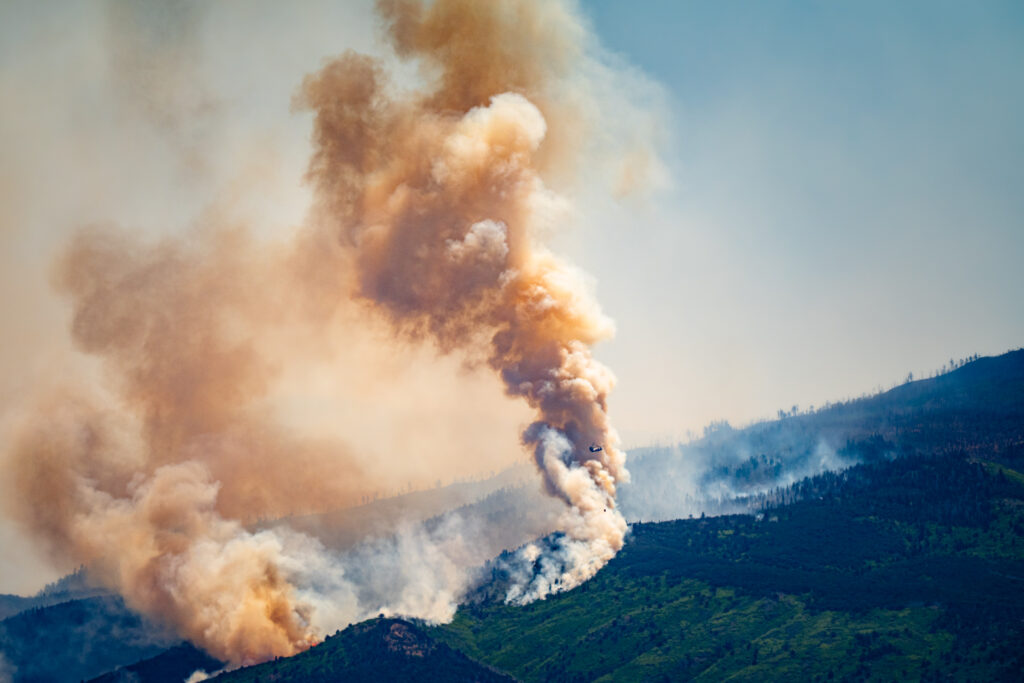
Extreme heat does not exist in a vacuum; it acts as a force multiplier for other natural disasters. In the Pacific Northwest and the Rocky Mountains, the combination of record-low snowpack and extended heat domes has created a "tinderbox" effect. By July 2024, vegetation in many regions had "cured" or dried out to a level normally not seen until September. This has expanded the window for extreme wildfire behavior, pushing the fire season weeks ahead of schedule in areas like Spokane, Washington.
Furthermore, the increased reliance on air conditioning during these peaks creates a systemic strain on the electrical grid. As millions of units draw power simultaneously, the risk of brownouts or total grid failure increases. This creates a dangerous paradox: the very tool used to survive the heat contributes to the carbon emissions that drive global warming, while also threatening to fail at the moment of greatest need.
The Path Toward Systemic Resilience
Addressing the escalation of heat waves requires a shift from temporary cooling measures to long-term systemic resilience. While individual actions like staying hydrated and seeking shade are necessary for immediate safety, they do not address the root cause of the warming trend.
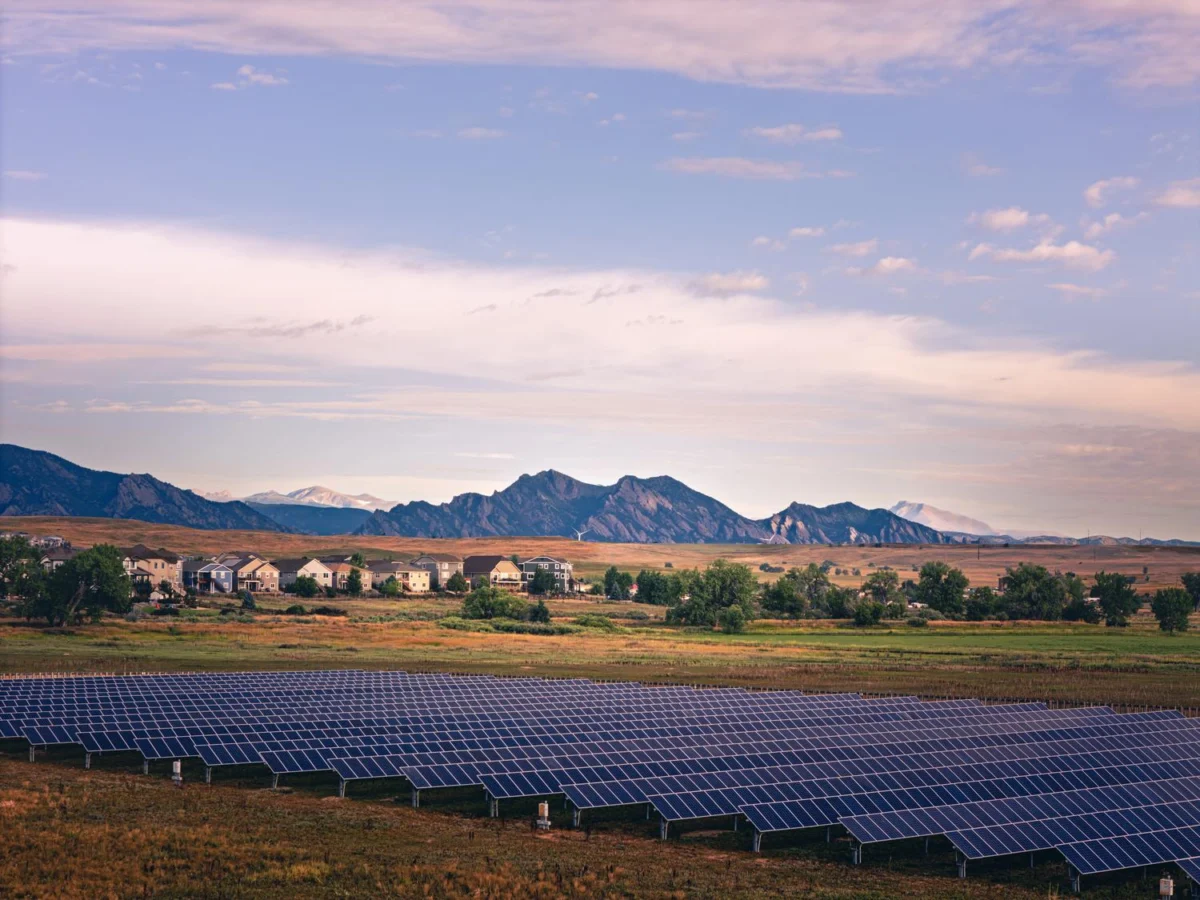
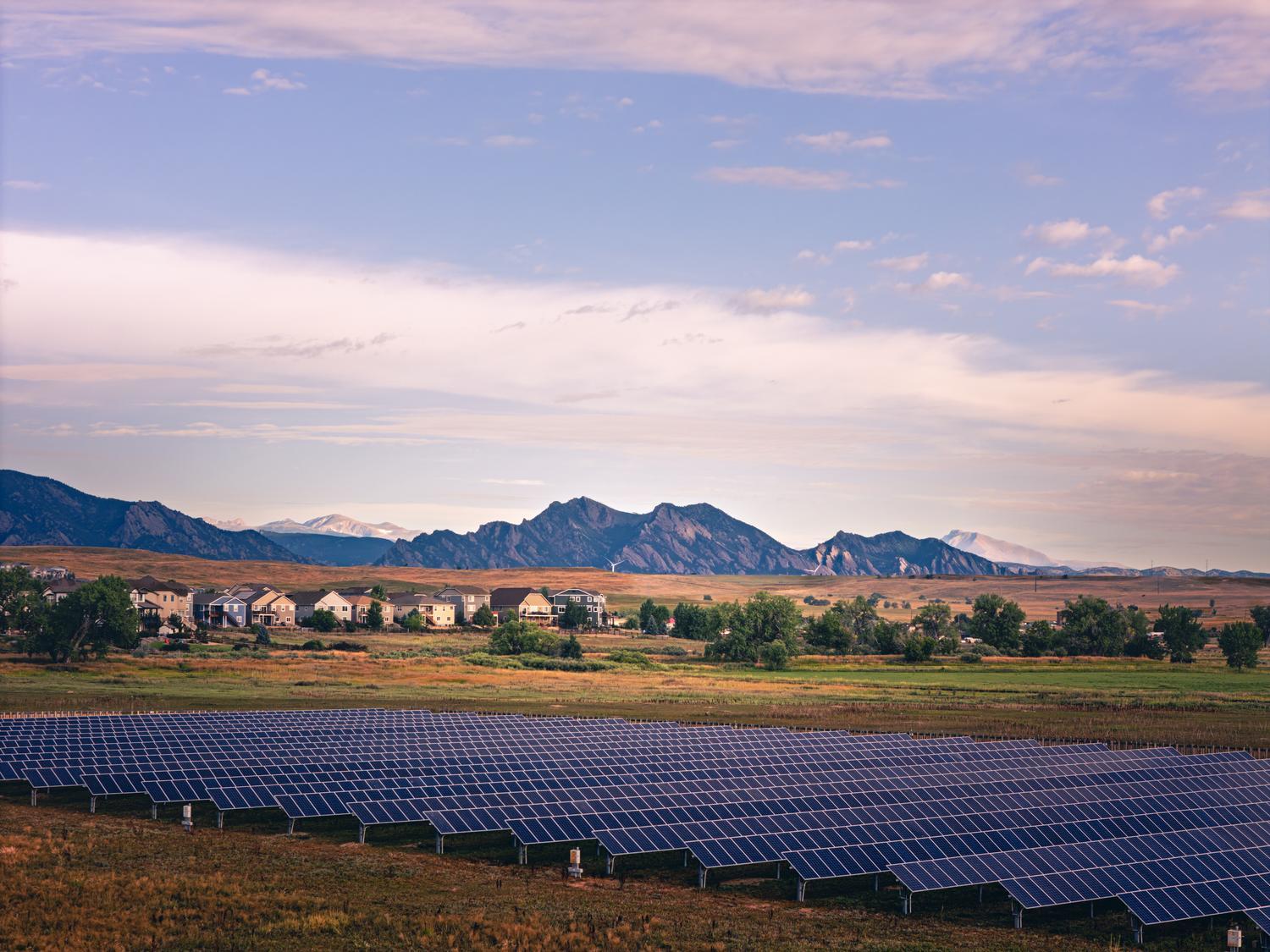
Meteorologists and climate advocates emphasize the need for local and national transitions to clean energy. Solutions such as community solar gardens, rural electric co-ops, and grid modernization are currently being implemented across the United States to reduce the carbon intensity of our cooling needs. By transitioning to a decentralized, renewable energy grid, communities can improve their reliability during peak demand and contribute to the global effort to stabilize the climate.
The data provided by the POW Science Alliance and atmospheric researchers like Will Stikeleather underscores a clear reality: the "sufferfest" of the modern summer is the result of a fundamental change in our atmosphere. As heat waves become more frequent, intense, and long-lasting, the priority must shift toward both rapid decarbonization and the hardening of our infrastructure against an increasingly volatile thermal environment. The goal is to ensure a future where the outdoor world remains a place of refuge rather than a hazard to human health.
