

Professional gravel cyclist and Protect Our Winters (POW) Bike Alliance member Sarah Sturm has officially unveiled a new artistic collaboration with Bivo, a manufacturer specializing in high-performance stainless steel water bottles. The partnership represents a significant intersection of athletic excellence, creative expression, and environmental stewardship, aimed at raising funds and awareness for climate advocacy. Sturm, a veteran of the professional gravel racing circuit for nearly a decade, transitioned from her typical role as a competitor to that of a lead designer for this project, utilizing her background in the arts to craft a visual narrative that celebrates the connection between outdoor recreation and environmental preservation.
The collaboration comes at a critical juncture for the outdoor industry, as professional athletes increasingly leverage their platforms to address the systemic challenges posed by a changing climate. By integrating functional gear with mission-driven design, the POW x Bivo project seeks to provide a tangible way for consumers to support climate policy initiatives while benefiting from sustainable product innovation. The proceeds from the limited-edition bottle are designated to support POW’s ongoing efforts to mobilize the outdoor community toward non-partisan climate solutions and large-scale systemic change.
The Convergence of Athletics and Artistry
Sarah Sturm’s journey to this collaboration is rooted in a dual identity that predates her professional cycling career. Before becoming a household name in the gravel community, Sturm was an artist, a discipline that took a secondary role as her athletic trajectory accelerated over the past nine years. Carving a niche for herself in high-desert and mountain terrains, Sturm has consistently placed on podiums across the United States, yet the demands of elite competition often left little room for creative pursuits. This project served as a catalyst for Sturm to reclaim her artistic identity, proving that professional athletes can maintain multifaceted roles without compromising their competitive edge.
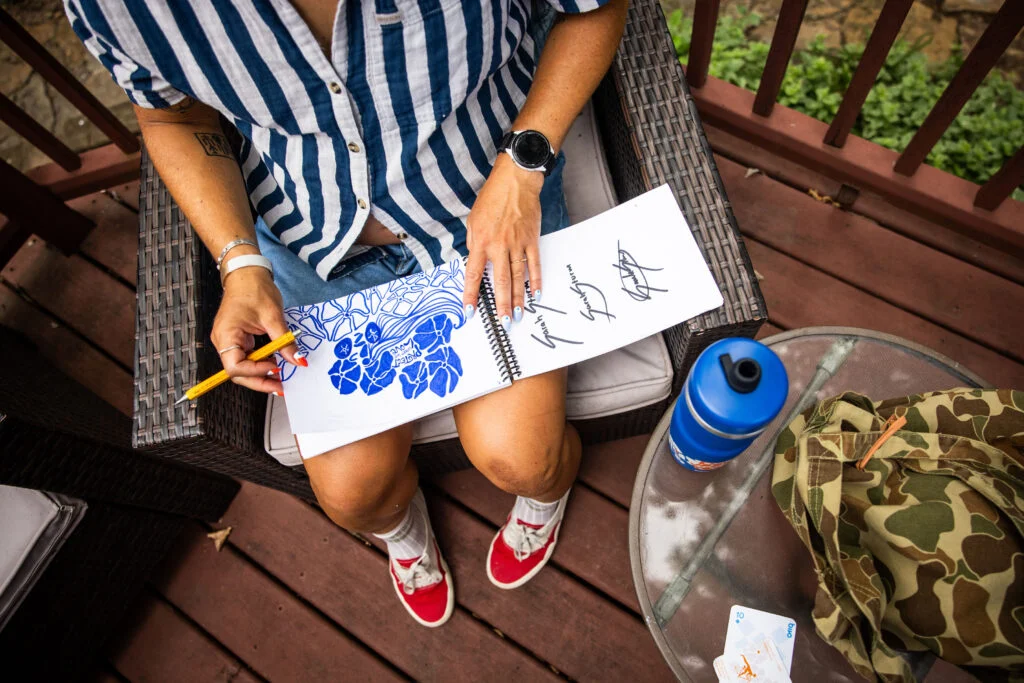
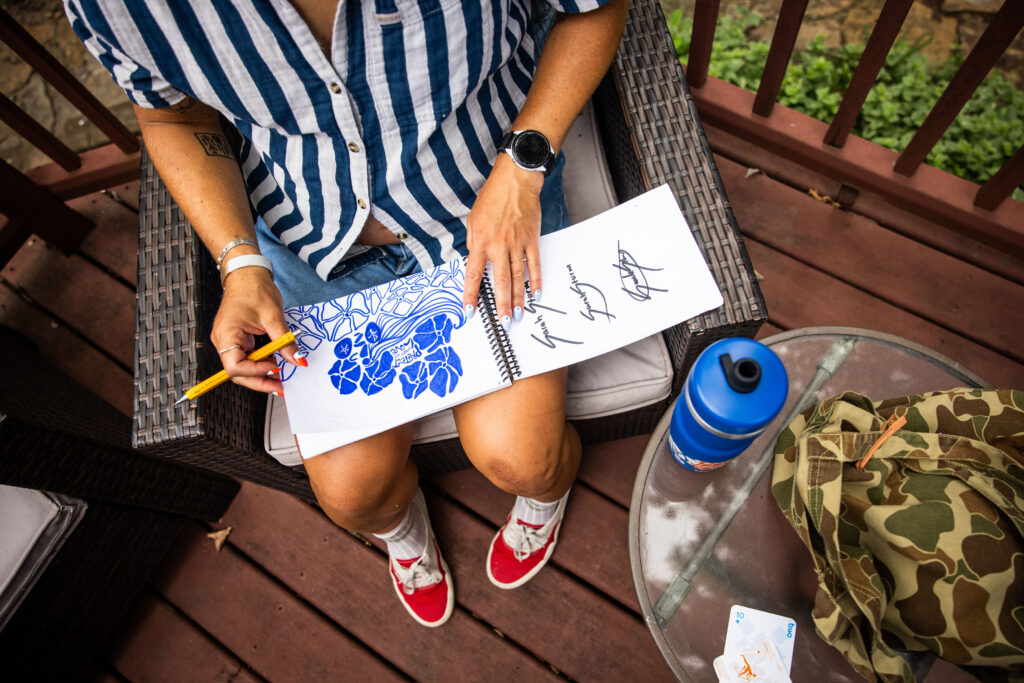
The design process for the Bivo bottle did not begin in a studio but rather in the saddle. Sturm noted that the repetitive nature of five-to-six-hour training rides provided the necessary mental space for brainstorming. This "on-bike" ideation reflects the reality of the endurance athlete’s lifestyle, where long hours of solitude often lead to profound creative breakthroughs. Sturm moved from mental sketches to physical paper and pencil, favoring traditional tools to develop a motif that felt organic and grounded in the natural world.
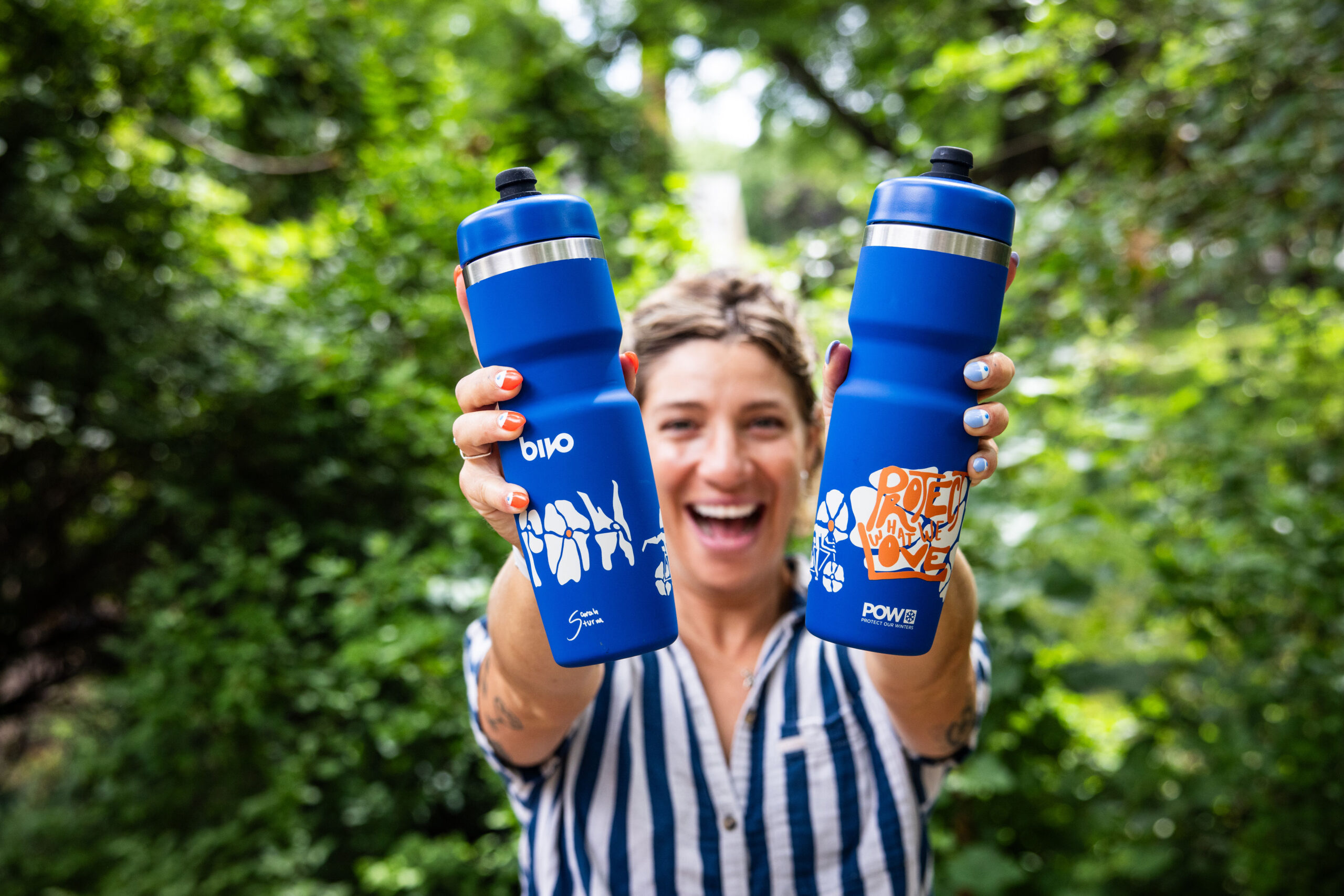
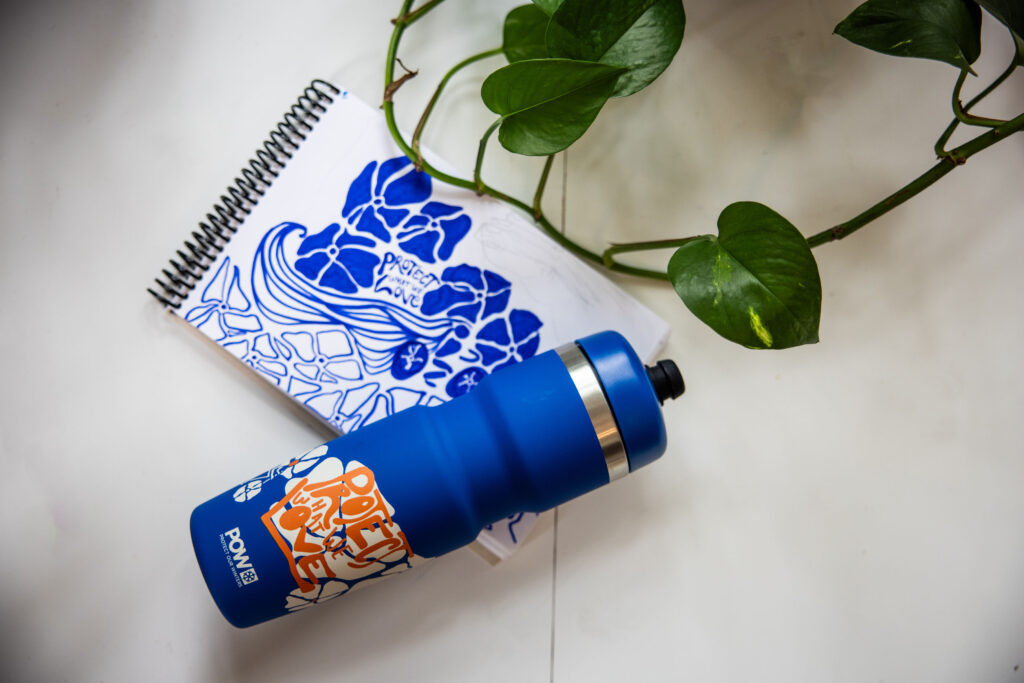
The resulting artwork is a sophisticated blend of textile-inspired patterns and bold, abstract shapes. Key features of the design include flower petals that seamlessly weave into lettering, botanical blooms that transition into the circular geometry of bicycle wheels, and an abstract representation of a cyclist whose head is crowned with flowers. This imagery was intentionally chosen to evoke a sense of joy and lightness, serving as what Sturm describes as a "visual antidote" to the often heavy and anxiety-inducing nature of climate change discussions.
Technical Innovation and Sustainable Design
The choice of Bivo as a collaborator was a strategic decision rooted in the shared values of sustainability and performance. Founded with the mission to reduce the outdoor industry’s reliance on plastic, Bivo produces stainless steel water bottles designed specifically for cyclists. Unlike traditional plastic bottles, which can leach chemicals and degrade over time, Bivo’s products offer a taste-neutral, durable, and more environmentally friendly alternative. The company’s focus on high-flow nozzles ensures that the transition from plastic to metal does not sacrifice the functionality required during high-intensity racing.
Designing for a cylindrical canvas presented Sturm with a unique set of creative challenges. Unlike a flat canvas, a water bottle is a three-dimensional object that is rarely viewed in its entirety at once, especially when tucked into a bicycle’s bottle cage. Sturm approached this by ensuring the design functioned both as a continuous theme and as distinct pieces of art from different vantage points. This consideration of movement and perspective highlights the technical depth involved in merging product design with fine art.
Protect Our Winters and the Role of the Bike Alliance
Protect Our Winters, the primary beneficiary of this collaboration, has evolved into one of the most influential climate advocacy groups in the outdoor sector. Founded in 2007 by professional snowboarder Jeremy Jones, the organization originally focused on the winter sports community. However, as the impacts of climate change—such as shorter winters and more frequent wildfires—began to affect year-round outdoor activities, POW expanded its reach.
The POW Bike Alliance, of which Sturm is a prominent member, was established to organize the cycling community into a cohesive political force. Cyclists are uniquely positioned to witness the effects of climate change firsthand, from the erosion of trails due to extreme weather events to the increased risk of heat-related illnesses during summer competitions. By engaging athletes like Sturm, POW aims to bridge the gap between individual passion and collective political action.
The outdoor recreation industry is a major economic driver, contributing significantly to the global economy. In the United States alone, the Bureau of Economic Analysis (BEA) reported that the outdoor recreation economy accounted for $1.1 trillion in gross economic output in 2022, representing 2.2% of the U.S. GDP. By leveraging the economic and social influence of this sector, POW advocates for policies that transition the energy grid to renewables, protect public lands, and reduce carbon emissions.
The Economic and Environmental Impact of Gravel Cycling
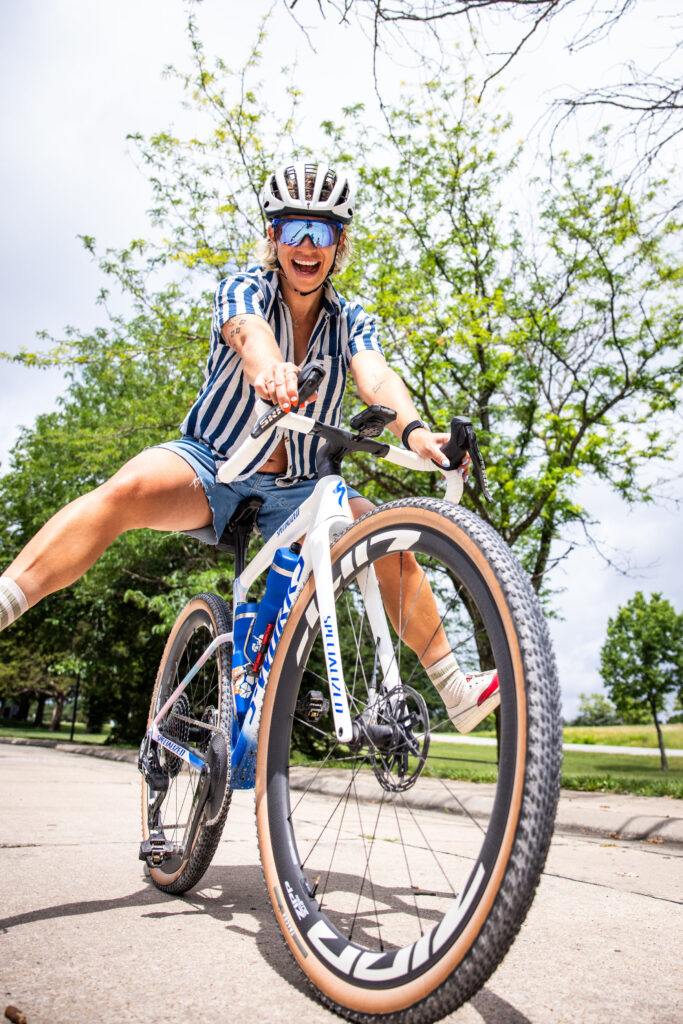
The gravel cycling segment, where Sturm has built her career, has seen explosive growth over the last decade. Unlike traditional road racing, gravel cycling often takes place in remote, environmentally sensitive areas. This growth has brought increased attention to the sustainability of the sport. The rise of "gravel grinding" has also coincided with a period of unprecedented environmental volatility. In recent years, several major gravel events have had to be canceled or rerouted due to wildfire smoke and extreme heat, highlighting the direct threat climate change poses to the sport’s viability.
Supporting data suggests that the cycling industry is increasingly moving toward circular economy models. A 2023 industry report indicated that 64% of outdoor consumers are more likely to purchase from brands that demonstrate a commitment to environmental sustainability. The Bivo x POW collaboration taps into this consumer sentiment, offering a product that aligns with the values of the modern cyclist. By choosing stainless steel over plastic, the collaboration also addresses the growing concern over microplastics in the environment, a significant issue in the context of outdoor hydration.
Official Responses and Broader Implications
While the collaboration has been met with enthusiasm from the cycling community, it also reflects a broader shift in how advocacy is communicated. Sturm’s emphasis on "joy" and "protecting what you love" marks a departure from the "doom and gloom" narratives that have dominated environmental messaging for decades. Psychological research into climate communication suggests that positive, action-oriented messaging is often more effective at sustaining long-term engagement than fear-based appeals.
Industry analysts suggest that collaborations of this nature—between high-profile athletes, sustainable manufacturers, and non-profit organizations—are likely to become the new standard for corporate social responsibility (CSR) in the outdoor space. It moves beyond simple "greenwashing" by providing a high-quality, functional product that serves a clear purpose: funding the legislative and advocacy work necessary to protect the very environments where these products are used.
Sturm’s reflection on the project also touches on the importance of mental health and identity for professional athletes. By re-engaging with her art, she highlighted the necessity of maintaining a balanced life outside of training and competition. "It’s nice to remember that we’re all really busy and we all wear a lot of hats," Sturm stated, adding that returning to creative roots can be a powerful way to recharge and find new meaning in one’s primary career.
Conclusion and Availability
The POW x Bivo bottle designed by Sarah Sturm is currently available through official channels, including the Protect Our Winters online store. Each purchase contributes directly to POW’s mission, providing the resources needed for non-partisan climate education and advocacy. As the cycling season progresses, the bottle serves as a functional tool for athletes and a symbolic reminder of the collective responsibility to safeguard the natural world.
The success of this collaboration will likely pave the way for future projects that utilize art as a medium for environmental messaging. In an era where the impacts of climate change are increasingly visible, the work of Sarah Sturm, Bivo, and Protect Our Winters demonstrates that the path forward requires a combination of innovation, creativity, and a steadfast commitment to the places we ride, ski, and adventure. By turning a standard piece of cycling equipment into a canvas for advocacy, this partnership empowers individuals to carry the message of conservation with them on every mile of their journey.
