

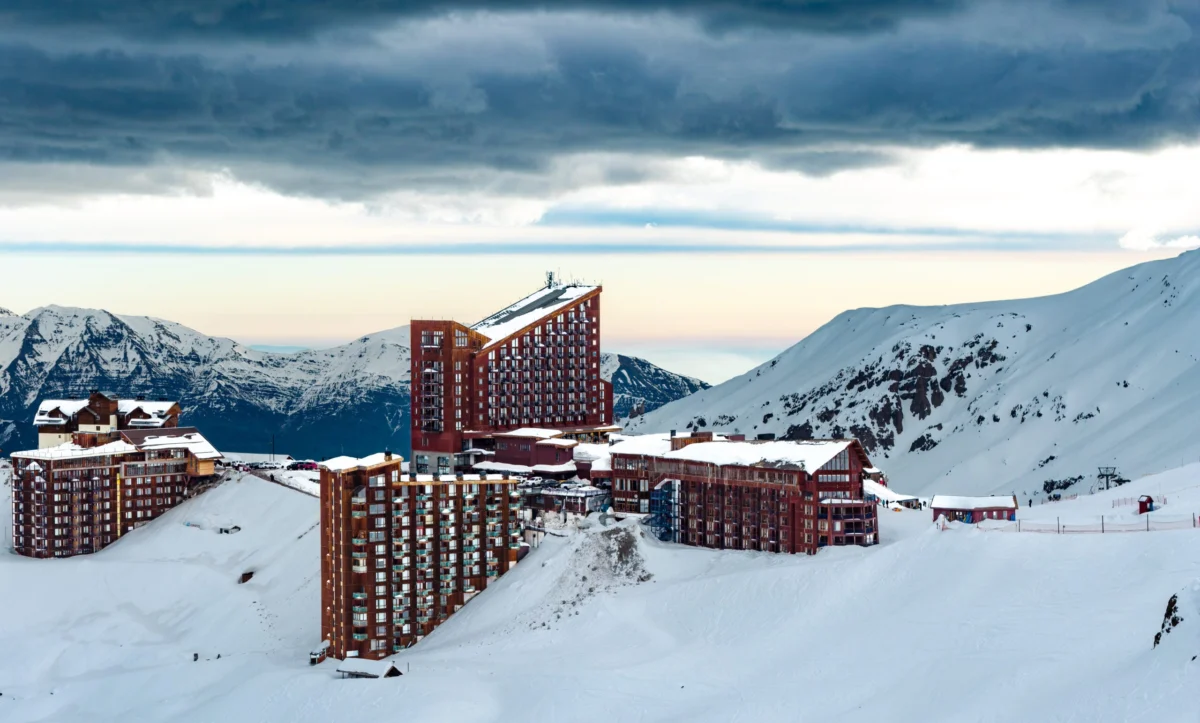
Valle Nevado, the largest ski resort in South America, is currently recording one of its most significant winter seasons in decades, characterized by snowfall totals drawing comparisons to peak years in the Wasatch Range of Utah. By early September 2026, the resort had already surpassed 369 inches of cumulative snowfall, with projections suggesting the season total could approach an unprecedented 900 inches. This meteorological anomaly has prompted resort management to extend operations well into October, solidifying the Chilean Andes’ position as a critical counter-seasonal hub for international ski professionals and enthusiasts.
Located approximately 40 miles east of Santiago, Valle Nevado operates within the "Tres Valles" (Three Valleys) region alongside neighboring resorts La Parva and El Colorado. The 2026 season marks a pivotal moment for the resort’s infrastructure, highlighted by the debut of the Aconcagua Ski Residences and a workforce of over 1,200 employees tasked with managing the surge in international tourism. As part of the Alterra Mountain Company’s Ikon Pass portfolio since 2018, the resort has seen a steady increase in North American visitors seeking to capitalize on the Southern Hemisphere’s winter cycle.
Technical Mountain Profile and Terrain Classification
Valle Nevado’s topographical layout is unique among global ski destinations due to its high-altitude, treeless environment. The resort’s base elevation sits at 9,925 feet (3,025 meters), ascending to a summit of 12,041 feet (3,670 meters). This provides a vertical drop of approximately 2,116 feet across 2,200 acres of skiable terrain.
The trail distribution is designed to accommodate a broad spectrum of skill levels:
- Beginner (14%): Primarily located near the resort base and lower hotel complex.
- Intermediate (25%): Characterized by wide, groomed "cruisers" such as the Sol and Trote runs.
- Advanced (41%): Significant off-piste opportunities within the resort boundaries.
- Expert (20%): High-alpine chutes and steep faces, particularly accessible via the Tres Puntas lift.
A notable distinction in the Chilean terrain grading system is the use of the "red triangle." While North American resorts typically transition from a blue square (intermediate) to a black diamond (advanced), Chilean authorities utilize the red triangle to denote a "double blue" or "advanced intermediate" difficulty. This classification helps bridge the gap between groomed runs and the more technical, ungroomed expert terrain found at higher elevations.
Lift Infrastructure and Operational Challenges
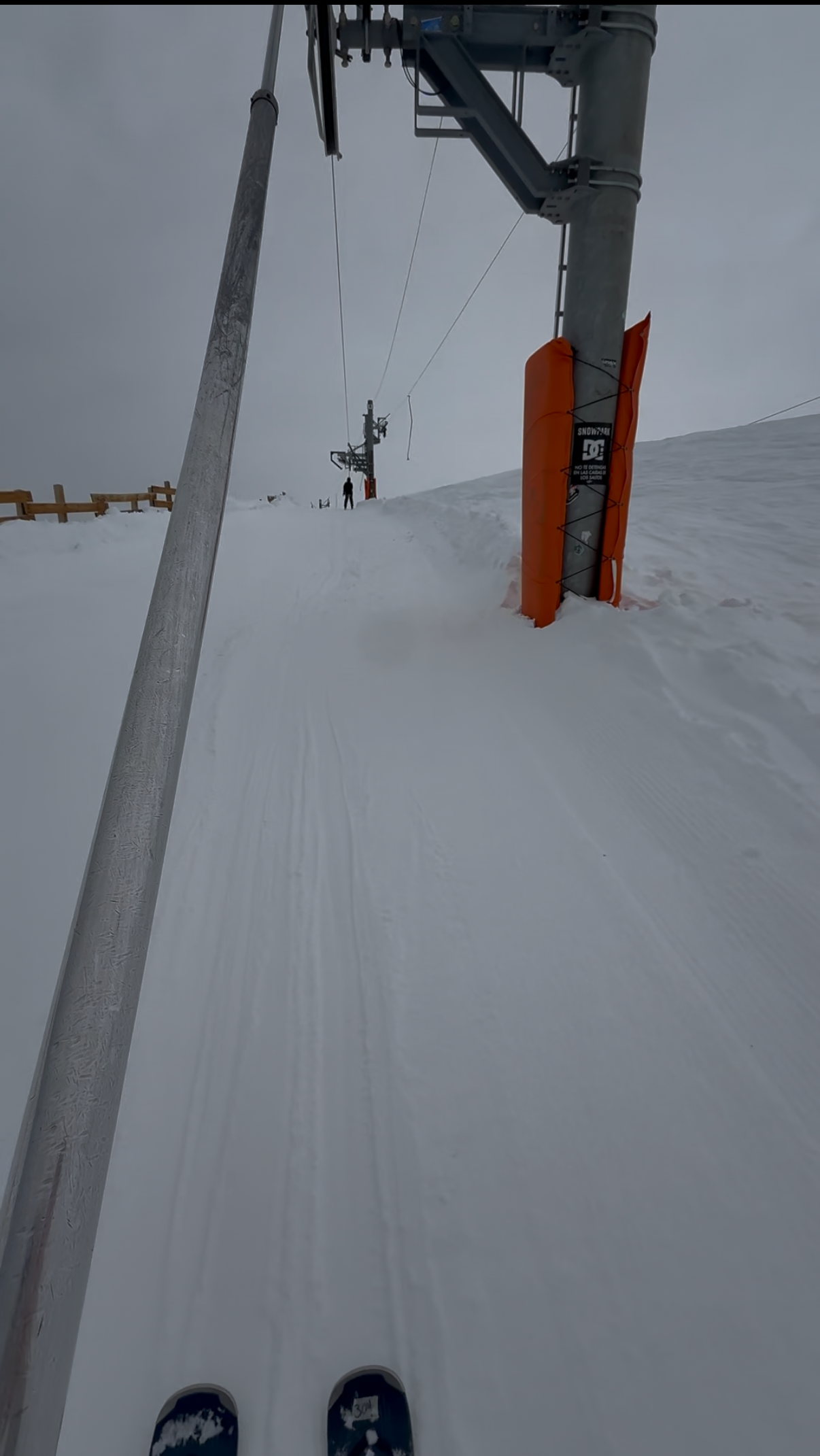
The resort’s lift system is a hybrid of modern high-speed technology and traditional surface lifts. Of the 17 total lifts, seven are surface lifts (T-bars or platters). While the Andes Express serves as the fastest detachable chairlift in the Andes, much of the upper mountain access relies on surface transport.
For international visitors accustomed to chairlifts and gondolas, the South American surface lifts present a distinct learning curve. These lifts operate with significant initial torque, requiring skiers to maintain a specific "sit-squat" posture rather than leaning back. Technical experts note that the force of these lifts is necessary to maintain operations during the high-wind events common to the Andes.
During the August and September 2026 window, the resort frequently encountered wind speeds exceeding 60 mph at the summit. Such conditions often necessitate the temporary closure or slowdown of the Andes Express and Mirador lifts. These high-altitude winds also contribute to rapid "wind-chill" and potential windburn, requiring visitors to utilize specialized skin protection and high-altitude gear.
The 2026 Banner Year: Data and Meteorological Context
The 2026 season’s success is attributed to a series of consistent atmospheric rivers hitting the Chilean coast and pushing moisture into the high Andes. Unlike previous years where "El Niño" patterns brought warmer, wetter storms that often resulted in rain at lower elevations, the current cycle has maintained a colder temperature profile. This has ensured that snow remains light and dry, a characteristic often referred to locally as "Andean Powder."
The decision to remain open until October is supported by the resort’s south-facing orientation. In the Southern Hemisphere, south-facing slopes are the equivalent of north-facing slopes in the Northern Hemisphere, receiving less direct solar radiation. This orientation preserves the snowpack late into the spring, allowing for "golden hour" skiing sessions as the sun sets over the Pacific horizon, visible from the upper ridges of the resort.
Economic Impact and International Partnerships
The integration of Valle Nevado into the Ikon Pass and Mountain Collective networks has fundamentally altered the resort’s economic landscape. Since joining the Ikon Pass in 2018, the resort has transitioned from a primarily domestic destination to an international landmark. For the 2025-2026 and 2026-2027 cycles, pass holders are permitted to stack days across multiple seasons, encouraging extended stays.
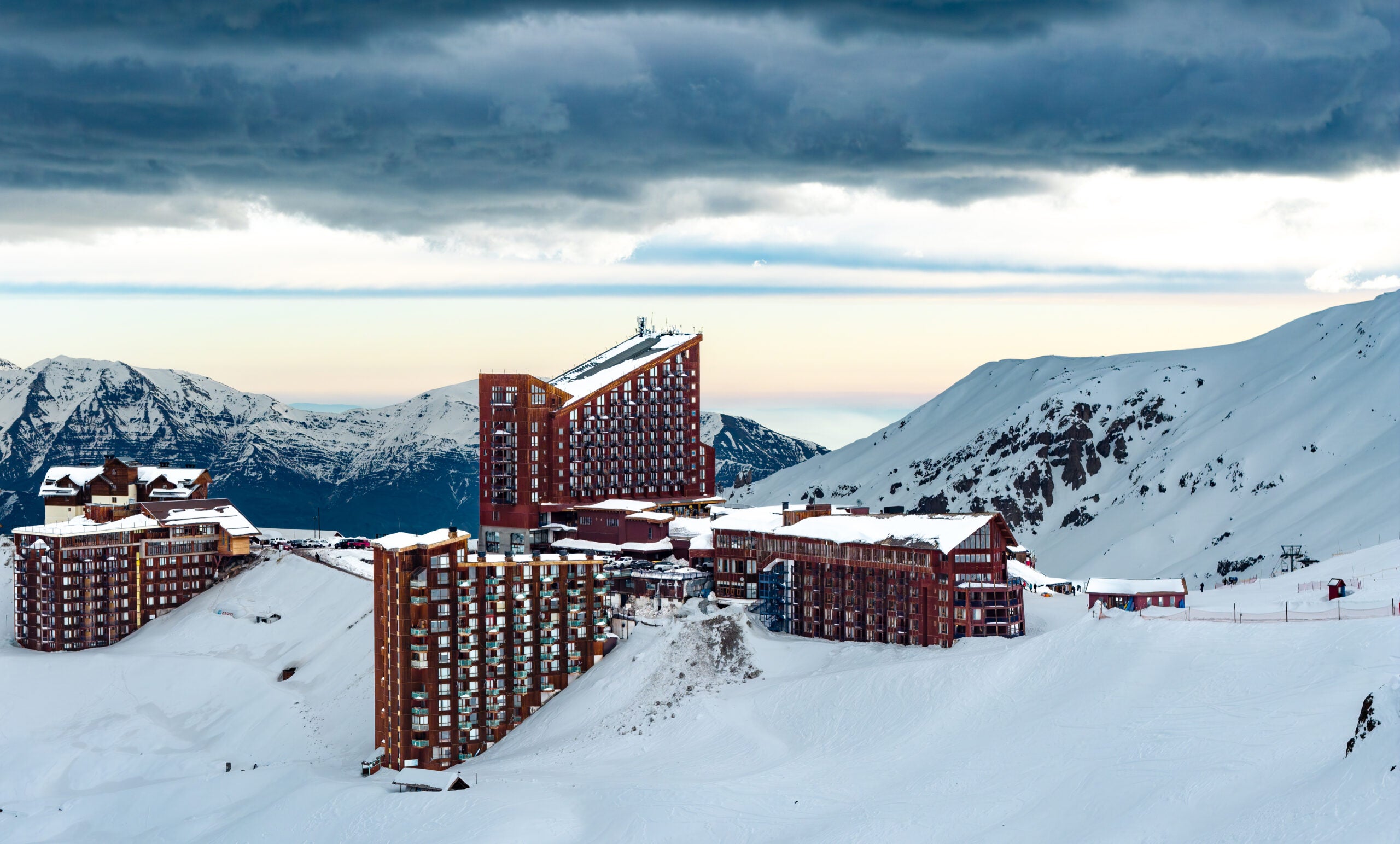
The resort operates on an "all-inclusive campus" model. This structure is designed to mitigate the logistical difficulties of the winding, 60-turn mountain road (Camino a Farellones) that connects the resort to Santiago. By providing housing, dining, and medical services on-site, Valle Nevado functions as a self-contained village.
Current lodging options include:
- Hotel Valle Nevado: The premier, upscale facility offering direct slope access.
- Hotel Tres Puntas: Geared toward groups, families, and organized ski teams.
- Aconcagua Ski Residences: The newest addition to the portfolio, providing luxury apartment-style living with full kitchens for long-term stays.
Prices for the 2026 season range from $316 to over $1,000 per person per night, typically including lift tickets and half-board (breakfast and dinner) at one of the five primary on-site restaurants.
Regional Connectivity: The "Tres Valles" Experience
One of the primary advantages of Valle Nevado is its proximity to La Parva and El Colorado. These three resorts combined represent the largest skiable area in the Southern Hemisphere.
For a nominal fee (approximately $20 for Ikon/Mountain Collective holders), skiers can purchase an add-on ticket to cross the ridge into La Parva. This interconnectedness allows for extensive backcountry exploration and "side-country" access. Furthermore, Valle Nevado Heliski operates directly out of the village, providing access to untouched peaks in the central Andes, which reach elevations of nearly 20,000 feet.
Gastronomy and Cultural Integration
The resort’s culinary offerings are a significant draw for the international market. La Fourchette, the on-site French restaurant, has gained acclaim for its weekend Chilean BBQ (Asado) held on the outdoor deck. This tradition serves as a cultural bridge, offering wood-fired meats and local delicacies to a global audience.
The "après-ski" culture in Valle Nevado is centered around the Pisco Sour, Chile’s national cocktail. Establishments such as Bar Valle Nevado and Pub Tres Puntas serve as social hubs where the 1,200-member staff interacts with guests, fostering a community atmosphere that resort management describes as "proud and eager to help."
Logistics and Travel Coordination
Reaching Valle Nevado requires navigating a complex ascent from Santiago. Due to the technical nature of the road and the presence of vehicle checkpoints (which often mandate snow chains), resort officials and travel experts recommend utilizing professional shuttle services rather than rental cars. Shuttles from Santiago’s Comodoro Arturo Merino Benítez International Airport (SCL) typically cost $45 per person and take roughly 90 minutes to two hours depending on weather conditions.
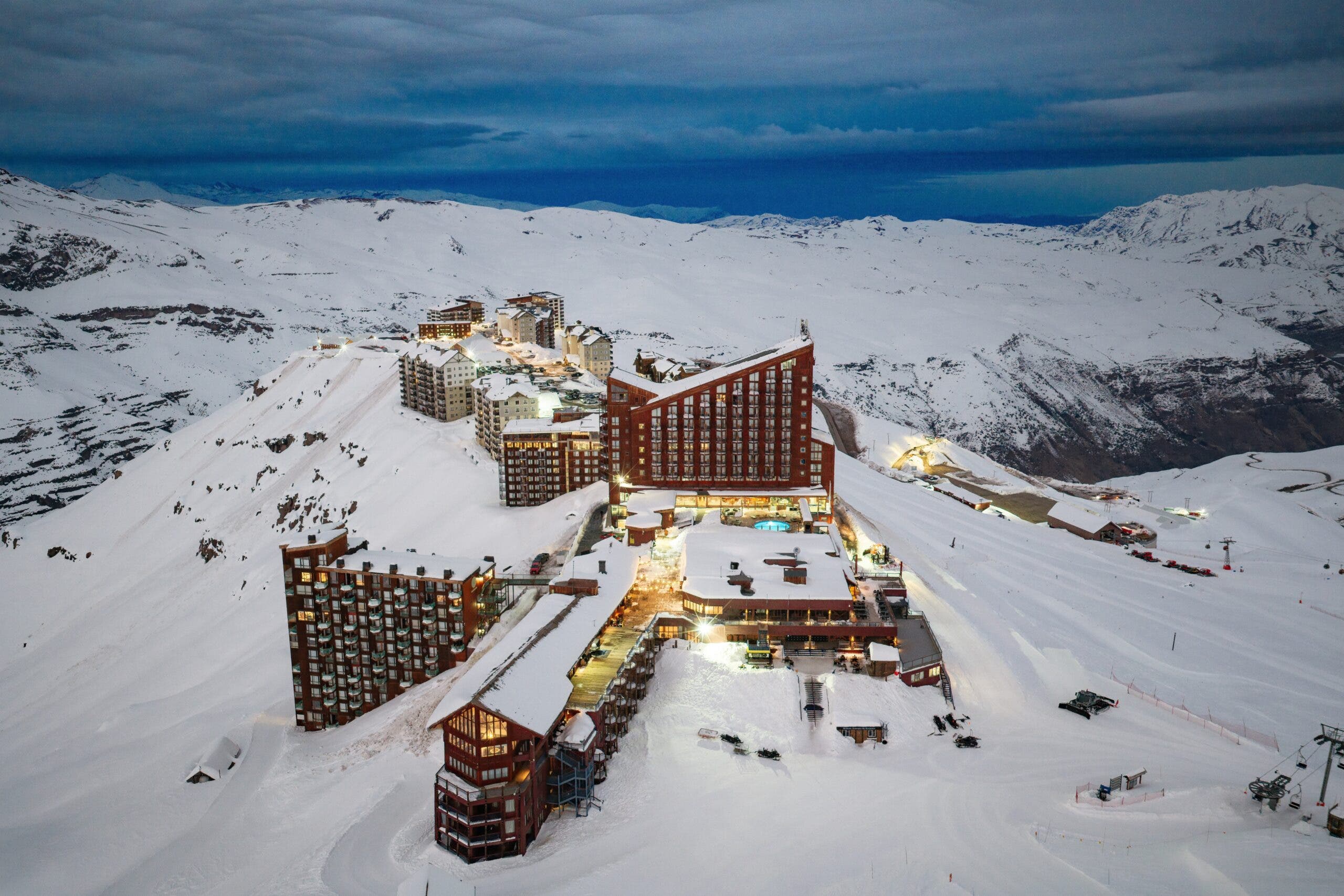
Once at the resort, the village is largely pedestrian-only, though snow-covered stairs and slick roads are common. A regular shuttle service operates between the hotel cluster and the main gondola base to assist guests with equipment transport.
Long-term Implications for South American Tourism
The record-breaking 2026 season at Valle Nevado is expected to have long-term implications for the Chilean tourism industry. The successful management of nearly 900 inches of snow and the expansion of luxury residences signal to the global market that the Andes are a viable and increasingly necessary alternative to Northern Hemisphere resorts facing shorter winters.
Environmental analysts suggest that while this year is an outlier in terms of volume, the resort’s high base elevation provides a "buffer" against rising global temperatures that affect lower-elevation resorts in Europe and North America. As Valle Nevado continues its partnership with Alterra and potentially expands its lift capacity, it remains the anchor of winter sports in South America, offering a unique blend of French-inspired resort design and rugged Andean terrain.
With the season now confirmed to run through October, the 2026 cycle will be remembered not just for the volume of snow, but for the resort’s ability to scale its operations to meet the demands of a record-breaking influx of skiers from around the world.
