

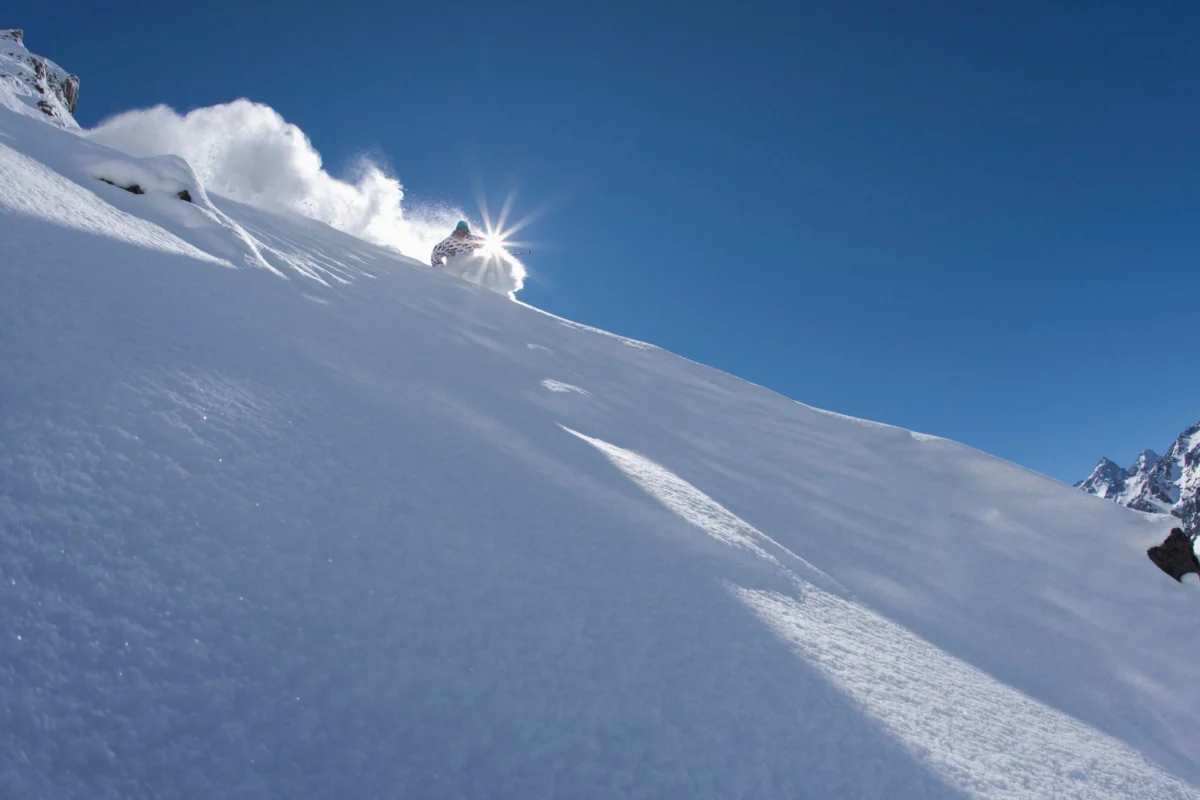
The 2026 winter season in the Southern Hemisphere has defied traditional meteorological expectations, as a series of historic storm cycles across the Andes mountain range has pushed snow totals to record-breaking levels. While ski operations south of the Equator typically begin a controlled wind-down as September progresses, the sheer volume of accumulated snowpack has prompted several premier resorts in Chile and Argentina to announce significant season extensions. For the first time in several years, skiing in South America is projected to remain viable well into late October, transforming what is usually the shoulder season into a high-winter experience for local and international travelers.
A Historic Meteorological Cycle in the Andes
The current season’s success is rooted in a robust and persistent weather pattern that began in mid-winter. While the early months of the 2026 season showed steady accumulation, it was the months of July and August that delivered the most significant impact. Meteorologists have noted that a series of atmospheric rivers—narrow corridors of concentrated moisture in the atmosphere—collided with the high-altitude terrain of the Andes, resulting in "nuking" conditions, a colloquial term used by the industry to describe intense, high-volume snowfall events.
In Central Chile, the "Tres Valles" region, which includes Valle Nevado and El Colorado, has seen some of the most dramatic increases. By the end of August, these areas had surpassed their annual averages, with some stations reporting snow depths that haven’t been seen in over a decade. This surplus is a stark contrast to the "megadrought" conditions that plagued the region for much of the previous decade, signaling a potential shift in short-term climate cycles that favor heavy alpine precipitation.
Detailed Resort Extensions and Operational Changes
Several major ski areas have officially revised their closing calendars, citing the unprecedented base depths as the primary driver for extended operations.
Valle Nevado, Chile
Valle Nevado, located approximately 40 miles east of Santiago, was already experiencing a "banner year" prior to a massive storm cycle in late August. By the first week of September, the resort recorded a season total of more than 17 feet (approximately 204 inches or 518 centimeters). This surplus prompted management to move the closing date from its traditional late-September slot to October 18, 2026.
The resort’s high altitude—with a base at 9,925 feet—allows it to maintain snow quality even as spring temperatures begin to rise in the lowlands. For North American travelers, Valle Nevado’s proximity to Santiago International Airport (SCL) makes it a primary beneficiary of the extended season, as the logistics of reaching the resort remain manageable even during the transition to spring.
Ski Portillo, Chile
Ski Portillo, world-renowned for its iconic yellow hotel and steep terrain, has reported even more staggering figures. Since mid-July, the resort has received over 25 feet of cumulative snowfall. A single five-day storm cycle in July alone accounted for 128 inches of fresh snow, effectively burying lower-level infrastructure and requiring extensive avalanche mitigation work.
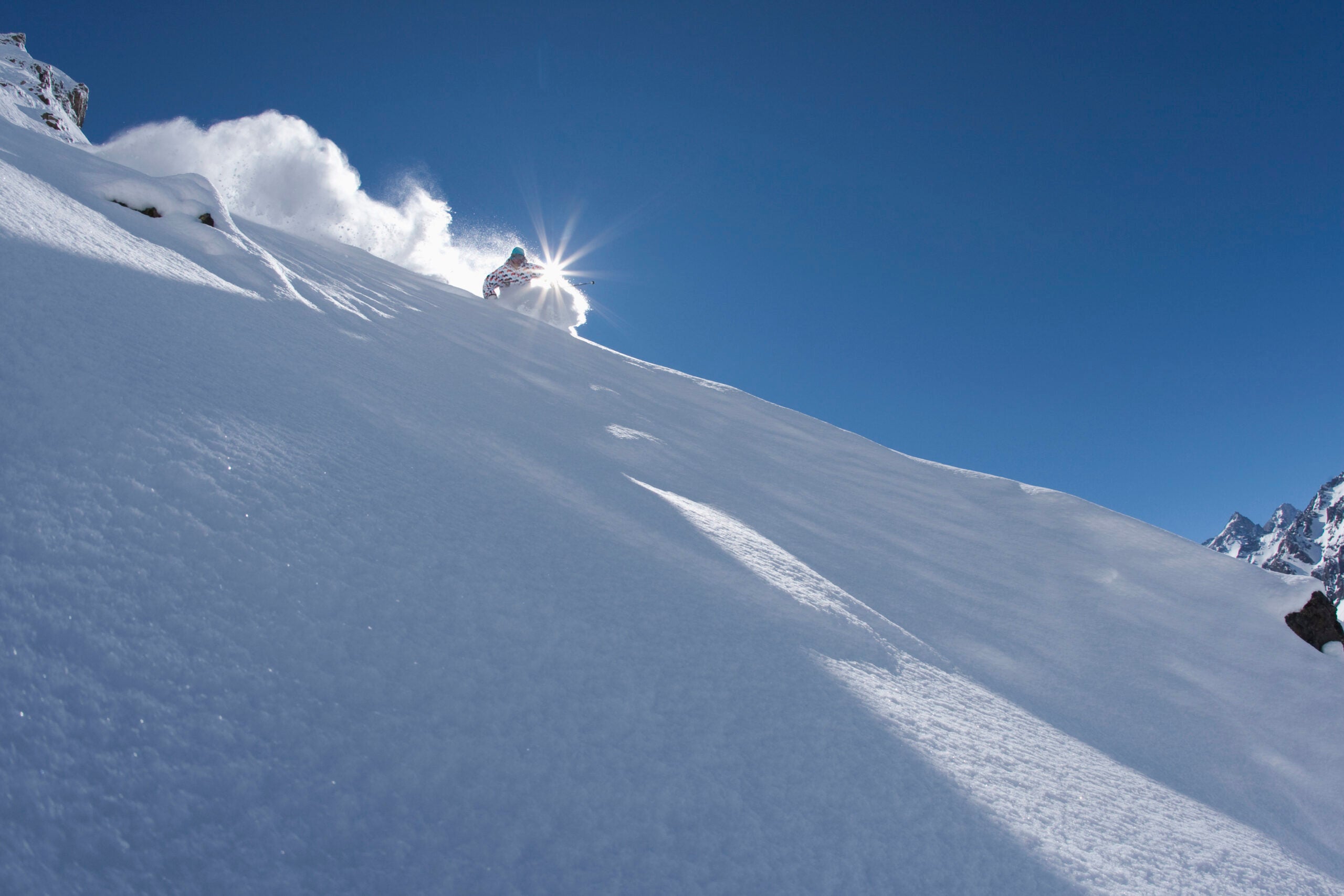
Given the depth of the snowpack, Portillo has confirmed it will remain open until at least October 11, 2026. Historically, Portillo is one of the first resorts to close due to its specific logistics as a "cruise ship on land" model, where guests typically stay for week-long increments. The decision to extend reflects a high demand from the international "endless winter" community.
El Colorado, Chile
Another pillar of the Tres Valles area, El Colorado, has emerged as one of the snowiest destinations in the Andes this year. The resort announced that its total seasonal snowfall surpassed 290 inches by late August. Consequently, its season has been extended from September 27 to October 12. This extension ensures that the interconnected terrain between El Colorado and its neighbors remains a viable destination for high-altitude touring and lift-accessed skiing for an additional two weeks.
Southern Regions and the Argentine Front
While the central Andes have captured many of the headlines, the southern regions of Chile and the Argentine side of the range are also reporting exceptional conditions.
Corralco, Chile
Located on the slopes of the Lonquimay Volcano in the Araucanía Region, Corralco offers a different geological experience compared to the jagged peaks of the north. As of September 3, 2026, snow reports indicated a season total of 160 inches with a settled base of nearly 10 feet. Corralco is historically known for its longevity, often staying open into November. While a formal extension announcement is pending, the current base ensures that the resort will likely be the last to close in Chile this year.
Cerro Catedral, Argentina
In Argentina, the focus remains on Cerro Catedral, located near the mountain town of San Carlos de Bariloche. A significant 24-inch storm in late August bolstered an already healthy snowpack but also led to temporary closures due to "High" avalanche danger ratings. The resort is currently scheduled to operate into early October. The synergy between the resort and the town of Bariloche provides a significant economic boost to the region, as the extended season allows local businesses to capitalize on the influx of "late-season" tourists who are often seeking a mix of spring weather in town and winter conditions on the peaks.
Supporting Data: A Comparison of Seasonal Totals
To understand the magnitude of the 2026 season, it is necessary to compare these figures with historical averages. On average, Central Chilean resorts expect between 150 and 200 inches of snow per year.
| Resort | 2026 Reported Total (to Sept 3) | Estimated Historic Average | Extension Date |
|---|---|---|---|
| El Colorado | 290+ inches | 180 inches | Oct 12 |
| Ski Portillo | 300+ inches | 200 inches | Oct 11 |
| Valle Nevado | 204 inches | 160 inches | Oct 18 |
| Corralco | 160 inches | 150 inches | TBD (Late Oct) |
This data suggests that 2026 is performing at roughly 140% to 160% of the standard snowfall rate for the region. The consistency of the storms has also prevented the "melt-freeze" cycles that typically degrade snow quality in September, preserving a winter-like powder surface much longer than usual.
Official Responses and Operational Challenges
Resort officials have expressed a mixture of enthusiasm and caution regarding the extended season. Inferred statements from operations managers suggest that while the snow is a windfall for revenue, it presents significant logistical hurdles.
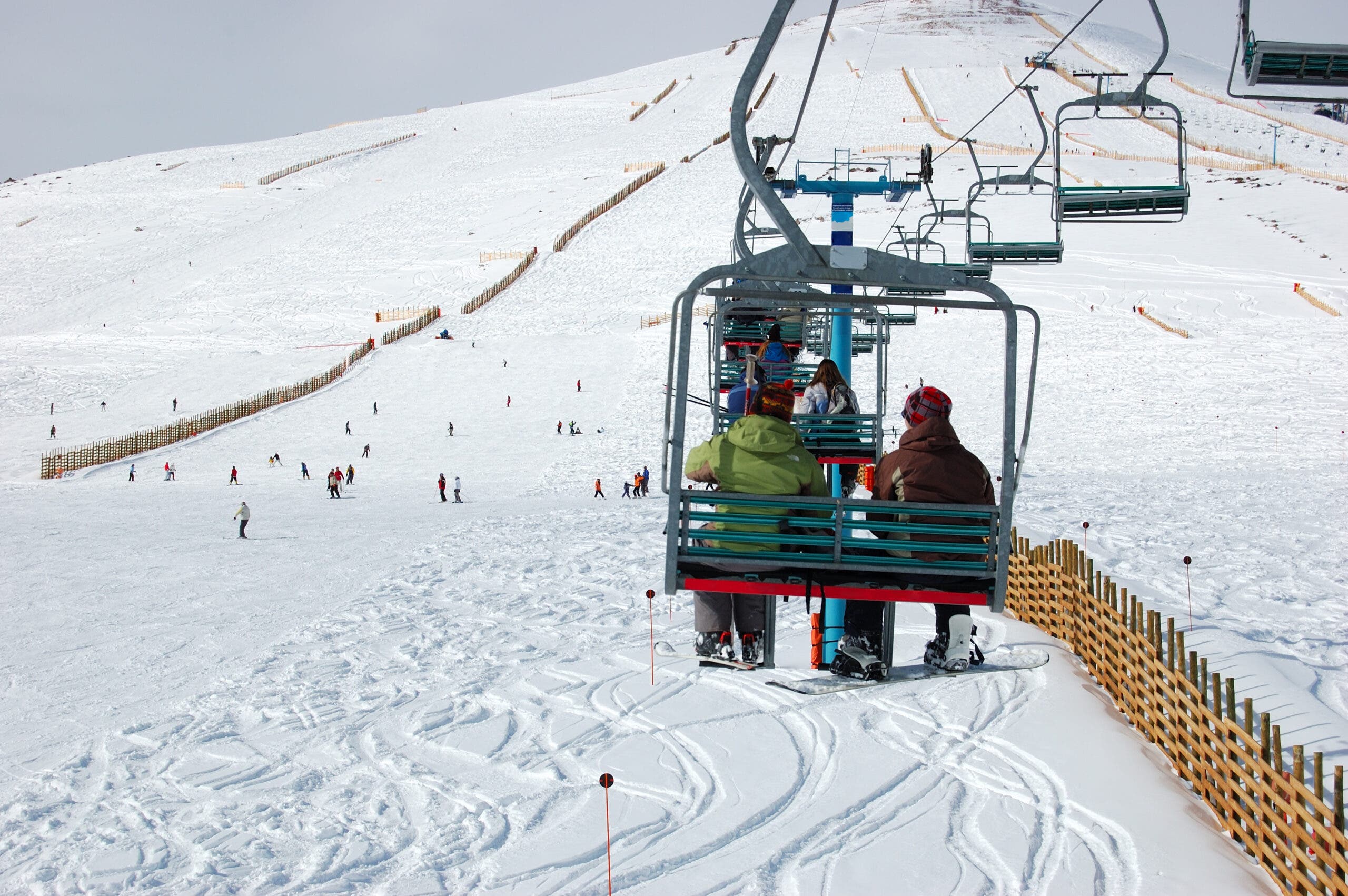
"Maintaining a ski resort into October requires a shift in staffing and resource management," noted industry analysts. "Many seasonal workers, including instructors and lift operators from the Northern Hemisphere, typically depart in September to prepare for the winter in North America or Europe. Resorts extending their seasons must negotiate contract extensions or find local replacements to maintain safety and service standards."
Furthermore, avalanche control teams have been working overtime. The rapid accumulation of heavy "maritime" snow on top of older layers has created complex slab structures. Operations at Cerro Catedral and Portillo have had to implement strict "controlled opening" protocols to ensure that the increased late-season crowds remain safe on the high-alpine slopes.
Broader Implications: Economic and Environmental
The extension of the South American ski season has implications that reach beyond the tourism sector.
1. Economic Stimulus: For the Chilean and Argentine economies, the "white gold" of 2026 provides a much-needed boost. The ski industry is a vital component of regional GDP in places like Bariloche and the Valparaíso Region. An extra three weeks of operation translates to millions of dollars in additional spending on lodging, dining, and transportation.
2. Water Security: Beyond recreation, the historic snowpack serves as a natural reservoir. The Andes act as a water tower for the sprawling agricultural valleys below and the metropolitan area of Santiago. The melting snow will provide a steady supply of water through the southern summer, mitigating concerns about drought and supporting the region’s massive fruit and wine export industries.
3. International Travel Trends: The 2026 season may signal a shift in how North American and European skiers view "summer" travel. As climate volatility makes Northern Hemisphere winters less predictable, the reliability of the Andes in 2026 reinforces South America’s status as a premier destination for year-round skiing.
Chronology of the 2026 Snow Bonanza
- June 15: Early season openings across Chile and Argentina with modest bases.
- July 10-15: The "Great July Cycle" begins. Portillo receives over 10 feet of snow in five days.
- August 1: Mid-season reports indicate that most resorts have already hit their annual snowfall averages.
- August 25-30: A final major winter storm system hits the Andes, depositing another 2-4 feet across the Tres Valles and Cerro Catedral.
- September 1: Valle Nevado and El Colorado officially announce season extensions into mid-October.
- September 3: Current reports confirm stabilized conditions and "High" winter quality snow across the range.
Conclusion
The 2026 South American ski season will likely be remembered as a landmark year for the Andes. The combination of early-season consistency and late-season "nuking" events has created a rare opportunity for skiers to experience mid-winter conditions during the spring months. As Valle Nevado, Portillo, and El Colorado prepare for an unprecedented October finish, the focus shifts to the logistical execution of an extended calendar. For the global skiing community, the mensaje is clear: the winter of 2026 is far from over in the Southern Hemisphere.
