

Liz Sheppard stands as a testament to the power of passion intersecting with purpose, forging a distinguished career that seamlessly blends elite snowsports instruction with innovative outdoor education. As a certified Level III snowboard instructor with a Children’s Specialist 2 credential and a respected member of the Western Region Education Staff for PSIA-AASI (Professional Ski Instructors of America and American Association of Snowboard Instructors), Sheppard has dedicated over two decades to shaping the next generation of riders at Northstar California Resort in Truckee, California. Beyond the slopes, her commitment to experiential learning extends into the classroom and wilderness, where she teaches middle school science at Tahoe Expedition Academy and developed a groundbreaking outdoor education program for the Waldorf School in Truckee, having previously served as president of the board for Friends of Tahoe Truckee Waldorf. Her journey exemplifies a profound dedication to fostering curiosity, resilience, and a deep connection to the natural world in young minds, leaving an indelible mark on both the snowsports industry and the broader educational landscape.
A Career Forged in Snow: From Novice to Elite Instructor
Sheppard’s entry into snowsports instruction was driven by a dual desire: a love for working with children and an ambition to refine her own snowboarding skills. Her path to certification was remarkably swift and dedicated. In her inaugural two seasons at Northstar, she achieved both Level I and Level II certifications, demonstrating an innate aptitude for teaching and a mastery of technical skills. The year following her Level II achievement saw her earn the Children’s Specialist 2 credential, affirming her specialized expertise in youth instruction, a field she describes with profound admiration, noting children are "honest, curious, freehearted, and fun-loving." This rapid progression laid the groundwork for her pursuit of the prestigious Level III certification, a benchmark of advanced instructional capability within the industry.
A pivotal chapter in Sheppard’s professional and personal life unfolded during a unique "endless winter" period. While training for her Level III, she met and began dating Luke Sheppard, an English national working on an H-2B visa. For three years, they pursued their shared passion, teaching across hemispheres – at Cardrona in New Zealand during the Southern Hemisphere winter and at Northstar during the Northern Hemisphere season. This international experience proved invaluable, exposing Sheppard to diverse teaching methodologies and philosophies, particularly from the New Zealand Snowsports Instructors Alliance (NZSIA) trainers she encountered. It was during this period of continuous engagement with the sport that she successfully passed her Level III assessment, solidifying her status as an elite instructor. This achievement not only marked a personal milestone but also propelled her into a leadership role, as she began training staff at both Northstar and Cardrona, sharing her expertise and passion with emerging instructors.
Innovating Instruction: The Birth of the Burton Academy
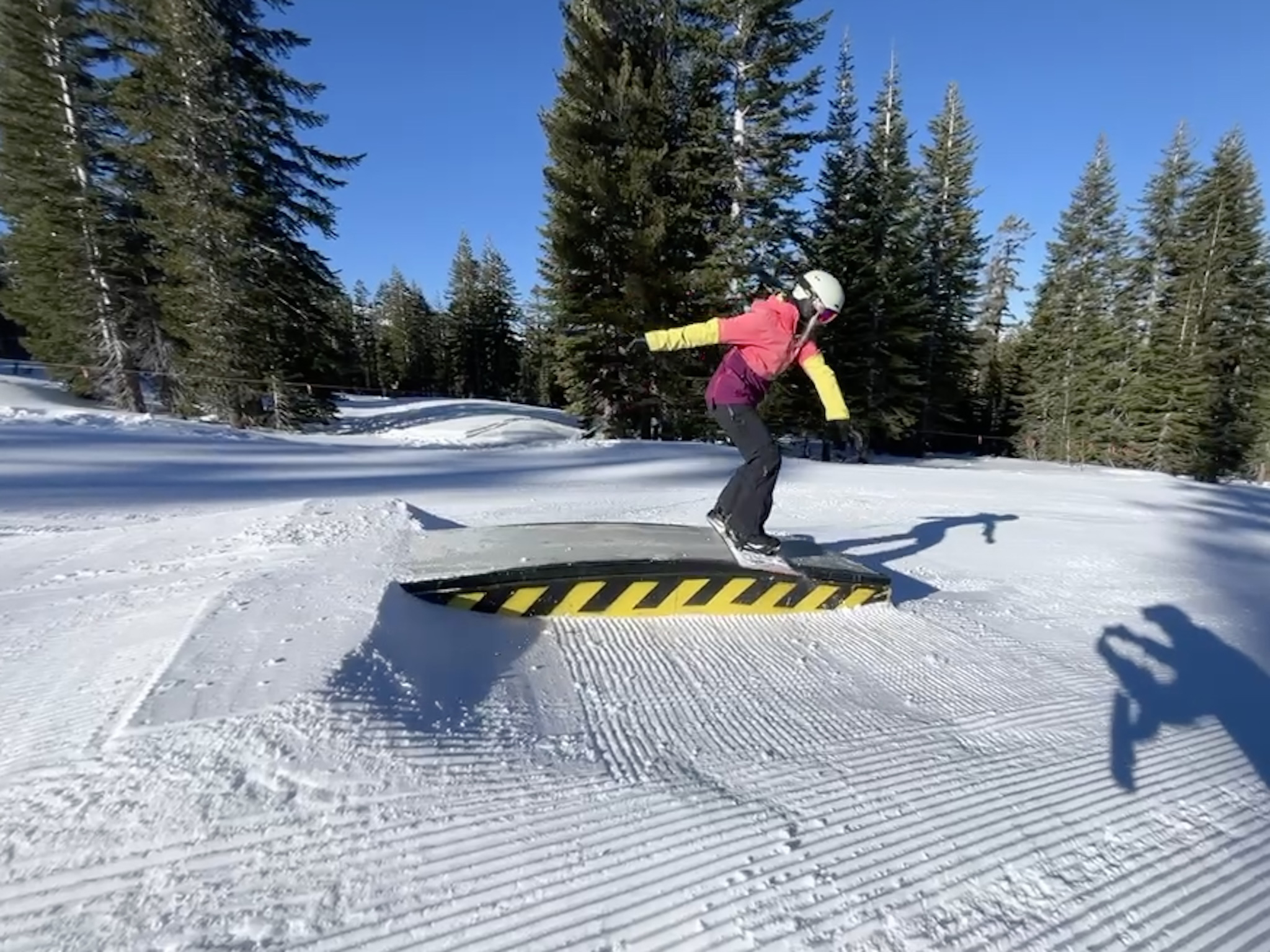
One of the most significant contributions to her career and to the snowsports industry came with her involvement in building the first Burton Academy at Northstar in 2009. This initiative represented a paradigm shift in snowboard education, moving away from traditional, rote instruction towards a more dynamic, terrain-based teaching and learning model. Sheppard was part of a truly incredible team of instructors tasked with pioneering this innovative approach. The Burton Academy was conceived to leverage specially designed terrain features to facilitate learning, allowing students to naturally develop skills through playful interaction with the environment rather than rigid drills. This methodology, rooted in experiential learning, resonated deeply with Sheppard’s educational philosophy.
The development of the Burton Academy was described by Sheppard as "fun, creative, and motivating," placing her at the cutting edge of snowboard education. The program fostered an environment of community and connection, mirroring many of her core beliefs. She actively participated in designing kid-friendly features and activities, ensuring the learning experience was engaging and effective. This collaborative effort with a "small tightknit crew" of passionate instructors and guest service advocates created a unique moment in time for Northstar, producing a cadre of leaders, many of whom would later join the Western Region Education Team alongside Sheppard. The success of the Burton Academy at Northstar served as a model for similar programs globally, influencing how beginner snowboarders are introduced to the sport and underscoring the effectiveness of innovative, student-centered approaches.
Resilience and Return: A Path to Trainer Certification
Following her marriage, Sheppard made the conscious decision to take a hiatus from full-time teaching to prioritize starting a family. For several years, she focused on raising her children, maintaining a connection to the industry by working part-time as a trainer. This period, while a departure from her intense instructional career, provided her with invaluable life lessons. She reflects on this time, stating she "learned a lot in that time about other things — babies, people, training, teaching, fear, self-doubt, mental conditioning — and wouldn’t have traded it for the world." This demonstrates a profound understanding that personal growth, even outside a professional context, contributes significantly to one’s overall capabilities and perspective.
When she eventually felt ready to return to her professional goals, Sheppard resumed her pursuit of the snowboard trainer certification. This achievement, years in the making, felt like the culmination of a long-standing ambition. Her success in passing the trainer assessment served as a powerful personal lesson in perseverance: "Passing the assessment was a great lesson in pursuing your goals and not being hung up on the path that you take to get there." This philosophy highlights the importance of adaptability and commitment in navigating a dynamic career and personal life. Her journey underscores that ambition does not always follow a linear path, and detours can enrich the ultimate destination.
Shaping Minds: The Intersection of Mountain and Classroom Pedagogy
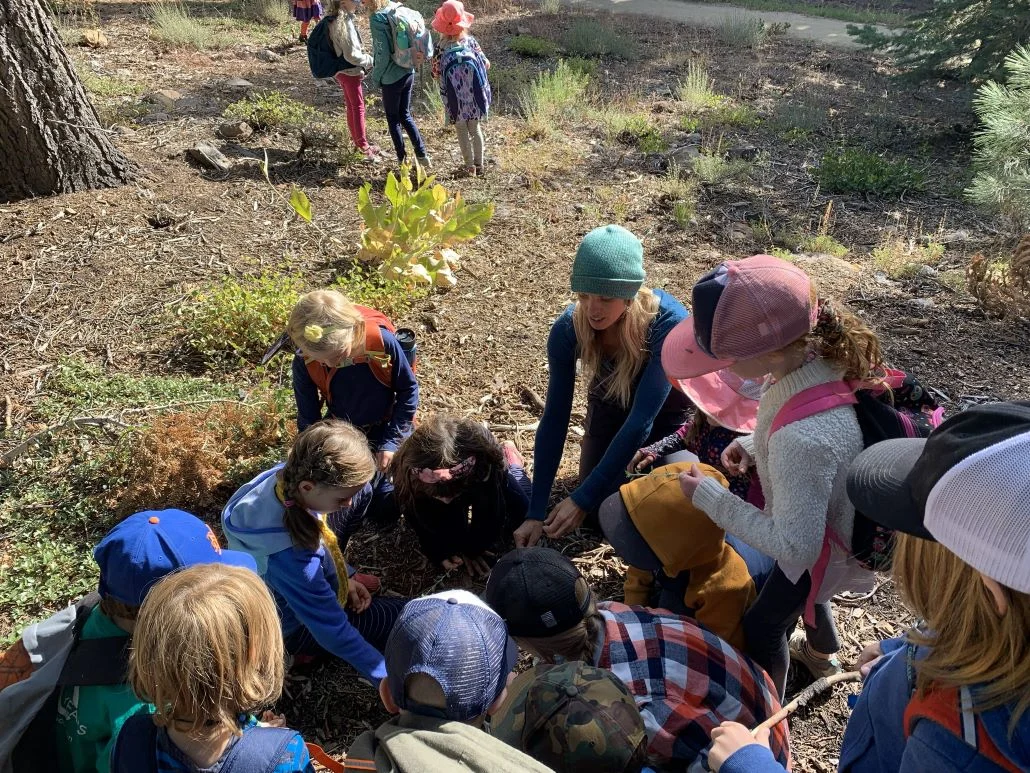
Sheppard’s passion for teaching children transcends the snowy slopes, extending into the traditional classroom and outdoor educational settings. As a middle school science teacher at Tahoe Expedition Academy and the architect of an outdoor education program for the Waldorf School in Truckee, she consistently applies a holistic approach to youth development. Her core belief is that children are inherently "amazing," possessing immense potential that often needs to be cultivated and nurtured. Whether on a snowboard or in a science lab, her teaching philosophy revolves around the fundamental question: "What do you want to impart? What will you show them, teach them, model for them — not just the hard skills you’re teaching them, but how to be a kind and meaningful human."
This integrated approach allows her to seamlessly bridge the gap between physical and intellectual development. On the mountain, she teaches technical skills alongside life lessons in perseverance, adaptability, and self-belief. In the classroom, she encourages scientific inquiry through hands-on, experiential learning that often takes students outside. She emphasizes that education is about fostering curiosity, a love for learning, and the realization that one is "capable of more than they might know." Parents and colleagues praise her ability to connect with students, transforming challenging concepts into engaging, memorable experiences. This consistency in her pedagogical approach, regardless of the environment, underscores her deep understanding of child psychology and effective learning strategies.
Leadership and Legacy: A Force on the Western Region Education Staff
Sheppard’s dedication and expertise earned her a coveted position on the PSIA-AASI Western Region Education Staff, a role that signifies her status as a leading authority in snowsports instruction. This experience, she notes, has been profoundly positive, characterized by a strong sense of camaraderie and mutual support among colleagues. "Many of us have grown up together, learned together, cried together, had families together," she shares, reflecting on the close-knit community within the education team. In this capacity, she actively contributes to the professional development of other instructors, sharing her extensive knowledge and guiding them through their own certification journeys. This "giving back" is a vital component of the PSIA-AASI system, ensuring a continuous cycle of mentorship and excellence.
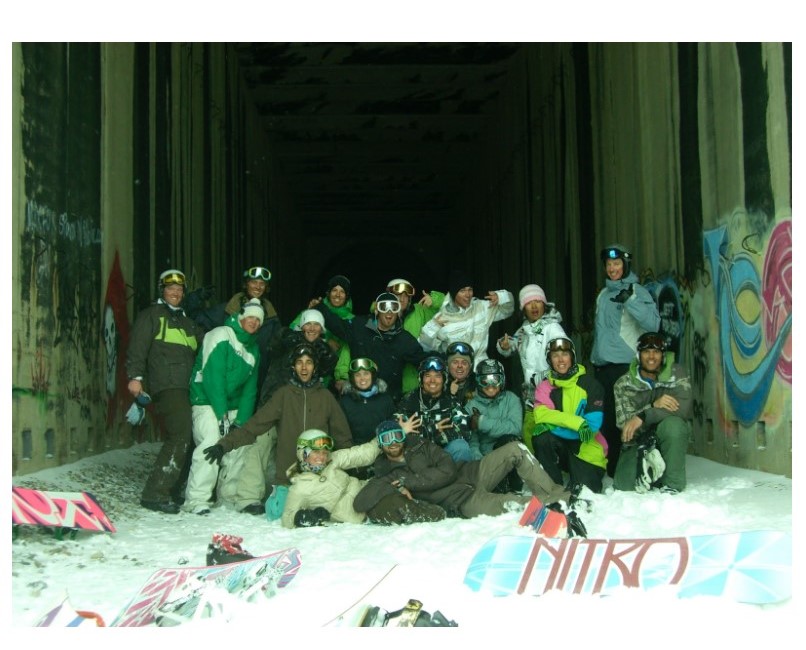
Critically, Sheppard is a prominent figure within a "powerhouse of female examiners" on the Western Education Team. Her presence, alongside other accomplished women, plays a crucial role in advancing female representation and talent within the snowsports industry, a field historically dominated by men. She acknowledges the importance of having female trainers and examiners as role models during her own career, making the pathway to leadership seem attainable. By serving as an examiner, she actively works to "pave the way for more females to join the education team," inspiring aspiring female instructors to pursue advanced certifications and leadership roles. This collective effort is vital for fostering diversity and inclusivity, ensuring that the industry reflects the broader population of snowsports enthusiasts.
Through her PSIA-AASI journey, Sheppard has distilled invaluable life lessons:
- Adaptability: The inability to control external factors, particularly weather.
- Communication: The skill of connecting with diverse individuals.
- Strategic Planning: The ability to assess unknown situations and formulate effective teaching plans.
- Responsiveness: Using student feedback to guide instructional direction.
- Flexibility: The willingness to modify plans when initial approaches are ineffective.
- Differentiation: The capacity to teach multiple skill levels simultaneously.
These lessons, born from the dynamic environment of snowsports instruction, are universally applicable, underscoring the profound personal and professional development inherent in such a career.
A Lifelong Connection to the Wild: The Genesis of Outdoor Education
Sheppard’s profound passion for the outdoors is deeply rooted in her childhood experiences. Growing up, she spent formative years exploring the Georgia mountains and a large expanse of wild land on a lake in Maine. These early encounters with nature – building forts, enduring varying weather conditions, lying in moss, climbing trees – instilled in her a deep sense of connection to the earth and a freedom from the material world. She recalls the "magic" of large snowy mountains, a stark contrast to her Georgia upbringing, which fueled a fascination that eventually led her westward.
This childhood immersion evolved into a structured pursuit of outdoor expertise during her high school years, where she participated in rigorous mountaineering programs. Notably, she completed a National Outdoor Leadership School (NOLS) program and an Adventures Cross Country program. NOLS, founded in 1965, is renowned for its wilderness education programs that teach leadership, outdoor skills, and environmental ethics in remote, challenging environments. Adventures Cross Country, established in 1983, specializes in immersive adventure travel programs for teenagers. These experiences were transformative, solidifying her appreciation for wilderness and the skills required to navigate it safely and effectively.
During college, Sheppard continued to cultivate her passion, working for Adventures Cross Country and leading trips to diverse locations such as Costa Rica, British Columbia, and Alaska. These trips, often spanning three weeks with groups of 10-15 students, focused on activities like backpacking, paddling, climbing, and snowtravel. This period of extensive travel and study abroad in Costa Rica and Chile further broadened her perspective, cementing her realization that a traditional office or lab setting was not her desired path. She yearned for a career where she could "feel the wind on [her] face," leading her to pursue outdoor education as a logical professional progression.
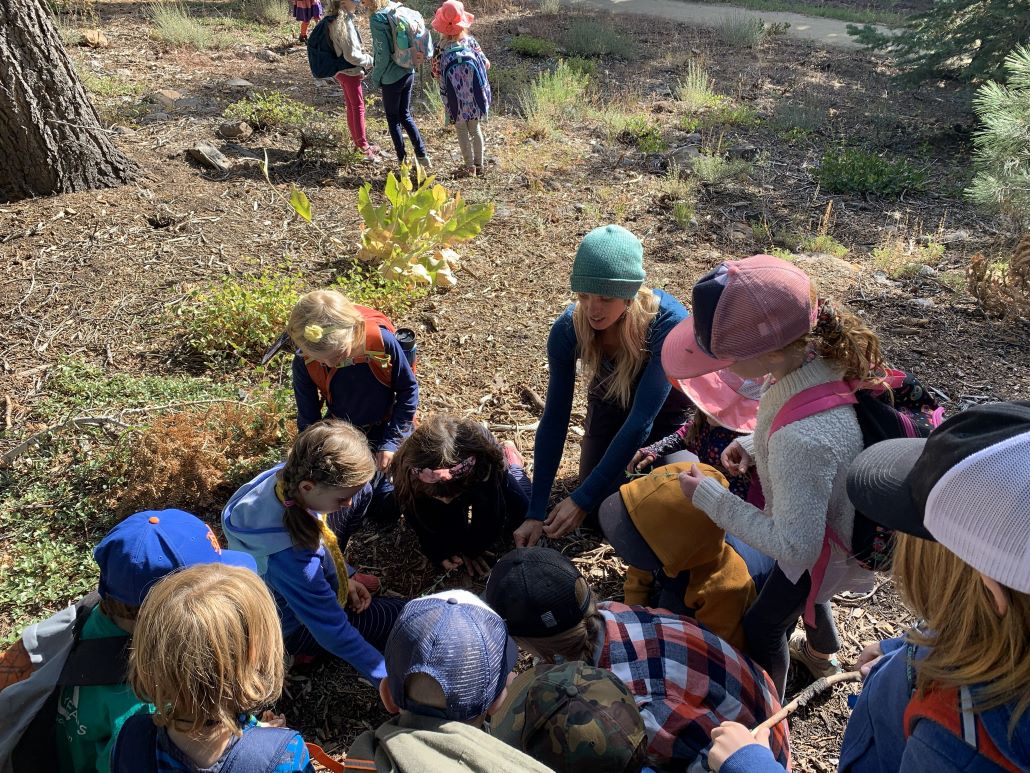
After college, Sheppard accepted a position with Naturalists at Large, a California-based organization that provides outdoor education programs ranging from day trips to week-long excursions. This role offered exposure to various parts of California’s natural landscapes and the opportunity to collaborate with experienced outdoor educators. The programs she led for Adventures Cross Country emphasized creating deep connections with students through shared challenges, beauty, and adventure in nature, fostering cooperation and activating "brains, our bodies, our senses, and our souls to create lasting memories."
The Professionalization of Outdoor Education
Sheppard’s career in outdoor education began at a time when the field was still emerging as a recognized profession. She often encountered the question, "When are you going to get a real job?" This skepticism reflected a societal view that experiential, nature-based careers were unconventional. However, over the past 25 years, she has witnessed a remarkable transformation in the industry. Outdoor education, once seen as a niche pursuit, has gained significant recognition for its profound benefits in child development, environmental stewardship, and leadership training.
Today, the jobs she held are indeed "real jobs," integral to a growing sector that emphasizes hands-on learning, character building, and ecological literacy. The increasing awareness of mental health benefits from spending time outdoors, coupled with a demand for innovative educational approaches, has propelled outdoor education into the mainstream. Institutions like Tahoe Expedition Academy and the Waldorf School, which integrate outdoor learning into their core curricula, exemplify this shift. Sheppard’s pioneering efforts in developing such programs underscore her foresight and unwavering belief in the power of nature to educate and inspire. Her career stands as a powerful testament to the value of pursuing one’s passions, demonstrating that unconventional paths can lead to impactful and deeply rewarding professional lives, ultimately enriching the lives of countless students.
