

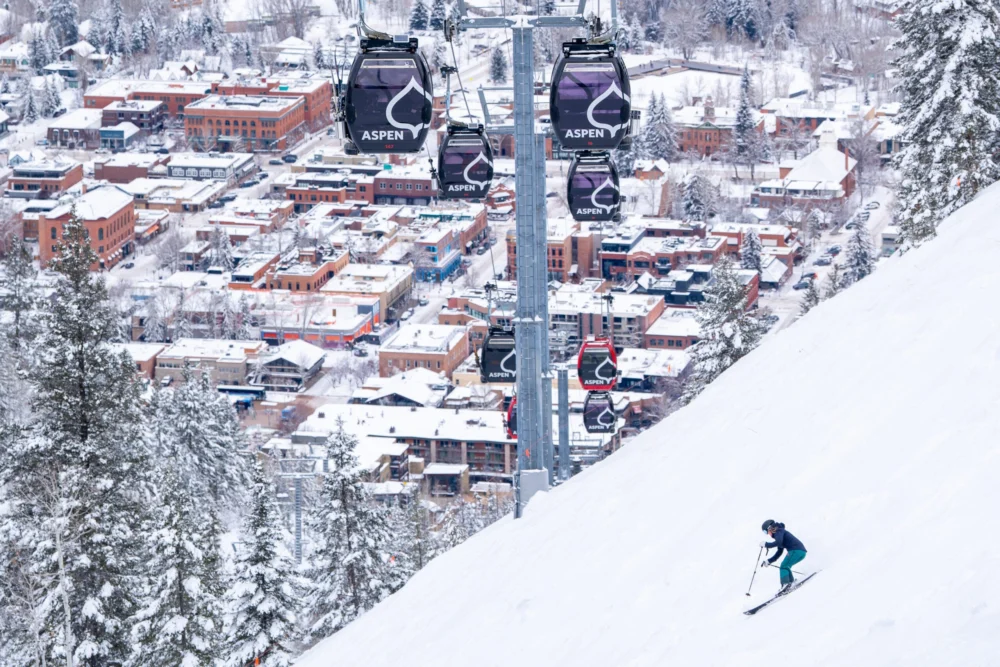
Aspen, Colorado – March 2, 2026 – A significant transformation is underway on the western flank of Aspen Mountain, a historically quieter but equally storied area that once served as the resort’s original access point. A monumental $350 million redevelopment project, spearheaded by deep-pocketed developers and supported by key stakeholders, is poised to revitalize the area around the venerable Lift 1A, ushering in a new era of luxury, accessibility, and historical preservation. This ambitious undertaking, expected to be completed by 2029, aims to create a vibrant second base village, complementing the existing Gondola Plaza and offering a distinct, high-end experience for skiers and visitors.
The Genesis of a Revitalization: Remembering Lift 1A’s Past
When Aspen Mountain, affectionately known as Ajax, first opened its slopes in 1947, the primary gateway for skiers was not the bustling Gondola Plaza of today. Instead, it was located a few blocks west, at the base of what is now designated as Lift 1A, historically referred to as the Shadow Mountain Lift. This original portal, though still identifiable by the weathered remnants of its 1940s-era steel chairlift, has largely faded into obscurity. Its relative inaccessibility, requiring a noticeable uphill hike from the town’s core compared to the more convenient lifts at The Little Nell base, has relegated it to a less frequented access point for most modern skiers.
However, this historical significance is not being overlooked by the visionaries behind the current redevelopment. The project is meticulously designed to honor and reintegrate this foundational element of Aspen’s skiing legacy into a contemporary luxury destination. The revival of Lift 1A is not merely about installing a new piece of infrastructure; it represents a deep-seated commitment to re-establishing the original spirit of access while elevating it to meet the demands of the 21st-century luxury traveler.
A Monumental Investment: The Scope of the Lift 1A Project
The centerpiece of this ambitious endeavor is a sprawling 200,000-square-foot development project, anchored by the forthcoming Chalet Alpina, formerly known as Lift One Lodge. This multifaceted project, which commenced construction in late 2025, represents a substantial financial commitment of $350 million. The development plan is comprehensive, encompassing the installation of a brand-new ski lift that will originate much closer to the heart of downtown Aspen, thereby significantly enhancing accessibility.
Beyond the crucial ski lift infrastructure, the project will introduce a premier luxury hotel, complete with exclusive residences offering direct ski-in, ski-out access. This component is designed to attract a discerning clientele seeking unparalleled convenience and indulgence. Furthermore, the vision extends to cultural and culinary amenities. Plans include a sophisticated restaurant, providing a new dining destination, and a dedicated ski museum. The museum will be housed within two meticulously renovated and relocated mid-century chalet buildings, serving as a tangible link to Aspen’s rich skiing history. Complementing these features will be essential public amenities, including much-needed public parking and a beautifully designed new plaza, intended to become a central gathering point for the community and visitors alike.
Key Players and Stakeholders Driving the Vision
The successful realization of the Lift 1A revival is a testament to the collaborative efforts of several prominent entities. The development is being spearheaded by HayMax Capital, a local Aspen firm with a proven track record in high-end hospitality, led by brothers Michael and Aaron Brown. They are partnered with Irongate Group, under the leadership of CEO Jason Grosfeld, another significant force in luxury real estate development. HayMax Capital’s existing portfolio, which includes well-regarded properties such as The Mollie Aspen and Aspen Mountain Lodge, underscores their commitment to quality and their understanding of the Aspen market.

The project also benefits from the strategic involvement of the resort operator, Aspen Skiing Company, a vital partner in ensuring the seamless integration of the new base area with the existing mountain operations. The City of Aspen has played a crucial role in navigating the complex regulatory and planning processes, underscoring the project’s alignment with the city’s long-term development goals. Additionally, the involvement of the renowned luxury hotel company Aman Group hints at the caliber of the hospitality experience that is being cultivated, although specific details regarding their contribution are yet to be publicly disclosed. This broad coalition of expertise and investment signifies a shared vision for the future of this historic part of Aspen.
A Long Road to Groundbreaking: The Chronology of Development
The concept of revitalizing the Lift 1A area has been a topic of discussion and planning for over a decade, with significant progress only emerging in recent years. The journey from initial idea to the commencement of construction has been marked by extensive deliberation, community engagement, and intricate approval processes.
The project first gained substantial momentum in 2019 when a crucial public vote was held to approve the comprehensive plans for the new base area. This vote was remarkably close, with the proposal passing by a slim margin of just 26 votes. This narrow victory highlighted the delicate balance required to advance such a transformative project in a community deeply invested in its heritage and character. The subsequent years were dedicated to refining designs, securing financing, and navigating the final stages of permitting, culminating in the groundbreaking ceremony in late 2025. The extended timeline, while potentially testing for stakeholders, has allowed for meticulous planning and a deep understanding of the project’s nuances.
Design Philosophy: Honoring Heritage, Embracing Modernity
The aesthetic and functional design of the new base area is deeply rooted in the preservation and celebration of Aspen’s architectural past. A core element of this philosophy is the restoration and integration of the mid-century chalet buildings that will house the ski museum and other public amenities. These structures, once representative of an earlier era of mountain architecture, are being meticulously brought back to life, serving as anchors for the new development.
Furthermore, the project aims to draw inspiration from the very remnants of the original 1940s-era Lift 1. The spirit of this pioneering ski lift, which first opened up Aspen Mountain to the public, is intended to permeate the design, creating a palpable connection between the historical context and the contemporary luxury experience. Jason Grosfeld, CEO of Irongate Group, reflected on this prolonged gestation period in a February 16th article published by Fast Company. He noted, "The nice thing about a long process is we get to stare at this thing for like 10 years before we’ve even built it. We’ve been staring at these renderings for a long, long time and nobody’s sick of them yet. I can’t say that for every rendering that I’ve stared at for a long time.” This sentiment underscores the deliberate and thoughtful approach taken to ensure the final product resonates with both historical integrity and modern appeal.
Operational Impact and Future Considerations
For the immediate future, skiers visiting Aspen Mountain for the 2025-2026 season are assured that there will be no direct impact on their access or the mountain operations due to construction. Aspen Skiing Company has confirmed that the active construction phases are timed to avoid disruption during the current ski season.
However, as the project progresses towards its 2029 completion, it is anticipated that mountain access will be fundamentally altered. Future bookings and travel plans should take this into account. Skiers and visitors are strongly advised to inquire directly with their hotels or condominium providers regarding the most up-to-date information on access points and any potential logistical adjustments as the new base area takes shape. This proactive communication will be crucial for a smooth transition and to ensure all visitors can fully enjoy the enhanced amenities and accessibility of the revitalized Lift 1A area.
Economic and Community Implications
The $350 million investment in the Lift 1A revival signifies more than just a physical upgrade to Aspen Mountain; it represents a substantial economic injection into the local community. The construction phase alone will generate numerous jobs and stimulate economic activity across various sectors, from hospitality to construction trades.
Upon completion, the new luxury hotel and residences are expected to attract a higher-spending demographic, potentially increasing tourism revenue and supporting local businesses. The creation of a second, distinct base village could also alleviate some of the congestion experienced at the primary Gondola Plaza, offering a more serene and exclusive experience for a segment of visitors.
The inclusion of a ski museum and public plaza also speaks to a broader vision of community enrichment. These amenities are designed to be accessible to all, fostering a sense of shared heritage and providing new cultural touchpoints within the town. The careful restoration of historical buildings further emphasizes a commitment to preserving Aspen’s unique character while embracing growth.
Analysis of the Strategic Advantage
The redevelopment of the Lift 1A area can be viewed as a strategic move by Aspen to further solidify its position as a premier global luxury destination. By investing in a second, high-end base area, the resort is catering to an evolving market that values convenience, exclusivity, and integrated luxury experiences.
The enhanced accessibility offered by the new lift, originating closer to town, is a critical factor in attracting a broader range of visitors, including those who may have found the previous access challenging. This move also diversifies the mountain’s offerings, providing distinct experiences and potentially spreading skier traffic more evenly across the resort.
Furthermore, the project’s emphasis on historical preservation, particularly through the restoration of the mid-century chalets and the symbolic revival of Lift 1A, resonates with the growing trend of experiential travel. Visitors are increasingly seeking authentic connections to a destination’s past and culture, and this development is poised to deliver just that, wrapped in a package of contemporary luxury. The successful navigation of the complex approval process, including the close public vote, demonstrates a mature approach to development that balances progress with community consensus, a crucial factor for long-term success in a place like Aspen.
The Lift 1A revival is not just a construction project; it is a carefully orchestrated evolution of Aspen Mountain, designed to honor its past, embrace its future, and deliver an unparalleled experience for generations of skiers and visitors to come.
