

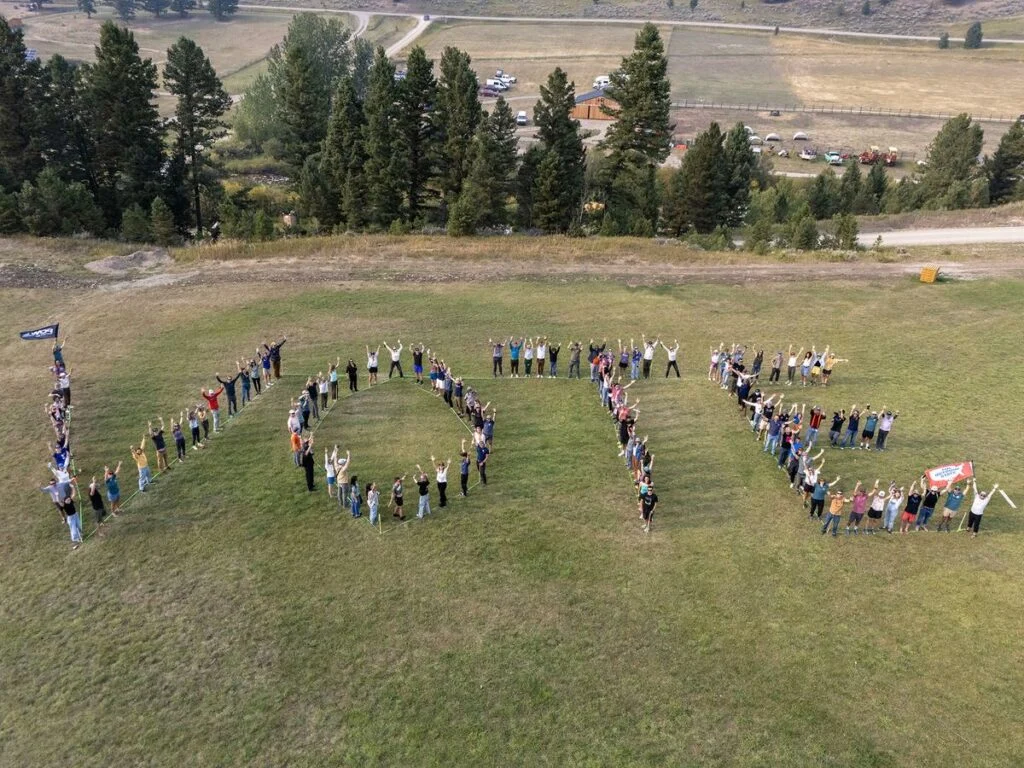
The advocacy organization Protect Our Winters (POW) has officially launched its strategic roadmap for the 2026 midterm elections, framing the upcoming political cycle as a critical juncture for the future of American public lands and climate policy. Central to this initiative is the mobilization of what the organization terms the "Outdoor State"—a diverse demographic of approximately 45 million skiers, climbers, hikers, paddlers, mountain bikers, and anglers. By positioning outdoor enthusiasts as a decisive voting bloc, POW aims to counter recent legislative and executive shifts that have sought to roll back environmental protections and expand industrial extraction on federal lands.
The campaign, titled "Shift Who Decides," emphasizes that political participation requires the same level of rigorous preparation and conditioning as high-altitude mountaineering or ultra-endurance athletics. According to POW leadership, the thin margins that define success in the backcountry—where a single mistake can lead to failure—are mirrored in the narrow margins of modern electoral politics. With the 2026 midterms expected to determine the composition of the 119th Congress, the organization is focusing its efforts on voter education, registration, and turnout, specifically targeting those whose livelihoods and recreational pursuits are tied to the health of the natural environment.
The Policy Landscape and Recent Rollbacks
The impetus for the "Shift Who Decides" campaign stems from what conservationists describe as an aggressive period of deregulation regarding public lands and carbon emissions. Over the past several years, the United States has seen a fluctuating approach to environmental stewardship. While landmark legislation such as the Inflation Reduction Act (IRA) and the Great American Outdoors Act (GAOA) provided record funding for clean energy and deferred maintenance in National Parks, subsequent administrative and judicial challenges have complicated the long-term stability of these gains.
Legislative analysts point to several key areas where the "Outdoor State" feels the most significant pressure. These include the potential easing of National Environmental Policy Act (NEPA) requirements, which could accelerate oil and gas leasing on sensitive federal tracts, and ongoing debates regarding the scope of the Antiquities Act. The latter has been a flashpoint for controversy, as various administrations have used the act to either establish or significantly reduce the size of National Monuments, such as Bears Ears and Grand Staircase-Escalante in Utah.
Protect Our Winters argues that when decision-makers are not held accountable by the communities that directly interact with these landscapes, the result is a prioritization of short-term industrial profit over long-term ecological and economic sustainability. The organization highlights that the air quality in mountain corridors and the water levels in Western river basins are directly tied to federal oversight, making the ballot box the primary tool for defensive and offensive environmental action.
The Economic Power of the Outdoor State
To understand the potential impact of the 45 million voters POW aims to reach, one must look at the economic data surrounding the outdoor recreation industry. According to the U.S. Bureau of Economic Analysis (BEA), the outdoor recreation economy accounted for $1.1 trillion in gross economic output in 2022, representing 2.2% of the total U.S. Gross Domestic Product (GDP). This sector supports nearly five million jobs across the country, ranging from manufacturing and retail to hospitality and professional guiding.
This economic weight provides the "Outdoor State" with a non-partisan lever of influence. In states like Colorado, Montana, Utah, and Nevada, the outdoor industry is a primary economic driver, often outpacing traditional extractive industries in terms of job creation and long-term growth. POW’s strategy involves educating voters in these key regions about how federal policies—such as carbon pricing, renewable energy transitions, and land conservation—impact their local economies.
By framing climate change as an economic threat to the multi-billion-dollar ski and outdoor industry, POW seeks to move the conversation beyond traditional partisan divides. The loss of snowpack, increasing frequency of wildfires, and unpredictable weather patterns are no longer theoretical concerns for this demographic; they are operational hazards that affect the bottom line of mountain resorts and local businesses.
Chronology of Voter Engagement and Turnout Trends
The 2026 campaign builds on a decade of increasing political engagement within the outdoor community. Historically, outdoor enthusiasts were often viewed as a fragmented group more interested in recreation than representation. However, the 2018 and 2022 midterm elections marked a significant shift in this narrative.
In 2018, midterm turnout reached its highest level in four decades, driven in part by a surge in youth voters and those concerned with environmental protections. This momentum continued into 2022, where voter turnout exceeded 52% of the voting-age population. This figure is particularly notable as it represents one of only three midterms since 1978 to surpass the 50% threshold.
Protect Our Winters played a visible role in these cycles, utilizing a network of "Athlete Alliance" members—professional snowboarders, alpinists, and runners—to deliver messaging directly to their social media followings. For the 2026 cycle, the timeline for POW’s activation is as follows:

- Phase I (2024-2025): Infrastructure Building. Focusing on updating voter registration databases and expanding the "Outdoor State" digital platform to include state-specific legislative trackers.
- Phase II (Early 2026): Primary Education. Educating the electorate on primary candidates’ records regarding public land access and climate mitigation strategies.
- Phase III (Summer 2026): The "Summit to the Polls" Mobilization. A series of nationwide events, town halls, and digital campaigns designed to bridge the gap between recreational activity and civic duty.
- Phase IV (November 2026): Get Out The Vote (GOTV). A concentrated push to ensure that the 45 million identified voters cast their ballots, with a focus on mail-in voting and early participation.
Analysis of Electoral Margins and the "Crimp" Metaphor
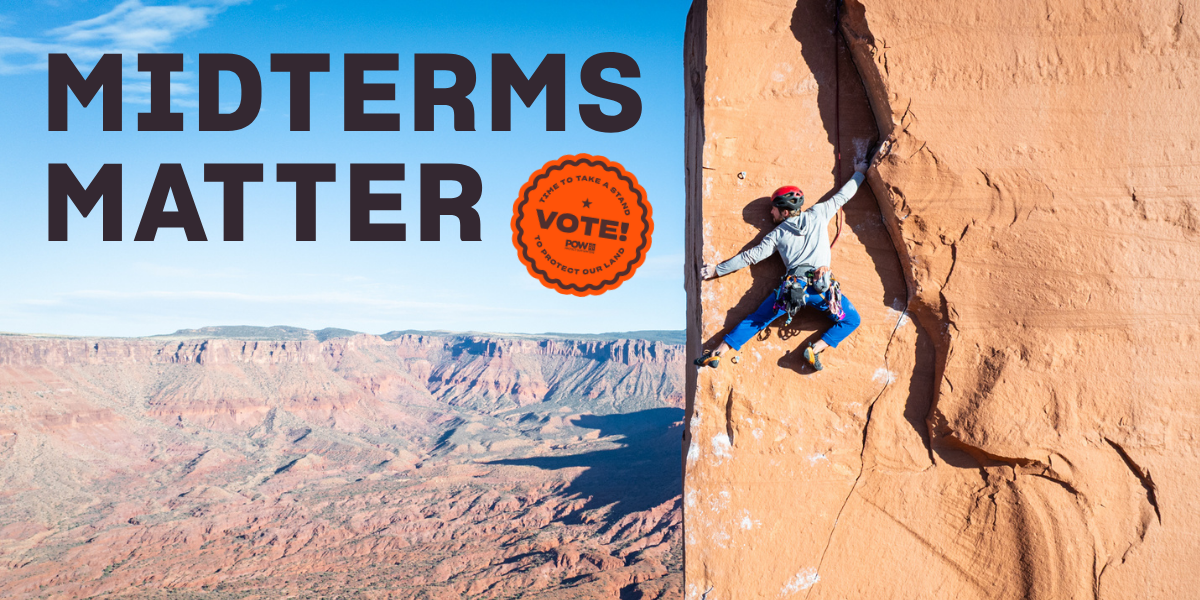
A core component of POW’s messaging is the "crimp" metaphor—a reference to a small, difficult-to-hold finger grip used in rock climbing. In climbing, the difference between successfully navigating a route and falling (taking a "whipper") often comes down to a few millimeters of contact. POW applies this logic to electoral politics, noting that many federal and state races are decided by less than 1% of the vote.
Statistical analysis of recent elections in the American West supports this view. In several Congressional districts in states like New Mexico and Arizona, the margin of victory has been narrower than the estimated number of active outdoor recreationists in those districts. By mobilizing even a small percentage of previously inactive voters within the climbing or skiing communities, POW believes it can effectively "Shift Who Decides" the outcome of these races.
This strategy is not without its challenges. The outdoor community is not a monolith; it includes a wide spectrum of political affiliations. However, POW’s internal polling and industry data suggest a strong consensus on specific issues: the protection of public lands from privatization, the maintenance of National Park infrastructure, and the necessity of addressing the root causes of shortened winter seasons.
Stakeholder Perspectives and Broader Implications
The reaction to POW’s 2026 roadmap has been met with both support from environmental groups and scrutiny from proponents of expanded industrial land use. Organizations such as the Outdoor Industry Association (OIA) have echoed the sentiment that the industry must be more politically active to protect its assets. Conversely, some industry analysts argue that the "Outdoor State" must balance its conservation goals with the energy needs of the nation, particularly regarding the minerals required for the green energy transition, which are often found on federal lands.
The broader implications of the "Shift Who Decides" campaign extend beyond the 2026 midterms. If successful, POW’s model of interest-group mobilization could serve as a blueprint for other specialized demographics. By connecting a specific lifestyle—outdoor recreation—to the mechanics of federal policy, the organization is attempting to create a permanent culture of civic engagement.
As the 2026 election cycle approaches, the focus remains on the "margins." For Protect Our Winters and the millions of citizens who comprise the Outdoor State, the upcoming midterms represent more than a political contest; they represent a high-stakes expedition to secure the environmental and economic stability of the places they live, work, and play. The organization’s message is clear: apathy is no longer a viable option when the terrain itself is at risk. Through rigorous preparation and collective action, the outdoor community aims to ensure that clean air, clean water, and a healthy planet remain at the forefront of the American legislative agenda.
