

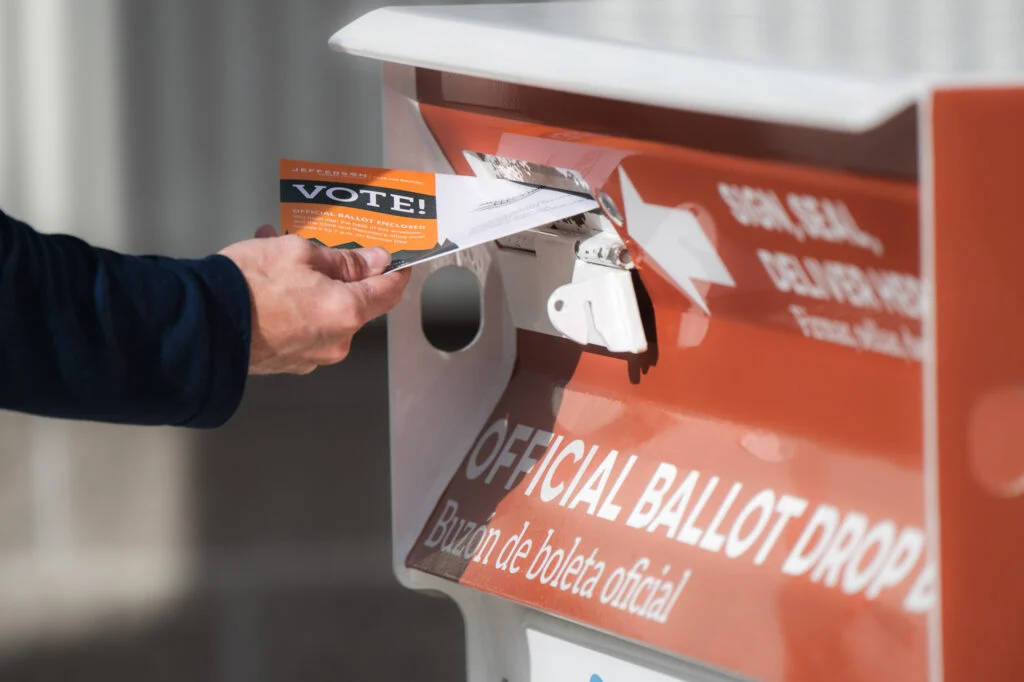
The global movement to mitigate climate change is increasingly encountering a barrier that transcends technological limitations and economic feasibility. While the discourse surrounding environmental protection has historically focused on carbon sequestration, renewable energy infrastructure, and market-based incentives, a new consensus is emerging among policy analysts and advocacy groups: the primary obstacle to climate progress is the structural integrity of the democratic process and the identity of those who exercise administrative power. This shift in perspective posits that climate policy is not merely a scientific or financial challenge, but a direct consequence of electoral outcomes and the accessibility of the ballot box.
The Shift from Technical to Political Obstacles
For much of the last decade, the transition to a low-carbon economy was framed as a battle of "merits"—a competition between the declining costs of solar and wind energy and the established infrastructure of fossil fuels. However, recent developments in federal and state governance suggest that clean energy is no longer losing on the merits of its technology or its cost-effectiveness. Instead, the sector is facing significant setbacks driven by specific administrative and legislative decisions.
The transition from long-term planning to short-term volatility has created a climate of uncertainty for investors and developers. Environmental advocates argue that the capacity to address the warming planet is fundamentally tied to the individuals who hold the power to sign legislation, issue executive orders, and manage public lands. Consequently, the act of voting is being redefined as a "climate action," a core tool for environmental preservation that is just as critical as reducing one’s carbon footprint or investing in green technology.
Legislative Rollbacks and the Clean Energy Sector
The most significant recent disruption to the clean energy landscape stems from the implementation of the federal tax and budget law known as the One Big Beautiful Bill Act. While initially presented as a framework for economic growth, the legislation included provisions that significantly altered the trajectory of the renewable energy sector. Most notably, the act clawed back established clean energy tax credits and imposed a restrictive July 2026 deadline for project completion.
This legislative shift effectively reduced the "runway" for energy developers from a stable nine-year window to a precarious one-year timeframe. The implications of this compressed schedule have been immediate and severe. Industry data indicates that approximately $83 billion in solar, wind, and battery storage projects have been either canceled or indefinitely delayed. The loss of these projects does not only represent a setback for carbon reduction goals but also a significant blow to the labor market. Estimates suggest that these stalled initiatives would have supported roughly 470,000 jobs across the manufacturing, construction, and engineering sectors.
The Conservation Crisis: Bears Ears and Public Lands
Parallel to the legislative changes affecting the energy sector, administrative actions have targeted federal land conservation. On July 13, the administration moved to reduce the Bears Ears National Monument by 90 percent. The monument, which originally spanned 1.36 million acres, was reduced to approximately 121,000 acres. This reduction is not merely a change in boundary lines; it carries immediate industrial implications.
The administrative order opened the removed land to mining and mineral extraction within a 60-day window. Furthermore, the decision dissolved the tribal commission that had been established to co-manage the land, effectively removing Indigenous voices from the stewardship of their ancestral territories. Critics of the move point out that this drastic shift in policy did not result from a change in public opinion regarding land conservation, which remains high, but rather from a change in the executive leadership holding the authority to redefine national monuments.
Chronology of Administrative and Legislative Actions
To understand the current state of climate and electoral policy, it is necessary to examine the timeline of events that have led to the present friction between governance and environmental goals:
- Initial Passage of Clean Energy Credits: Long-term tax incentives were established to provide the market stability needed for large-scale renewable infrastructure.
- Enactment of the One Big Beautiful Bill Act: This legislation introduced the July 2026 deadline and credit clawbacks, destabilizing nearly $83 billion in private investment.
- March Directive to DHS and USPS: The administration ordered the Department of Homeland Security (DHS) to compile citizen lists and directed the United States Postal Service (USPS) to implement restrictions on the delivery of mail-in ballots.
- July 13 Administrative Order: The 90 percent reduction of Bears Ears National Monument was finalized, signaling a shift toward extractive industries on former public lands.
- July Dismissal of the EAC: The remaining members of the Election Assistance Commission (EAC) were terminated, leaving the federal body responsible for certifying voting systems without the quorum necessary to function.
- State-Level Legislative Shifts: Throughout the current election cycle, states such as South Dakota, Utah, Texas, and Ohio implemented new laws regarding voter registration and roll maintenance.
Systematic Threats to Electoral Participation
As the link between political power and climate policy becomes clearer, the mechanisms of voting themselves have come under scrutiny. Proponents of climate action argue that defending the right to vote is an essential component of environmental work. This perspective is fueled by a series of administrative and state-level actions that critics describe as a coordinated effort to restrict ballot access.
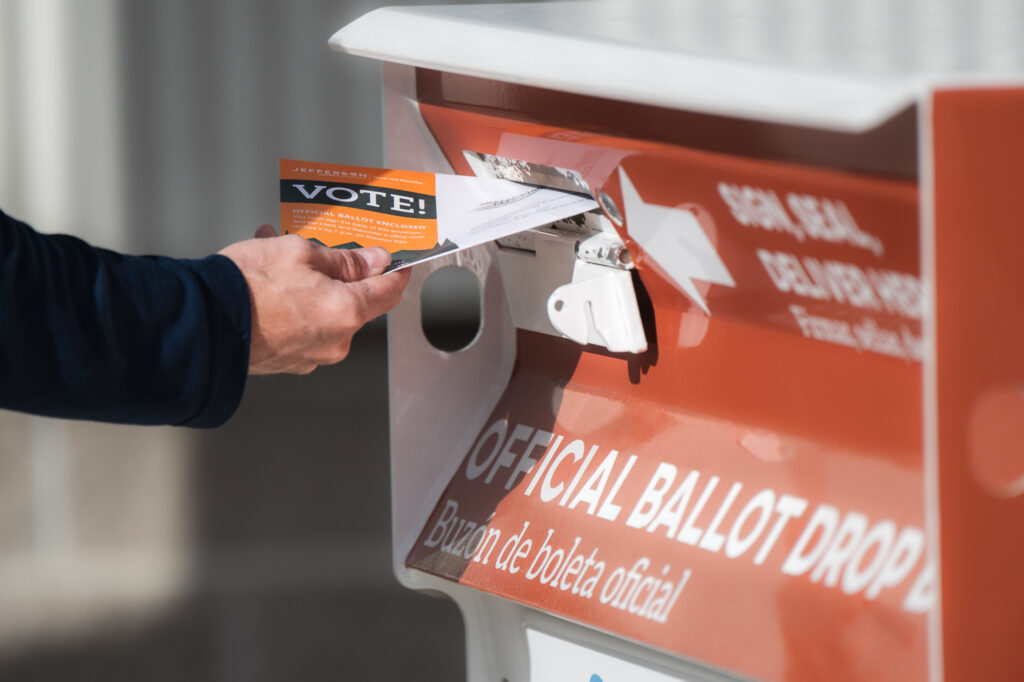
At the federal level, the directive to the USPS to restrict mail-in ballot delivery and the DHS order to compile citizen lists were met with immediate legal challenges. While federal courts have struck down parts of these orders as unconstitutional, the intent behind them has raised alarms regarding the security of the upcoming election cycles. Perhaps more critical was the firing of the Election Assistance Commission members. Without a quorum, the EAC is unable to certify new voting equipment or provide essential guidance to state election officials, potentially creating a vacuum in election security and administration.
At the state level, the barrier to entry for voters has increased. Twelve states now require documentary proof of citizenship to register, a move that advocates say disproportionately affects marginalized communities and young voters—groups that statistically prioritize climate issues. In Texas and Ohio, the purging of voter rolls based on what critics call "flawed federal data" has led to ongoing litigation and concerns over mass disenfranchisement.
Economic Consequences of Policy Volatility
The intersection of voting and climate is not solely a matter of social justice; it is an issue of economic stability. The $83 billion in lost or delayed projects represents a massive diversion of capital away from the American energy transition. When policy can be radically altered by a single election cycle, the "regulatory risk" for investors becomes prohibitively high.
The 470,000 jobs at stake are often located in rural areas where wind and solar farms are typically built. These positions provide high-wage, skilled labor opportunities that are essential for local economies. By truncating the development runway and introducing uncertainty into the electoral process, the current administration has, according to economic analysts, inadvertently slowed the growth of one of the fastest-expanding sectors of the U.S. economy.
Institutional Responses and the "Defend the Vote" Campaign
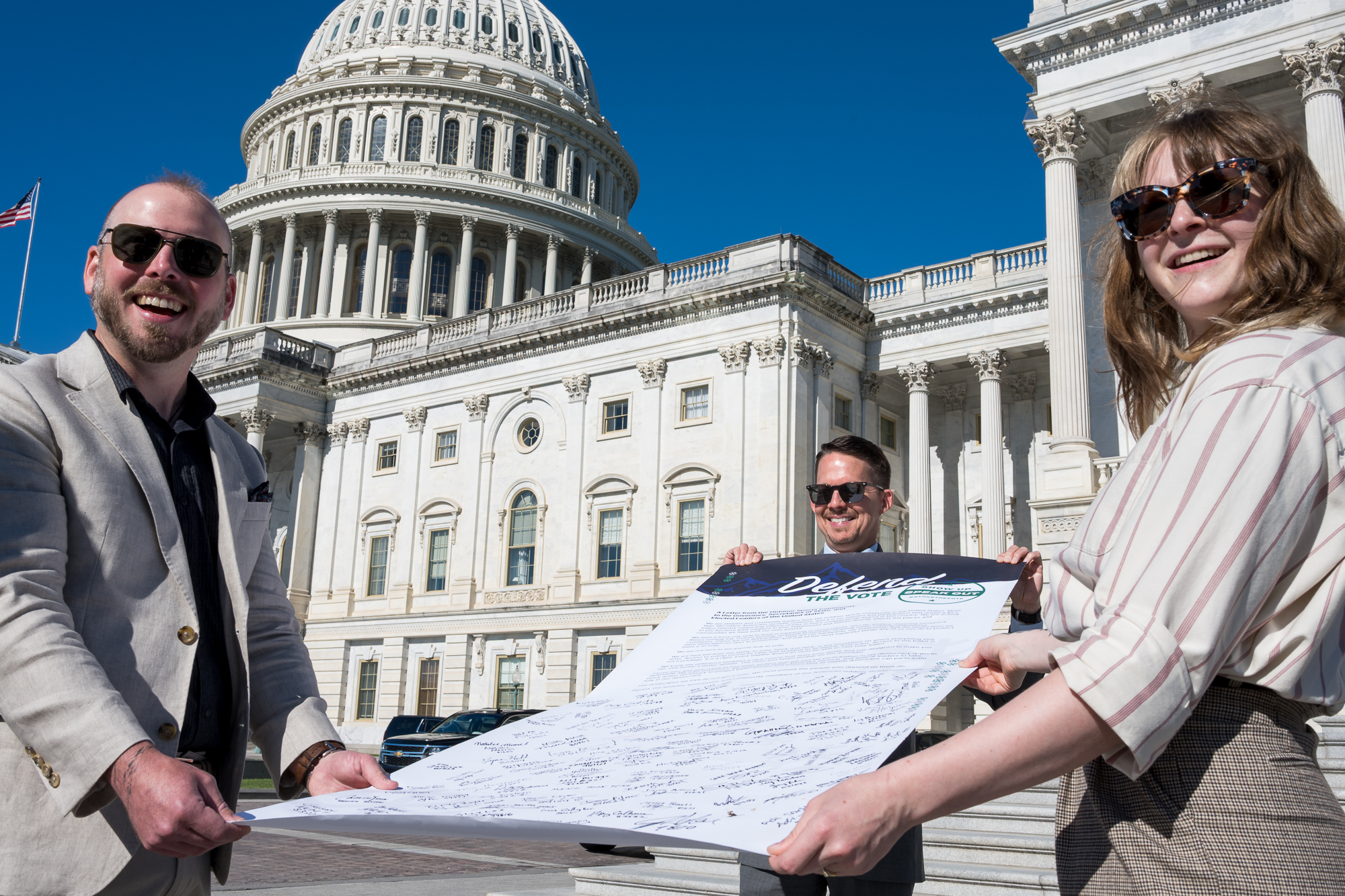
In response to these interconnected threats, organizations like Protect Our Winters (POW) have launched initiatives such as "Defend the Vote." This campaign represents a strategic shift in environmental advocacy, moving from general "get out the vote" (GOTV) efforts to targeted legal and administrative engagement. The campaign focuses on geographies where ballot access is most at risk, specifically targeting the roles of secretaries of state in regions like Montana and New Hampshire.

The "Defend the Vote" movement has seen an unprecedented level of support from the private sector. A recent sign-on letter from POW attracted a record number of endorsements from the outdoor industry, including some of the world’s most recognizable brands. This corporate involvement suggests that the business community increasingly views the protection of democratic norms as a prerequisite for a stable climate and, by extension, a stable economy.
Broader Implications for Climate Governance
The current political landscape suggests that the "climate fight" has entered a new phase. It is no longer enough for advocates to lobby for specific environmental regulations; they must also ensure that the democratic structures allowing for such advocacy remain intact. The logic is straightforward: if a segment of the population that prioritizes climate action is unable to cast a ballot, the resulting policy will inevitably reflect the interests of those who remain in power.
The upcoming midterms and subsequent general elections will serve as a litmus test for this theory. Turnout is expected to be the deciding factor, but turnout is dependent on the fairness and accessibility of the electoral system. If voter roll purges, documentation requirements, and administrative hurdles continue to proliferate, the path to achieving international climate targets, such as those outlined in the Paris Agreement, may become politically impossible regardless of technological breakthroughs.
Ultimately, the protection of the vote is being integrated into the core mission of environmental organizations. By framing the ballot as a climate tool, these groups are signaling that the future of the planet’s atmosphere is inextricably linked to the integrity of its democratic institutions. As the July 2026 deadline for clean energy projects approaches, the urgency of this connection becomes even more pronounced, placing the responsibility for climate progress squarely in the hands of the electorate.
