

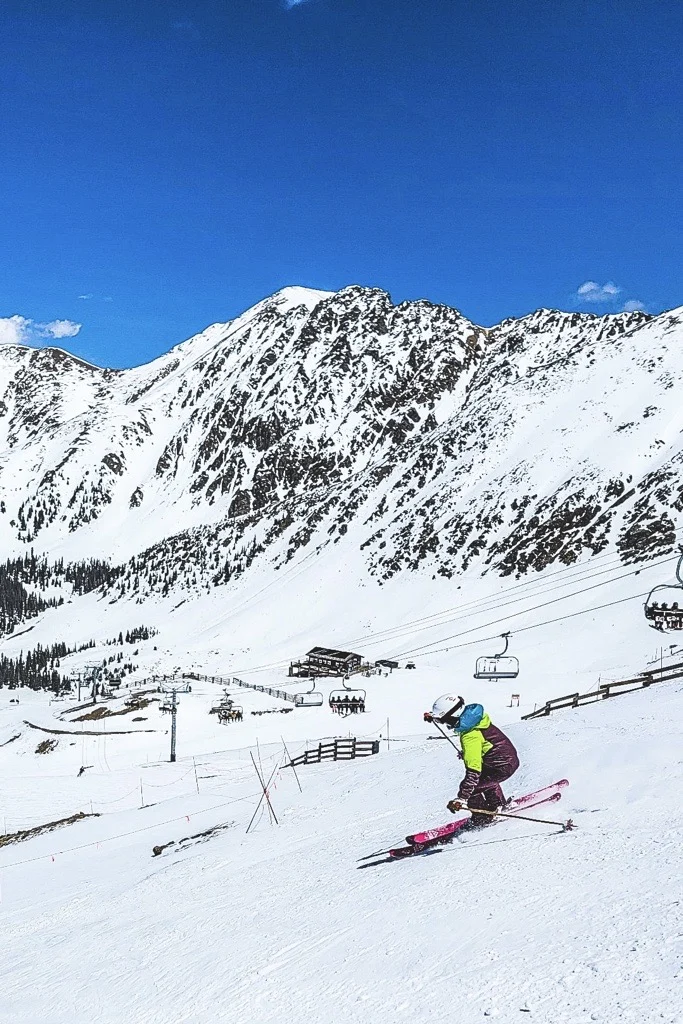
Katherine Fuller, the Director of Marketing and Communications for the Professional Ski Instructors of America and American Association of Snowboard Instructors (PSIA-AASI), recently embarked on a five-week intermediate ski lesson program at Eldora Mountain in Boulder County, Colorado. This personal journey, undertaken as a student rather than an instructor, yielded profound insights into the critical role of professional instruction in skill development, confidence building, and fostering a deeper connection with snowsports. Fuller’s experience underscores the effectiveness of certified teaching methodologies and their potential to transform an individual’s relationship with skiing, moving beyond mere technical proficiency to cultivate a sense of belonging and joy on the slopes.
The Quest for Mastery: Overcoming Personal Hurdles
Fuller’s decision to enroll in a snowsports lesson program marked her first participation as a student in nearly a decade. Despite her professional role within the snowsports industry, she did not grow up with the sport, learning to snowboard in her twenties and ski in her thirties. This background often led to a sense of professional inadequacy, as she frequently skied with peers far more experienced and skilled. This disparity fostered a "shadow of mediocrity," eroding her confidence, entrenching bad habits, and ultimately leading to skiing with fear and doubt. Her position at a ski area and later at PSIA-AASI created an internal conflict, where being a "less-than-expert" skier felt like being a "fraud" within an industry she deeply loved.
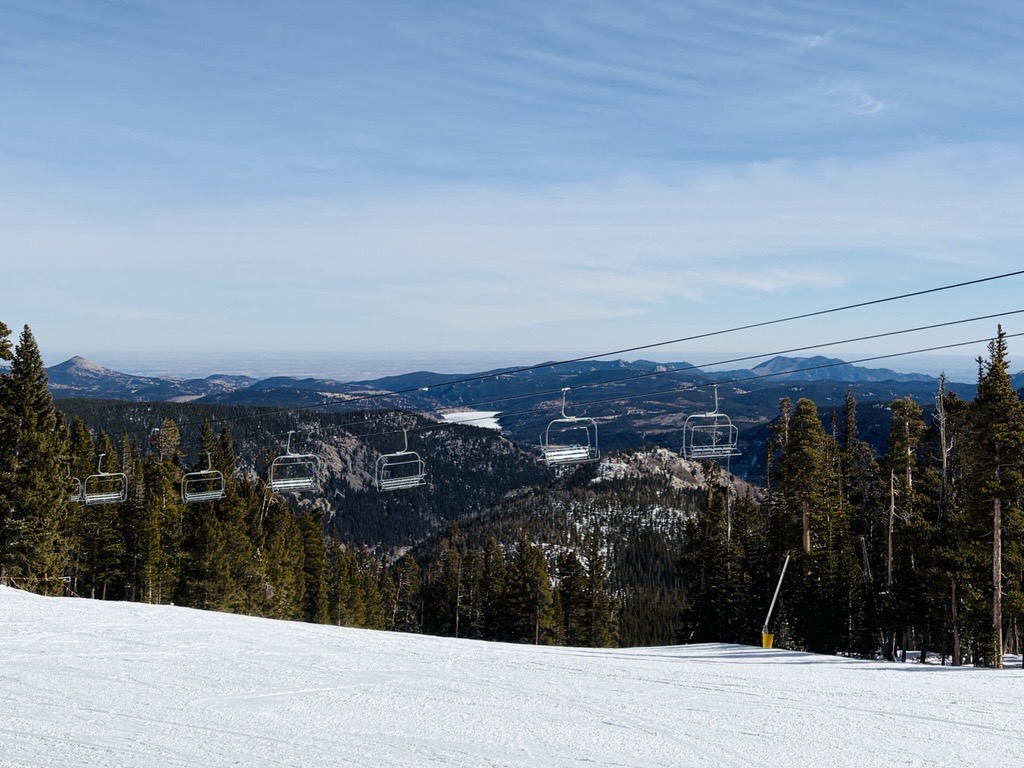
A significant personal challenge Fuller faced was a gripping acrophobia, which typically manifested as intense anxiety during lift rides. However, during her initial lift ride at Eldora, a notable sense of calm replaced her usual panic. This early shift hinted at the supportive and confidence-building environment the program would provide. To ensure an authentic learning experience free from the pressures of her professional identity, Fuller chose not to disclose her affiliation with PSIA-AASI, paying for the program herself and presenting as a regular participant with a "vague marketing job." This anonymity allowed her to fully immerse herself in the student experience, shedding preconceived notions and ego.
Eldora’s Intermediate Program: A Structured Approach to Adult Learning
Eldora Mountain’s five-week intermediate lesson program, designed for approximately 40 women, is representative of a growing trend in the snowsports industry: targeted adult education programs. These programs address the specific needs of adult learners who may have learned later in life, are returning to the sport, or seek to overcome plateaus in their skill development. Such initiatives are crucial for participant retention and fostering lifelong engagement in snowsports. The program structure provided 15 hours of instruction spread across five days, allowing for consistent practice and reinforcement of new skills.
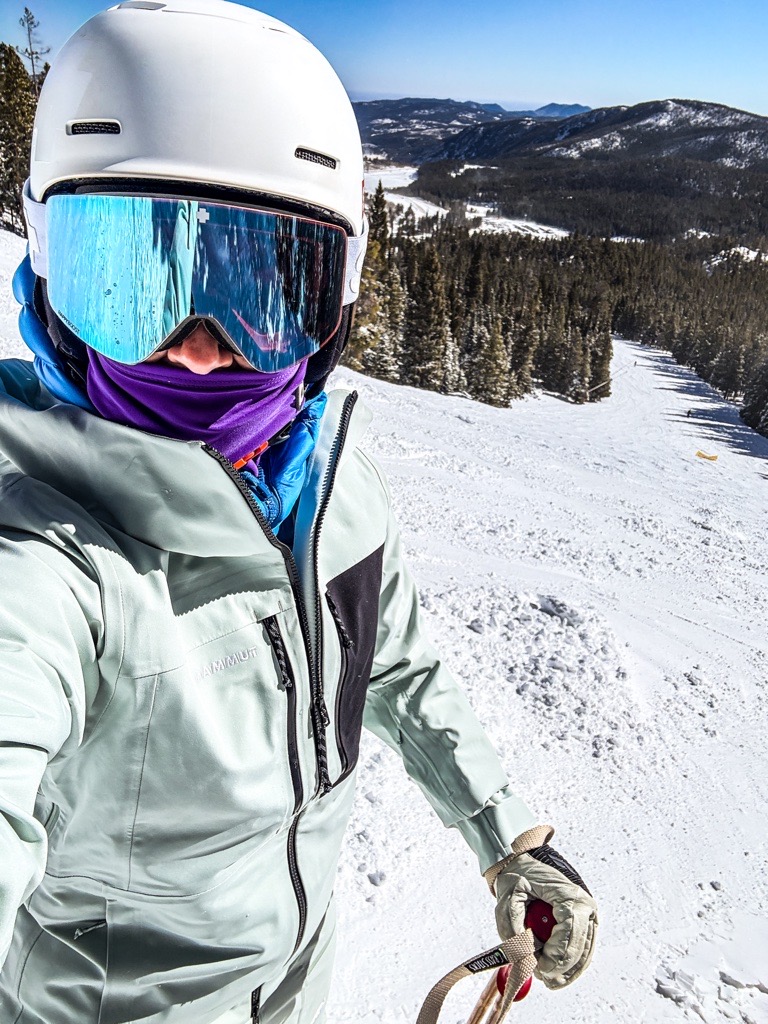
A key element of the program’s success was the initial assessment and sorting of participants by Eldora’s instructors. This ensured that skiers were grouped with peers of similar skill levels, a factor Fuller identified as a "huge relief." For the first time, she found herself among equals on the mountain, eliminating the constant self-comparison that had previously undermined her confidence. This peer-group dynamic is a cornerstone of effective adult learning environments, reducing intimidation and fostering a sense of shared progress. It allowed Fuller to "hand some of that [fear and expectation management] over to a professional instructor and be present enough to learn."
The Aha Moment: Precision Instruction and Transformative Impact
The pivotal moment in Fuller’s learning journey occurred halfway through the program, delivered by her instructor, Lindsey. Lindsey, a 26-year-old Alpine Level II certified instructor, youth freestyle coach, graduate student, and fiction author, led Fuller’s "intermediate plus" pod. Fuller, while often the fastest in her group, described her technique as "squirrely," characterized by a form that "crumble[d] at the first sight of ice" and a tendency to fight fear or prioritize speed over proper motion. She knew her skiing needed work but lacked precise understanding of what needed adjustment.
On day three, Lindsey provided a simple, direct instruction that revolutionized Fuller’s skiing: "Widen your stance." Initially met with confusion, Fuller, committed to abandoning her ego and preconceived notions, complied. The immediate impact was profound: the first two turns felt awkward, but then came an unprecedented sensation of stability and control. This enabled her to push harder and experience the elusive "flow state"—a meditative trance she had previously only achieved in mountain biking and had doubted she could find on skis. Lindsey later explained the technical rationale, detailing how a wider stance allowed Fuller to properly engage the edges of her 90mm-underfoot skis, building on previous lessons. This single, targeted cue, delivered at the right moment, unlocked a new dimension of her skiing.
Unpacking the PSIA-AASI Teaching Philosophy in Action
Fuller’s subsequent reflection, examining PSIA-AASI reference materials, confirmed that Lindsey’s teaching methods aligned perfectly with the organization’s certified teaching skills fundamentals. While the original article provides bullet points for these fundamentals, a deeper analysis reveals how Lindsey exemplified them:
- Communication: Lindsey’s feedback was targeted and productive, avoiding "pontificating" or "over-explaining." She utilized "minimal talk" to keep the group moving, ensuring maximum practice time. Her use of yoga references to encourage body awareness demonstrated an ability to connect with students through relatable concepts.
- Observation and Analysis: Lindsey’s ability to pinpoint the exact issue—Fuller’s narrow stance—with just a pole tap, demonstrated acute observational skills. She accurately assessed each individual’s needs, providing precise, actionable tips rather than generic advice.
- Skill Development and Progression: The "widen your stance" cue was not isolated but built upon prior lessons, illustrating a structured progression. Lindsey understood when to offer detailed explanations and when to simply provide a cue for immediate practice, preventing information overload.
- Safety and Terrain Management: Lindsey consistently narrated her terrain choices, proactively informing the group about conditions and avoiding hazardous runs. This strategic decision-making removed a significant mental burden from the students, allowing them to focus on learning rather than worrying about unexpected challenges. This leadership instilled trust and reduced uncertainty, directly addressing the psychological aspects of fear.
- Student-Centered Approach: By encouraging group discussions on lift rides and fostering peer interaction, Lindsey created a collaborative learning environment. She understood that learning extends beyond technical drills and actively worked to reduce fear and instill confidence, making students more receptive to instruction.
Lindsey’s approach underscored that effective instruction goes beyond technical expertise. So much of her success lay in her ability to reduce uncertainty and fear, replacing it with confidence. Her "gentle refusal" to over-explain, even when asked, was a deliberate strategy to keep students focused on practicing one key tip at a time, preventing cognitive overload. This methodical, empathetic, and highly skilled instruction is the hallmark of PSIA-AASI certified professionals.
Industry Perspective: The Value of Professional Instruction
Fuller’s experience serves as a powerful case study for the snowsports industry, particularly concerning adult learners. Data consistently shows that professional instruction is a significant factor in converting casual participants into dedicated enthusiasts. According to industry reports, individuals who take lessons are more likely to continue skiing or snowboarding, invest in equipment, and visit resorts more frequently.
- Adult Learner Trends: Many adults, like Fuller, come to snowsports later in life or seek to improve existing skills. These learners often face unique challenges, including established habits, physical limitations, and psychological barriers like fear or self-consciousness. Targeted programs, like Eldora’s, with certified instructors, are essential for addressing these needs.
- Retention and Growth: The National Ski Areas Association (NSAA) consistently highlights the importance of beginner and intermediate conversion for the long-term health of the industry. Quality instruction is a key driver for this, as positive early experiences lead to continued participation.
- Safety and Confidence: Certified instructors are trained not only in technical skills but also in safety protocols, risk management, and teaching methodologies that build confidence. This comprehensive approach reduces accidents and enhances the overall enjoyment of the sport. A 2022-2023 NSAA report indicated a strong correlation between lessons taken and reported satisfaction levels, particularly for those new to snowsports or looking to advance.
- Economic Impact: Instructor wages, lesson fees, and the subsequent increased spending by satisfied skiers on equipment, lodging, and other resort services contribute significantly to the economic vitality of ski areas and local communities.
From the perspective of PSIA-AASI, Fuller’s account validates their mission and the rigorous standards for instructor certification. The organization trains and certifies instructors across multiple disciplines, ensuring they possess the technical knowledge, teaching acumen, and interpersonal skills necessary to create transformative learning experiences. A PSIA-AASI spokesperson, speaking generally on the organization’s behalf, might emphasize that "our certified instructors are equipped not just to teach movements, but to inspire confidence and foster a lifelong passion for snowsports. Katherine’s journey beautifully illustrates the profound impact of a skilled instructor who understands both the technical and psychological dimensions of learning." Eldora Mountain management, in turn, would likely highlight their commitment to providing high-quality instruction, stating, "Our adult lesson programs are designed to meet diverse needs, and we are proud of our instructors who deliver these exceptional experiences, helping guests connect with the mountain in new ways."
Transformative Outcomes: A New Relationship with Skiing
The impact of the five-week program extended far beyond improved turns for Fuller. What she gained was a fundamentally "different relationship with skiing," a shift she describes as "even more valuable than being able to check some skill boxes." For a 40-year-old intermediate skier grappling with years of fear and self-consciousness, the experience provided access to feelings she had long chased, particularly the profound sense that she "belong[s] on skis." This newfound confidence translated into tangible changes in her on-hill behavior and enjoyment.
A month after the Eldora program, Fuller participated in the National Academy at Copper Mountain, an event typically attended by seasoned snowsports professionals. She found herself skiing with PSIA-AASI board members down a run she had previously approached with apprehension due to unpredictable conditions. Her "newfound, grounded-in-reality confidence" allowed her to trust herself and fully engage with the terrain. She described feeling "free" and "loved it," culminating in a moment where a board member, a longtime instructor and ski resort executive, observed her "giggling" with pure joy, beaming at her uninhibited expression. This interaction powerfully affirmed her newfound sense of belonging and happiness in the sport.
A week later, returning to the ski area where she used to work, Fuller confronted a run she had long feared. Despite the late spring conditions limiting terrain, this challenging run remained open. Her initial thought at the top was, "Oh, this IS steep." Yet, empowered by her instruction, she "just did it." This act of courage, a stark departure from her previous trepidation, underscores the profound psychological transformation brought about by effective teaching.
Fuller’s narrative concludes with a powerful message for instructors: the significance of compassionate, effective teaching cannot be overstated. Even if an instructor cannot fully comprehend a student’s fears, these fears are undeniably real and must be addressed. Lindsey’s approach—neither dismissive nor saccharine—simply accepted Fuller’s situation and worked within it. This tailored, empathetic guidance goes beyond technical mechanics; it cultivates a sense of belonging and joy, fundamentally changing a person’s perspective on the sport.
Implications for Snowsports Education and the Future of the Industry
Katherine Fuller’s personal testament from Eldora Mountain serves as a compelling reminder of the invaluable contribution of certified snowsports instructors. Her journey from trepidation to exhilaration highlights that effective instruction is not merely about conveying technical skills but about building trust, fostering confidence, and creating an environment where students feel empowered to overcome challenges.
The broader implications for the snowsports industry are clear: investing in high-quality, certified instruction is paramount for participant retention, skill development across all levels, and ensuring a vibrant future for skiing and snowboarding. As the industry continues to evolve, programs that prioritize individual learning experiences, supported by the expertise of professionals like Lindsey, will be crucial in cultivating lifelong enthusiasts who find not just skill, but also profound joy and a sense of belonging on the mountain. Fuller’s experience is a powerful endorsement of PSIA-AASI’s mission and the transformative power of human-centered instruction.
