

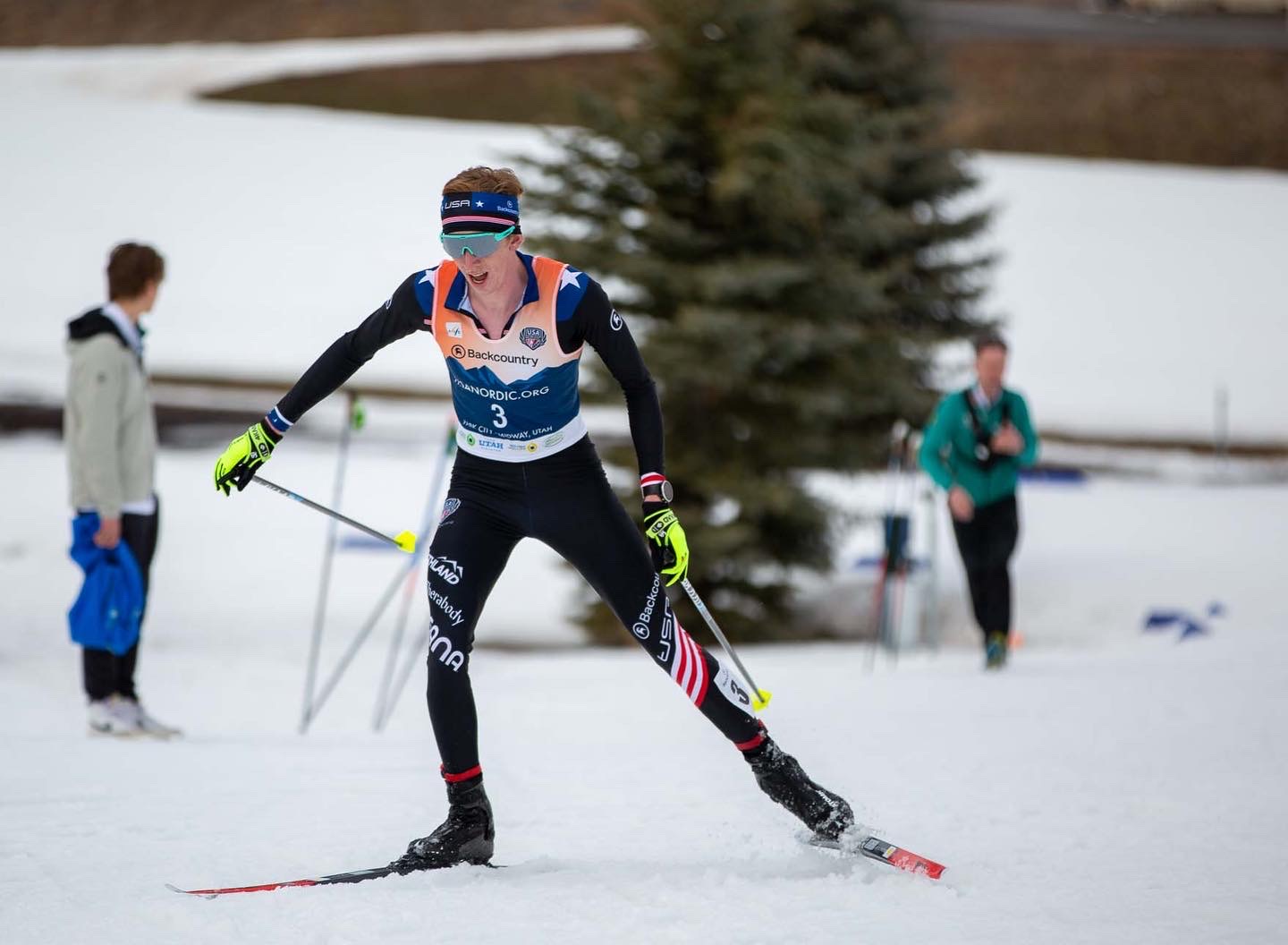
Jared Shumate, a 2022 Winter Olympian and prominent advocate for the outdoor recreation community, has announced a significant shift in his professional trajectory following the outcome of the 2024 United States presidential election. Shumate, whose background includes a degree in geography and environmental science, has formally enrolled in a Master of Public Policy program. The decision comes as a direct response to anticipated shifts in federal environmental regulations and the management of public lands under the second administration of Donald Trump. Shumate, a member of the Protect Our Winters (POW) Athlete Alliance, cited the need for more specialized expertise to navigate what is expected to be a period of significant deregulation and a pivot in American climate strategy.
The transition from professional athletics to advanced policy studies highlights a growing trend among outdoor professionals who view environmental conservation not merely as a personal passion, but as a legislative necessity. Shumate’s decision is rooted in his experiences both on the world stage of Nordic Combined skiing and as a grassroots organizer in the Intermountain West. By pursuing a Master’s in Public Policy, Shumate intends to move beyond symbolic advocacy, aiming to influence the technical and legal frameworks that govern clean air, water, and land use in the United States.
Chronology of the Decision: From the Backcountry to the Classroom
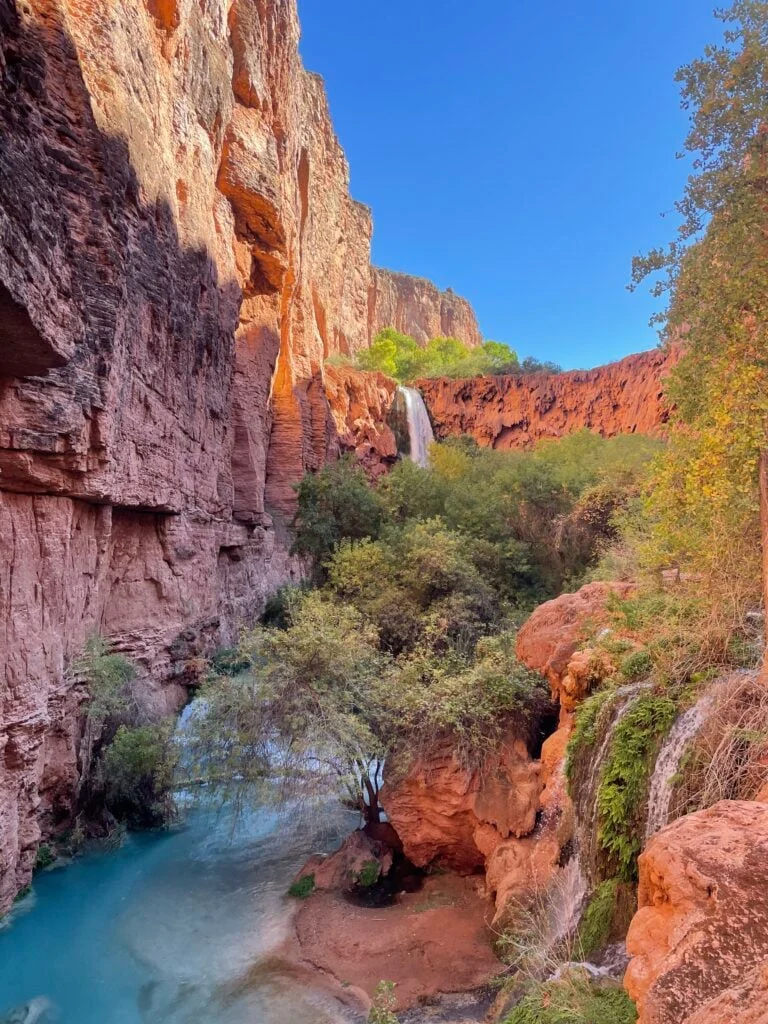
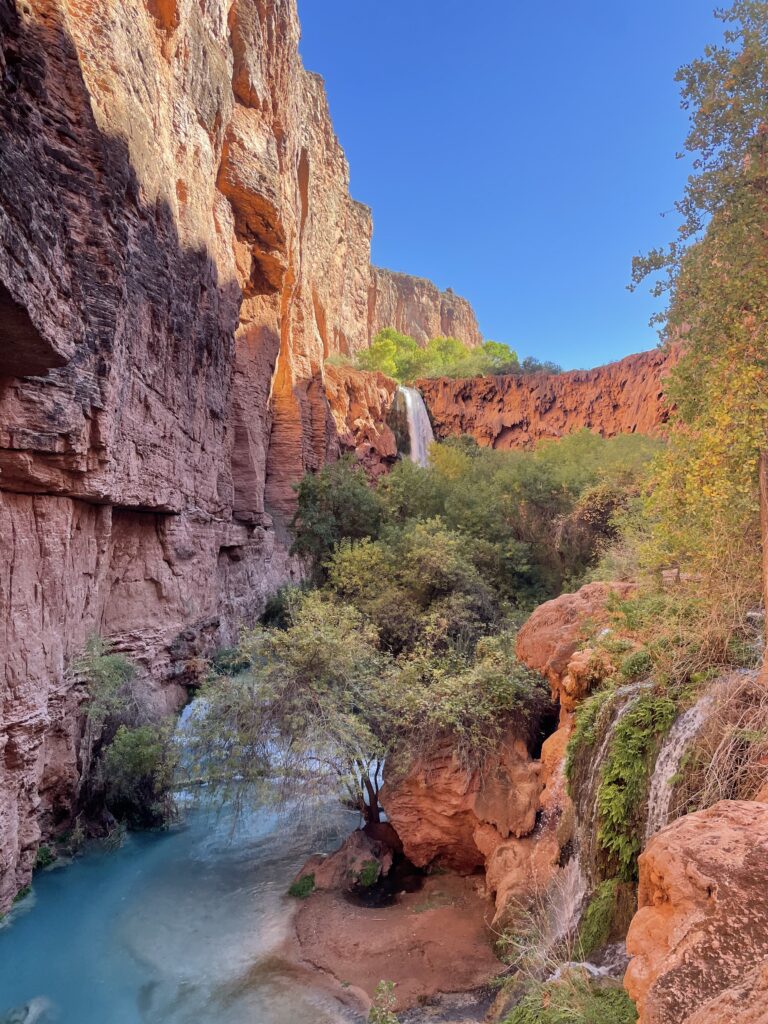
The catalyst for Shumate’s academic return occurred during the first week of November 2024. While the rest of the nation followed the live returns of the presidential election, Shumate was on an extended backpacking trip in the remote canyon country of Arizona. Due to the lack of cellular service and digital connectivity in the region, Shumate remained unaware of the election results for three days following the close of the polls.
On November 5, 2024, Shumate was positioned at a campsite within the Arizona wilderness, a location he noted as being particularly vulnerable to changes in public land protections. Upon returning to a service area three days later, he was met with the news that Donald Trump had secured a second term. Shumate described the immediate aftermath of this discovery as a moment of profound realization regarding the efficacy of his previous advocacy efforts.
Prior to the election, Shumate had been heavily involved in civic engagement. His efforts included door-knocking in Bozeman, Montana, conducting voter outreach via phone banks to key swing states, and hosting voter registration drives at the University of Utah. Despite these efforts, the election results prompted a period of self-reflection. Shumate questioned whether his contributions as an athlete and a grassroots volunteer were sufficient to counter the scale of the environmental policy shifts he anticipated. This reflection led to the decision, made within minutes of returning to cellular service, to seek a formal education in public policy.
Environmental Policy Context and Anticipated Shifts
The urgency felt by Shumate and organizations like Protect Our Winters is supported by the stated platform of the incoming administration. During his first term, President Trump oversaw the reversal of approximately 100 environmental rules. Analysts expect the second term to focus on "energy dominance," which typically involves expanding oil and gas leasing on federal lands and streamlining the permitting process for extractive industries.
Key areas of concern for environmental advocates include:
- The Environmental Protection Agency (EPA): There are expectations of significant budget cuts and a refocusing of the agency’s mission away from climate change mitigation.
- The Inflation Reduction Act (IRA): While the IRA is a legislative act, the executive branch holds significant power over how funds are disbursed and which clean energy projects are prioritized. Shumate and other advocates fear a slowdown in the transition to renewable energy.
- Public Land Protections: The use of the Antiquities Act to protect vast swaths of land—such as the canyon country Shumate visited in Arizona—could face challenges or attempted reversals, similar to the 2017 reductions of Bears Ears and Grand Staircase-Escalante National Monuments.
- Clean Air and Water Acts: Administrative rollbacks regarding methane emissions and "Waters of the United States" (WOTUS) definitions are anticipated, which directly impact the high-altitude environments where winter athletes train.
The Economic Power of the "Outdoor State"
A central component of Shumate’s advocacy, and a likely focus of his future policy work, is the mobilization of the "Outdoor State." This term refers to the estimated 181 million Americans who participate in outdoor recreation annually. According to the U.S. Bureau of Economic Analysis (BEA), the outdoor recreation economy accounted for $1.1 trillion in economic output in 2022, representing 2.2% of the U.S. Gross Domestic Product (GDP).
Despite this significant economic footprint, the outdoor community has historically struggled to translate its numbers into a cohesive voting bloc. Shumate’s move into public policy is seen as an effort to bridge this gap. Data from the Outdoor Industry Association (OIA) suggests that if outdoor enthusiasts voted at the same rates as other major interest groups, they could wield decisive influence over land-use policies and climate legislation.
In his advocacy work with Protect Our Winters, Shumate has emphasized that the outdoor industry supports nearly 5 million jobs, many of which are in rural areas that are also hubs for energy production. The tension between conservation for recreation and exploitation for resources is a primary focal point for policy experts in the American West.
Supporting Data: The Impact of Climate Change on Winter Sports
Shumate’s background as a Nordic Combined skier—a sport that combines ski jumping and cross-country skiing—provides him with a unique perspective on the physical impacts of climate change. Professional winter athletes have become some of the most vocal climate advocates because their livelihoods depend on consistent snowpack and cold temperatures.
Research published in Current Issues in Tourism indicates that by the 2050s, only a handful of previous Winter Olympic host cities will remain climatically reliable for hosting the games. For Shumate, who is from Park City, Utah, the shrinking window for training and competition is a tangible reality. Utah’s snow-based recreation industry contributes more than $2 billion annually to the state’s economy, yet it faces long-term threats from rising mean temperatures and decreasing spring snowmelt.
By transitioning into public policy, Shumate is positioning himself to advocate for "climate-resilient" infrastructure and policies that protect the seasonal cycles necessary for both the ecosystem and the economy of the Intermountain West.
Reactions from the Advocacy Community
The announcement of Shumate’s return to school has been met with support from the non-profit sector. Protect Our Winters, an organization founded by professional snowboarder Jeremy Jones to mobilize the outdoor community against climate change, has long advocated for its athlete members to take on leadership roles in the civic sphere.
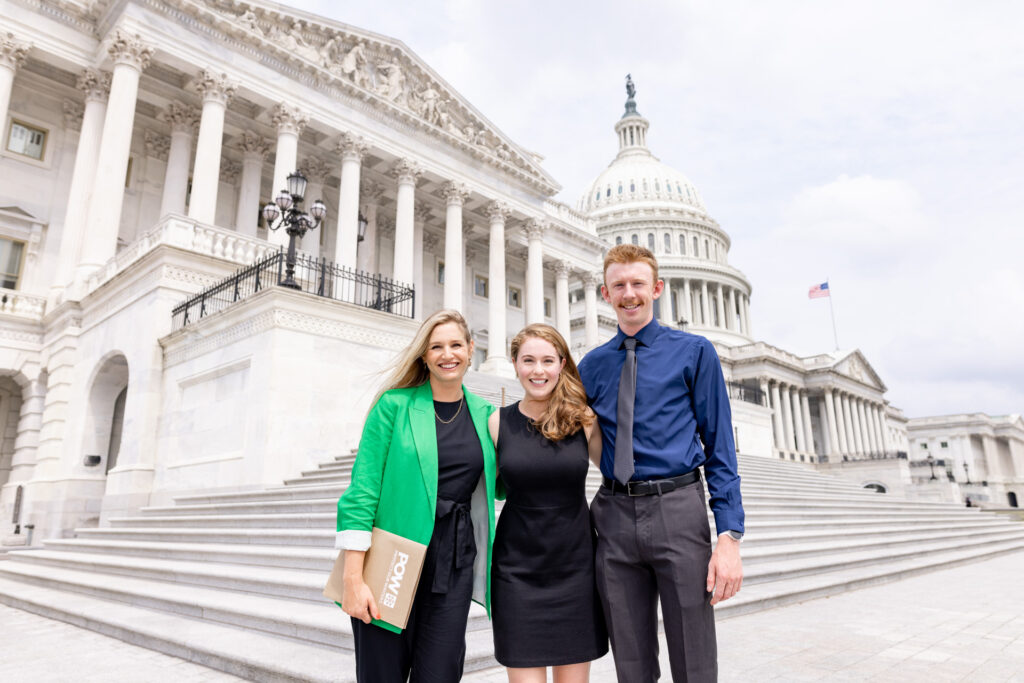
"Action, regardless of what shape it takes, is always better than apathy," Shumate stated, reflecting a sentiment shared by many in the advocacy community who are bracing for a defensive legislative cycle. Fellow athletes in the POW alliance, including skiers like Amie Engerbretson, have also participated in "Lobby Days" in Washington, D.C., suggesting a broader professionalization of athlete-led activism.
Policy analysts suggest that having individuals with "on-the-ground" experience—such as an Olympian who has seen the receding glaciers of Europe and the drying basins of the American West—adds a layer of credibility to technical policy debates. Shumate’s move is viewed as a strategic step to ensure that the outdoor community has a seat at the table during the drafting of federal land management plans.
Broader Implications and Future Outlook
Shumate’s decision highlights a pivotal moment for environmentalism in the U.S. As the federal government prepares for a period of deregulation, the burden of environmental protection may shift increasingly toward the states, the private sector, and highly specialized non-governmental organizations.
The pursuit of a Master’s in Public Policy suggests that Shumate recognizes the limitations of "awareness-based" activism. While knocking on doors and social media campaigns are vital for mobilization, the actual protection of the "canyon country" he treasures requires an understanding of administrative law, the National Environmental Policy Act (NEPA), and the complexities of the federal budget.
Looking ahead to the 2026 midterm elections, Shumate and his peers in the Outdoor State are focusing on the power of the vote as a tool for environmental preservation. Shumate’s personal transition serves as a case study in how individuals within specialized fields are responding to political shifts by deepening their expertise rather than retreating into apathy.
The success of Shumate’s second career in policy will likely be measured by his ability to influence the "intricacies of public policy" he now seeks to master. As the U.S. enters a new era of environmental governance, the emergence of technically trained advocates from the world of professional sports represents a new frontier in the effort to balance economic development with the preservation of America’s natural heritage.
