

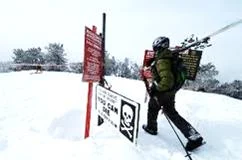
The allure of untouched powder and the thrill of venturing beyond the ropes of a controlled ski area beckon many skiers and snowboarders each season. However, this pursuit of untamed terrain, often referred to as "sidecountry," carries inherent and significant risks that are frequently underestimated. Many popular ski resorts in the United States are situated on or in close proximity to vast tracts of public land. While these areas represent an extraordinary recreational resource, offering expansive opportunities for exploration, they remain entirely uncontrolled and unpatrolled by ski area personnel. This distinction is critical: ski patrols, responsible for avalanche mitigation and safety within resort boundaries, do not operate in these adjacent backcountry zones. Consequently, in the event of an avalanche or other accident, the responsibility for rescue and recovery falls solely upon the individuals venturing into these areas, or upon under-resourced external rescue services.
The inherent dangers of sidecountry skiing are highlighted by the stark reality that a parent, after bidding farewell to their children in a ski area parking lot, may have no knowledge of their true destination. The temptation to explore "R-rated terrain," as described by avalanche safety advocates, is a significant concern, particularly for younger or less experienced participants who may lack the necessary skills, judgment, and equipment to navigate these hazardous environments safely. This article delves into the nature of sidecountry skiing, the risks involved, and the critical need for heightened awareness and preparedness among those who choose to venture beyond the groomed runs and patrolled slopes.
The Expanding Frontier of Sidecountry Exploration
The term "sidecountry" typically refers to terrain accessible from a ski resort’s boundary, often via hiking from a lift-served area or by traversing from a designated exit point. This terrain can range from steep, ungroomed slopes just outside the resort perimeter to more remote backcountry areas that can be reached with a moderate hike. For many skiers and snowboarders, the sidecountry offers the promise of fresh, untracked snow and a sense of adventure that cannot be found on the manicured slopes. This accessibility, coupled with the perceived proximity to safety and rescue services, can create a false sense of security.
Data from the Colorado Avalanche Information Center (CAIC) and other similar organizations consistently show that a significant portion of avalanche fatalities occur in terrain that is either accessed from a ski area or is in close proximity to one. While exact figures specifically for "sidecountry" incidents can be difficult to isolate from broader backcountry statistics, the trend is undeniable: accessible backcountry poses a substantial risk. For instance, between the 2008-2009 and 2017-2018 seasons, CAIC reported an average of six avalanche fatalities per year in Colorado. A substantial number of these incidents involved individuals who had entered terrain from or near a ski resort. This suggests that the perceived ease of access to these areas contributes to their popularity, and by extension, their inherent dangers.
The Crucial Distinction: Controlled vs. Uncontrolled Terrain
The fundamental difference between skiing within a resort’s boundaries and venturing into the sidecountry lies in the level of avalanche control and rescue readiness. Ski resorts invest heavily in avalanche mitigation programs. These programs involve trained professionals who assess snowpack stability, conduct controlled avalanche releases using explosives or other methods, and monitor weather conditions. When necessary, they close specific areas to the public to ensure safety. Furthermore, ski patrols are equipped and trained to respond to emergencies within the resort, including search and rescue operations.
In stark contrast, sidecountry terrain is considered uncontrolled. No avalanche mitigation efforts are undertaken by ski area personnel. Snowpack conditions can change rapidly, and the potential for dangerous avalanche conditions to develop is ever-present. If an avalanche occurs in the sidecountry, the responsibility for initiating a rescue falls on the individuals involved. This means having the necessary knowledge, equipment (such as avalanche transceivers, probes, and shovels), and training to conduct a self-rescue or to call for external assistance. However, the response time for external rescue services, such as county sheriff departments or specialized mountain rescue teams, can be significantly longer than that of an on-site ski patrol, especially in remote or difficult-to-access locations. This delay can be the critical factor between survival and fatality in an avalanche incident.
The "Rated R" Terrain: A Matter of Judgment and Experience
The phrase "R-rated terrain" in the context of sidecountry skiing is a potent metaphor for the inherent dangers and mature judgment required. It implies that this terrain is not suitable for the unprepared, the immature, or the under-equipped. This includes:
- Steepness and Exposure: Sidecountry often features steeper slopes than those found on groomed runs, increasing the likelihood of avalanches and the potential for severe consequences if caught in one. Exposure to cliffs, trees, and other hazards is also more prevalent.
- Unpredictable Snowpack: The stability of the snowpack in the sidecountry is not monitored or managed. Factors like recent snowfall, wind loading, temperature fluctuations, and underlying weak layers can combine to create highly unstable conditions.
- Lack of Rescue Infrastructure: As previously stated, there are no ski patrols or readily available rescue services in the sidecountry. This means self-reliance is paramount.
- Limited Visibility and Navigation Challenges: Weather conditions can change rapidly, leading to whiteouts and making navigation difficult. Getting lost in the backcountry is a serious concern, especially for those unfamiliar with the area.
The decision to enter sidecountry terrain should not be taken lightly. It requires a comprehensive understanding of avalanche science, including how to read the snowpack, assess weather forecasts, and interpret avalanche advisories. Crucially, it demands a realistic assessment of one’s own skill level, that of their companions, and the capabilities of their equipment. The article "Sidecountry: Rated R," referenced in the original context, likely serves as a critical warning to skiers and snowboarders about the gravity of their choices when venturing beyond resort boundaries.
Supporting Data and Expert Perspectives
Avalanche safety organizations worldwide emphasize the importance of education and preparedness. Organizations like the American Avalanche Association (AAA) and the National Avalanche Center (NAC) provide resources and training for backcountry enthusiasts. Their data consistently highlights key factors in avalanche accidents:
- Human Triggering: The vast majority of fatal avalanches are triggered by humans. This underscores the direct impact of rider decisions on their safety and the safety of their group.
- Lack of Training: A significant percentage of avalanche victims, or those caught in avalanches, have not received formal avalanche safety training.
- Inadequate Equipment: The absence or improper use of essential avalanche safety gear (transceiver, probe, shovel) severely hinders rescue efforts.
- Group Dynamics: Complacency, peer pressure, and a lack of clear communication within a group can lead to poor decision-making.
Doug, whose insights are quoted, likely represents a voice of experience and concern within the avalanche safety community. His rhetorical question about parents knowing their children’s activities highlights a critical gap in awareness. The transition from a controlled resort environment to the unpredictable sidecountry is a significant leap in risk, and without a clear understanding of this transition, young skiers and snowboarders can be dangerously ill-equipped.
Chronology of Risk and Decision-Making
While no specific incident is detailed, the risk in the sidecountry is a continuous, season-long concern. The chronology of a potential sidecountry excursion typically involves:
- The Decision to Explore: This often stems from a desire for fresh snow or adventure, perhaps influenced by social media or peer recommendations.
- Accessing the Sidecountry: This can involve hiking from a lift, traversing a boundary rope, or accessing a trailhead near the resort.
- Travel in Uncontrolled Terrain: This is the period of highest risk, where snowpack conditions are unknown and unmanaged.
- Potential Avalanche Event: If conditions are unstable and the terrain is conducive, an avalanche can be triggered.
- Rescue or Self-Rescue: This is the critical phase where preparedness and quick action determine the outcome.
Official Responses and Industry Awareness
While ski resorts have a duty of care within their boundaries, their responsibility generally ends at the resort perimeter. However, many resorts are increasingly engaging in educating their patrons about the risks of adjacent backcountry. This can include:
- Signage: Prominent signage at boundary gates warning of uncontrolled terrain and the requirement for avalanche gear and knowledge.
- Educational Materials: Distributing brochures or offering brief safety talks about backcountry preparedness.
- Partnerships: Collaborating with local avalanche centers to promote awareness and training opportunities.
The avalanche safety community, through organizations like the American Institute for Avalanche Research and Education (AIARE), continues to advocate for widespread adoption of formal avalanche education. Courses like AIARE 1 provide fundamental knowledge and practical skills for safe backcountry travel. The message is consistent: venturing into the sidecountry is not an extension of resort skiing; it is an entry into a wilder, more dangerous environment that demands respect, knowledge, and meticulous preparation.
Broader Impact and Implications
The increasing popularity of sidecountry skiing, fueled by social media showcasing seemingly effortless powder turns, presents a complex challenge. While it democratizes access to backcountry experiences, it also risks increasing the number of unprepared individuals entering hazardous areas.
- Strain on Rescue Services: Increased incidents in the sidecountry place a significant burden on already stretched search and rescue teams, who are often comprised of volunteers.
- Erosion of Public Land Access: A series of preventable accidents could lead to increased calls for restrictions on public land access for recreational activities, impacting all users.
- The "Gateway" Effect: Sidecountry skiing can be a gateway to more remote and challenging backcountry travel. If individuals begin with a flawed understanding of risk in the sidecountry, their progression into more complex environments could be exceptionally dangerous.
The information presented in "Sidecountry: Rated R" is not merely an advisory; it is a critical call to action. It underscores the profound responsibility that lies with every individual who chooses to step beyond the safety of the resort ropes. Without a commitment to education, proper gear, and a sober assessment of one’s capabilities, the pursuit of untamed snow can quickly turn into a tragic encounter with nature’s formidable power. The message is clear: the sidecountry is not a playground for the ill-informed, but a serious wilderness that demands respect and rigorous preparation.
