

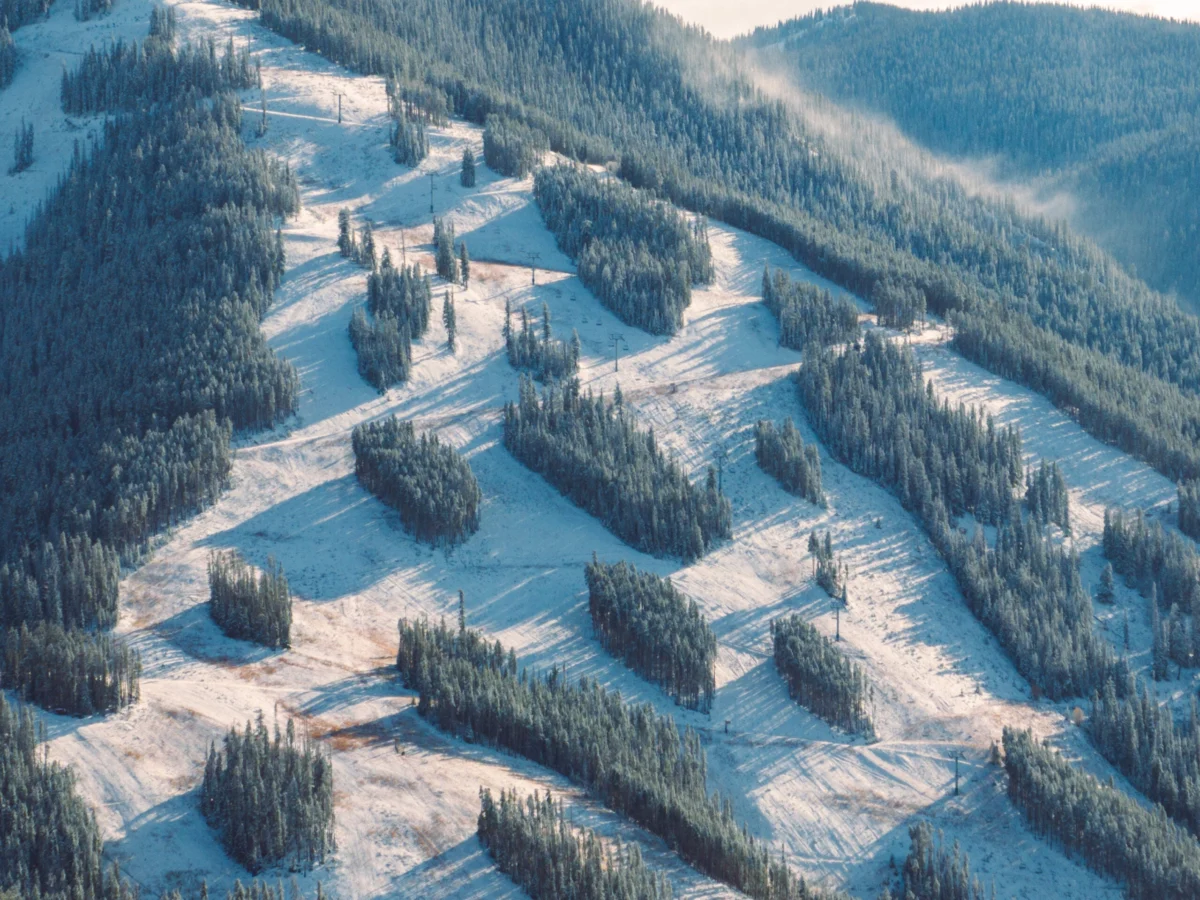
Following a winter season marked by an unprecedented lack of snowfall across the Rocky Mountains, Vail Resorts has officially reported a substantial decrease in skier visits for the 2025-26 season. The company’s latest fiscal year earnings report reveals a year-over-year decline of 13.4 percent in total skier visits, a figure directly attributed by CEO Rob Katz to the historically poor snow conditions experienced throughout the western United States. This downturn poses significant questions for the future of ski resort operations, impacting not only the immediate financial performance of the company but also potentially influencing pricing strategies for season passes, the accessibility of lift tickets, and the overall skier experience in the seasons to come.
The Impact of a Historic Snow Drought
The 2025-26 ski season will be remembered as one of the most challenging in recent history for the North American ski industry, particularly for resorts reliant on natural snowfall. Several major Western U.S. mountain ranges experienced significantly below-average precipitation, leading to compromised base depths and a shortened operational window for many ski areas. This environmental reality directly translated into reduced appeal for potential skiers and snowboarders, who are inherently tied to the availability and quality of snow for their recreational pursuits.
CEO Rob Katz articulated the severity of the situation in the company’s earnings report, stating, "This past winter was one of the most challenging winters in history across the western U.S. for the ski industry, which negatively impacted financial performance for the year." This candid admission underscores the direct correlation between meteorological conditions and the financial health of a snow-dependent enterprise like Vail Resorts.
Financial Resilience Through Pass Sales
Despite the sharp decline in skier visits, Vail Resorts managed to mitigate the financial fallout to a degree, primarily through its robust season pass program. Total lift revenue, a comprehensive measure of income generated from mountain access, saw a more modest decrease of only 3.5 percent year-over-year. This resilience is largely a testament to the success of the company’s Epic Pass products, which experienced a 3.9 percent increase in sales year-over-year.
The strategic timing of Epic Pass sales, with the majority purchased by skiers and snowboarders well in advance of the winter season, means that a significant portion of revenue is secured before the snow even begins to fall. Consequently, even if pass holders opted to ski less or not at all due to poor conditions, Vail Resorts had already collected their payments. This pre-season revenue buffering system proved crucial in softening the blow from the decreased number of individuals purchasing day tickets, which likely bore the brunt of the visit decline.
Operational Efficiencies and Cost Reductions
Vail Resorts’ overall revenue also experienced a downturn, though it was contained to less than a five percent decrease year-over-year. This relative stability in revenue is significantly attributed to the company’s proactive "Resource Efficiency Transformation Plan." This strategic initiative, implemented to streamline operations and reduce expenditures, reportedly saved the company $45 million. Without these cost-saving measures, the impact of the low-snow year on Vail Resorts’ bottom line would have been considerably more severe.
Mr. Katz highlighted the company’s commitment to adaptation and strategic foresight in his statement: "Looking back over the past year and a half, we have taken decisive action and accelerated the pace of change across our business, strengthening leadership, advancing growth initiatives, enhancing the guest experience, and improving operational efficiency." This indicates a conscious effort by Vail Resorts to build a more resilient business model, capable of weathering the inherent volatility of the ski industry, including unpredictable weather patterns.
A Significant Drop in Net Income
While revenue and lift revenue showed relative stability, the company’s net income experienced a substantial decline. Net income fell from $280 million in the previous fiscal year to $147.5 million, reflecting the combined pressures of reduced skier visits and the operational costs associated with maintaining a vast network of resorts, even during periods of low visitation. This sharp decrease in profitability underscores the significant financial challenges posed by the unusually mild winter.

Future Outlook: Shifting Consumer Behavior and Investment
Looking ahead to the upcoming 2026-27 ski season, Vail Resorts is observing a concerning trend in early pass sales. Pass sales are currently down 12 percent compared to the same period last year. The company also tracks "days sold," an aggregate measure of all anticipated days of mountain access purchased across all pass types, which is down approximately 10 percent. Sales revenue from these early purchases has decreased by 6 percent.
Vail Resorts attributes these figures to "delayed purchase behaviors" from what they categorize as "less committed" skiers. Essentially, the lackluster experience of the previous season has made a segment of the skiing public more hesitant to commit to season passes. They are adopting a wait-and-see approach, likely contingent on more favorable snow forecasts as the season approaches. The company, however, expresses optimism that these trends can be reversed, particularly if the upcoming winter season proves to be more bountiful. They anticipate that stronger snowfall could encourage more last-minute purchases of lift tickets and potentially salvage some of the earlier season’s sales deficit.
Capital Investments and Enhancing the Guest Experience
Despite the financial headwinds, Vail Resorts is continuing its commitment to significant capital improvements across its portfolio of resorts. Notable investments include the installation of a new 8-person high-speed lift at Park City Mountain Resort, aimed at improving uphill capacity and skier circulation. Furthermore, the company has made substantial investments in enhancing the overall guest experience. This includes upgrades to rental gear, improvements in food and beverage services, and continued investment in on-mountain amenities and guest services, such as ski lessons.
These investments signal a strategic imperative for Vail Resorts: to differentiate itself and provide compelling value to its customers, even in the face of environmental challenges and fluctuating demand. By enhancing the on-mountain experience and offering high-quality services, the company aims to retain its loyal customer base and attract new skiers, regardless of the snow conditions. The focus on guest services, as exemplified by continued investment in lessons, suggests a strategy to appeal to a broader range of individuals and potentially mitigate the impact of a low-snow year by offering alternative experiences and learning opportunities.
Broader Industry Implications and the Future of Skiing
The financial report from Vail Resorts offers a stark reminder of the ski industry’s profound dependence on natural weather patterns. The historic low-snow year of 2025-26 has not only impacted Vail Resorts but is likely to have had similar, if not more severe, consequences for smaller, independent ski areas that lack the financial diversification and pass sales infrastructure of a large corporation.
The trend of declining pass sales, even among a major player like Vail Resorts, could signal a broader shift in consumer behavior. As climate change continues to present uncertainties regarding consistent snowfall, skiers may become increasingly reluctant to make significant upfront investments in season passes. This could lead to a more fragmented market, with a greater reliance on day tickets and potentially higher prices for on-demand access.
Furthermore, the significant drop in net income for Vail Resorts raises questions about the long-term sustainability of current operational models. Resorts may need to explore more aggressive diversification strategies, such as expanding summer operations, investing in snowmaking technology to a greater degree, or developing innovative revenue streams that are less susceptible to weather volatility. The emphasis on operational efficiency and guest experience enhancements by Vail Resorts is likely a precursor to similar strategies being adopted industry-wide.
The company’s reliance on pre-season pass sales, while a strength in the short term, highlights the vulnerability of the industry to a prolonged period of unfavorable snow conditions. The ability of Vail Resorts to weather this storm through cost-cutting and pass revenue underscores the power of its business model, but the significant drop in net income serves as a clear indicator of the challenges ahead. As the ski industry navigates an increasingly unpredictable climate, its future will likely depend on a delicate balance between environmental adaptation, strategic investment, and maintaining the allure of the mountain experience for a diverse and evolving customer base. The coming seasons will be critical in determining how ski resorts, including Vail Resorts, adapt to these new realities and secure their long-term viability.
