

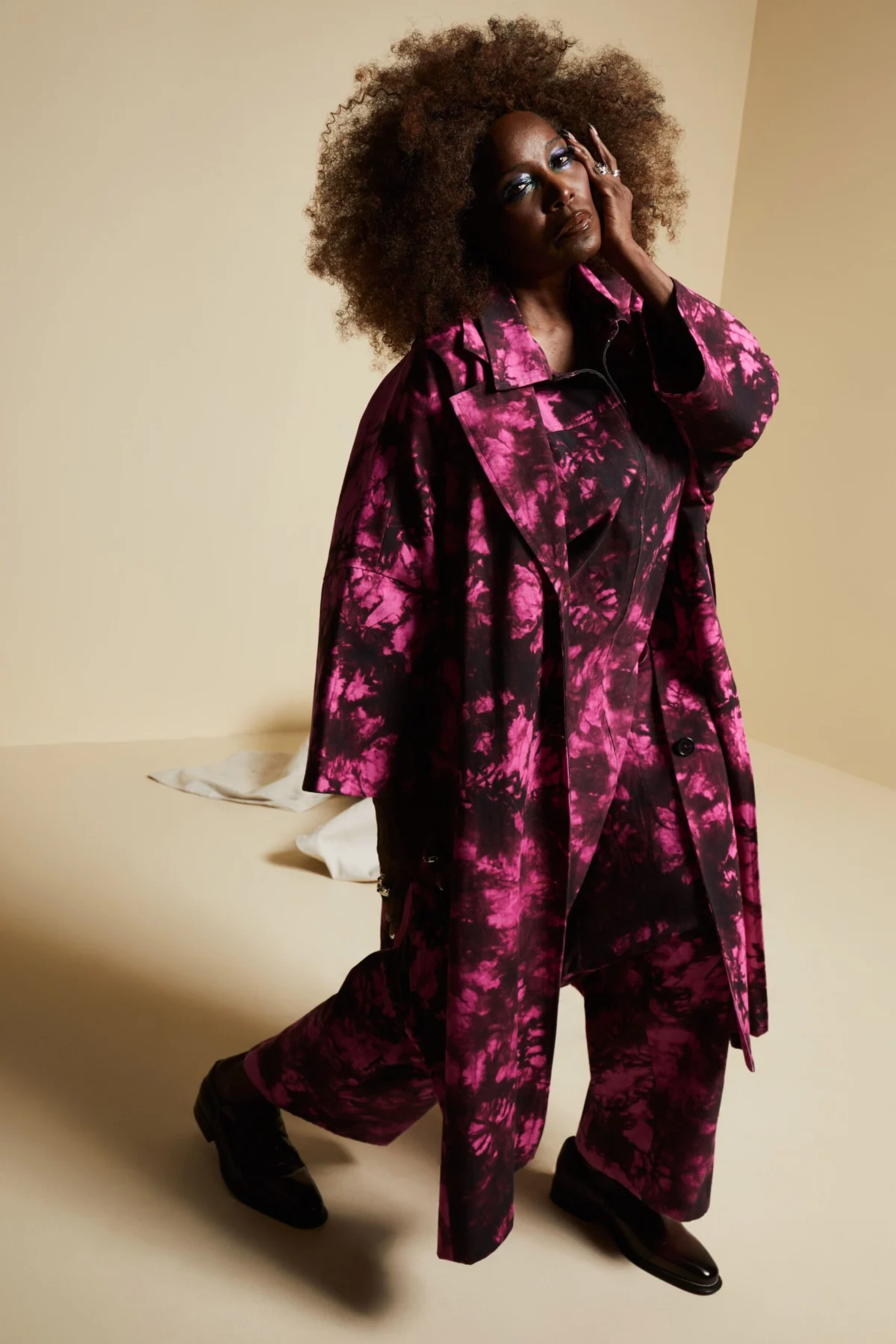
The highly anticipated Spring 2027 collection from designer Aaron Potts has arrived, presenting a radical yet remarkably impactful vision built upon a foundation of just three garment types: a dress, a jumpsuit, and a coat. Far from being restrictive, this deliberately constrained approach has yielded an expansive and jubilant proposition, imbued with an unexpected spirit and demonstrating an impressive degree of versatility that challenges conventional notions of a complete wardrobe.
The Genesis of Essentialism: A Designer’s Philosophy
Speaking from his studio at Berkley College, where he is currently a resident artist, Potts articulated the philosophical underpinnings of his Spring 2027 offering. "I’ve been thinking a lot about how creative people live and work," Potts explained. "And one of the things that has kept coming up for me is that most of the people who buy A. Potts are some sort of artist—they’re designers, they’re models, they’re DJs, writers, painters—and the jumpsuit has been the standout item that everyone wants or has. So we were like, ‘You know what? Let’s focus on that.’" This introspection into the lifestyle and preferences of his core demographic has directly informed the collection’s singular focus, prioritizing functionality and individual expression within a curated framework. The decision to distill the collection to its most fundamental elements reflects a growing trend in the fashion industry towards mindful consumption and a deeper appreciation for thoughtfully designed, multi-functional pieces.
A Trio of Archetypes: Deconstructing the Collection
The collection’s power lies in its ability to elevate these archetypal garments through innovative design and striking aesthetics. The jumpsuit, positioned as the collection’s cornerstone, features a distinctive dropped crotch, a zippered front placket, and a tie-waist, offering a silhouette that is both contemporary and adaptable. Its versatility is further amplified by a range of bold patterns. These include a dynamic pink-to-black splattered ombré, a graphic black-and-white scribbled sketch motif, and a densely woven, blown-up pattern rendered in a vibrant slime green. These prints are not merely decorative; they are integral to the collection’s expressive character, allowing wearers to project a distinct personality.
Complementing the jumpsuit, the coat mirrors these distinctive motifs. Its design features dropped three-quarter length sleeves and zippered side vents, offering a dynamic interplay of volume and structure. The inclusion of zippered vents allows for a transformation of the coat’s silhouette, enabling it to transition from a streamlined, lean form to a more open and dynamic shape, depending on the wearer’s preference and the occasion.
The dress, meanwhile, introduces a historical inflection. It boasts a slim bodice paired with a fuller, peasant-style skirt, enhanced by detachable bell sleeves. This piece evokes a sense of romanticism while retaining a modern sensibility. The juxtaposition of the fitted bodice with the voluminous skirt and optional sleeves creates a garment that is both elegant and adaptable. Potts’ approach here can be seen as a further distillation of Donna Karan’s iconic "seven easy pieces" concept, demonstrating an even more profound commitment to creating a cohesive and comprehensive wardrobe from a minimal number of foundational items.
The Ingenuity of Simplicity: Functionality Meets Fashion
The apparent simplicity of Potts’ designs belies a sophisticated ingenuity, particularly in their functional adaptability. The collection’s bold prints are balanced by loose, comfortable shapes, ensuring that while the garments make a statement, they remain wearable for extended periods. The jumpsuits, for instance, can be cinched at the waist with a quick adjustment of the side bungee cord, allowing for a personalized fit and a change in silhouette. This subtle yet effective mechanism transforms the garment from a relaxed fit to a more defined shape with ease.
Potts further suggests ways to personalize the jumpsuit’s styling, recommending the addition of a sash at the waist for a more polished look or wearing it open with a bandeau or bralette for a bolder, more daring ensemble. This emphasis on individual styling underscores the collection’s commitment to empowering the wearer. The designer’s dedication to inclusivity is also evident, with the jumpsuits available in a comprehensive size range, from extra-small to XXL. Crafted from a washed cotton, these garments are designed for year-round wear and are exceptionally easy to care for, aligning with a practical, modern lifestyle.
The collection’s capacity for unexpected elegance was further showcased with the introduction of organza. A jumpsuit was presented with smooshed organza ruffles running in strips down the front and sleeves, transforming it into a piece suitable for evening wear. Paired with a black coat in the same cotton, this ensemble offered a fresh, formal option that possessed a tossed-off ease and a touch of playful humor. The dress, also rendered in full organza, featured a neon chartreuse hue, maintaining the collection’s spirit of the unexpected. These pieces demonstrate how fundamental silhouettes can be elevated through material and embellishment to transcend their utilitarian origins.
Redefining Luxury: Beyond Material Value
Aaron Potts’ Spring 2027 collection challenges the conventional understanding of luxury in fashion. "It’s funny because we always have these conversations about luxury, and I did a collection that’s probably 90% cotton," Potts remarked. This statement highlights a deliberate departure from the industry’s often material-centric definition of opulence. He continued, "I’ve been talking a lot about us needing these new definitions, so our version of luxury is about beautiful prints. It’s very thoughtful embroideries. A lot of work goes into these and that’s a form of luxury that’s not just about the fiber. Everything luxury doesn’t have to be cashmere. Sometimes luxury is the thought process."
This perspective reframes luxury as an attribute of meticulous design, innovative artistry, and considered craftsmanship, rather than solely relying on the inherent value of the materials used. The intricate prints and potential for detailed embellishments, as seen in the organza ruffles, represent a significant investment of creative energy and technical skill. This approach democratizes luxury, making it accessible through intellectual and artistic merit rather than exorbitant price points tied to rare fibers.
Context and Implications: The Spring 2027 Fashion Landscape
The presentation of Aaron Potts’ Spring 2027 collection occurred within the broader context of global fashion weeks, a period typically characterized by extensive offerings from hundreds of designers. The Spring 2027 season, which generally unfolds between September and October of the preceding year, has seen a notable undercurrent of brands exploring more sustainable and mindful design practices. This includes a move towards reduced collections, the utilization of deadstock fabrics, and a focus on creating timeless, versatile pieces that transcend fleeting trends.
Potts’ collection, with its emphasis on a core set of highly adaptable garments, aligns perfectly with this emerging ethos. The collection’s reliance on cotton, a more sustainable and accessible fiber compared to many luxury textiles, further reinforces this commitment. The designer’s explicit statement about redefining luxury through thoughtful design and intricate detailing rather than material exclusivity resonates with a growing consumer demand for transparency, ethical production, and enduring value.
The implications of this minimalist yet impactful approach are significant. For consumers, it offers a pathway to building a more curated and functional wardrobe, reducing the burden of excessive consumption and promoting a deeper appreciation for well-crafted clothing. For the industry, it serves as a compelling argument for designers to reconsider the scale and scope of their collections, prioritizing quality over quantity and fostering a more sustainable and artistically driven fashion ecosystem. The success of Potts’ collection suggests that innovation can indeed flourish within constraints, proving that a powerful fashion statement can be made with fewer, but more thoughtfully conceived, pieces. The challenge now lies in how widely this philosophy of essentialism and redefined luxury will be adopted by other designers and embraced by the market in the seasons to come. The industry will be watching closely to see if this focused approach becomes a sustainable model for future fashion creation.
