


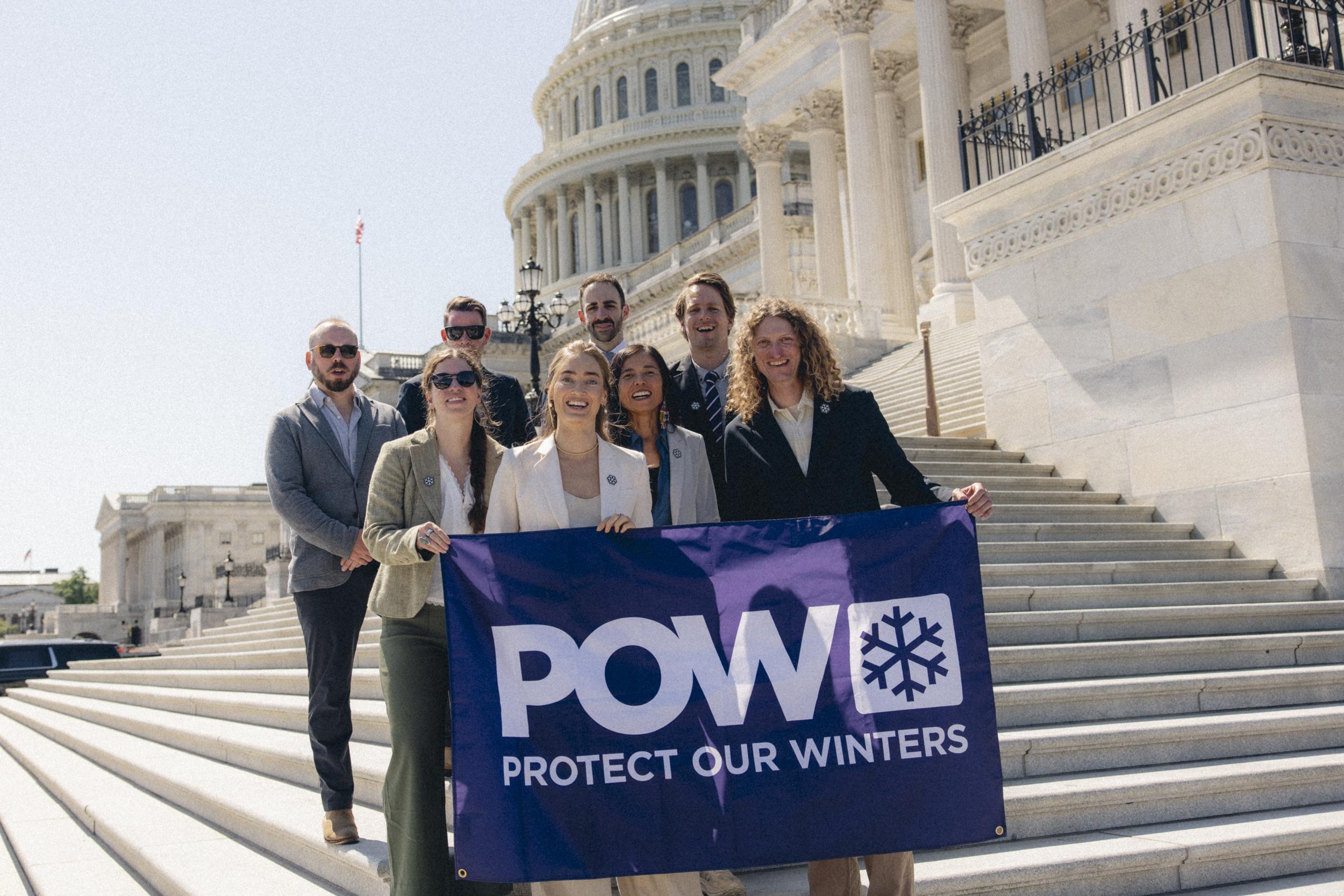
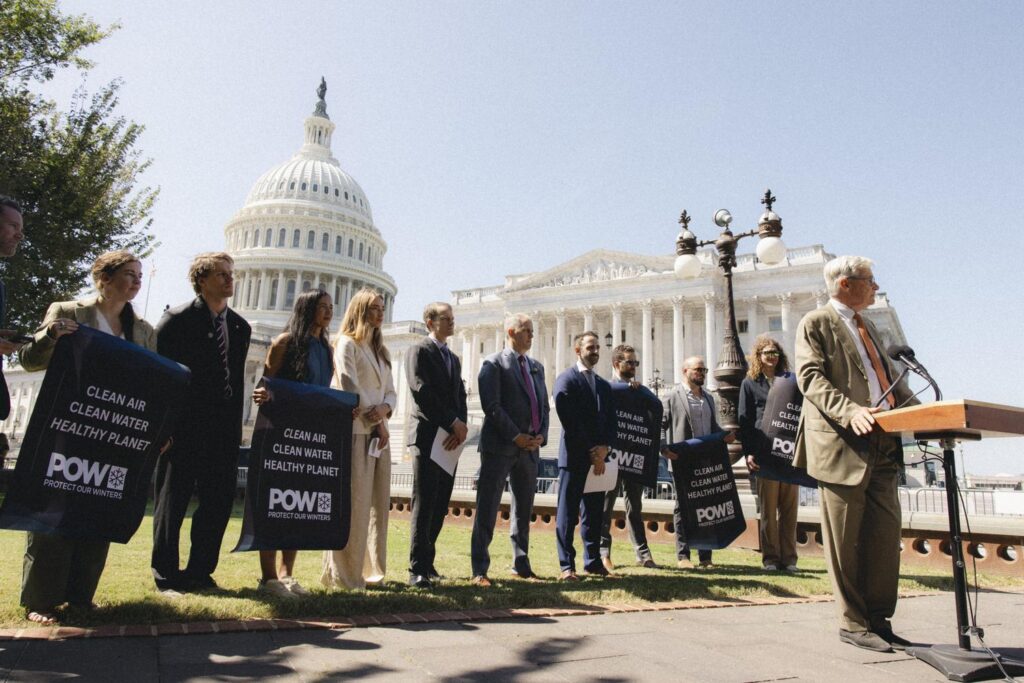
In a significant legislative move intended to shore up the foundations of American environmental governance, Representative Sean Casten of Illinois and Senator Sheldon Whitehouse of Rhode Island formally introduced the Environmental Health Restoration Act (EHRA) on September 16. The bill arrives at a critical juncture for the Environmental Protection Agency (EPA), an institution that has faced a decade of intensifying political polarization, budget volatility, and judicial challenges that have significantly narrowed its regulatory scope. Supported by a diverse coalition of outdoor athletes, scientific experts, and advocacy organizations, the EHRA seeks to codify the agency’s core mission of protecting public health, clean air, and clean water, ensuring that these protections remain resilient against shifting administrative priorities and judicial reinterpretations.
A Half-Century of Environmental Stewardship and Recent Erosion
The Environmental Protection Agency was established in 1970 under the administration of President Richard Nixon, a period characterized by a rare moment of bipartisan consensus regarding the deteriorating state of the nation’s natural resources. For five decades, the agency functioned under the shared understanding that the preservation of breathable air and drinkable water was a fundamental responsibility of the federal government, transcending party lines. This consensus facilitated the passage and enforcement of landmark legislation, including the Clean Air Act and the Clean Water Act, which have been credited with a massive reduction in lead pollution, the restoration of once-combustible riverways, and a significant decline in acid rain.
However, proponents of the EHRA argue that this foundational agreement has fractured. In recent years, the agency has faced what critics describe as a "hollowing out" process. This includes the departure of senior scientific staff, the rescinding of dozens of environmental rules, and a shift in focus that has prioritized industrial deregulation over public health outcomes. The impacts of these changes are not merely administrative; they manifest physically in the environment. Data from the American Lung Association and various hydrological surveys indicate that while progress has been made since the 1970s, nearly 40% of Americans still live in areas with failing air quality grades, and thousands of miles of American waterways remain "impaired" under current standards.
The Legislative Mechanics of the Environmental Health Restoration Act
The EHRA is designed as a comprehensive corrective to the recent erosion of federal environmental authority. Its primary objective is to restore and clarify the EPA’s mandate to regulate pollutants that threaten public health and the climate. Central to the bill is the reinforcement of science-based safeguards. By mandating that regulatory decisions be grounded in the most current peer-reviewed research, the EHRA aims to prevent the politicization of data that has occasionally plagued the agency’s decision-making processes.
Furthermore, the act seeks to address the "whiplash" effect that occurs when environmental regulations are established by one administration only to be unraveled by the next. By codifying specific authorities into federal law, the EHRA would make it significantly more difficult for executive orders to unilaterally dismantle established protections. This stability is viewed as essential for both public health and economic planning, as industries often require long-term regulatory certainty to invest in cleaner technologies.

A critical component of the EHRA involves the EPA’s ability to address interstate pollution. Because air and water do not conform to political boundaries, pollutants released in one state frequently impact the health and economies of neighboring jurisdictions. Wildfire smoke from the West often settles over the Midwest and East Coast, while industrial runoff in the Ohio River Valley affects water quality as far south as the Gulf of Mexico. The EHRA reaffirms the EPA’s role as a central arbiter in managing these cross-border environmental threats, ensuring that no single state can externalize its pollution costs onto its neighbors.
Economic Implications and the Outdoor Recreation Sector
One of the most vocal proponents of the EHRA is the outdoor recreation community, represented prominently by the organization Protect Our Winters (POW). The involvement of this group highlights the significant economic stakes tied to environmental health. According to data from the U.S. Bureau of Economic Analysis (BEA), the outdoor recreation economy accounts for approximately $1.1 trillion in annual economic output and supports nearly 5 million jobs. This sector—ranging from ski resorts and fishing guides to gear manufacturers and rural hospitality—is uniquely vulnerable to environmental degradation.
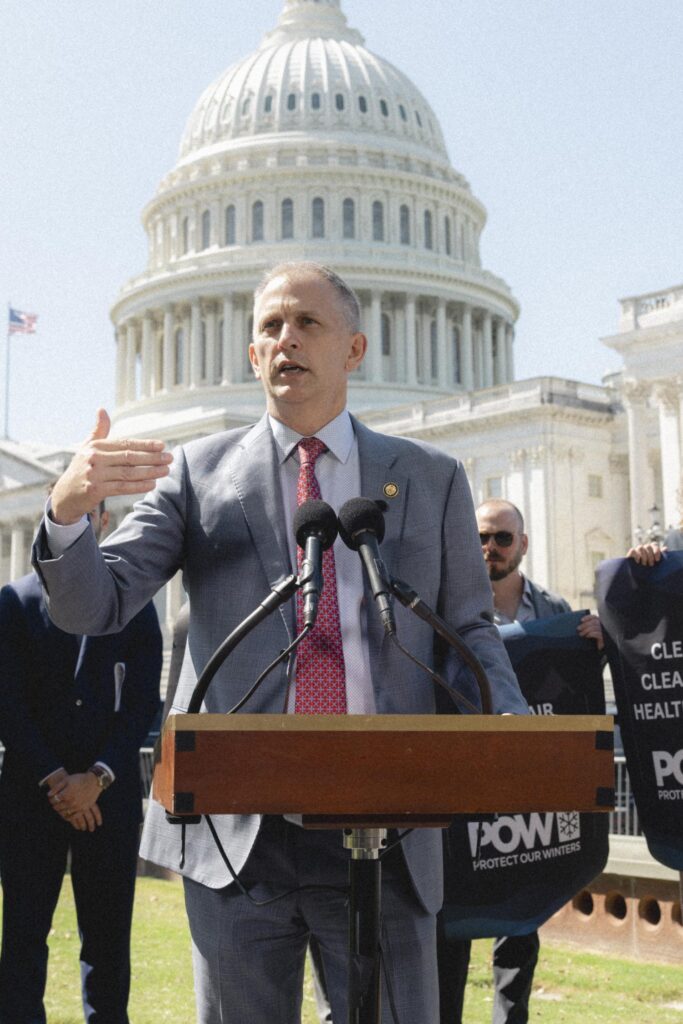
During the press conference on the Capitol lawn, professional climber Tommy Caldwell emphasized the tangible changes observed by those who spend their lives in the backcountry. Caldwell noted the visible recession of glaciers and the increasing frequency of "unhealthy" air quality days in mountain communities due to wildfire smoke. These environmental shifts have direct economic consequences: shorter winter seasons reduce revenue for mountain towns, and polluted waterways threaten the multi-billion-dollar recreational fishing and hunting industries.
The EHRA is positioned as an economic stabilizer for these industries. By ensuring cleaner air and water, the bill aims to protect the natural "infrastructure" upon which the outdoor economy relies. Senator Whitehouse noted that the "relentless attacks on science" have historically benefited large political donors at the expense of the broader public and the burgeoning green economy. He asserted that the EHRA is a necessary step to "jumpstart the long process of restoring the science, the scientists, and the original mission guiding the EPA."

Judicial Context: Navigating a Post-Chevron Landscape
The introduction of the EHRA is also a response to a shifting judicial landscape. Recent rulings by the United States Supreme Court have fundamentally altered the way federal agencies operate. Most notably, the 2024 decision in Loper Bright Enterprises v. Raimondo effectively overturned the "Chevron deference," a 40-year-old legal doctrine that required courts to defer to an agency’s reasonable interpretation of ambiguous statutes.
Without Chevron deference, the EPA’s ability to implement new regulations based on broad legislative mandates is severely curtailed, as courts are now more likely to strike down agency rules they deem to exceed specific congressional intent. The EHRA serves as a proactive legislative effort to provide the "clear congressional authorization" that modern courts now demand. By explicitly naming the EPA’s authorities and responsibilities, the bill seeks to "court-proof" environmental protections, reducing the likelihood of them being overturned by judicial challenges.
A Broad Coalition and the Strategy for Passage
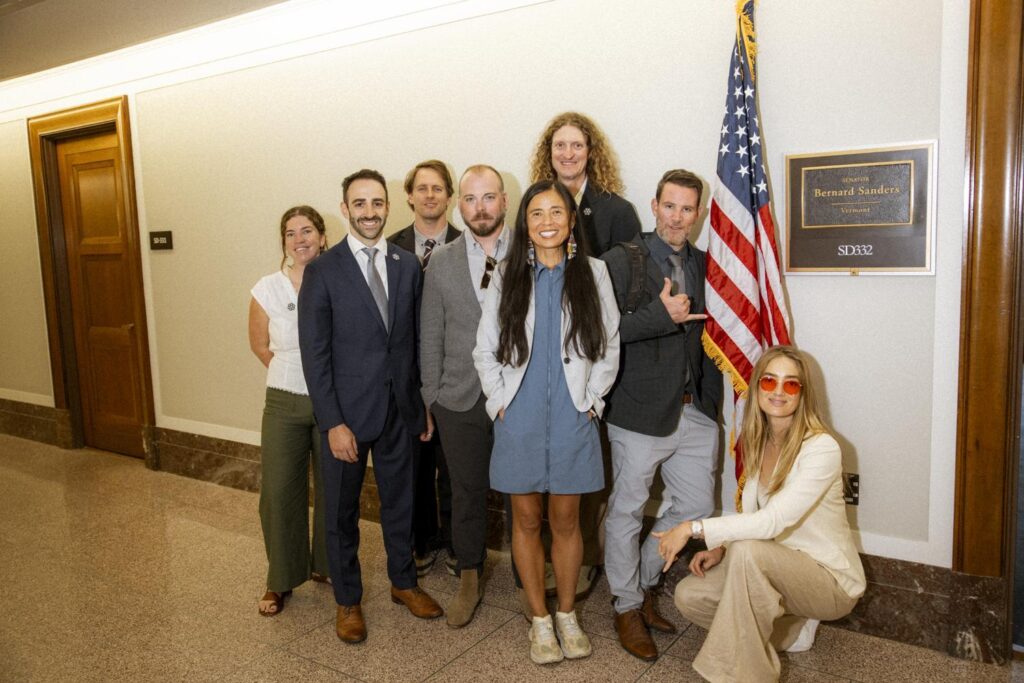
The introduction of the EHRA was supported by a wide-ranging coalition of environmental and conservation organizations, including the League of Conservation Voters, Surfrider Foundation, the Natural Resources Defense Council (NRDC), and the Southern Utah Wilderness Alliance. This coalition spent time on Capitol Hill meeting with a bipartisan group of lawmakers, including Representatives Andrew Garbarino (R-NY) and Maxine Dexter (D-OR), as well as Senators Bernie Sanders (I-VT), Jeff Merkley (D-OR), and Ron Wyden (D-OR).
The strategy behind these meetings was to build a durable, bipartisan coalition. While the bill’s primary sponsors are Democrats, the messaging focuses on "common-sense solutions" and the protection of local economies, themes that have historically resonated across the aisle. Ben Gubits, POW’s Vice President of Advocacy and Campaigns, stated that the bill "draws a clear line" by putting people and public health ahead of polluters.

Despite the momentum surrounding its introduction, advocates are realistic about the bill’s immediate prospects. Given the current divided state of Congress and the complexities of the federal legislative calendar, the EHRA is unlikely to pass during the current session. Proponents view the 2024 introduction as the beginning of a multi-year campaign. The "weather window" for actual passage is projected to open closer to 2029, during the 120th Congress. This timeline reflects the standard lifecycle of major federal legislation, where an idea must first be socialized, champions must be recruited, and a public record of support must be built before the political conditions align for a vote.
Broader Impact and Future Implications
The Environmental Health Restoration Act represents more than just a set of new regulations; it is a statement of intent regarding the role of science in American governance. If passed, the EHRA would likely trigger a hiring surge within the EPA to replace lost expertise and would lead to a more aggressive enforcement posture regarding air and water quality standards.

For the public, the implications of the EHRA involve a long-term commitment to health. Reductions in particulate matter and ozone are directly correlated with lower rates of asthma, cardiovascular disease, and premature death. In the context of the climate crisis, the bill provides the EPA with a firmer legal footing to regulate greenhouse gas emissions from power plants and vehicles, which are the primary drivers of global warming.
As the bill moves into the next phase of its lifecycle—growing congressional co-sponsorship and stakeholder support—it will serve as a litmus test for the nation’s environmental priorities. The "long game" described by its supporters suggests that while the political climate remains volatile, the demand for stable, science-based environmental protection remains a constant force in American civic life. The EHRA stands as the primary legislative vehicle for those who believe that the agency created to protect the environment must now, itself, be protected by law.
