

The intensification of summer heat has transformed from a seasonal inconvenience into a systemic environmental crisis, as record-breaking temperatures and prolonged heat waves become the new standard for the global climate. For outdoor enthusiasts and researchers alike, the shift is palpable; what were once occasional "sufferfests" in the backcountry are now symptomatic of a broader atmospheric transformation. To decode the mechanics of this shift, meteorologists and atmospheric scientists are pointing toward a complex interplay of high-pressure systems, jet stream volatility, and a rapidly warming global baseline. Will Stikeleather, a Boston-based atmospheric scientist and member of the POW Science Alliance, notes that the current trajectory of extreme heat is driven by specific meteorological phenomena that are being amplified by anthropogenic climate change.
Defining the Mechanics of a Modern Heat Wave
While the general public often equates a heat wave with any period of uncomfortably hot weather, the National Oceanic and Atmospheric Administration (NOAA) utilizes a more technical framework. Formally, a heat wave is defined as a period of two or more days where temperatures are abnormally high relative to the historical averages of a specific region. However, Stikeleather argues that this definition often fails to account for the multidimensional nature of heat stress. Temperature alone does not dictate the hazard; humidity plays a critical role in the human body’s ability to regulate its internal temperature through evaporation. When high temperatures are paired with high humidity, the "feels-like" temperature, or heat index, can reach lethal thresholds far more quickly than in arid conditions.
The primary driver behind these events is the formation of large high-pressure systems in the upper atmosphere. These systems, often referred to as "heat domes," act as atmospheric lids. As high pressure settles over a region, it causes air to sink toward the surface. As this air descends, it compresses and warms adiabatically, leading to a rapid spike in ground-level temperatures. Furthermore, the clockwise rotation of these systems (in the Northern Hemisphere) can draw in warm, moist air from tropical latitudes, further fueling the intensity of the heat. These conditions typically persist until a significant shift in the jet stream or a cold front displaces the high-pressure block.

The Role of Atmospheric Blocking and the Jet Stream
In recent years, the duration of heat waves has become a primary concern for climatologists. This is largely attributed to "atmospheric traffic jams" or blocking patterns. Under normal conditions, the jet stream—a fast-moving ribbon of air high in the atmosphere—moves weather systems from west to east. However, when the jet stream loses its velocity or develops exaggerated "waves," these high-pressure domes can become stationary for days or even weeks.
A definitive example of this occurred during the June and July 2021 heat wave that devastated the Pacific Northwest and British Columbia. During this event, a powerful blocking pattern trapped a massive heat dome over a region unaccustomed to extreme temperatures, pushing thermometers above 115°F in areas where air conditioning infrastructure is historically sparse. Such events are no longer considered statistical outliers but are instead viewed as evidence of a "wavier" jet stream, a phenomenon researchers link to Arctic Amplification. As the Arctic warms at a rate significantly faster than the rest of the planet, the temperature gradient between the poles and the equator diminishes, weakening the jet stream and allowing it to meander and stall.
Statistical Trends and the Influence of Climate Change
The correlation between rising global temperatures and heat wave severity is supported by over a century of data. From 1895 to 2023, the contiguous United States (CONUS) has seen an average warming of approximately 2°F. While a two-degree shift may seem negligible in a daily forecast, it represents a massive shift in the statistical baseline. This higher baseline means that even minor atmospheric anomalies can now trigger record-breaking heat events that would have been impossible in the pre-industrial era.
According to NOAA research, the frequency of heat waves in the United States has nearly tripled since the 1960s. Perhaps more alarming is the expansion of the "heat wave season." The duration between the first and last heat waves of the year has increased from roughly 25 days in the mid-20th century to approximately 70 days today. This expansion means that extreme heat is no longer confined to the peak of July and August; it is increasingly encroaching into the late spring and early autumn, disrupting agricultural cycles and extending the window for heat-related illnesses.

The Intergovernmental Panel on Climate Change (IPCC) in its sixth assessment report (IPCC6) stated that it is "virtually certain" that climate change has increased the frequency and severity of warm temperature extremes globally. Attribution science has allowed researchers to quantify this impact with high precision. For instance, the 2021 Western Canada heat wave was estimated to be a 1-in-1,000-year event. However, analysis shows that the event was 2°C hotter than it would have been in a world without human-induced warming, effectively turning a "rare" event into a foreseeable recurring threat.
Geographical Vulnerability and the Urban Heat Island Effect
The impact of extreme heat is not distributed equally across the landscape. Different regions face unique challenges based on their geography and infrastructure. On the East Coast of the United States, rising sea surface temperatures are contributing to higher humidity levels. As the Atlantic warms, increased evaporation fuels a more humid atmosphere, which amplifies the impact of heat waves by raising the Wet Bulb Global Temperature (WBGT). The WBGT is a comprehensive metric that combines temperature, humidity, wind speed, and solar radiation to measure heat stress on the human body. During the summer of 2024 and projected into 2026, data suggests that nearly half of all Western European urban areas are setting records for WBGT, illustrating that the crisis is global in scope.
In the United States, the Northeast has emerged as one of the fastest-warming regions, with three of the top five fastest-warming states located in this corridor. Meanwhile, Alaska remains the fastest-warming state overall due to its proximity to the rapidly melting Arctic.
Urban environments face an additional layer of risk known as the Urban Heat Island (UHI) effect. Cities, characterized by vast expanses of concrete, asphalt, and steel, have a low "albedo"—meaning they absorb solar radiation rather than reflecting it. Unlike rural areas, where vegetation provides cooling through evapotranspiration, cities trap heat throughout the day and struggle to release it at night. This lack of nighttime cooling is particularly dangerous; the human body requires lower ambient temperatures at night to recover from daytime heat stress. Without this recovery period, the risk of heat stroke and cardiovascular failure increases significantly, especially among vulnerable populations such as the elderly and those without access to climate-controlled housing.
Compounding Hazards: The Heat-Wildfire Synergy
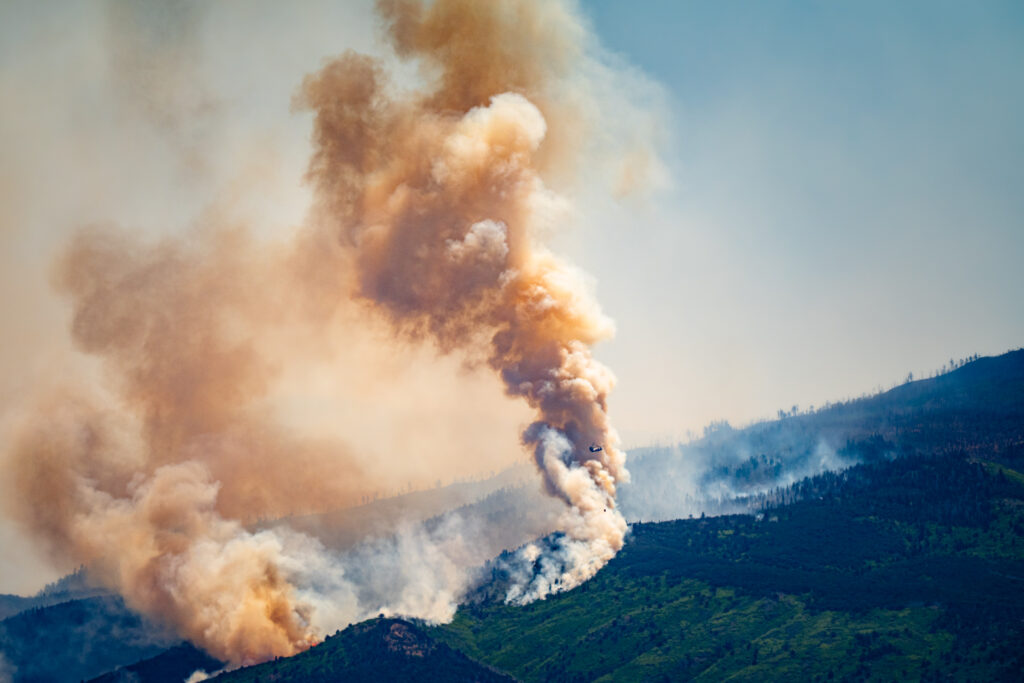
Extreme heat does not exist in a vacuum; it acts as a force multiplier for other natural disasters, most notably wildfires. The relationship between heat waves and fire behavior is governed by the "curing" of vegetation. When a series of heat domes move over a region with low snowpack, the atmosphere acts as a sponge, pulling moisture out of trees, shrubs, and grasses.
In recent years, regions like the Pacific Northwest and the Rocky Mountains have seen wildfire seasons begin weeks ahead of schedule. By late July, vegetation that typically remains moist until September has often already reached a "cured" state, making it highly combustible. This was observed in population centers like Spokane, Washington, where heat-driven drying of fuels has expanded the window for extreme fire behavior. This synergy creates a feedback loop: heat waves dry out the land, leading to more intense fires, which release more carbon dioxide into the atmosphere, further contributing to the greenhouse effect.
Economic Implications and the Path Toward Resilience
The socio-economic toll of increasing heat waves is staggering. Beyond the immediate strain on public health systems, extreme heat impacts labor productivity, particularly in the construction and agricultural sectors. The energy grid also faces immense pressure as millions of citizens rely on air conditioning simultaneously. This increased demand often leads to "brownouts" or grid failures, precisely when cooling is most needed. Furthermore, the reliance on traditional air conditioning creates a paradox: the energy used to cool buildings often comes from fossil fuels, which emit the very greenhouse gases driving the heat waves in the first place.
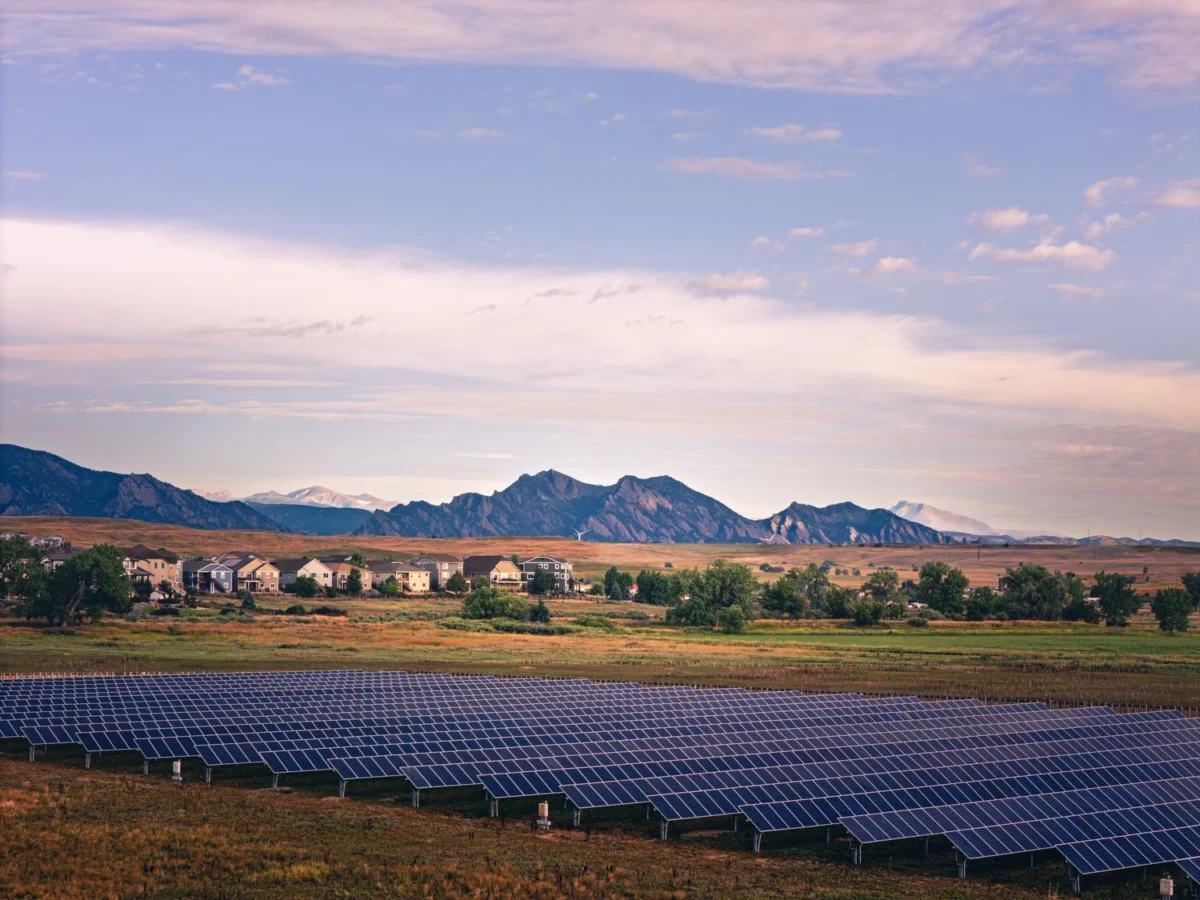
Addressing the crisis requires a shift from temporary fixes to systemic resilience. Experts suggest that local, clean-energy solutions are the most effective way to break the cycle. Community-led grid upgrades, rooftop solar projects, and the expansion of rural electric co-ops are essential for building a grid that can withstand peak demand without failing. Additionally, urban planning must evolve to include "cool roofs," increased canopy cover, and the restoration of urban wetlands to mitigate the heat island effect.
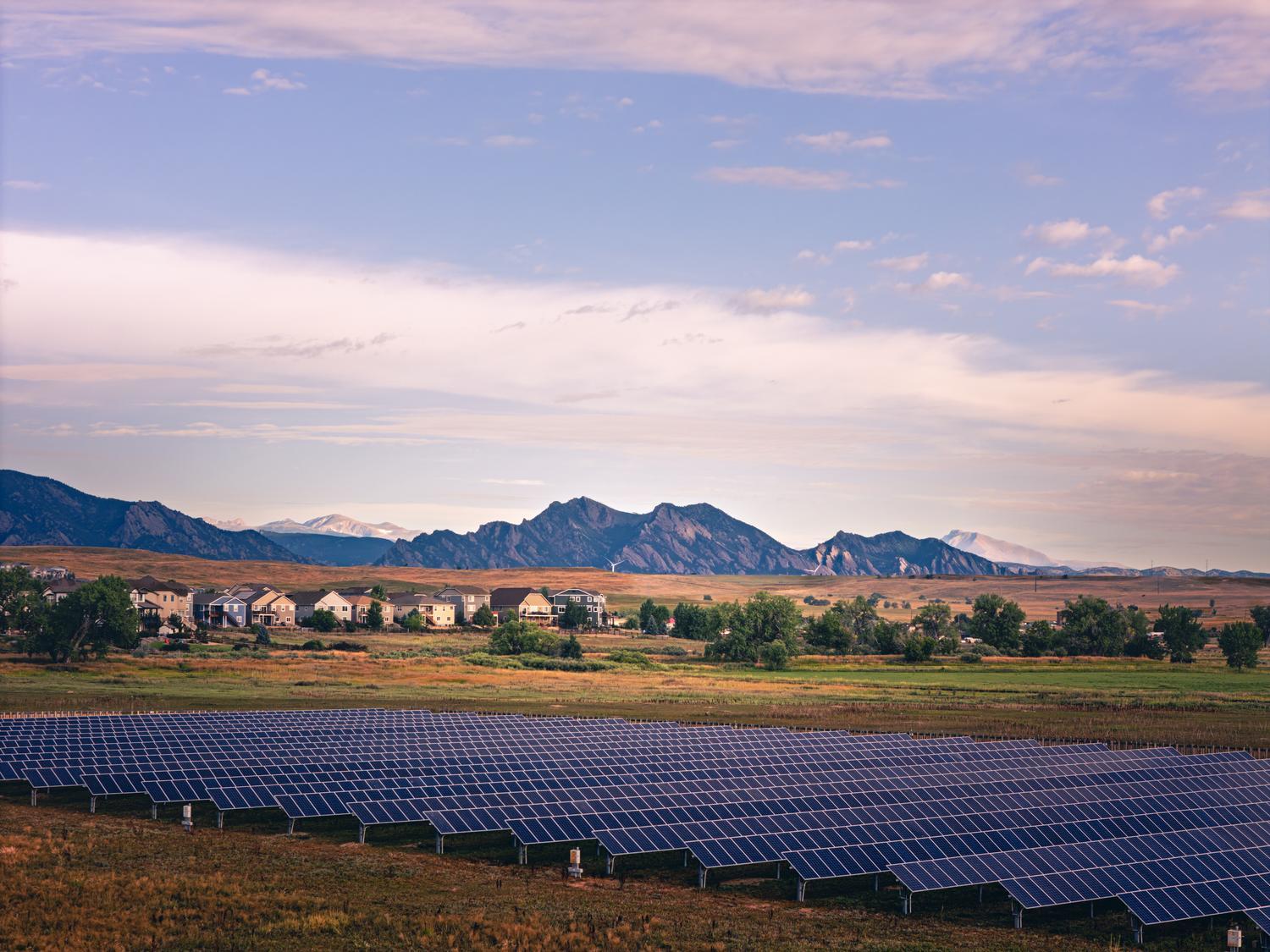
As the "Outdoor State"—the millions of individuals who rely on the natural world for recreation and livelihood—confronts this new reality, the emphasis has shifted toward advocacy and adaptation. Organizations like Protect Our Winters are increasingly focusing on clean energy toolkits that empower citizens to lobby for renewable transitions at the local level. While individual actions like staying hydrated and seeking shade remain necessary, the scientific consensus is clear: the long-term solution to the escalating heat crisis lies in tackling the source of warming through rapid decarbonization and infrastructure modernization. The trail ahead for the planet involves not just enduring the heat, but actively working to turn down the global thermostat through informed, collective action.
