

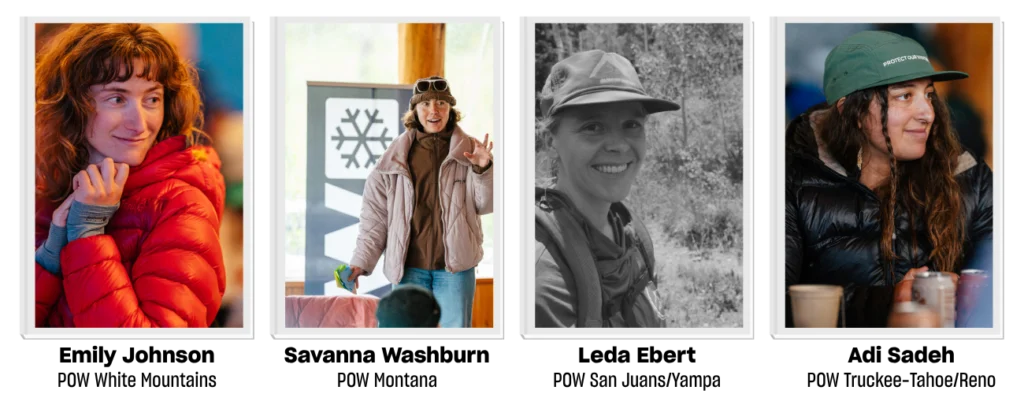
The intersection of outdoor recreation and climate policy has historically been occupied by high-level lobbyists and national non-profit organizations. However, a strategic shift is occurring within the environmental movement, moving away from a top-down approach toward a hyper-local, grassroots model. Protect Our Winters (POW), a leading climate advocacy group founded by professional snowboarder Jeremy Jones, is spearheading this transition through its Chapter Program. By deploying field organizers into mountain and coastal communities, the organization is bridging the gap between recreational passion and civic engagement, transforming "powder-hounds" and "river-rats" into effective local advocates.
The POW Chapter Program functions as a year-round network that connects community members directly to the policy-making process. This initiative recognizes that while national climate legislation often captures headlines, the decisions made at city council meetings, county commission hearings, and rural electric cooperative boards frequently have a more immediate impact on regional carbon footprints and land conservation.
The Field Organizers: Catalysts for Regional Change
The success of the Chapter Program relies on a dedicated cohort of field organizers who reside within the communities they serve. These individuals act as liaisons between the national organization’s scientific and policy resources and the local volunteer base.
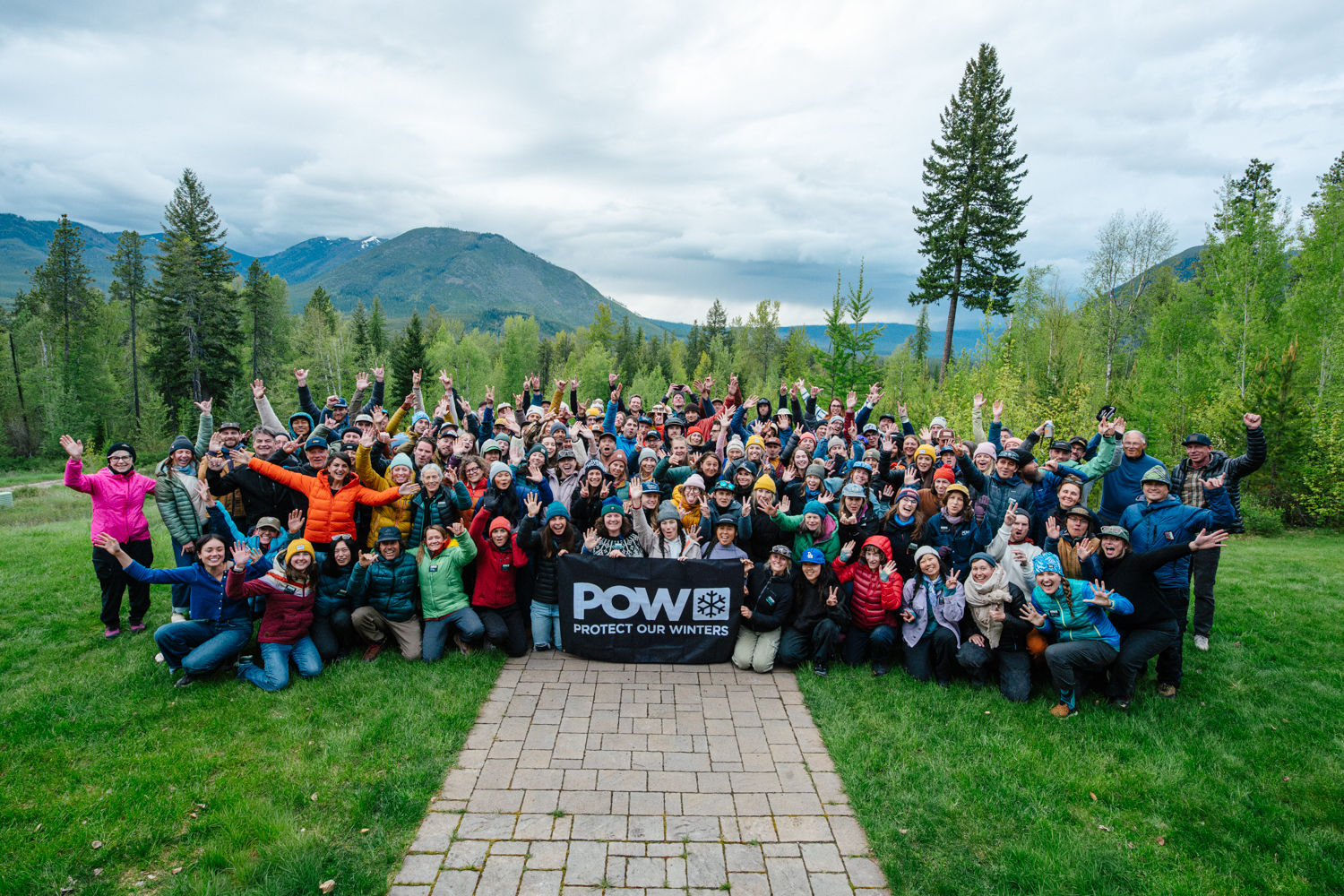
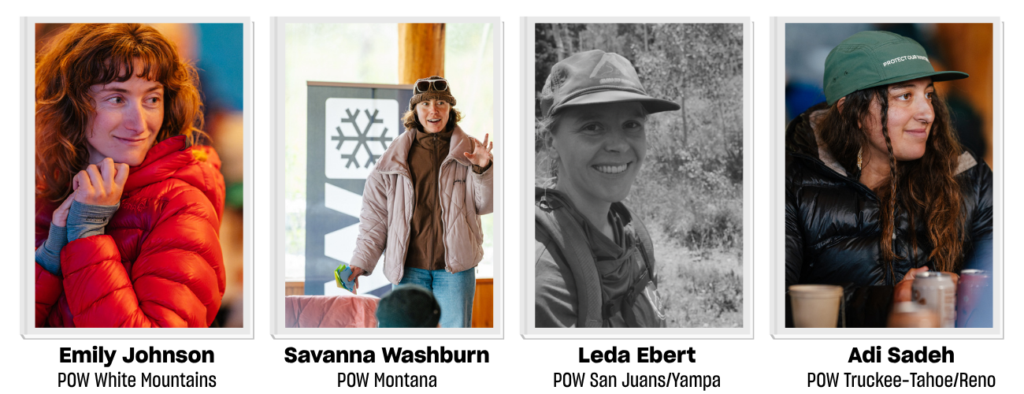
In the White Mountains of New Hampshire, Emily Johnson leads the charge. A native of Farmington, Maine, Johnson’s background in skiing and mountain biking informs her perspective on the "Outdoor State"—a demographic of 50 million Americans who identify as outdoor enthusiasts. For Johnson, community organizing is a mechanism to challenge the disproportionate influence of corporate interests on local ecosystems.
In Montana, Savanna, a lifelong resident of the Gallatin Valley, manages advocacy efforts in a state where public land access is a central political issue. Her work focuses on movement building as a "numbers game," predicated on the idea that collective action can overcome the apathy often associated with large-scale environmental crises.
Leda, operating in Southwest Colorado and the Yampa Valley, focuses on the intersection of human social structures and environmental resilience. Having grown up on the Western Slope, she utilizes her knowledge of the region’s unique geography to advocate for sustainable development and climate action.
In the Truckee-Tahoe and Reno region, Adi combines a background in geography and conservation with civic organizing. Her work spans the California-Nevada border, focusing on empowering community members to confront the systemic drivers of the climate crisis through localized power-building.
Chronology of Advocacy: From Recreation to Policy
The POW Chapter Program follows a structured timeline of engagement that begins with community building and culminates in legislative or regulatory action.
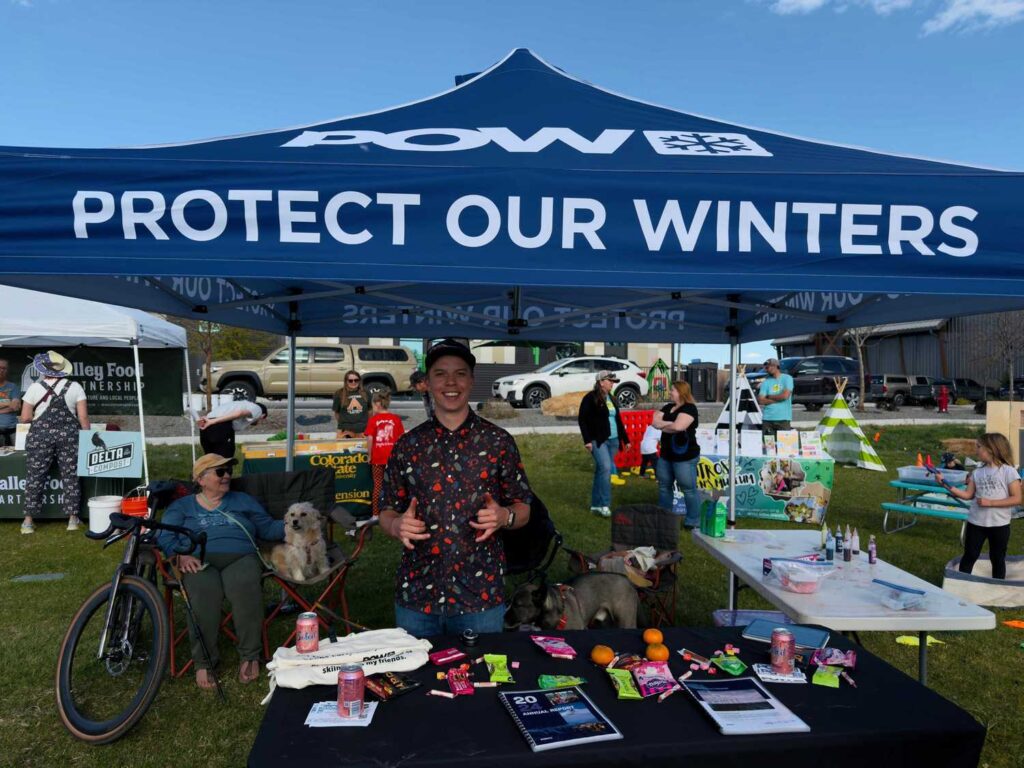
- Community Onboarding: Organizers host events that align with the community’s recreational interests, such as "Run to the Polls" events or community bike rides. These serve as entry points for individuals who may feel intimidated by traditional political spaces.
- Issue Identification: Chapters identify specific local levers for change, such as an upcoming utility board election or a municipal moratorium on renewable energy infrastructure.
- Education and Training: Organizers provide volunteers with the technical knowledge needed to engage with complex documents, such as Integrated Resource Plans (IRPs) or zoning ordinances.
- Direct Action: This phase includes writing letters to the editor, submitting public comments, and attending town council meetings to advocate for specific climate-friendly outcomes.
- Election Engagement: During election cycles, chapters pivot toward non-partisan voter turnout efforts, focusing on the "climate voter" demographic.
Supporting Data: The Economic and Political Power of Outdoor Recreation
The strategic focus on the outdoor community is supported by significant economic data. According to the U.S. Bureau of Economic Analysis (BEA), the outdoor recreation economy accounted for $1.1 trillion in economic output in 2022, representing 2.2% of the U.S. Gross Domestic Product (GDP). This sector supports nearly 5 million jobs, many of which are located in the rural mountain and coastal towns where POW Chapters operate.
Politically, the "Outdoor State" represents a potent voting bloc. Research suggests that outdoor enthusiasts are increasingly prioritizing climate change as a core issue. By mobilizing this group at the local level, POW aims to influence outcomes in regions where elections are often decided by narrow margins. For instance, rural electric cooperative elections can be decided by fewer than a dozen votes, making organized grassroots efforts highly effective.
Case Studies: Local Wins and Tangible Impacts
The efficacy of the Chapter Program is evidenced by several recent successes across different regions.
New Hampshire: Shifting Utility Governance
In early 2026, the POW Action Fund and local chapter volunteers supported the election of Laurel Boivin to the New Hampshire Electric Coop’s Board of Directors. Boivin, an expert in energy policy and community relations, represents a shift toward leadership that prioritizes environmental compliance and renewable energy transition. This win demonstrates how grassroots mobilization can influence the governance of the entities responsible for regional energy procurement.
Montana: Challenging Fossil Fuel Reliance
In Montana, the Bozeman chapter has focused its efforts on NorthWestern Energy’s Integrated Resource Plan (IRP). The utility’s proposed 20-year plan has faced criticism for its continued reliance on coal and gas despite corporate pledges to reach net-zero emissions by 2050. Savanna and her team organized community events to demystify the technical aspects of the IRP, leading to a surge in public comments advocating for wind, solar, and battery storage.
Colorado: Advancing Energy Storage
In La Plata County, Colorado, the local POW chapter played a role in lifting a moratorium on Battery Energy Storage Systems (BESS). Energy storage is widely considered a critical component of a stable renewable energy grid. By organizing residents to provide public testimony on the safety and necessity of BESS, the chapter helped clear a regulatory hurdle for future clean energy projects.
Nevada: The TregoGrid Project
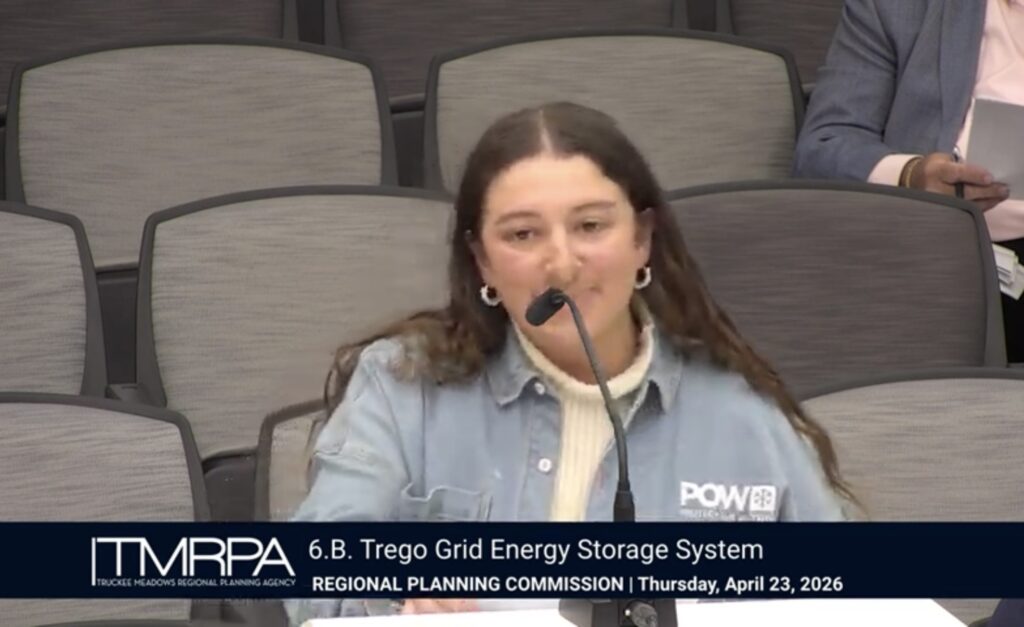
The Reno chapter achieved a significant milestone by advocating for the TregoGrid project, which advanced 200 MW of battery storage onto the grid. This project is a cornerstone of the region’s decarbonization goals and serves as a model for how local advocacy can accelerate the deployment of clean energy infrastructure.
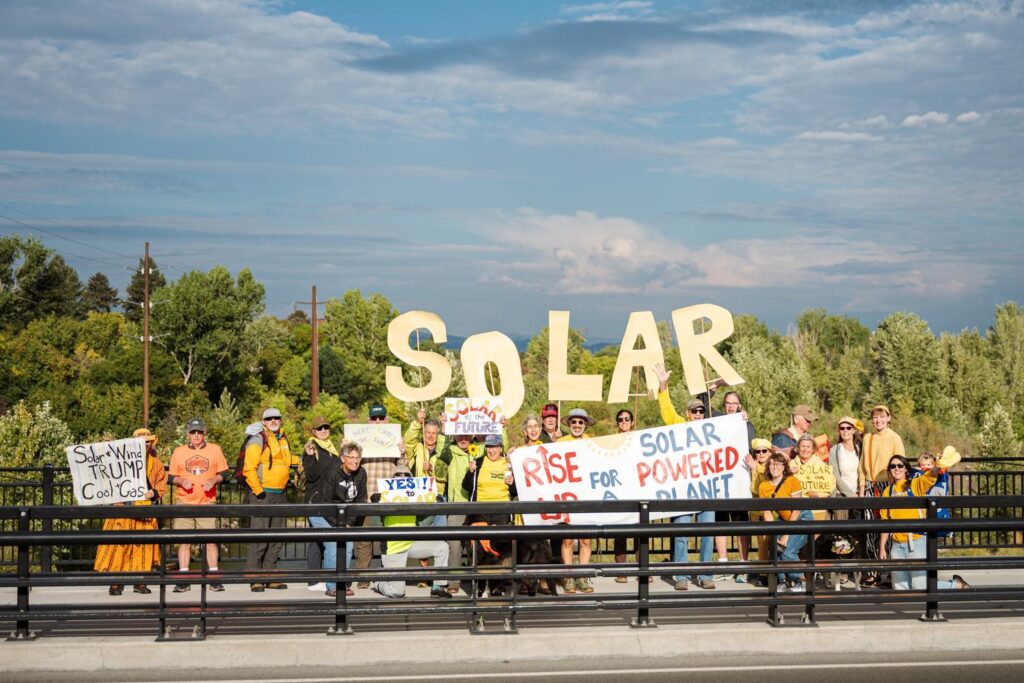
Broader Implications and Analysis
The shift toward local advocacy reflects a broader trend in the American political landscape. As federal legislative bodies face increasing gridlock, the "laboratory of democracy"—state and local government—becomes the primary arena for climate action.
The POW Chapter Program’s model suggests that the most effective way to combat climate apathy is to provide citizens with achievable, local goals. By focusing on a "backyard" approach, organizers can bypass the polarized rhetoric of national politics and focus on shared values, such as the protection of local water sources, the preservation of winter seasons for the local economy, and the reduction of household energy costs through renewables.
Furthermore, the program addresses a critical gap in civic engagement: the "expertise barrier." Many citizens refrain from participating in local government because they feel they lack the necessary technical or legal knowledge. The field organizers act as educators, translating complex policy jargon into accessible language and emphasizing that personal narrative is a powerful tool in advocacy.
Future Outlook: The Road to the Midterms and Beyond
As the 2026 midterm elections approach, the POW Chapter Program is scaling its operations. Organizers are focusing on high-impact congressional districts, such as New Hampshire’s CD1 and Nevada’s CD3, where voter turnout among outdoor enthusiasts could influence the balance of power in Washington.
The long-term goal of the program is to create a self-sustaining culture of advocacy within these communities. By training local leaders and establishing permanent chapter structures, Protect Our Winters is building a resilient network that can respond to environmental threats as they arise.
The message from the field organizers is clear: advocacy is not reserved for policy experts in high-rise offices. It is a tool available to anyone willing to show up at a town council meeting or write a letter to their local representative. As Emily Johnson of the White Mountains chapter notes, the most influential tool an advocate possesses is their own story. In the fight to protect the planet’s most cherished landscapes, those stories—and the collective power they generate—may be the most effective defense available.
