

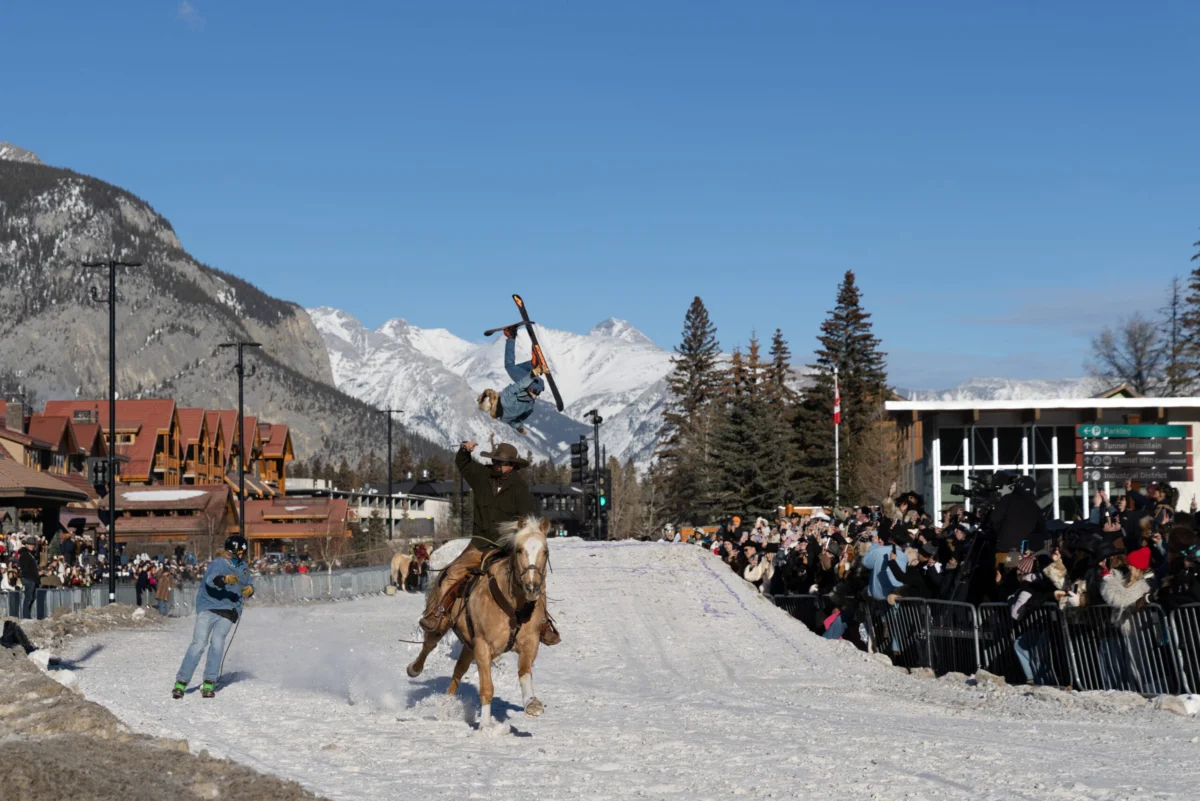
The intersection of equestrian tradition and alpine sports has found a new, high-octane expression in the Canadian West, driven by the vision of Skijor Canada founder Sam Mitchell. As winter tourism evolves to embrace more diverse and culturally rooted activities, skijoring—a sport where a horse and rider pull a skier at high speeds across a snow-covered course—has emerged from the fringes of rural pastime to become a sanctioned, high-profile competitive event. Mitchell’s efforts to formalize the sport in Canada have not only revitalized a historical practice but have also created a unique cultural bridge between the ranching and mountain communities of Alberta and British Columbia. This evolution is now being spotlighted on a global stage through the latest Warren Miller Entertainment production, "Days Off," signaling a new era for a sport that blends raw horsepower with precision skiing.
The Historical Foundations of Skijoring
While modern skijoring is often associated with the American and Canadian West, its origins are deeply rooted in Northern European history. The term is derived from the Norwegian word skikjøring, meaning "ski driving." For centuries, the Indigenous Sami people of Scandinavia utilized reindeer to pull skiers across vast frozen tundras as a practical means of transportation. By the early 20th century, the sport had migrated to Central Europe, where horses replaced reindeer, and it gained significant prestige. In 1928, skijoring was featured as a demonstration sport at the Winter Olympics in St. Moritz, Switzerland, cementing its status as an elite winter activity.
In North America, the sport found a natural home in the Rocky Mountain regions during the 1940s and 50s. It appealed to the dual identities of these areas: the rugged, utilitarian nature of the cattle rancher and the burgeoning excitement of the post-war ski industry. Over the decades, however, skijoring remained largely localized, often appearing as a novelty act at winter carnivals or small-town rodeos. The transition from a local novelty to a structured national organization required a catalyst who understood both the technical demands of the sport and the cultural nuances of the communities that host it.
The Genesis of Skijor Canada: From SkijorDue to National Presence
For Sam Mitchell, the motivation to formalize the sport came from a personal desire to resolve a seasonal conflict. Growing up in the rural landscapes of British Columbia and Alberta, Mitchell was immersed in equestrian culture from a young age. However, the arrival of winter often meant choosing between time in the saddle and time on the slopes. Her subsequent time spent in Switzerland introduced her to the European concept of après-ski—a sophisticated blend of hospitality, gastronomy, and festive social gathering—which she felt was the missing ingredient in the North American skijoring scene.
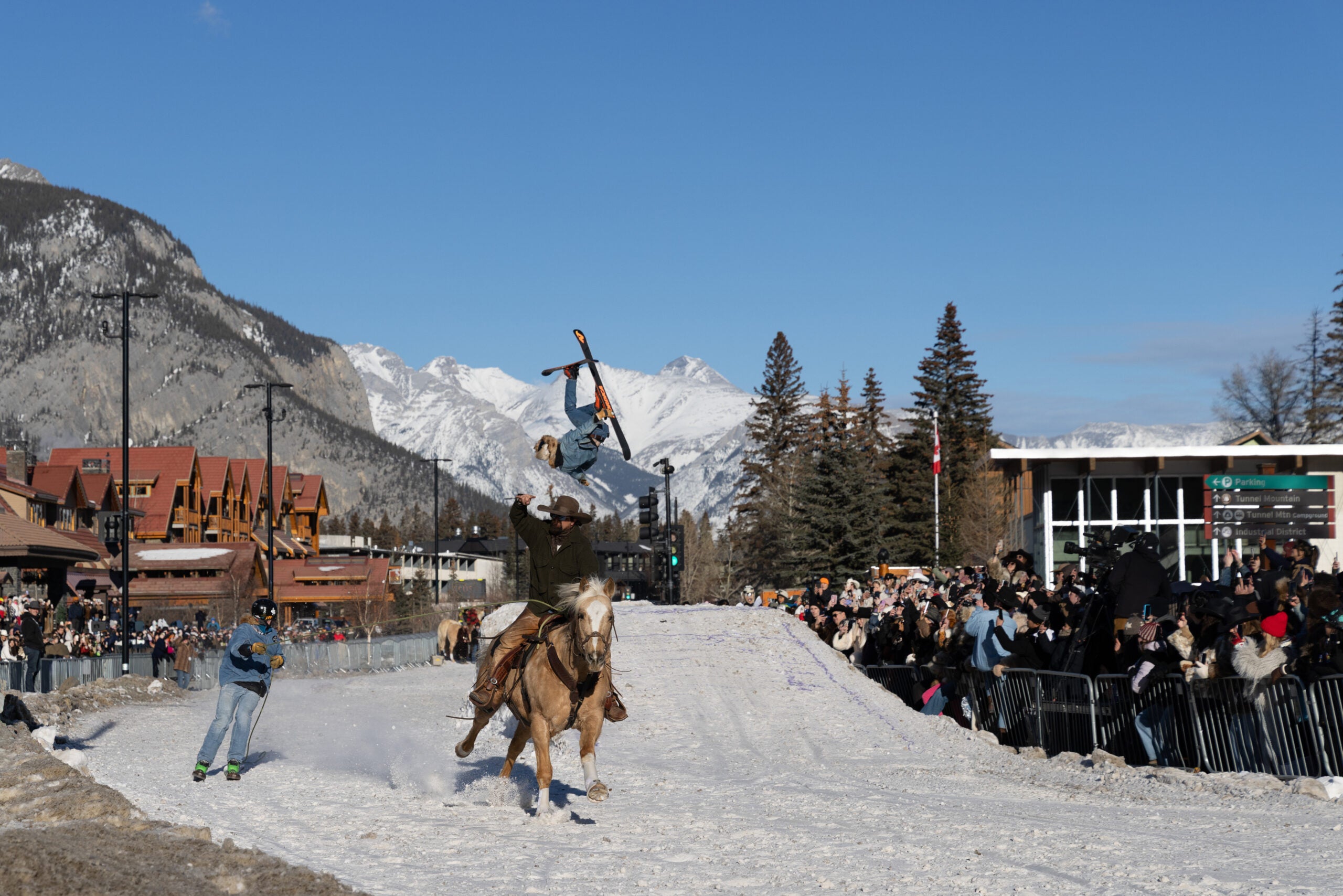
The formal timeline of Mitchell’s organizational efforts began in 2016 with an experimental event dubbed "SkijorDue." The concept was intentionally whimsical, combining the high-speed action of skijoring with the communal warmth of a fondue feast.
- 2016: The inaugural SkijorDue event was held. Expecting a small gathering of approximately 12 enthusiasts, Mitchell was surprised when over 60 participants arrived, signaling a significant untapped demand for the sport.
- 2017: Recognizing the potential for growth, Mitchell founded Skijor Canada. The second iteration of the event was opened to the general public as a fundraiser for Prairie Skies Equine Assisted Therapy. The event drew 800 spectators, demonstrating that the sport had a massive appeal beyond the immediate participant circle.
- 2018–Present: Skijor Canada expanded its reach, establishing standardized rules, safety protocols, and a series of exhibitions and competitions that emphasize both athletic prowess and "Western style."
Technical Mechanics and Athletic Requirements
Skijoring is a sport defined by physics and trust. In a competitive setting, a horse—typically a Quarter Horse or a similar breed known for explosive "sprint" speed—is ridden by a rider who must maintain a steady pace while navigating a track. Attached to the saddle is a tow rope, held by a skier who must navigate a series of gates, jumps, and sometimes rings that must be collected while traveling at speeds that can exceed 40 miles per hour (65 kilometers per hour).
The technical demands are split between three entities:
- The Horse: Must be desensitized to the sound of skis on snow and the tension of a rope pulling from the rear. The horse’s "power out of the hole" is critical for the skier to gain enough momentum to clear jumps.
- The Rider: Responsible for "driving" the horse and maintaining the optimal line on the track. The rider must balance the horse’s speed with the skier’s ability to handle the centrifugal force on turns.
- The Skier: Unlike downhill skiing, skijoring requires the athlete to manage horizontal tension. They must have strong core stability to absorb the "jerks" of the rope and the technical skill to land jumps while being pulled forward rather than relying on gravity.
Economic and Cultural Impact on Mountain Communities
The rise of Skijor Canada has provided a notable boost to winter tourism in regions that traditionally rely on standard ski resort traffic. Events held in towns like Banff or Millarville attract a demographic that might not otherwise visit during the off-peak season. This "event-based tourism" generates revenue for local hospitality sectors, from hotels to artisanal food vendors.
Culturally, Mitchell has leveraged the sport to celebrate "Western and Mountain Culture." This is most visible in the "Skijor Style" movement. Participants and spectators are encouraged to wear vintage western gear, furs, and upcycled winter fashion. By turning the event into a fashion and cultural showcase, Skijor Canada has made the sport inclusive for those who do not ride or ski. The "Style Awards" have become a hallmark of these events, fostering a sense of community that transcends the competition itself.
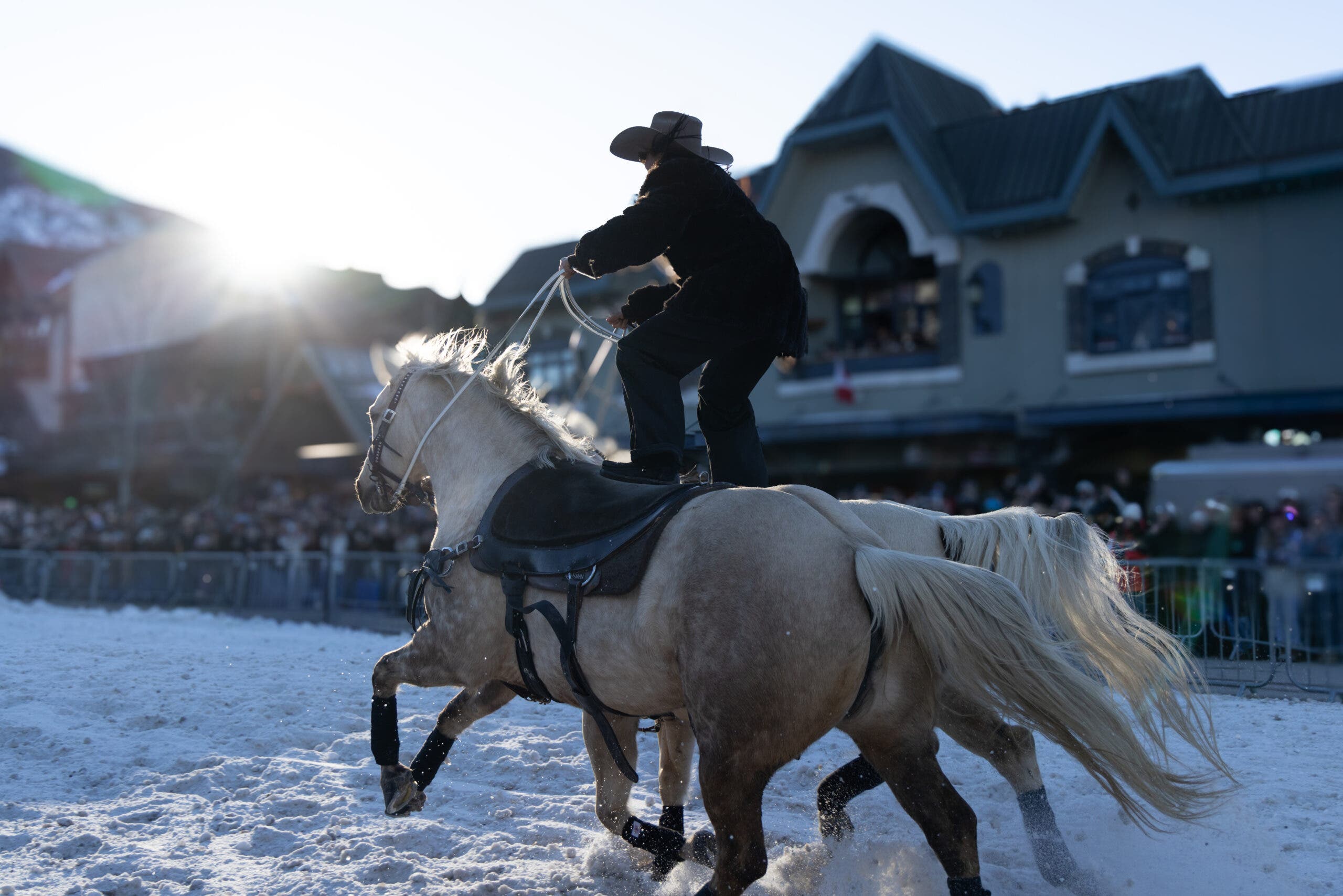
"The quality of food, fashion, music, and hospitality helps make that invitation appealing to so many people," Mitchell noted in a recent assessment of the organization’s growth. "It’s a really inclusive scene."
Safety Standards and Equine Welfare
As the sport has grown in speed and visibility, the focus on animal welfare has become a primary pillar of Skijor Canada’s operations. Skeptics of the sport often raise concerns about the strain placed on the horses, a concern that Mitchell addresses through rigorous oversight.
Skijor Canada implements several key welfare measures:
- Track Conditions: Courses are groomed specifically for horses, with a focus on "footing" to prevent slips or tendon strains. This often involves a different snow consistency than what is found on standard ski runs.
- Veterinary Oversight: Competitive events often require pre-competition health checks to ensure horses are fit for the burst of activity required.
- Equipment Regulation: The use of specialized break-away ropes and specific saddle attachments ensures that if a skier falls, the horse is not subjected to a sudden, jarring pull.
Mitchell emphasizes that the skill required to work with the animals is the foundation of the sport. "Their welfare and the skill required to work with them have to underpin everything we do," she stated, reinforcing that the organization views the horses as athletes in their own right.
Media Expansion: The Warren Miller Collaboration
The profile of Canadian skijoring is set to reach an all-time high with the release of the Warren Miller Entertainment film "Days Off." For decades, Warren Miller films have been the definitive annual chronicle of ski culture, and the inclusion of skijoring marks a significant validation of the sport’s place in the broader alpine world.
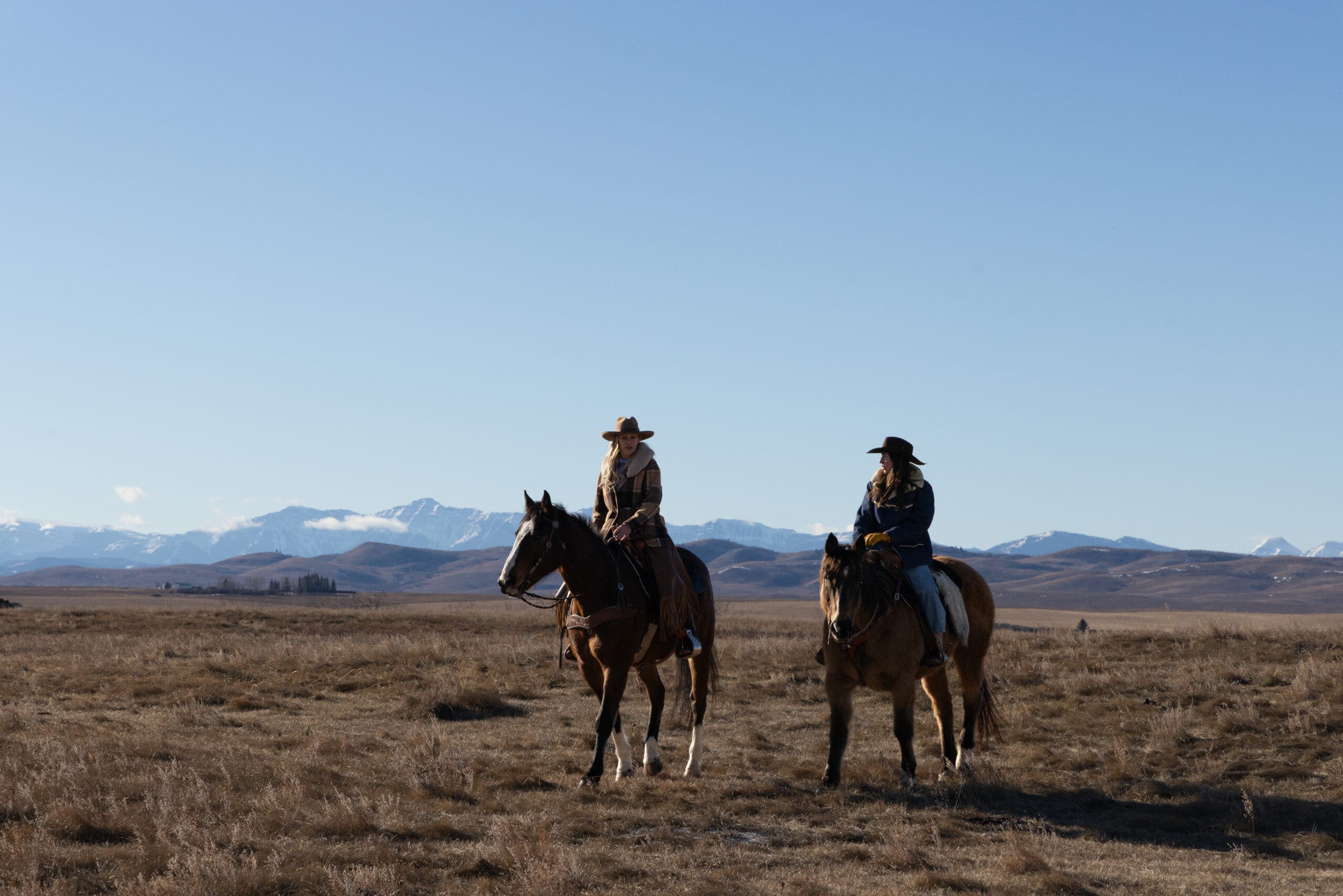
In the film, Mitchell hosts Katie Burrell, a well-known figure in the ski community, introducing her to the mechanics and the "vibe" of the skijoring world. This collaboration is expected to introduce the sport to hundreds of thousands of viewers across North America during the film’s national tour. The segment focuses not just on the adrenaline of the sport, but on the "Days Off" philosophy—finding joy and self-expression in the mountains outside of traditional chairlift-access skiing.
Industry analysts suggest that this media exposure could lead to a surge in participation. Mitchell’s advice for newcomers is to focus on partnership. "You don’t need to arrive with an entire team," she explains. "If you’re a skier or snowboarder, you bring one set of skills; if you’re a horse person, you bring another. Finding the right partners is a good place to begin."
Future Implications for the Sport
As Skijor Canada looks toward the 2026/2027 season, the organization is focused on scalability and education. The release of a three-part instructional series on YouTube is a strategic move to lower the barrier to entry for rural communities across Canada that have the horses and the snow but lack the formal training.
The broader implication of Mitchell’s work is the preservation of rural identity in an increasingly urbanized world. By modernizing skijoring, she has created a pathway for ranching traditions to remain relevant and celebrated. The sport serves as a reminder that the "Old West" and the "New West" are not mutually exclusive, but can coexist in a high-speed, cheese-fondue-fueled celebration of winter.
With the national tour of "Days Off" beginning in late October, the sight of a horse galloping through the snow with a skier in tow is likely to become a more frequent and welcomed fixture of the Canadian winter landscape. For Sam Mitchell and Skijor Canada, the goal remains clear: to ensure that when faced with the choice between the saddle and the slopes, the answer is always "both."
