

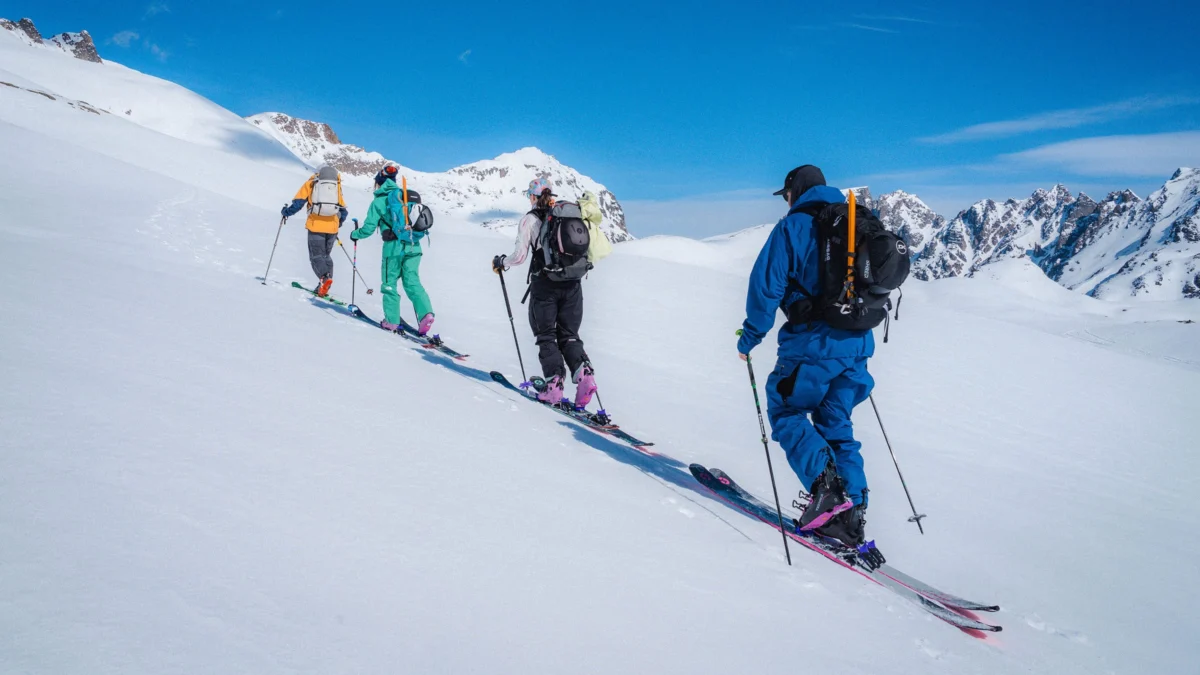
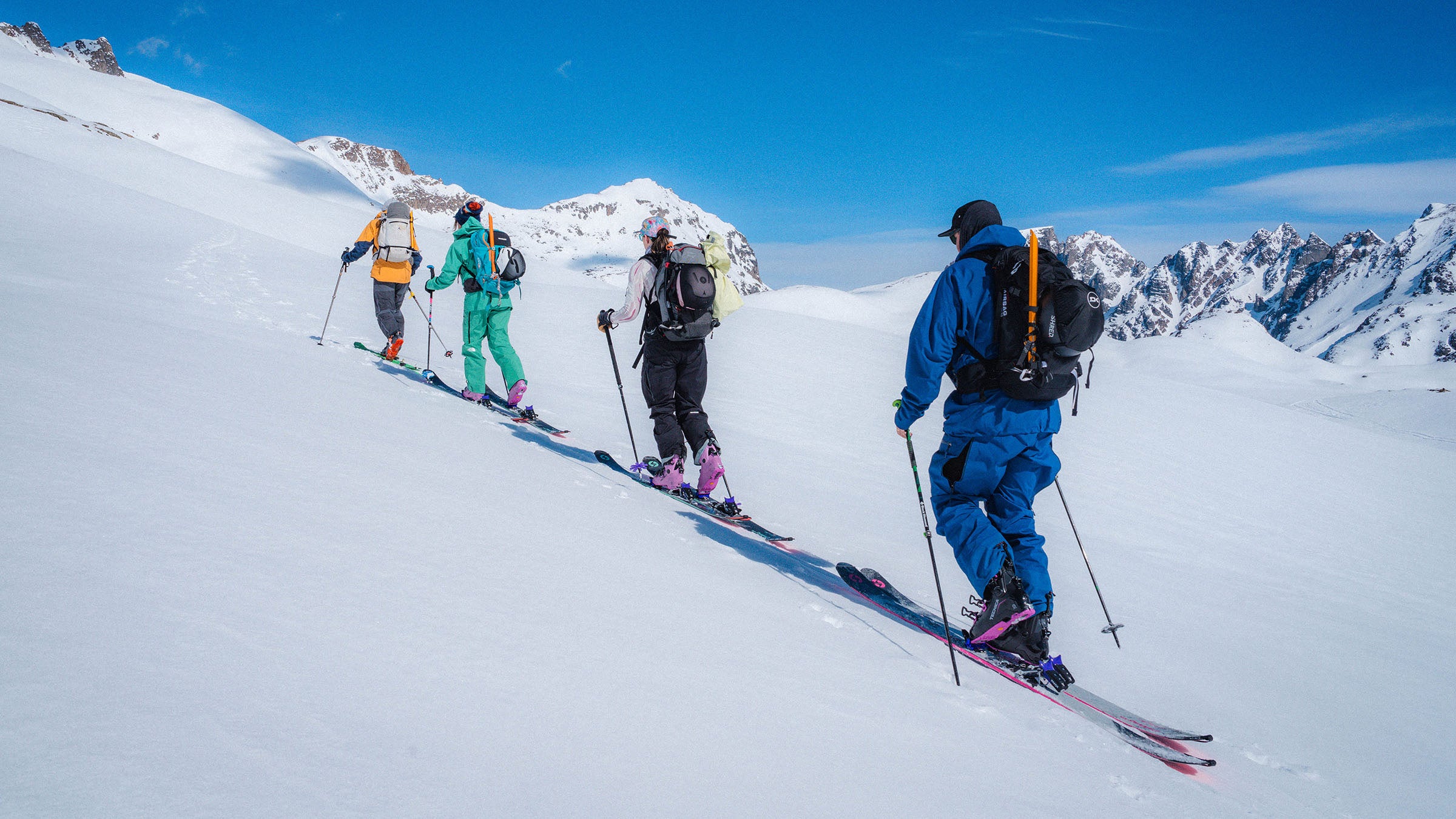
The 2027 winter season has arrived with a definitive shift in backcountry equipment technology, moving away from the compromise between uphill efficiency and downhill performance. As the popularity of human-powered skiing continues its decade-long ascent, manufacturers have responded with a suite of products that utilize advanced aerospace materials and refined geometries to handle everything from deep Teton powder to the variable crusts of the high Alps. The current market reflects a maturation of the "free-touring" category, where skis are light enough for 5,000-foot vertical days but robust enough to maintain stability at high speeds in unpredictable snow.
The Evolution of Backcountry Design and Market Trends
The backcountry ski industry has undergone a significant transformation since the early 2020s. Initial designs often forced skiers to choose between "matchstick" thin touring skis that vibrated on firm snow or heavy alpine-adjacent skis that made long ascents grueling. The 2027 lineup demonstrates that the industry has found a "golden mean." By incorporating sustainably sourced caruba and paulownia wood cores reinforced with carbon fiber stringers and basalt filaments, engineers have created platforms that provide dampness—the ability to absorb vibration—without the weight of traditional titanals.
Data from the 2026-2027 testing cycle indicates that the 100mm to 112mm waist width has become the standard for "daily driver" backcountry skis. This width provides sufficient surface area for flotation in deep snow while remaining narrow enough to maintain edge grip on steep, icy skin tracks. Furthermore, the introduction of 3D-shaped tips and tail notches for skin attachments has moved from niche features to industry standards, reflecting a more sophisticated consumer base that prioritizes technical functionality.
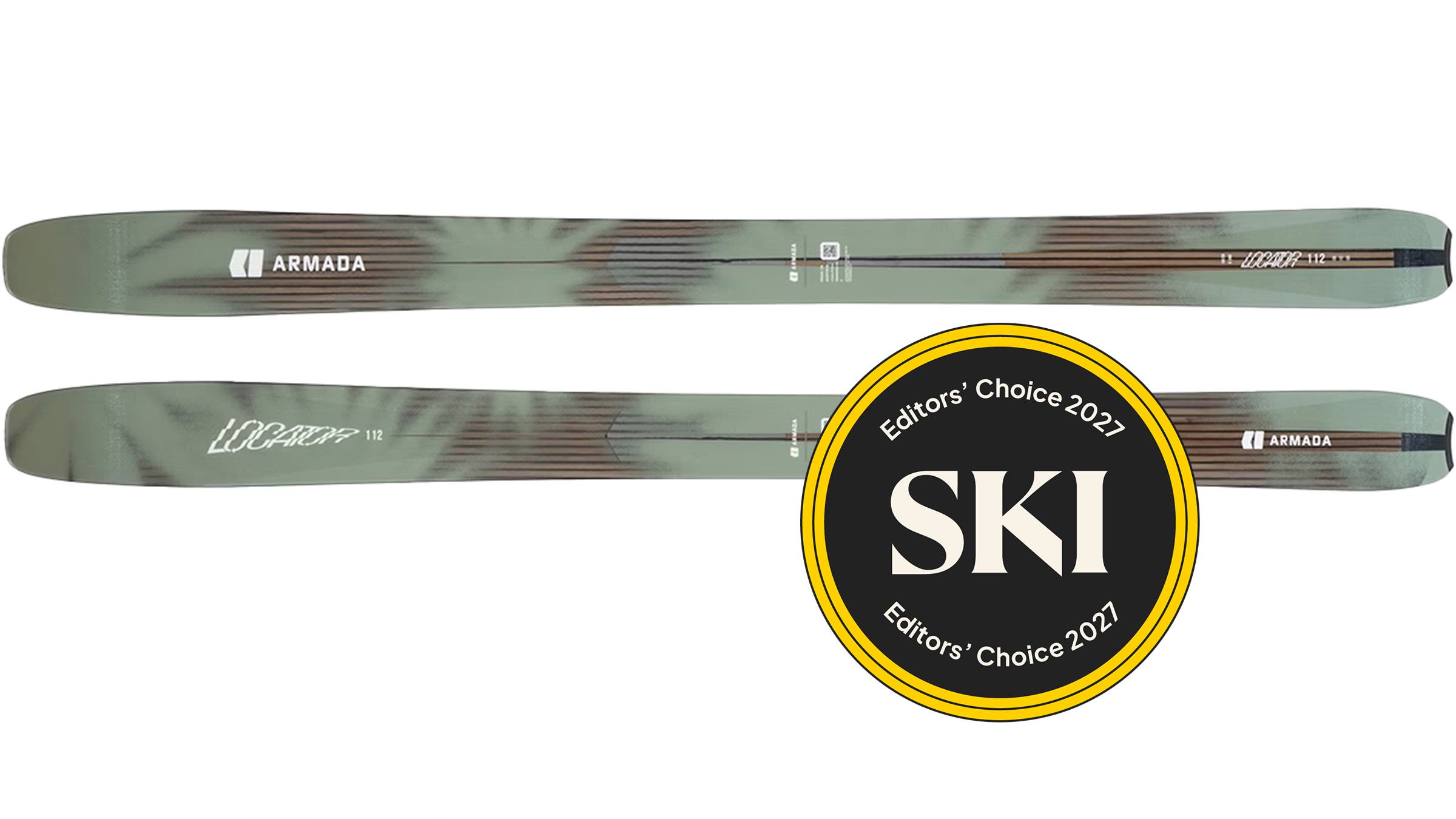
Editor’s Choice: The Armada Locator 112
Leading the 2027 rankings is the Armada Locator 112, a ski that testers identified as the most well-rounded tool for the modern backcountry enthusiast. Weighing 1,575 grams per ski, it sits in the featherweight category for its 112mm waist. The ski utilizes a caruba core, which is known for its high strength-to-weight ratio, allowing for a poppy and energetic feel.
During field tests in the Sierra Mountains, the Locator 112 demonstrated a remarkable ability to pivot in tight timber while maintaining a 24-meter turning radius that provides stability during high-speed exits in open bowls. The generous tip and tail rocker were cited as critical factors in its "surfy" feel in deep snow. However, testers noted that the lightweight construction does have limitations; on refrozen, firm surfaces, the ski requires more active input from the pilot to prevent deflection.
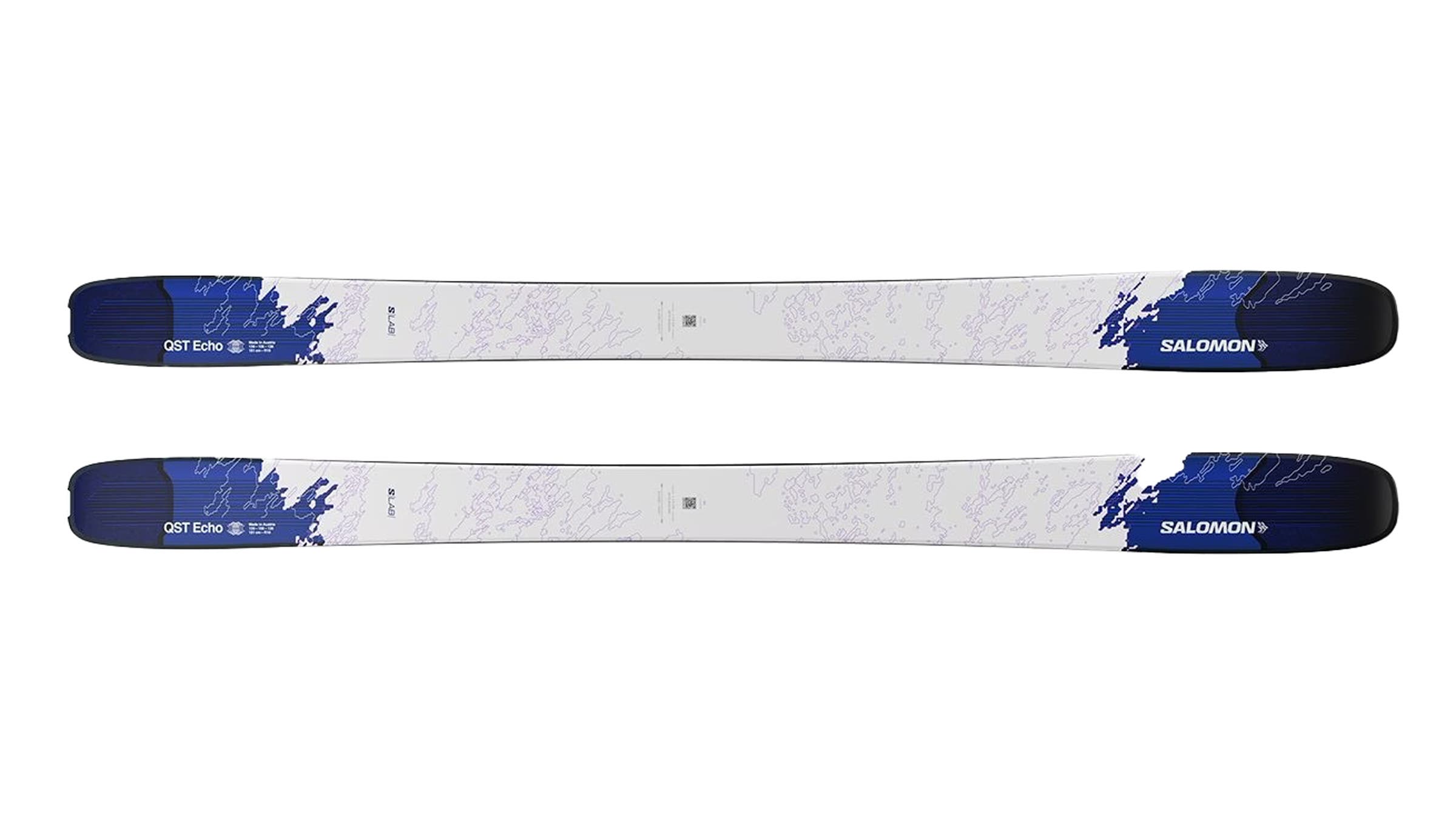
Versatility and Performance: The Salomon S/LAB QST Echo
For skiers seeking a single-setup solution for a variety of geographical regions, the Salomon S/LAB QST Echo remains the benchmark. Updated for 2027 with a refined tail notch and new aesthetic profiles, the Echo is a lighter iteration of the acclaimed QST 106. At 1,700 grams, it is heavier than the Armada Locator but offers a more "damp" and traditional feel that many resort-crossover skiers prefer.
The inclusion of basalt fibers in the layup acts as a shock absorber, a feature that proved invaluable during testing in the variable "wind buff" of the Pacific Northwest. While some testers found it "squirrely" at absolute top speeds, the consensus was that its predictability in transition snow—where powder turns into sun-crust—makes it a superior choice for long-form adventures where conditions are guaranteed to change.
Specialized Solutions for Powder and Technical Missions
As the sport diversifies, so do the tools. The 2027 season highlights several skis designed for specific environmental niches:
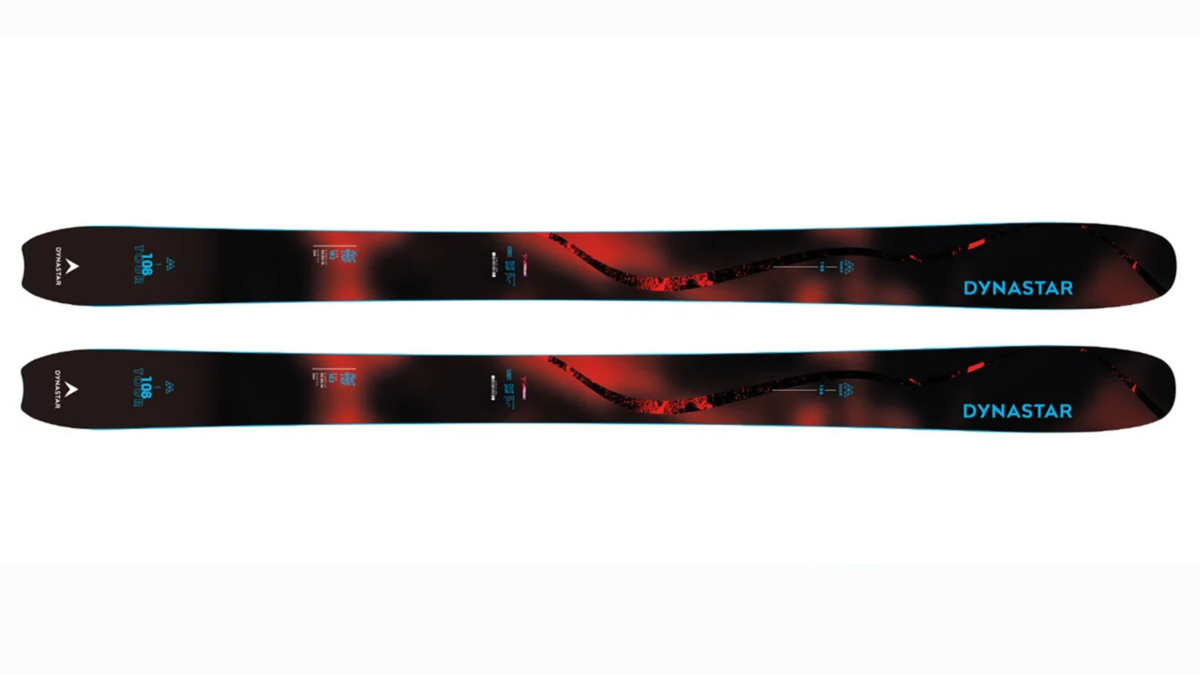
- Dynastar M-Tour 108: This model was crowned the premier powder-specific tool. Despite its 108mm waist, its rockered profile and polyurethane (PU) core elements provide a unique "liquid" feel in deep snow, absorbing the chatter often associated with carbon-heavy touring skis.
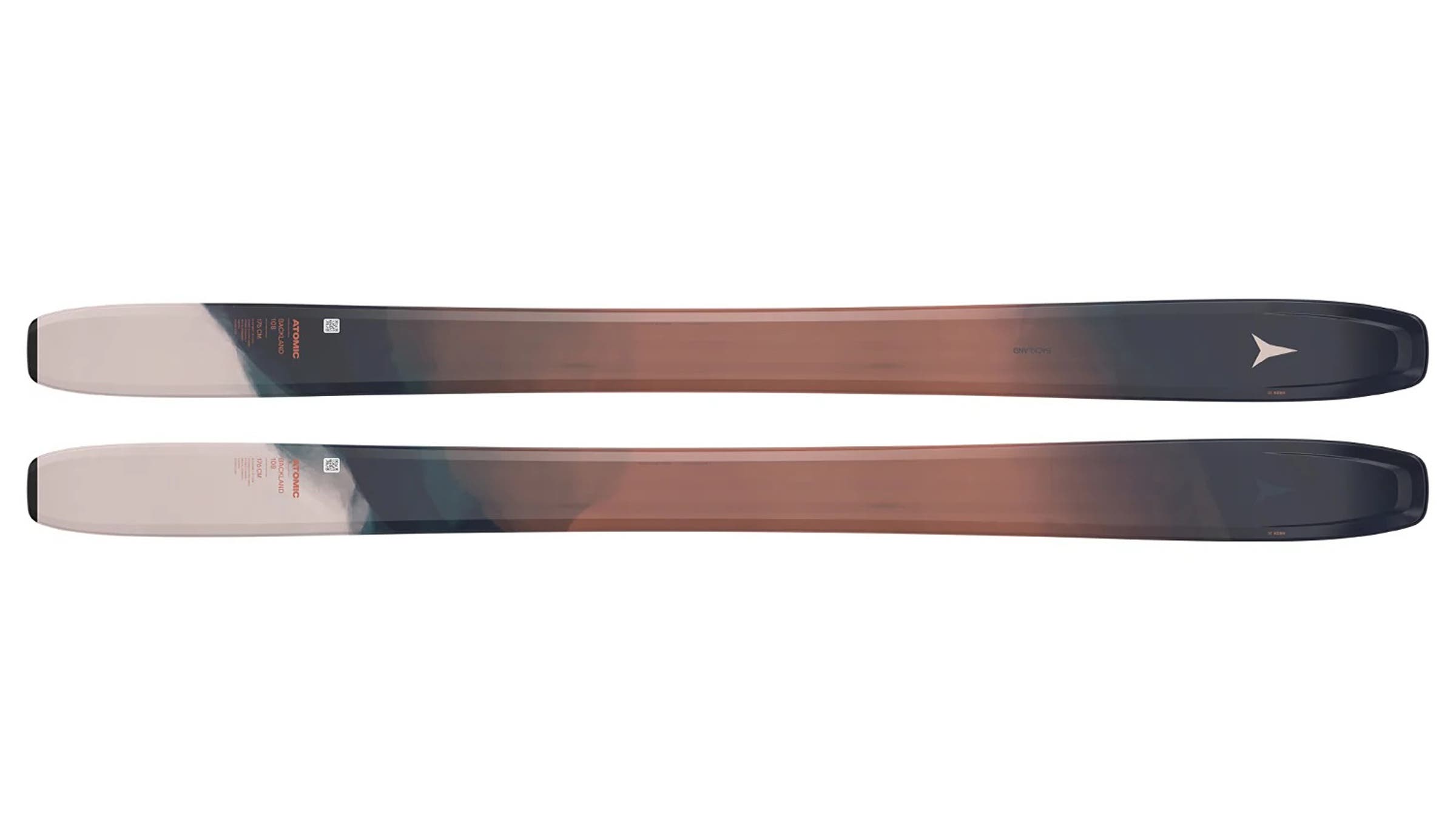
- Atomic Backland 108 W: Recognized as the top women’s specific model, the Backland 108 W utilizes HRZN 3D technology in the tip. This increases the surface area without adding width or weight, allowing for exceptional float in the deep maritime snowpacks of British Columbia and Japan.
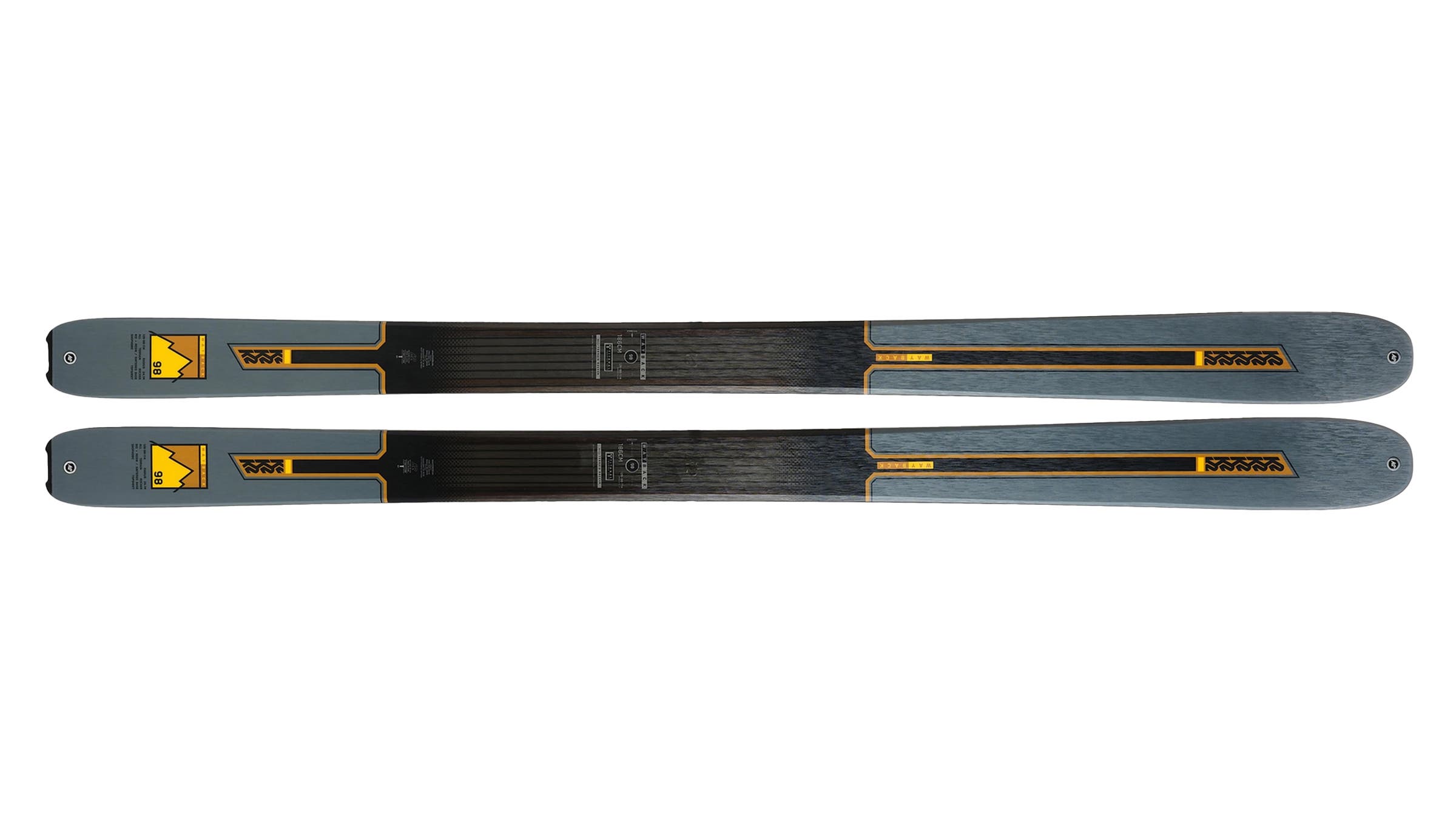
- K2 Wayback 98: Representing the "big mission" category, the Wayback 98 is the lightest entry on the list at 1,390 grams. It is designed for spring mountaineering where uphill speed is as critical as downhill security. The Titanal laminate underfoot provides a level of edge-hold on ice that wider, softer skis cannot replicate.
Comparative Analysis of Technical Specifications
To provide a factual overview of the 2027 market, the following data points compare the top-tier models based on weight, dimensions, and price:
| Ski Model | Waist Width | Weight (per ski) | Core Materials | Primary Use |
|---|---|---|---|---|
| Armada Locator 112 | 112mm | 1,575g | Caruba / Carbon | Deep Powder / Freeride |
| Salomon QST Echo | 106mm | 1,700g | Poplar / Caruba / Basalt | All-Condition Versatility |
| Dynastar M-Tour 108 | 108mm | 1,480g | Poplar / PU | Soft Snow / Powder |
| Atomic Backland 108 W | 108.5mm | 1,310g | Poplar / Caruba | Women’s Freeride |
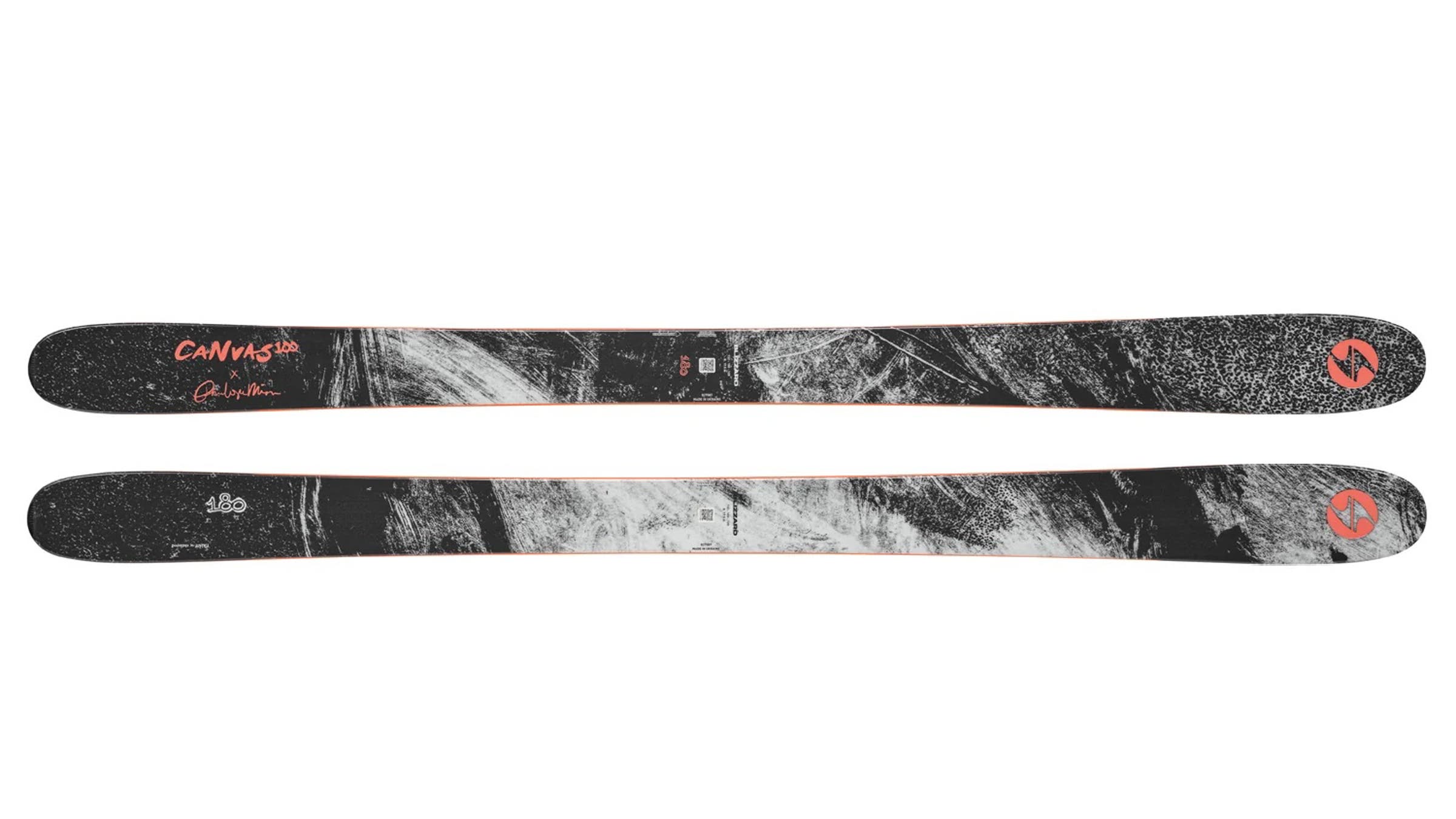
| Blizzard Canvas 100 | 100mm | 1,800g | Poplar / Paulownia | Playful / Freestyle |
| K2 Wayback 98 | 98mm | 1,390g | Paulownia / Titanal | Spring / Mountaineering |
Testing Chronology and Methodology
The 2027 rankings are the result of a rigorous 12-month evaluation cycle that began in the early winter of 2026. A panel of professional testers, including mountain guides and former competitive freeriders, were assigned a fleet of 26 touring-specific skis.
The testing protocol was divided into three phases:
- Deep Winter (December – February): Testing focused on flotation, deep-snow maneuverability, and cold-weather structural integrity in the Teton Range and the Japanese Alps.
- High Alpine/Variable (March – April): Skis were taken to the Sierra Mountains and the European Alps to evaluate performance in "mashed potato" snow, wind-crust, and breakable crust.
- Spring Mountaineering (May – June): The final phase focused on edge-hold on steep, frozen morning slopes and the weight-to-performance ratio during long-duration ascents.
Each ski was scored on eight distinct criteria: flotation, stability at speed, responsiveness, crud performance, playfulness, forgiveness, and uphill efficiency. Only skis weighing under 1,900 grams with a minimum waist of 90mm were considered for the final top 10 list.
Broader Industry Implications and Safety Context
The advancement of backcountry ski technology carries broader implications for mountain safety and accessibility. As skis become lighter and easier to maneuver, a wider demographic of skiers is venturing into the backcountry. While this democratizes the mountain experience, industry experts and avalanche safety organizations have noted a parallel need for increased education.
The "forgiveness" of 2027 ski models—their ability to help a skier recover from a mistake in variable snow—is a double-edged sword. It allows for more confidence in high-stakes terrain, but does not mitigate the inherent risks of avalanche-prone slopes. Consequently, the 2027 season has seen a push from manufacturers like Salomon and Atomic to bundle gear with educational resources, emphasizing that the "best" ski is only as safe as the person clicking into it.
Furthermore, the environmental impact of ski production is under scrutiny. The 2027 models show an increased use of bio-resins and recycled sidewall materials. The shift toward caruba and paulownia wood is also driven by their fast growth cycles compared to traditional maple or ash, suggesting a move toward a more sustainable manufacturing footprint in the outdoor industry.
Frequently Asked Questions and Consumer Guidance
As consumers navigate the 2027 market, several common questions arise regarding the transition from resort to backcountry equipment.
Can backcountry skis be used in a resort setting?
While technically possible, the 1,300g to 1,700g weight range of these skis makes them susceptible to "chatter" on groomed, icy resort runs. The lack of metal mass means they do not dampen vibrations as effectively as dedicated alpine skis. They are best reserved for "slackcountry" or dedicated touring days.
What is the ideal width for a one-ski backcountry quiver?
For most skiers in North America, a waist width between 104mm and 108mm is considered the "sweet spot." This provides enough surface area for 90% of powder days while remaining manageable for technical spring descents.
Does weight always equate to better uphill performance?
While lighter skis are easier on the hip flexors during the ascent, an ultra-light ski (under 1,200g) can be more difficult to manage on firm, side-hill skin tracks because they lack the torsional rigidity to bite into the snow. A balanced weight of 1,400g to 1,600g is generally recommended for most enthusiasts.
The 2027 backcountry ski class represents a peak in engineering, offering a diverse array of tools that allow skiers to explore the wilderness with unprecedented confidence. Whether prioritizing the weightless ascent of the K2 Wayback or the playful descent of the Armada Locator, the current market ensures that the "perfect day" is no longer dependent on the perfect forecast, but on the right equipment for the journey.
