

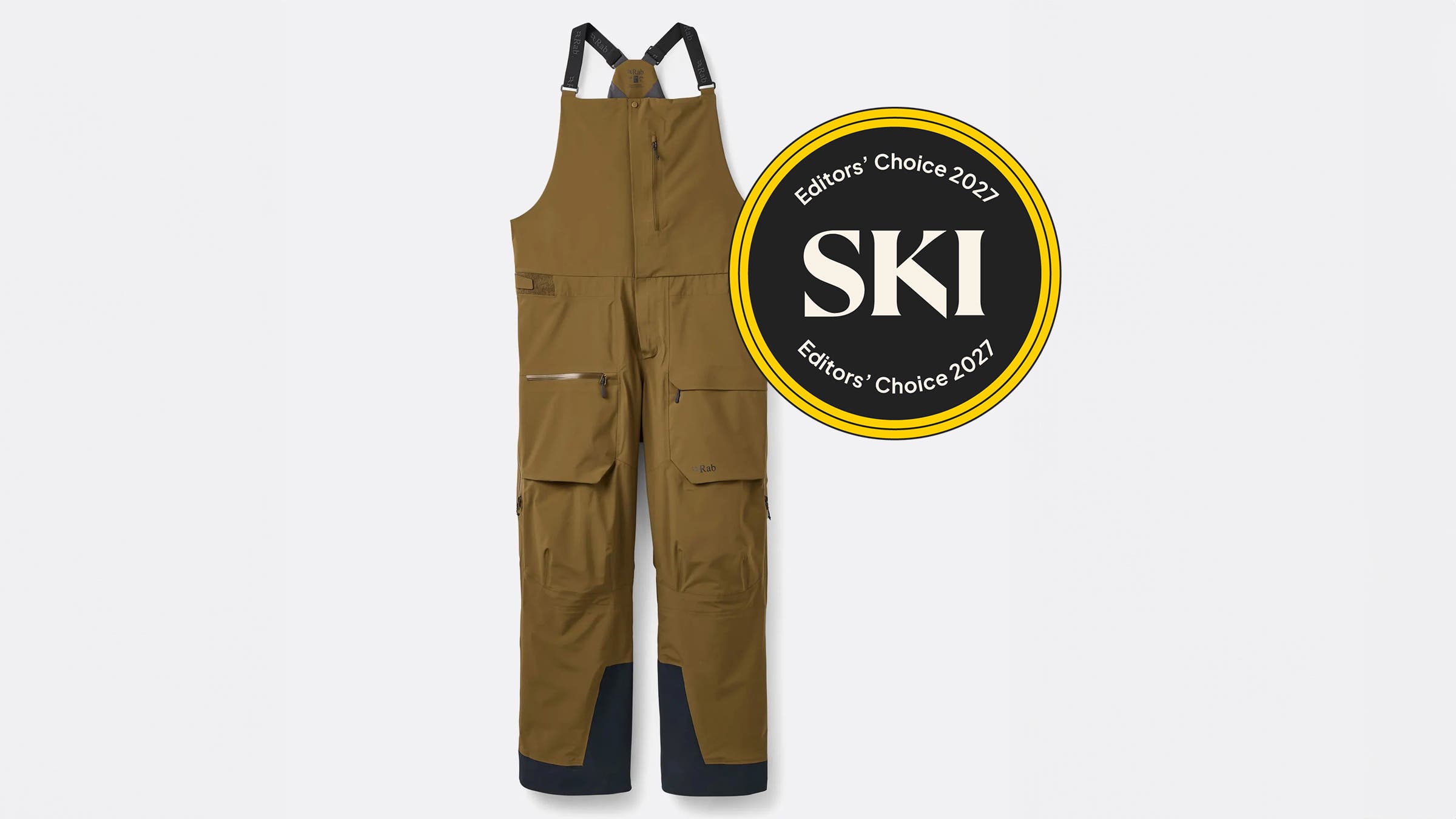
The 2026-2027 winter season marks a pivotal era in technical outerwear, as manufacturers increasingly prioritize the integration of sustainable materials with high-performance membranes to combat the challenges of unpredictable alpine weather. Following an exhaustive testing period spanning 430 days on snow, a panel of expert gear analysts has identified the premier men’s ski pants and bibs currently available on the market. The testing cycle, which involved 32 unique models subjected to the rigors of resort skiing, backcountry touring, and extreme weather events, culminated in the selection of the Rab Bigline Bib as the "Editors’ Choice" for its exceptional balance of articulation and protection. For budget-conscious consumers, the REI Co-op Powderbound Cargo Snow Pants were identified as the industry leader in value, offering reliable performance at a price point under $200.
The Evolution of Technical Outerwear Testing
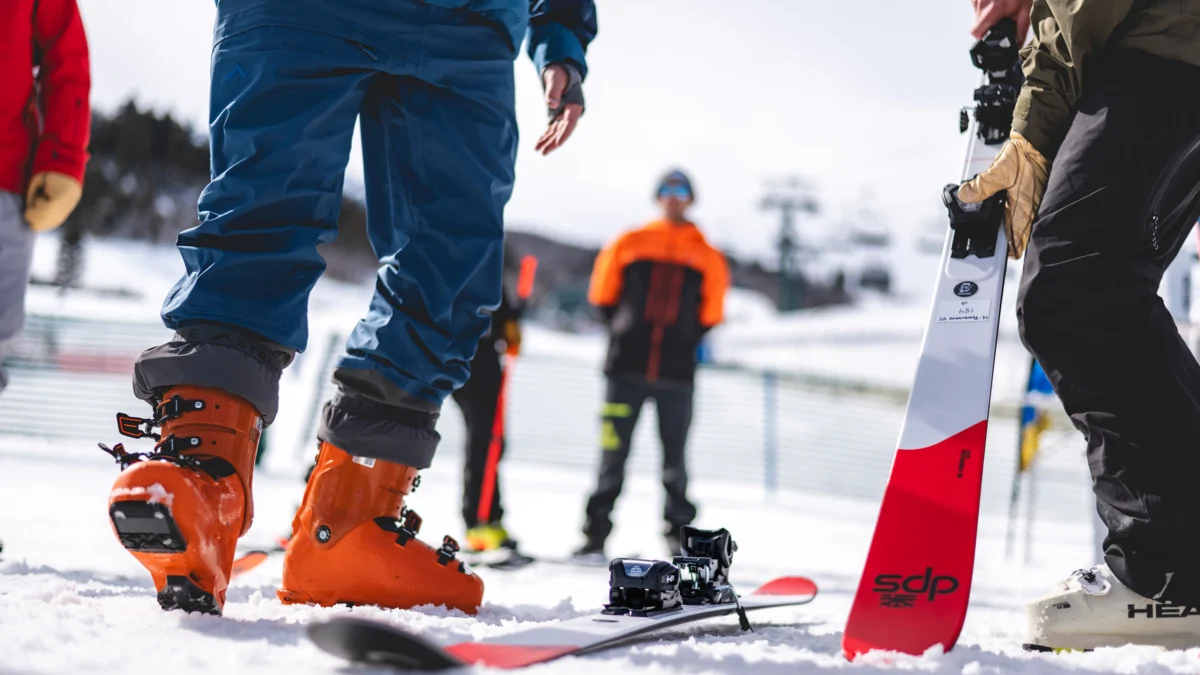
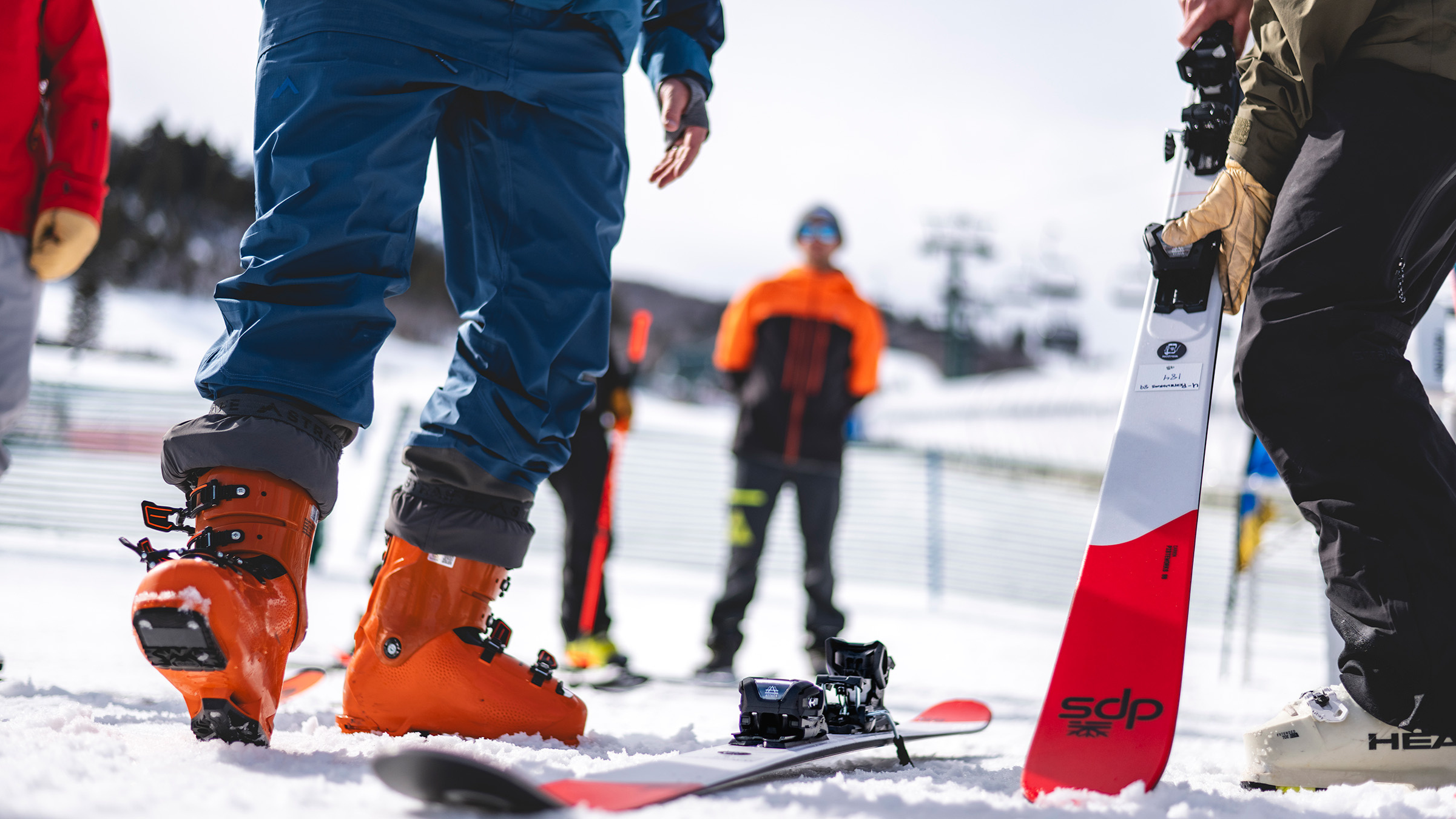
The evaluation process for the 2027 season was designed to simulate the varied demands of modern skiing, which has evolved into a "lower body sport" requiring high levels of mobility at the hips, knees, and ankles. Testers, including technical editors and industry veterans based in regions ranging from the Canadian Rockies to Salt Lake City, assessed each garment based on five primary metrics: waterproofing, breathability, thermal regulation, durability, and ergonomic fit.
The chronology of this testing phase began in late 2025 and continued through the peak of the 2026 season. Lead tester Ryan Stuart, technical editor at Ski Canada Magazine, noted that the testing environments were chosen to provide a "stress test" for waterproofing membranes, particularly in the humid, heavy snow conditions of the Pacific Northwest and the sub-zero temperatures of Quebec’s Mont-Sainte-Anne. This multi-year data collection ensures that the recommendations are not based on singular events but on sustained performance over time.
Top Performers in the Shell and Bib Categories
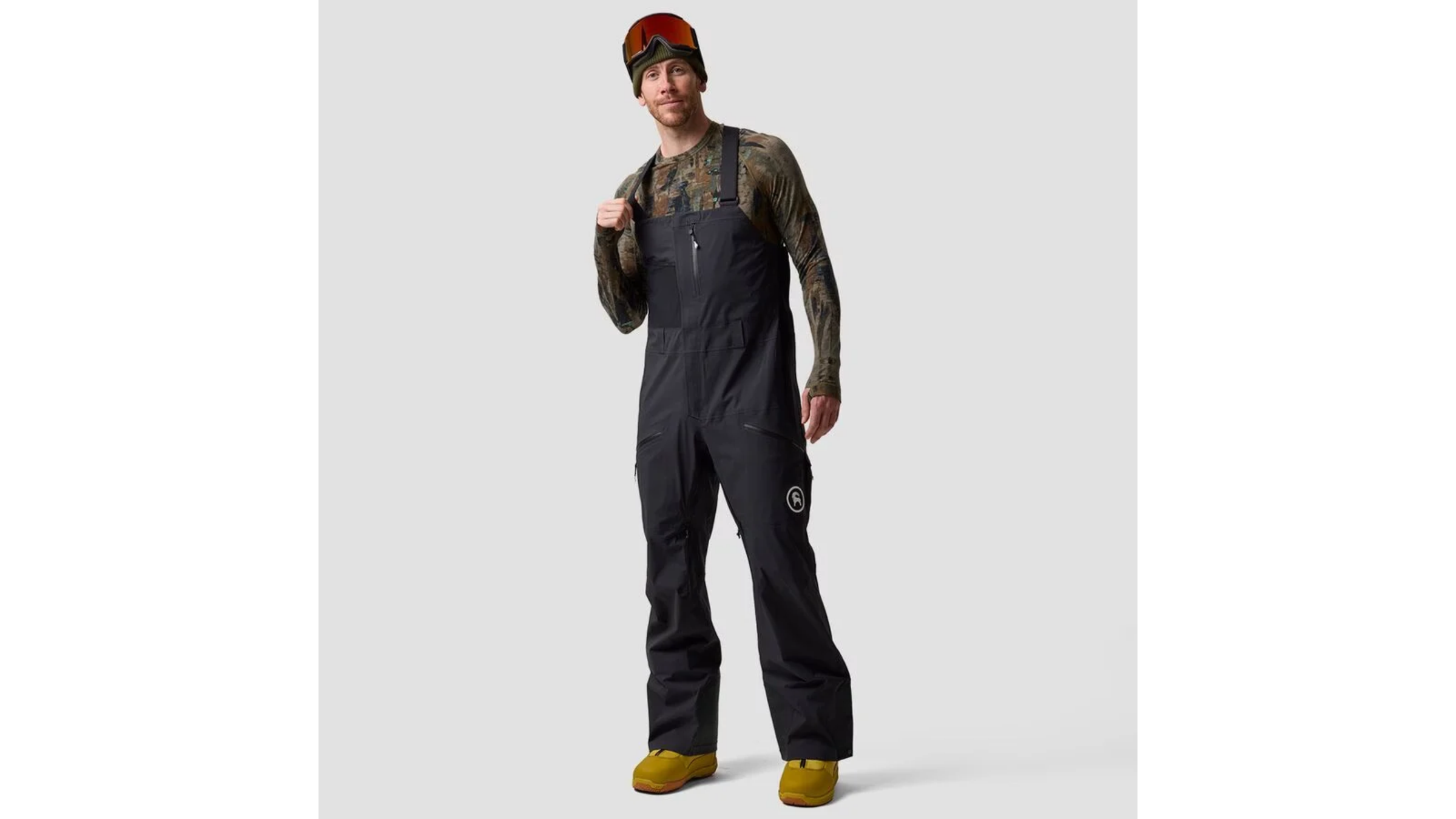
In the premium shell category, the Rab Bigline Bib emerged as the top-tier selection. Utilizing a 3-layer Pertex Shield membrane, the garment features a soft-touch backing and a durable face fabric designed specifically to repel the "coastal cement" common in maritime climates. The bib’s design includes a highly breathable polyamide upper and three distinct adjustment points, allowing for a near-custom fit that accommodates various layering strategies.
While the Rab Bigline Bib set the standard for versatility, the Norrøna lofoten Gore-Tex Pro Pants were recognized as the most durable option in the field. Built with Gore-Tex’s most robust Pro membrane and high-denier face fabrics, these pants are engineered for high-impact environments. Testing in the Sierra Nevada mountains revealed that the fabric acts as a nearly impenetrable barrier against wind and moisture, though the heavier construction results in a slightly less flexible profile than its competitors.
For those prioritizing weight and breathability—essential for backcountry missions—the Peak Performance Alpine Gore-Tex C-Knit 3L Shell Pants were designated as the "Lightest." The use of a knit Gore-Tex membrane allows for a more supple feel and improved moisture vapor transmission during high-output activities like skinning and bootpacking.
Advancements in Thermal Regulation and Insulation
As winters become more variable, the demand for sophisticated insulation has grown. The Patagonia Insulated Snowfarer Bibs were identified as the premier choice for cold-weather performance. Featuring Thermogreen recycled synthetic insulation, the bibs utilize a strategic mapping system that places extra warmth in the seat and thighs—areas most vulnerable to heat loss during chairlift rides—while maintaining a high-reach bib upper that functions similarly to a thermal vest.
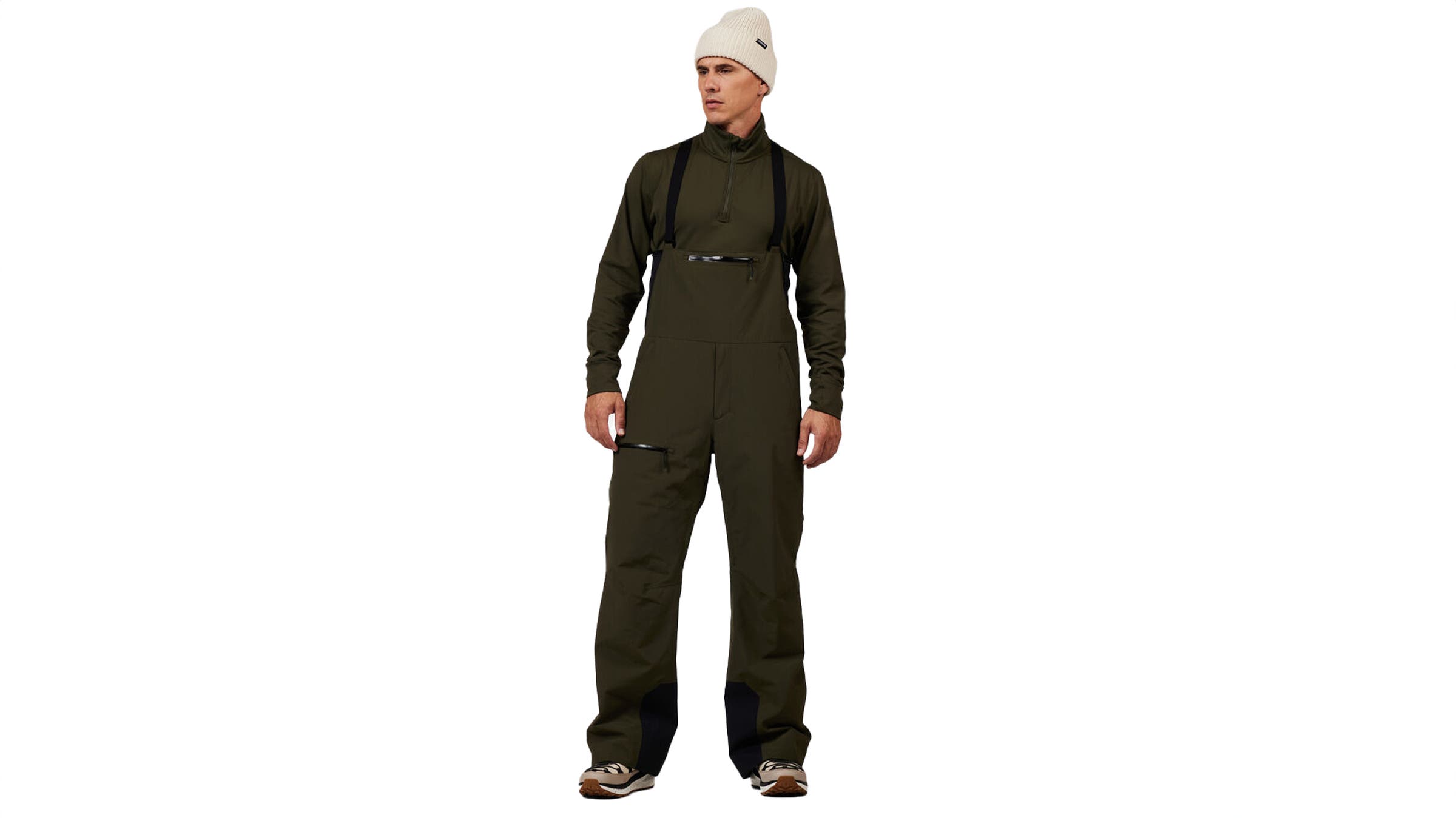
In the dedicated insulated pant category, the Stellar Insulated Shell Pants received high marks for their use of PrimaLoft Silver P.U.R.E. insulation. This material is notable for its reduced carbon footprint during production and its ability to maintain loft even when damp. Testers in Jackson Hole reported that the 60g/m insulation provided sufficient warmth for sub-zero temperatures without the bulk typically associated with traditional padded ski pants.
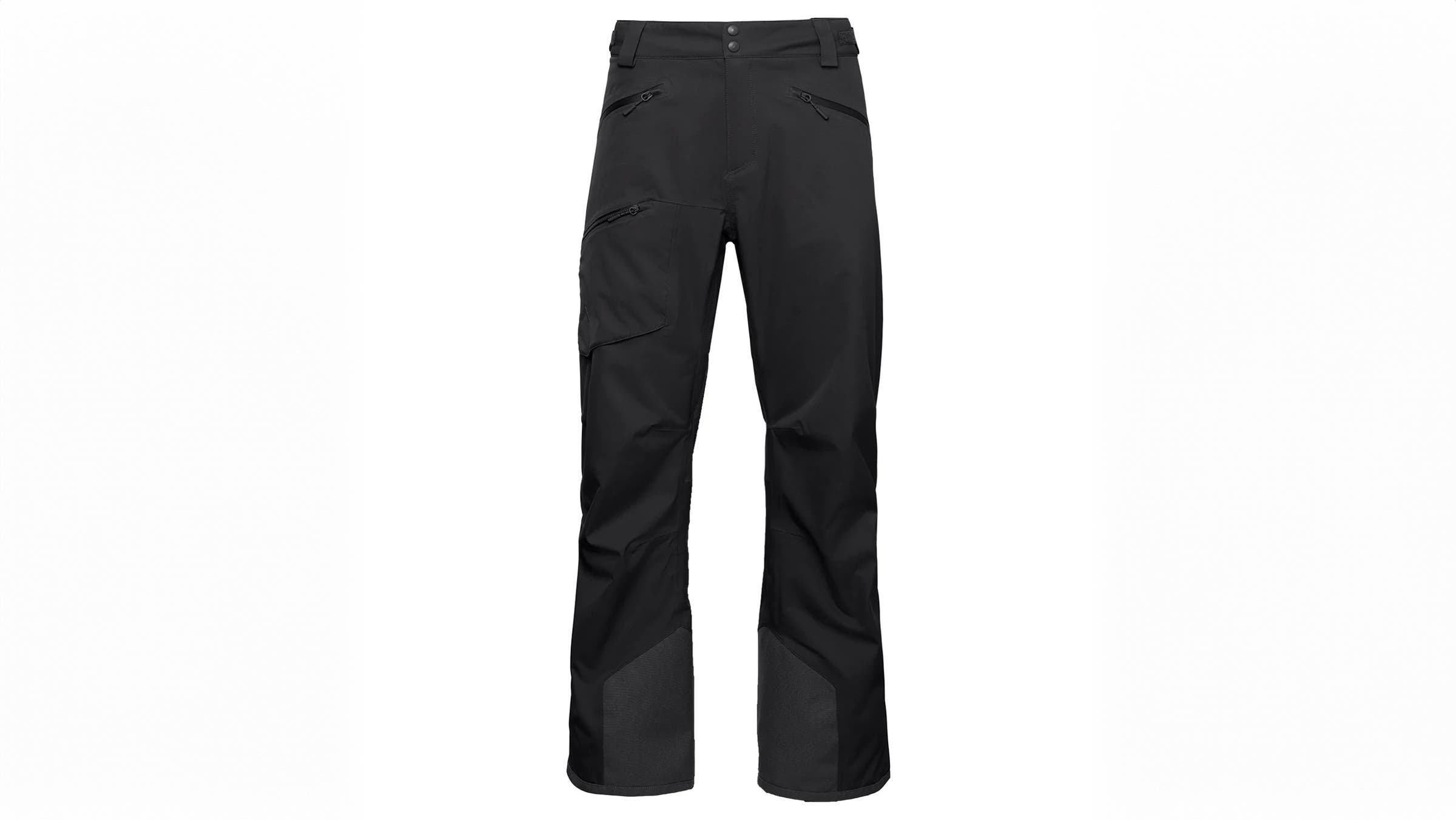
The Strafe Summit 2L Insulated Pant also performed well in the resort category, featuring a soft fleece-lined waistband and unlined inner-thigh vents that allow for rapid heat dumping. This model highlighted a growing trend in the industry: the "hybrid" approach, where garments provide enough insulation for frigid mornings but offer the ventilation necessary for sunny afternoon laps.
Specialized Solutions for Extreme Conditions and Value
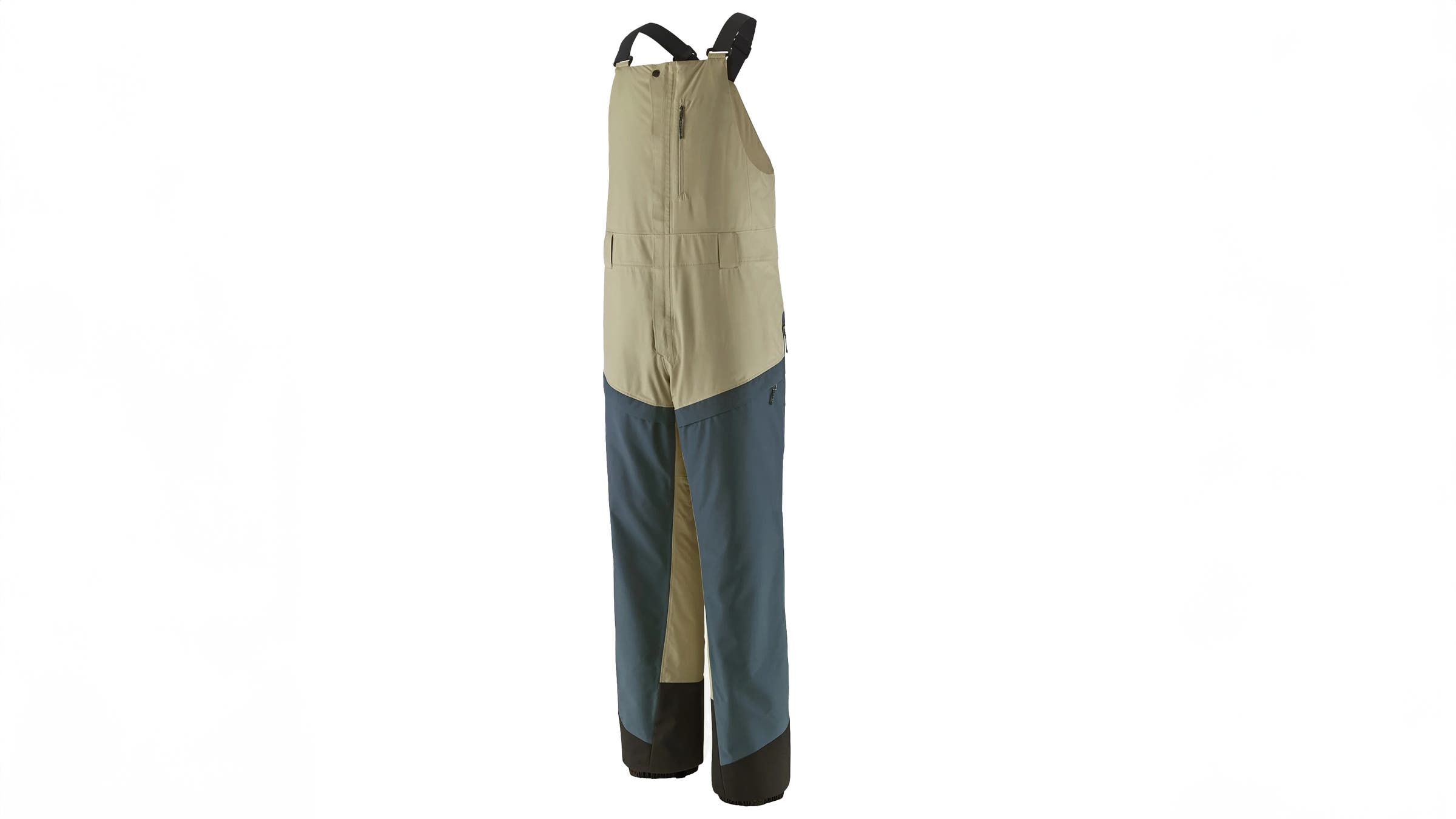
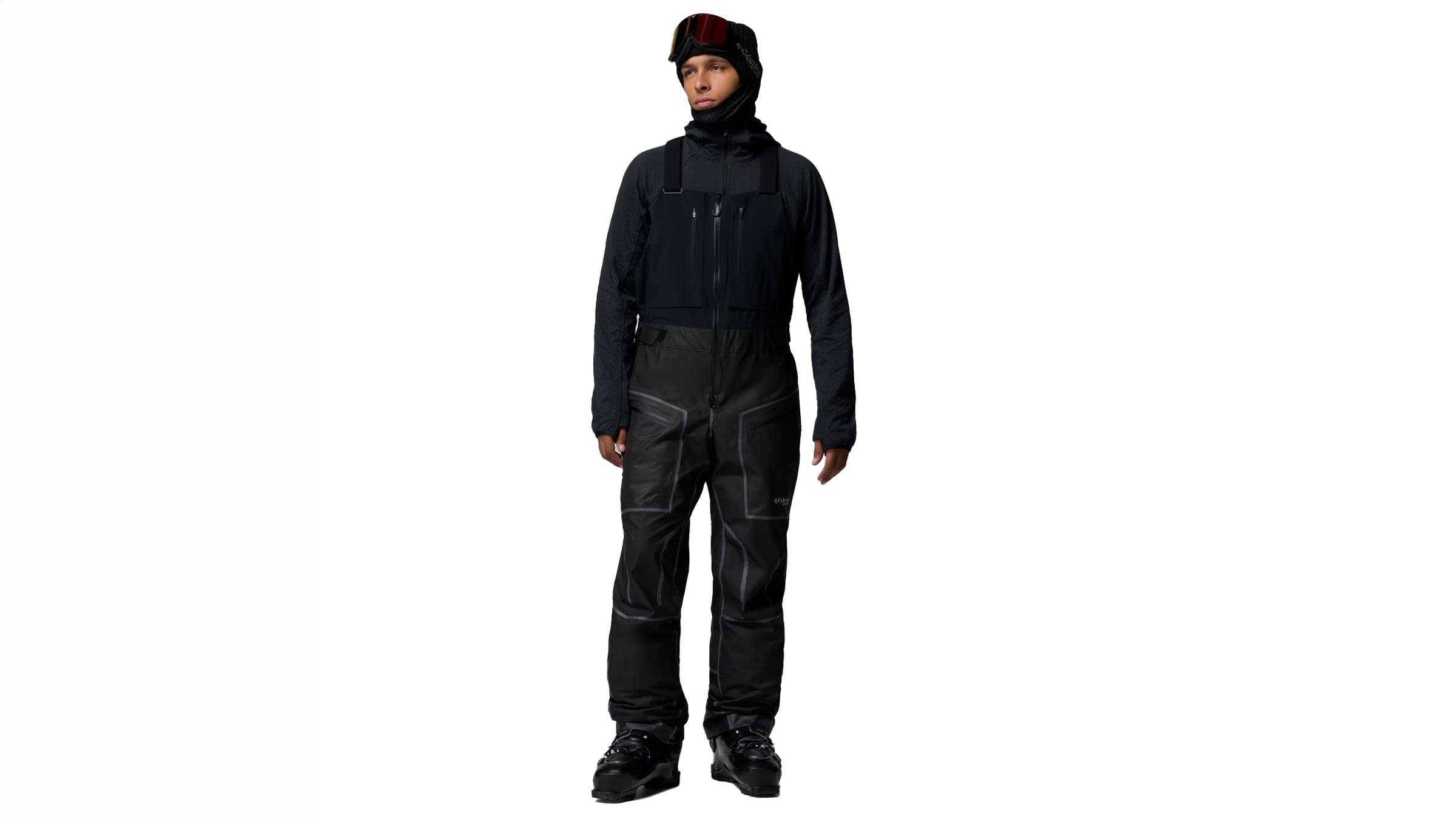
One of the most significant technical breakthroughs highlighted in this year’s test is the Columbia Citadell Mountain Shell Bib. Utilizing Columbia’s proprietary OutDry technology, the bib places the waterproof membrane on the exterior, eliminating the need for a face fabric that can "wet out" and become heavy. Field reports from Vancouver Island, a region known for rain-on-snow events, indicated that this design provided the highest level of waterproofing ever recorded by the test team.
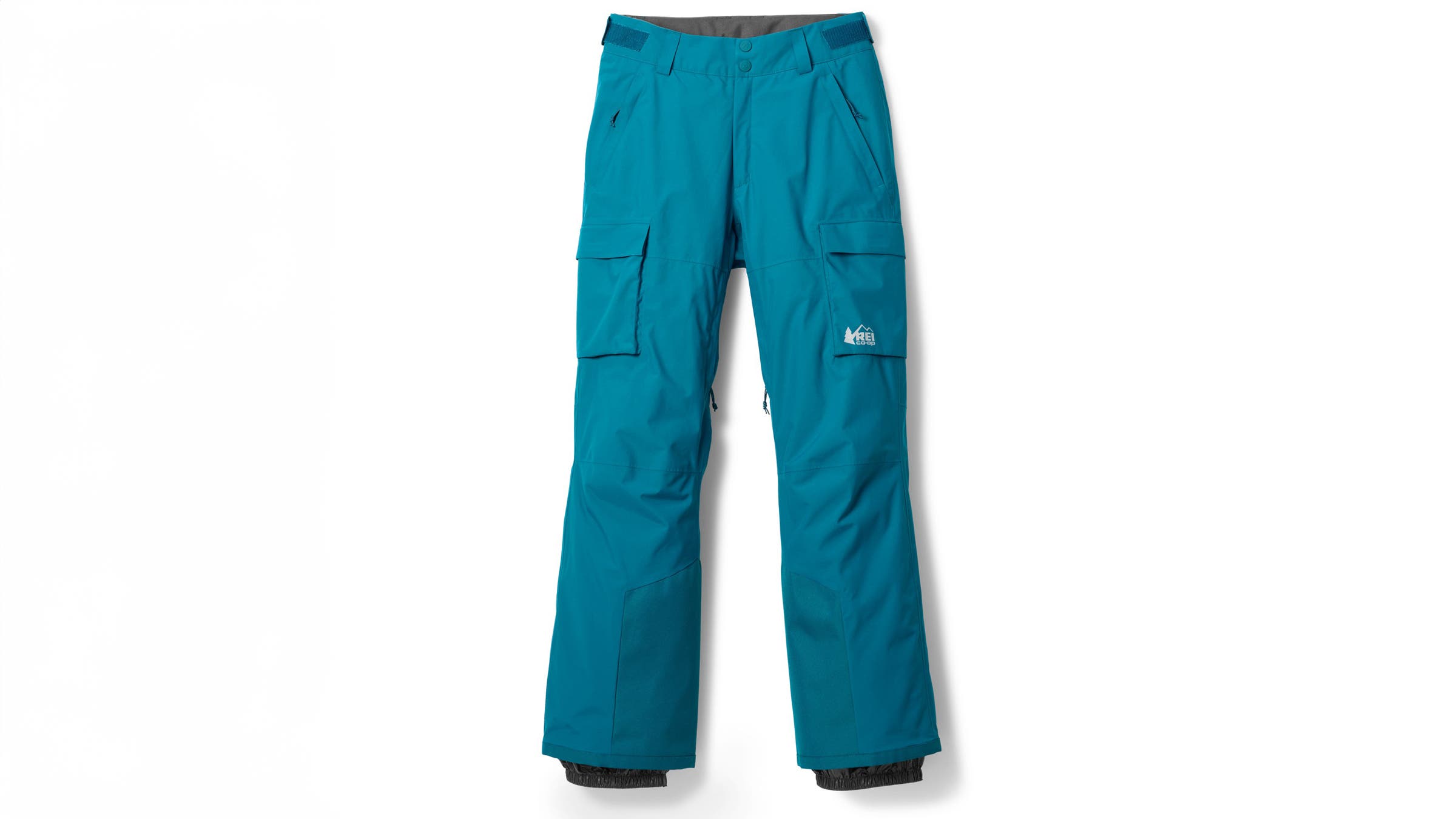
On the opposite end of the spectrum, the REI Powderbound Cargo Snow Pants proved that high-level protection does not always require a premium price tag. Despite costing less than $200, these pants feature a proprietary waterproof-breathable membrane and 40 grams of synthetic insulation. While they lacked the high-end breathability of Gore-Tex or Pertex, they were deemed more than sufficient for the average resort skier who prioritizes warmth and value.
Sustainability and Material Science Implications
The 2027 gear list reflects a broader industry shift toward environmental responsibility. Many of the top-rated products now incorporate recycled materials without sacrificing technical performance. For instance, the Vuori Taika Snow Pant utilizes a 100% recycled waterproof NetPlus 4-layer fabric, which is derived from recycled fishing nets. Similarly, the Mountain Hardwear Mythogen Gore-Tex Pro Bib—awarded "Best Backcountry Bib"—combines lightweight construction with sustainable material sourcing.
This trend is not merely a marketing maneuver but a response to consumer demand and the changing climate. Industry analysts suggest that the move toward PFC-free (perfluorocarbon-free) durable water repellent (DWR) treatments is now standard, and manufacturers are successfully developing alternative chemical structures that maintain the "beading" effect necessary for moisture management.
Buying Criteria: Essential Factors for the Modern Skier
The report outlines several mandatory features that consumers should evaluate before making a purchase.
- Waterproofing and Seam Sealing: A rating of 20,000mm is recommended for those skiing in wet or variable conditions. Fully taped seams are essential to prevent moisture ingress at the stitch lines.
- Breathability and Venting: High-output skiing generates significant internal heat. Venting zippers, particularly those with mesh backing, allow for temperature regulation while preventing snow from entering the garment.
- Durability Zones: Ski pants are subject to significant wear from metal ski edges and friction. "Cuff guards" or reinforced ankle patches made from high-denier fabrics like Cordura or Kevlar are critical for extending the lifespan of the gear.
- Ergonomics and Articulation: Modern designs favor articulated knees and gusseted crotches, which allow for a full range of motion without the fabric binding or pulling.
Broader Impact on the Winter Sports Market
The findings of this 430-day test suggest that the divide between "backcountry" and "resort" gear is narrowing. Modern bibs and pants are increasingly designed to handle both environments, offering the waterproofing required for chairlift sitting and the breathability needed for uphill travel.
The economic implications are also noteworthy. While premium bibs from brands like Norrøna or Mountain Hardwear can exceed $500, the performance of mid-range and value options from REI and Rossignol suggests that high-quality winter protection is becoming more accessible. However, the testing team warns that "wetting out" remains a primary concern for lower-priced 2-layer garments, emphasizing that those skiing in high-moisture environments may still find it necessary to invest in 3-layer shell technology.
As the 2027 season progresses, these ten selections represent the pinnacle of engineering in the outdoor apparel industry. By balancing the need for protection against the elements with the necessity of mobility and comfort, the current generation of ski pants and bibs ensures that skiers can remain focused on their performance rather than their equipment.
