

Published October 16, 2026 06:21AM
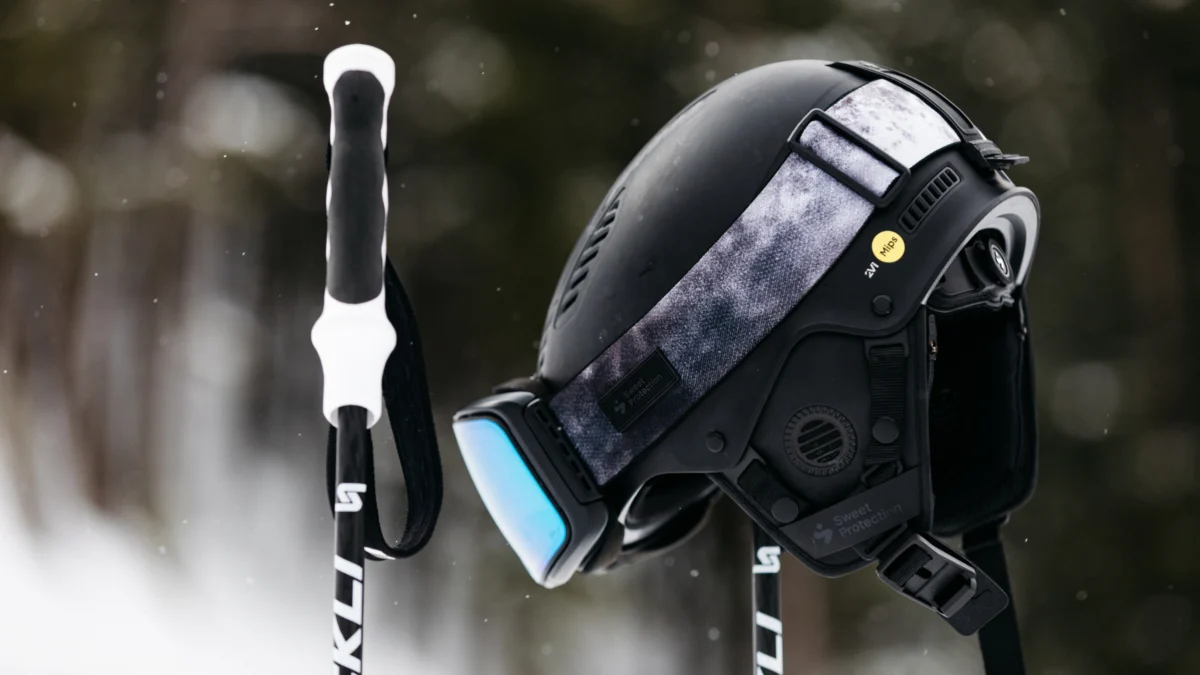
Protecting one’s head on the slopes is no longer merely recommended; it is an undeniable imperative. Fortunately, the evolution of ski helmet design over the past several decades has transformed headwear from a niche safety accessory into an indispensable piece of equipment, seamlessly blending advanced protection with comfort and style. The notion that one must compromise aesthetics for safety is long outdated, rendering any excuse for an uncovered dome obsolete in modern skiing and snowboarding.
Unlike the specialized quiver often accumulated for skis to suit varying conditions, a single, high-quality helmet typically serves the diverse needs of an entire winter season—from deep powder days in January to sun-drenched spring sessions in April. This versatility, however, places a heightened emphasis on selecting the right helmet, one that riders will be content to wear day in and day out, ensuring both safety and satisfaction throughout their mountain pursuits.
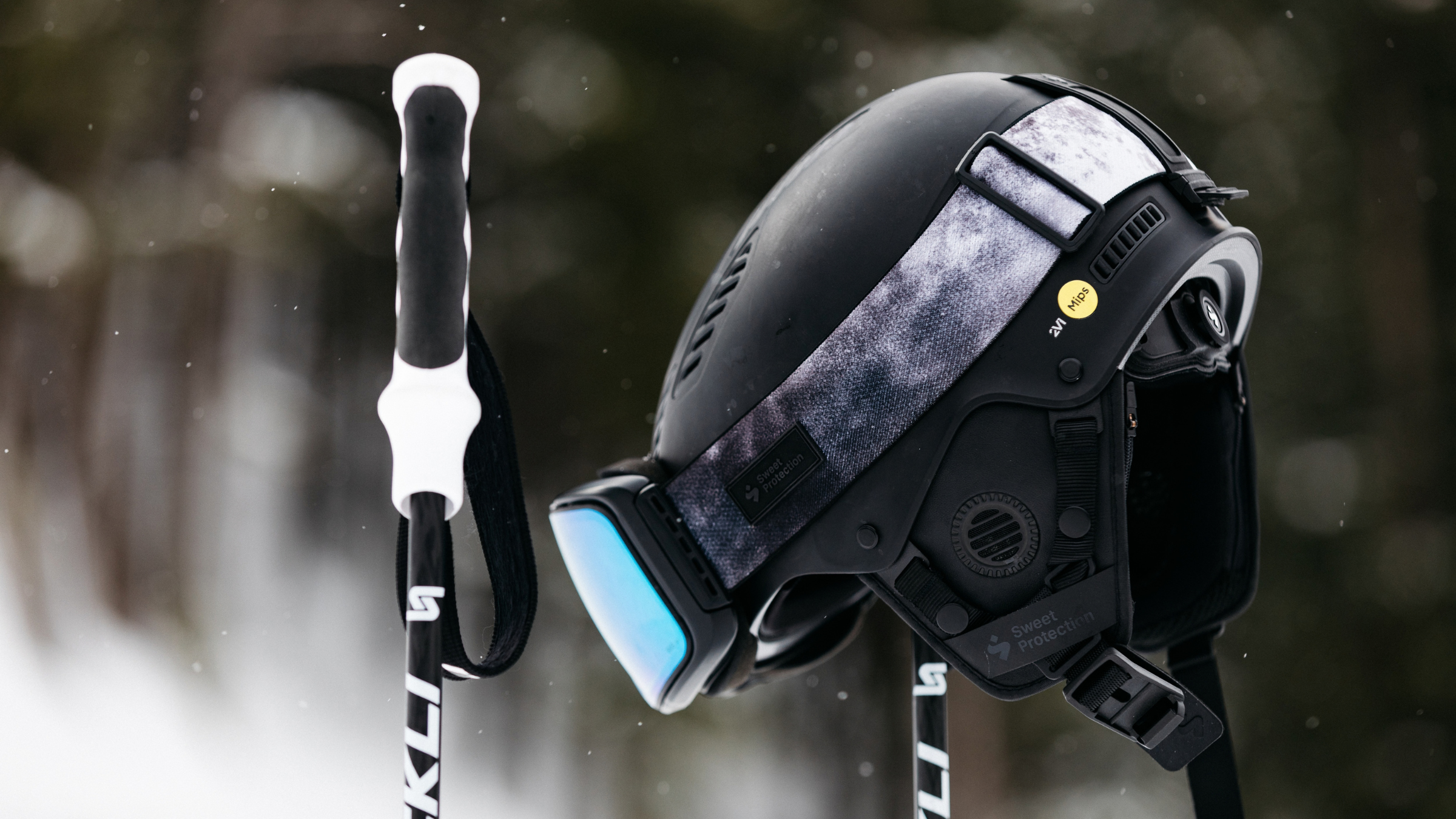
To guide consumers through this crucial decision, an expert team of testers embarked on an exhaustive evaluation during the previous season. Based in the formidable ranges of the Tetons, Sierra, and Cascades, with expansive testing grounds across North America and Europe, these specialists rigorously assessed 36 different helmets. Their comprehensive trials spanned the full spectrum of conditions: challenging resort storm days, demanding backcountry ski tours, and idyllic spring conditions. The culmination of this extensive research is the definitive ranking of the best ski helmets for the upcoming 2027 season, with the Sweet Protection Switcher 2Vi MIPS crowned as the best overall for its exceptional comfort, goggle compatibility, and superior ventilation. For those seeking outstanding value without compromising safety, the Smith Rodeo MIPS emerged as the top recommendation for its sub-$100 price point and commendable eco-friendly construction.
The Imperative of Head Protection: A Modern Standard
The significance of wearing a ski helmet cannot be overstated. According to studies from the National Ski Areas Association (NSAA), helmet use has dramatically increased over the past two decades, with adoption rates now exceeding 85% at U.S. ski resorts. This widespread acceptance is a direct response to growing awareness of traumatic brain injuries (TBIs) and the demonstrable effectiveness of helmets in mitigating their severity. While helmets cannot prevent all injuries, they are proven to significantly reduce the risk of head trauma, particularly in low-to-moderate speed impacts. The advancements in materials and design have moved far beyond simple foam shells, incorporating sophisticated multi-directional impact protection systems that address a wider range of potential accident scenarios.
Evolution of Helmet Technology: A Timeline of Safety
The journey of ski helmet design reflects a continuous pursuit of enhanced safety and comfort. Early ski helmets, often bulky and restrictive, offered basic impact absorption. The turn of the millennium marked a pivotal shift, with increased awareness campaigns and technological breakthroughs.
- Early 2000s: Basic hard-shell and in-mold construction became standard, offering improved protection and lighter weights.
- Mid-2000s: Ventilation systems became more sophisticated, moving from passive vents to adjustable mechanisms.
- 2010s: The introduction of MIPS (Multi-Directional Impact Protection System) revolutionized helmet safety. This innovative technology adds a low-friction layer inside the helmet, allowing it to slide relative to the head during an angled impact. This significantly reduces the rotational forces transferred to the brain, which are often responsible for more severe concussions and TBIs. MIPS quickly became an industry benchmark, leading many brands to integrate it or develop similar proprietary rotational impact protection systems.
- 220s and Beyond: Further material science advancements introduced lighter, stronger composites like Koroyd and proprietary technologies such as Atomic’s AMID and Sweet Protection’s 2Vi. Integration of smart features like Recco reflectors and NFC medical ID chips also became more prevalent, enhancing post-accident search and rescue capabilities.
This continuous innovation underscores the industry’s commitment to rider safety, ensuring that today’s helmets offer unprecedented levels of protection.
The 2027 Helmet Landscape: Key Findings from Extensive Testing
The 2027 season’s top ski helmets were rigorously evaluated across diverse terrains and conditions, from the challenging steeps of Jackson Hole and the expansive backcountry of the Tetons to the varied slopes of European resorts and the powder havens of Japan. The testing regimen scrutinized each helmet’s performance in terms of comfort, fit, ventilation, goggle compatibility, weight, and overall versatility, culminating in a refined selection for every type of skier and rider.
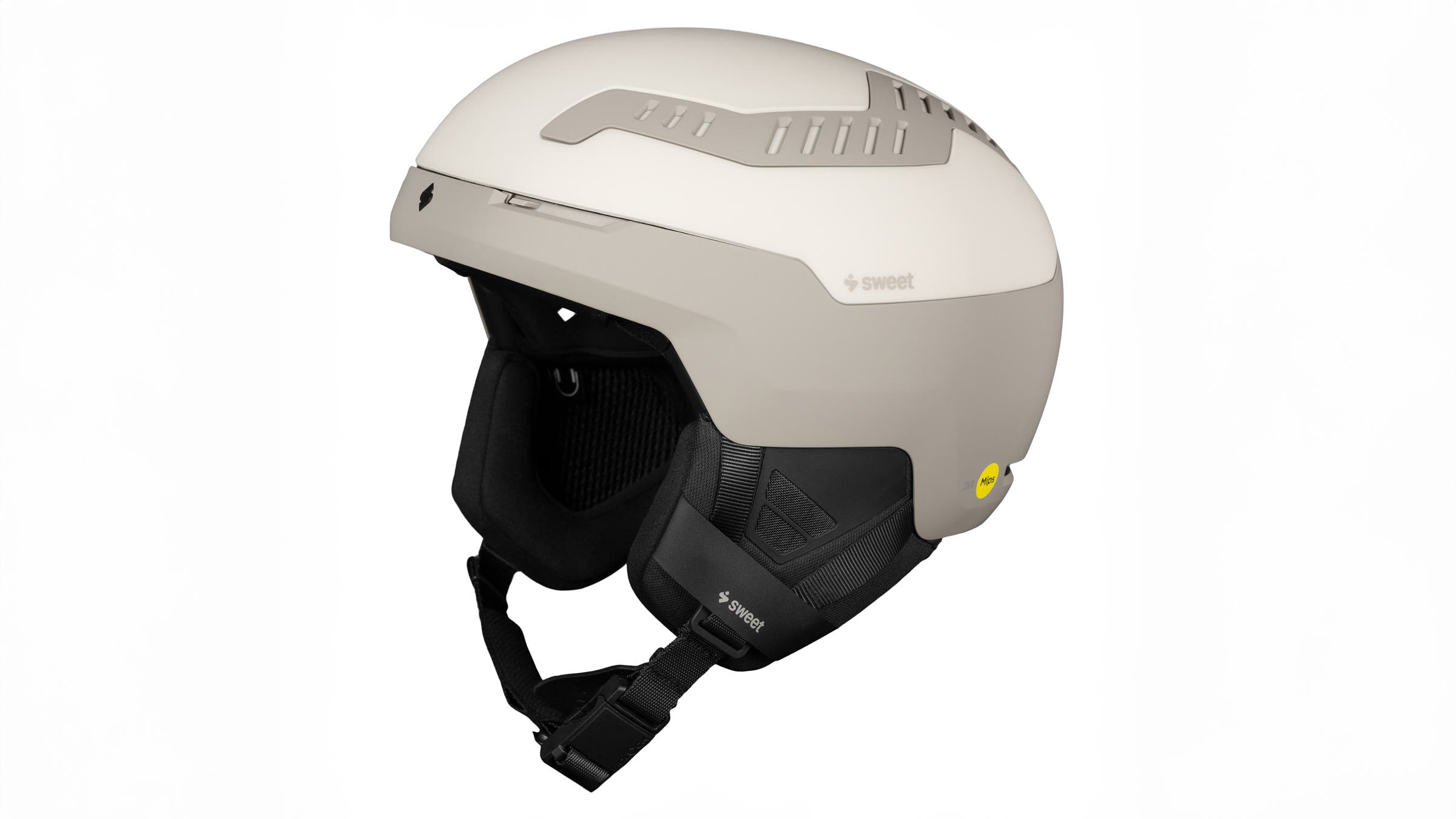
Best Overall: Sweet Protection Switcher 2Vi MIPS
- Sizes: Small/Medium, Medium/Large, Large/XL
- Weight: 560 g
- Key Technology: 2Vi, MIPS, Occigrip turn-dial
- Pros: Excellent venting, comfortable and adjustable fit, highly compatible with various goggles
- Cons: Ear pads were deemed too thick by some testers
The Sweet Protection Switcher 2Vi MIPS stood out as the undisputed champion, earning unanimous praise for its balanced blend of features and performance. Testers lauded its comfortable fit, outstanding ventilation, and remarkable versatility, proving equally adept at resort cruising and demanding backcountry expeditions.
At the core of the Switcher 2Vi MIPS lies Sweet Protection’s advanced 2Vi platform. This proprietary safety architecture integrates a sophisticated shock-absorbing inner structure with strategically placed impact shields, meticulously engineered to dissipate energy in areas most vulnerable to high-impact forces. The fit and comfort were consistently rated as ideal, facilitated by an easily accessible rear Occigrip turn-dial that allowed testers with varying head sizes to achieve a precise, snug fit. The ear pads, while occasionally noted for their bulk, were straightforward to remove, offering adaptability. The helmet’s sleek profile allowed it to slide effortlessly under a jacket hood during blustery lift rides, a testament to its thoughtful design. Ventilation, a critical factor for comfort, was top-tier, featuring interconnected top and front vents that could be opened or closed, a feature particularly appreciated during warmer spring skiing at Grand Targhee Resort. One tester, after a winter traveling to Japan and Europe, encapsulated its appeal: "If I was heading out on an international ski trip and could only bring one helmet, this is what I’d bring."
Best Value: Smith Rodeo MIPS
- Sizes: S-XL
- Weight: 550 g (medium)
- Key Technology: MIPS (optional), Round Contour fit, Recycled materials
- Lab Score, Cooling: 5 (Static Air); 4 (Wind)
- Pros: Exceptional price point for a MIPS helmet, most eco-friendly tested
- Cons: Vents are non-closable, plastic goggle holster and chin buckle felt somewhat flimsy
Finding a MIPS-equipped helmet at approximately $100 is a rare achievement, making the Smith Rodeo MIPS a remarkable discovery for budget-conscious consumers. Testers unanimously hailed it as an "all-rounder," commending its adaptability from park laps to backcountry tours. Its lightweight construction and distinct style were also frequently highlighted.
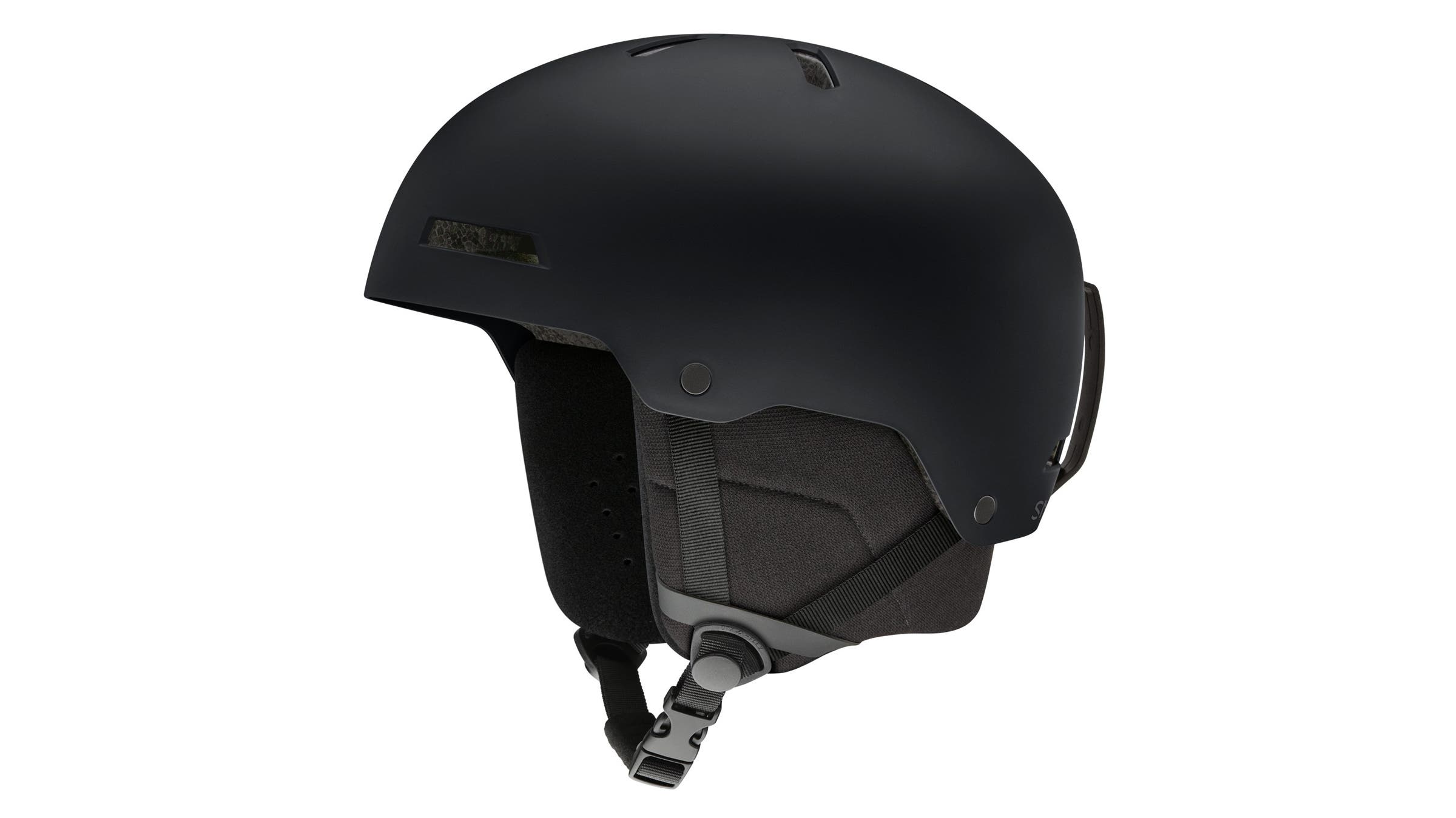
Despite its specific "Round Contour fit" designed to alleviate pressure points for rounder heads, even testers with more oval head shapes reported no discomfort, attributing this to its generous adjustability and a spacious, high-cut injection-molded ABS shell. This shell material is celebrated for its heavy-duty impact resistance and durability against denting. A significant environmental advantage of the Rodeo is its construction from a majority of recycled materials, positioning it as the most eco-friendly option in the test. Its low-profile, retro BMX-inspired aesthetic appeals to riders prioritizing style without sacrificing essential safety. The ear pads are easily removable, catering to warm conditions or park riders who prefer goggles worn underneath. While equipped with 10 well-sized, fixed vents, the inability to close them was noted as a minor drawback during blizzards. The Rodeo consistently paired well with the currently trending oversized goggle styles.
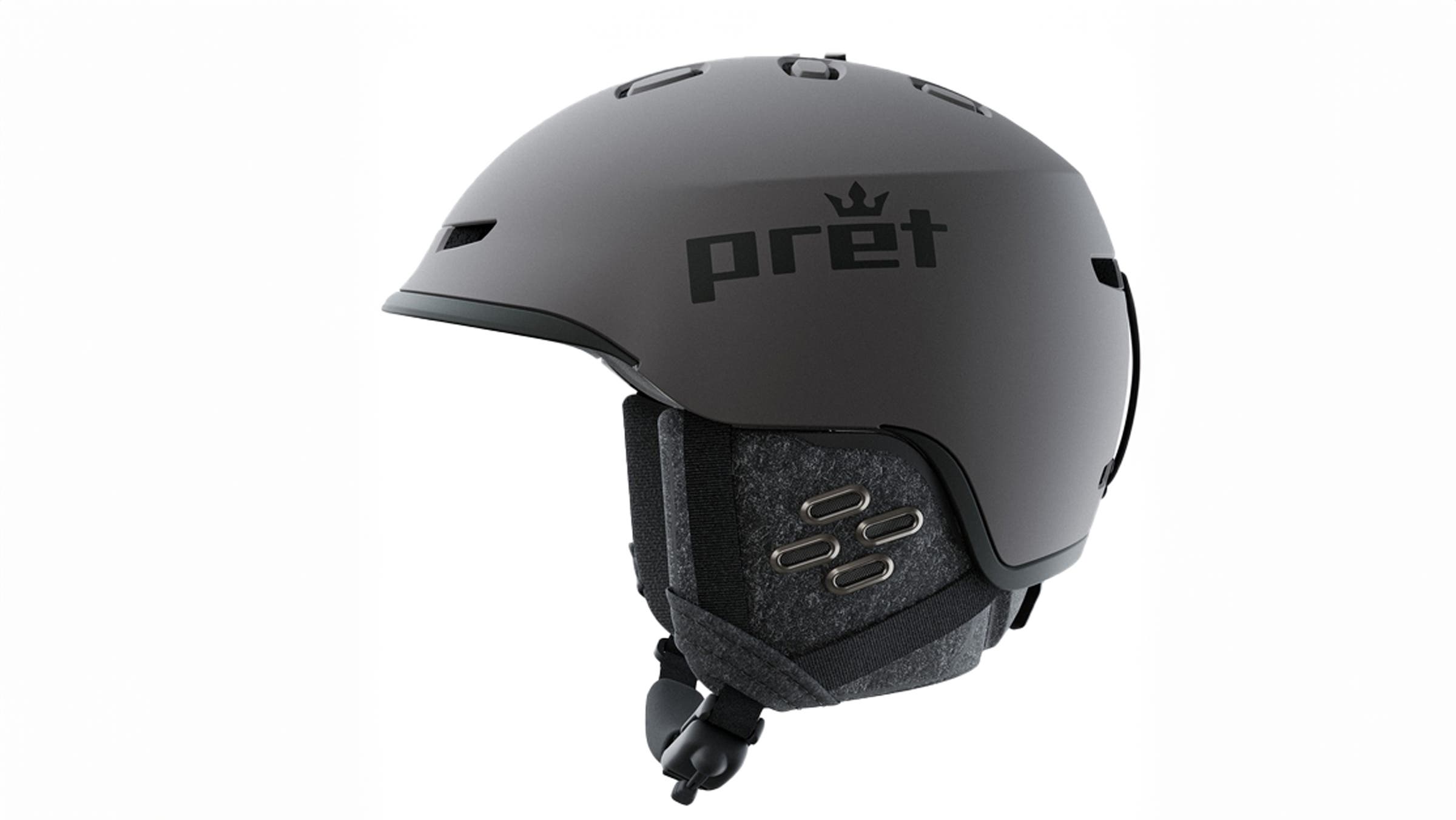
Most Comfortable: Pret Cynic 2 MIPS and Lyric 2 MIPS
- Sizes: S-L
- Weight: 417 g
- Key Technology: MIPS, Ripcord 360 Fit
- Pros: Magnetic buckle operable with gloves, cozy removable ear grommets, easily adjustable vents
- Cons: Distinctive aesthetic might not suit all preferences
For riders prioritizing unparalleled comfort, the updated Pret Lyric 2 (and its male counterpart, the Cynic 2) consistently emerged as the top choice. One tester, after a particularly blustery day at Crystal Mountain, Washington, declared, "So comfy, I almost drove home in it."
The helmet’s plush ear grommets provided a welcome refuge from biting cold, while a single, intuitive lever allowed for rapid opening of front and upper vents, ensuring optimal airflow on warmer days. The ear grommets are also fully removable, catering to personal preference or spring conditions. A standout feature universally praised was the chin strap’s magnetic buckle, which offered a satisfyingly secure "click" and effortless operation even with gloves on. "I’m not sure why every helmet ever doesn’t have the magnetic buckle," remarked a Wyoming tester, deeming it a "must-have." While Pret helmets are known for their signature look and vibrant, contrasting colors, which some riders adore, a few testers who preferred a more understated aesthetic found it "a little much."
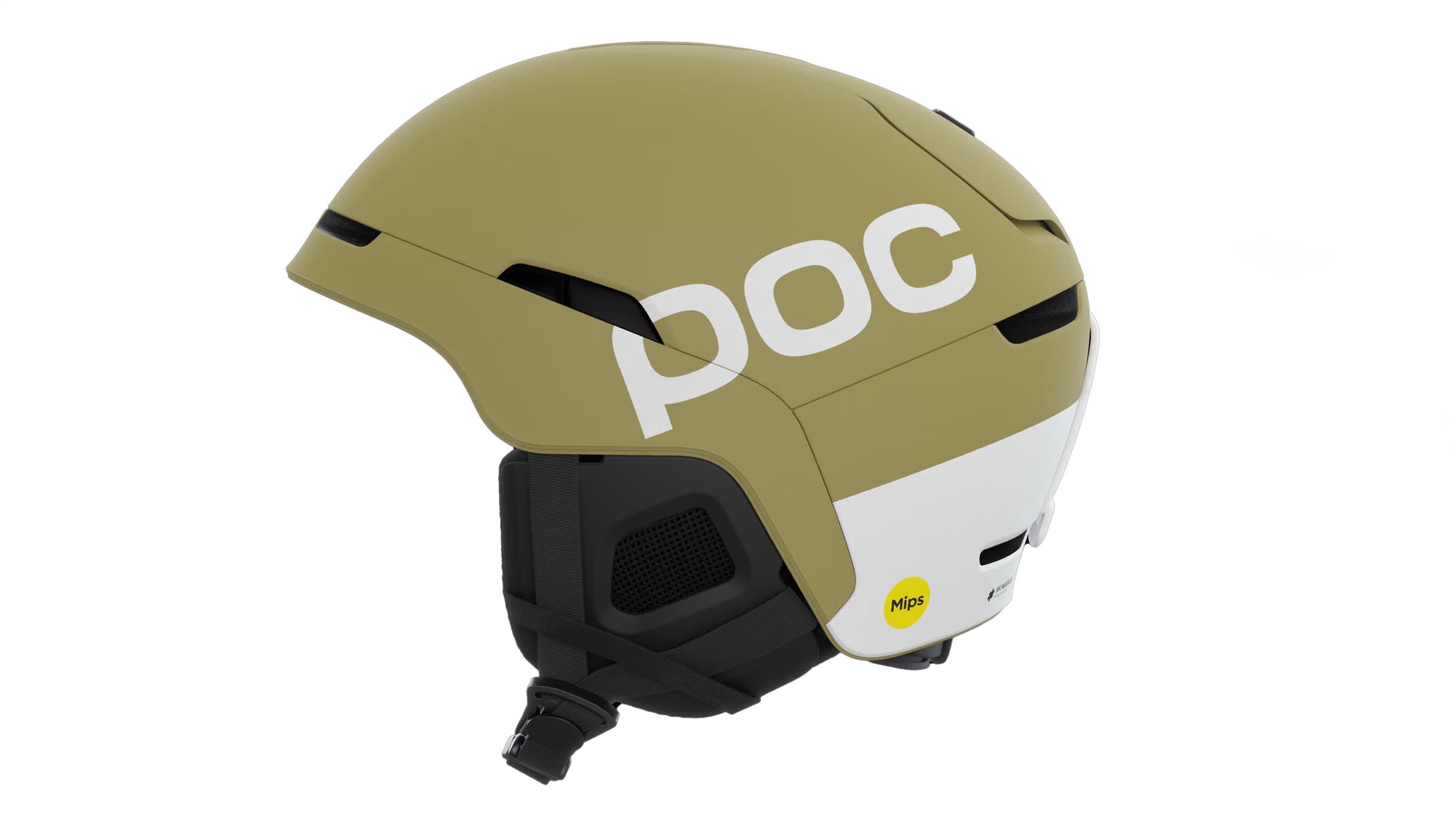
Most Versatile: POC Obex BC MIPS
- Sizes: XS/Small, Medium/Large, XL/XXL
- Weight: 530 g
- Key Technology: MIPS Evolve, Recco, Twiceme NFC Medical ID
- Pros: Extremely comfortable, unique rescue technology
- Cons: High price point, relatively heavier
The POC Obex BC MIPS demonstrated exceptional versatility, performing admirably both within resort boundaries at Jackson Hole Mountain Resort and on backcountry excursions in Teton Pass. Testers appreciated its comfortable fit, comprehensive coverage, and user-friendly venting, with one noting, "This is a pretty ideal one-helmet solution."
While technically classified as a backcountry helmet, its weight suggested it was more suited as a robust everyday resort helmet with touring capabilities. At 530g, it was among the heavier helmets tested, making it less ideal for extensive, long-distance tours. However, its solid, protective feel was perfect for "lapping the tram" at Jackson Hole, yet it still slid easily into a helmet carry for shorter bootpacks. A truly distinctive feature of the Obex BC is the Twiceme NFC Medical ID. This integrated chip allows users to store vital emergency contact and medical information, which can be accessed by rescuers in the field via a smartphone. While ideally a feature never utilized, this proactive safety measure received strong approval from testers. The $300 price tag, while significant, is justified by the inclusion of advanced safety technologies like MIPS, Recco, and the integrated medical ID system, presenting a compelling case for investing in potentially life-saving features.
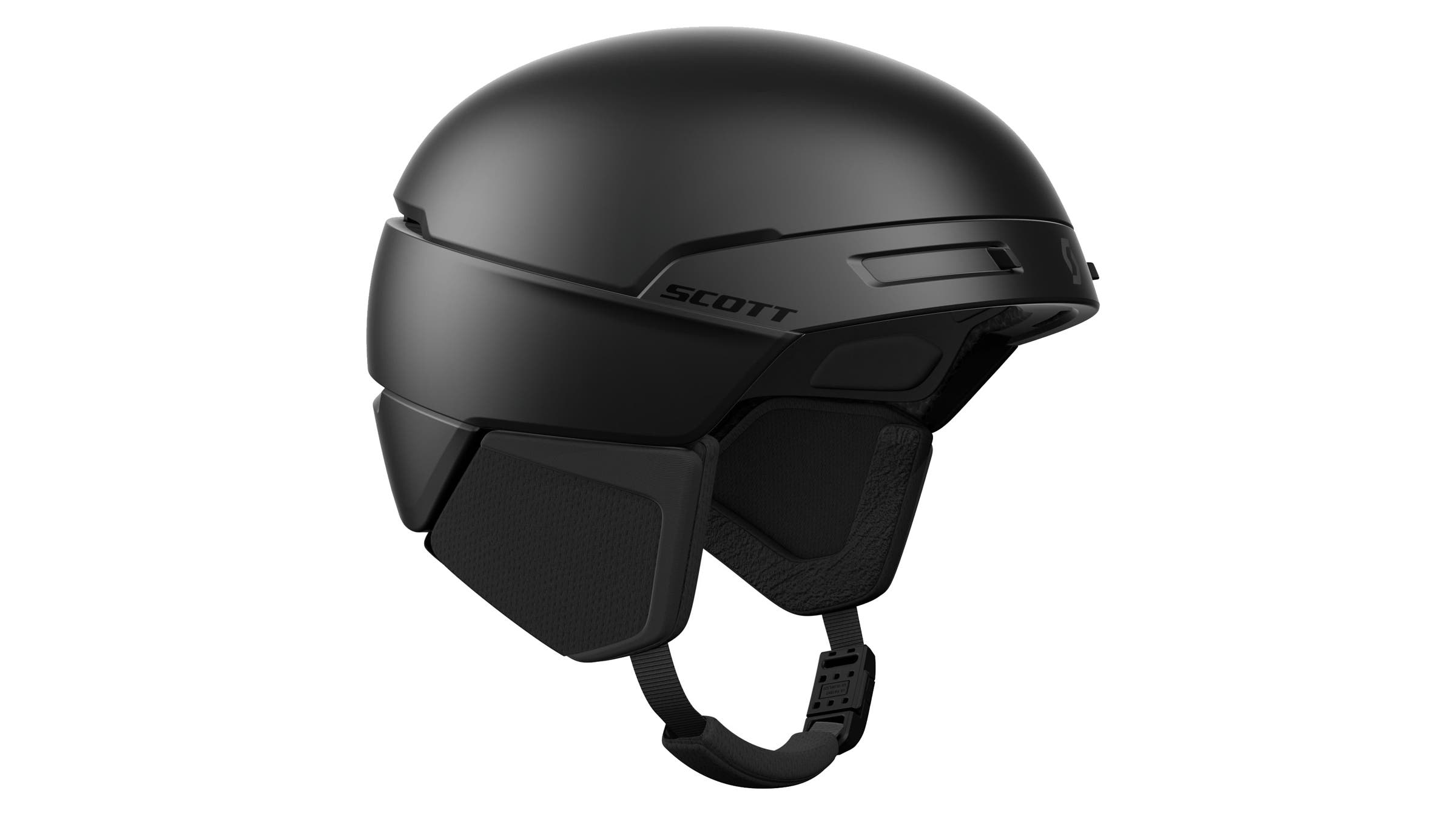
Best Fit: Scott Flow Pro MIPS
- Sizes: S-L
- Weight: 506 g (medium)
- Key Technology: MIPS, 360 Pure Sound Tech, Recco
- Lab Score, Cooling: 4 (Static Air); 2 (Wind)
- Pros: Super comfortable thin yet cushioned liner, excellent moisture management, clean streamlined style
- Cons: Could benefit from more upper venting
In a field where many helmets can cause pressure points, the Scott Flow Pro MIPS distinguished itself with an incredibly comfortable and precise fit. Its sparse yet effective internal padding provided an ultra-comfortable experience across varied conditions, from intense storm days at Alta to sunny spring skiing at Mammoth. This well-cushioned lid conformed seamlessly even to oval-shaped heads, avoiding any common pinching or squeezing issues.
The thinly padded ear covers were designed to allow sound in more effectively than many competitors, enhancing situational awareness. The thermoregulating liner material efficiently managed moisture, preventing overheating. However, while effective, some testers desired more vents, particularly on the top. The single adjustable vent is located on the front rim, leading one tester to quip, "Not sure why it’s called the Flow helmet. It’s got minimal venting," though another conceded that "the vents were small but effective." The clean, streamlined aesthetic was also appreciated by those preferring an understated look.
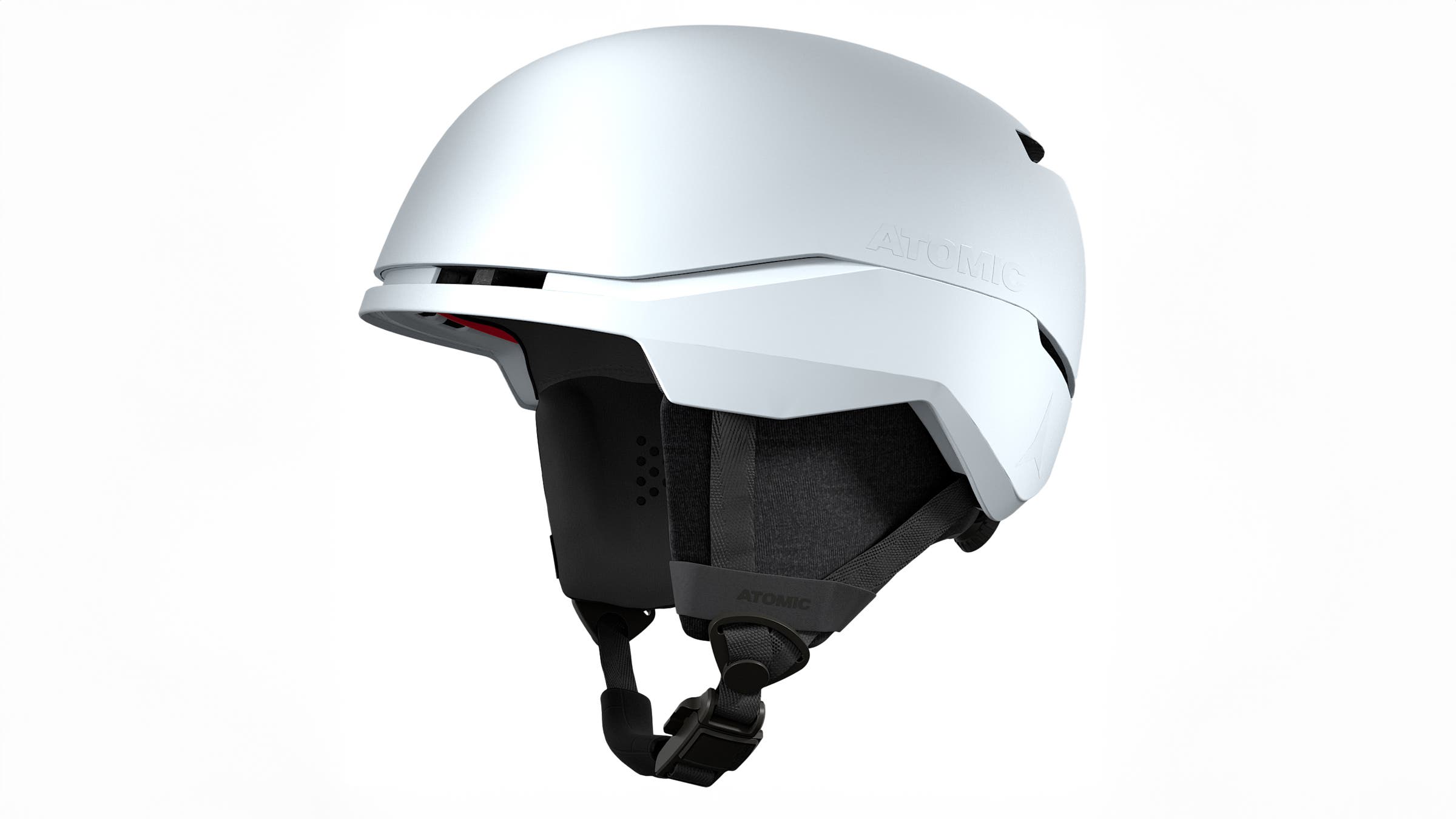
Best for Backcountry: Atomic Four Amid Pro
- Sizes: S-XL
- Weight: 380 g
- Key Technology: AMID, Holo Core, 360° Fit System
- Pros: All-day comfort, classic aesthetic, lightweight yet durable
- Cons: Non-removable ear flaps, minimal venting
The Atomic Four Amid Pro Helmet garnered exceptional praise from testers, revealing why it is the helmet of choice for many athletes on Atomic’s freeski team. It’s not a helmet that relies on flashy features; rather, its appeal lies in its classic look, comfortable fit, and robust, reliable design.
As the lightest helmet in the test at a mere 380g, and with a sleek profile that integrated effortlessly into a backpack or helmet carry system, the Four Amid Pro became the go-to choice for backcountry enthusiasts. It incorporates Atomic’s proprietary AMID (Atomic Multi-directional Impact Deflector) impact protection and Holo Core design—an innovative crumple zone engineered to dissipate forces effectively during a fall, ensuring comprehensive safety. The 360° Fit System allowed for easy adjustments via a rear dial, accommodating hats or gaiters without compromising fit. Testers reported "as comfortable on long bootpacks as tram laps." While it features only eight small, fixed vents, the helmet’s lightweight construction was noted for its surprising ability to manage heat buildup effectively. The primary complaint centered on the ear flaps being integrated into the washable, but fully removable, liner. Many testers wished for independent ear pad removal, with a few resorting to modifying the liner for enhanced airflow.
Best Ventilation: Smith Vantage 2 MIPS
- Sizes: S-XL
- Weight: 550 g (medium)
- Key Technology: MIPS, Koroyd, AirEvac, BOA 360 Fit System
- Pros: Outstanding venting, comfortable fit, extensive size range
- Cons: High price point
An evolution of one of Smith’s most successful helmets, the Vantage 2 MIPS profoundly impressed testers with its refined aesthetic, inherent comfort, and, most notably, its exceptional ventilation capabilities. "It’s almost like a convertible for your head," remarked one tester after an unexpectedly warm 50-degree ski day at Jackson Hole Mountain Resort.
The helmet features intuitive dual vent switches, allowing for independent opening and closing of top and side vents, even while wearing gloves—a functionality explicitly confirmed by testers during active skiing. This intricate ventilation system delivered the best airflow among all tested helmets, providing unparalleled versatility for fluctuating conditions throughout the season, from slushy spring days to cold January blizzards. A durable Koroyd shell contributes to its sleek, lightweight protection, suitable for resort skiing, cat skiing, and occasional ski tours. The integrated BOA dial at the rear facilitated precise micro-adjustments, and the goggle loop was designed for easy unhooking without removing gloves. The Vantage 2 sits at the higher end of the price spectrum due to its advanced technologies like MIPS and Koroyd, which optimize energy absorption and mitigate injury risk. While potentially a consideration for budget-conscious skiers, the premium fit, comfort, and advanced safety features offer significant value.
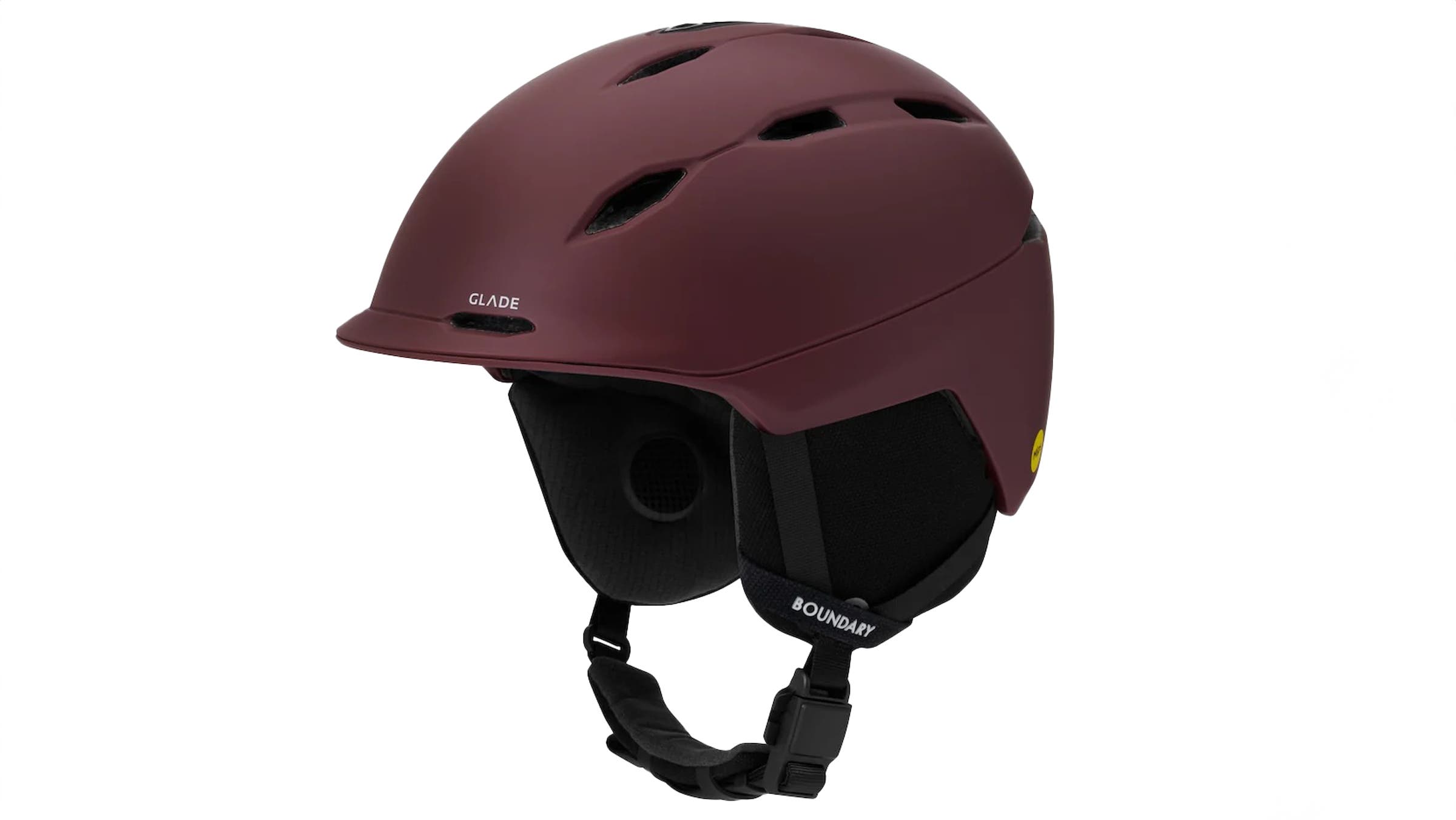
Best for Beating Gaper Gap: Glade Boundary MIPS
- Sizes: S-L
- Weight: 436 g
- Key Technology: MIPS, Fidlock chinstrap
- Pros: Seamless goggle integration, multiple independent venting ports, magnetic chinstrap buckle
- Cons: Less compatible with non-Glade goggles
The notorious "gaper gap"—the unsightly and uncomfortable space between the top of the goggles and the helmet—is more than just a style faux pas; it’s a source of frigid air invasion and potential "brain freeze." Testers were highly impressed with the Glade Boundary MIPS for its exceptional helmet and goggle integration, which created a seamless seal during resort hot laps.
The Boundary MIPS is engineered for perfect synergy with Glade’s own line of goggles, effectively eliminating forehead venting while offering ample and welcome top and side ventilation for spring conditions. The helmet’s independently operating vents aligned perfectly with Glade goggles, preventing fogging even on a humid 35-degree day at Grand Targhee, Wyoming. Another highly praised feature was the magnetic chinstrap, described by one Teton-based tester as a "must-have" and advocating for its mandatory inclusion on all helmets. The primary drawback identified was the helmet’s optimized integration with Glade goggles, which limited seamless compatibility with other goggle brands, leading some testers to feel "boxed in" to their goggle choice.
Understanding Impact Protection Technologies and Safety Standards
Beyond the MIPS system, which provides a low-friction layer to reduce rotational forces, several manufacturers have developed proprietary technologies to enhance impact protection:
- Sweet Protection’s 2Vi: This platform focuses on optimizing helmet geometry, shell thickness, and liner density, alongside integrated impact shields, to create a multi-density shock-absorbing structure.
- Atomic’s AMID and Holo Core: AMID (Atomic Multi-directional Impact Deflector) uses a dual-density foam system that moves relative to the head during angled impacts, similar to MIPS, but integrated differently. Holo Core is a unique "crumple zone" construction that maximizes impact absorption across a larger surface area.
- Smith’s Koroyd: This material, resembling a honeycomb structure, provides superior energy absorption with minimal weight and excellent breathability. It crushes uniformly on impact, significantly reducing transmitted forces.
All reputable ski helmets adhere to stringent safety certifications, primarily ASTM F2040 (North America) and CE EN1077 (Europe). These standards define the minimum requirements for impact absorption, penetration resistance, and strap integrity. When purchasing a helmet, verifying these certifications is a fundamental step to ensure certified protection.
Selecting Your Helmet: A Comprehensive Buyer’s Guide
Choosing the ideal ski helmet involves more than just aesthetics; it’s about a perfect blend of safety, comfort, and functionality tailored to individual needs and preferences.
Fit and Sizing: The Cornerstone of Safety
A proper fit is paramount for both safety and comfort. Helmets should feel snug but not uncomfortably tight, with no excessive movement when the chin strap is unfastened. There should be no pressure points. While online purchases offer convenience, trying helmets on in person is highly recommended to account for unique head shapes (round vs. oval). When buying online, accurately measure your head circumference just above the ears and eyebrows (most brands use centimeters). Modern helmets universally feature micro-adjustable dials at the back, allowing for fine-tuning of the fit. For optimal integration, especially to eliminate the "gaper gap," consider purchasing a helmet and goggles from the same brand, as they are often designed to work in tandem.
Ventilation and Temperature Regulation
The ability to manage head temperature is crucial for comfort across varying conditions. Look for helmets with adjustable vents, allowing you to open them on warm days and close them during cold, windy conditions or snow. Some helmets feature sophisticated active ventilation systems, while others have simpler passive vents. The liner material also plays a role; insulated or fleece-lined helmets tend to be warmer than those with more minimalist interiors.
Goggle Compatibility
Seamless integration between helmet and goggles is essential to prevent fogging and the uncomfortable "gaper gap." Ensure the helmet’s brim and goggle frame align without leaving exposed forehead skin or creating excessive pressure points.
Weight and Versatility
The helmet’s weight is a significant factor, especially for backcountry skiers who prioritize lightweight gear for long tours. While heavier helmets often offer robust protection for resort use, lighter models are increasingly incorporating advanced materials to provide comparable safety without the bulk.
Durability and Replacement Guidelines
Even without visible damage, helmet materials degrade over time. Industry guidelines recommend replacing helmets every 3-5 years, or immediately after any significant impact, even if external damage isn’t apparent. The internal foam, designed to absorb impact, can compress and lose its protective qualities after a hard hit. Regular inspection for cracks, dents, or wear is crucial.
Additional Features
Modern helmets often include features that enhance the skiing experience:
- Magnetic Chin Straps (e.g., Fidlock): Offer effortless, one-handed operation, even with gloves.
- Audio Compatibility: Pockets for aftermarket audio systems.
- Recco Reflectors: Integrated passive reflectors that aid professional rescuers using Recco detectors to locate buried individuals.
- NFC Medical ID (e.g., Twiceme): Stores emergency medical information accessible via smartphone, potentially saving critical time in an emergency.
Methodology: Rigorous Field Testing Across Continents
The selection of the best ski helmets for 2027 was the result of an exhaustive and geographically diverse testing protocol. Our team of expert testers, comprising seasoned skiers and guides, is strategically based in key mountain regions: Jackson, Wyoming; Teton Valley, Idaho; Seattle, Washington; and Mammoth Lakes, California. Throughout the winter, these testers traveled extensively, evaluating helmets not only across the North American Mountain West but also internationally, including the challenging slopes of the Alps and the renowned powder fields of Japan.
Each of the 36 helmets underwent multiple days of rigorous on-snow testing. Testers assessed performance in a wide array of conditions, ranging from intense resort storm days to sunny spring ski tours, and from high-speed carving to technical backcountry ascents. Specific evaluation criteria included:
- Comfort: Overall feel, padding, pressure points.
- Fit: Adjustability, stability, suitability for various head shapes.
- Venting: Effectiveness of airflow, ease of adjustment, prevention of overheating.
- Goggle Compatibility: Seamlessness of integration, elimination of "gaper gap," fog prevention.
- Versatility: Performance across different conditions (resort vs. backcountry, cold vs. warm).
- Stand-Out Features: Assessment of unique technologies like MIPS, Koroyd, Recco, NFC ID, and magnetic buckles.
This comprehensive, real-world testing approach ensures that the recommendations are not based on laboratory scores alone, but on practical, user-centric performance in the environments for which these helmets are designed.
Meet Our Lead Tester
Lily Krass Ritter is a distinguished freelance journalist and ski guide based in Victor, Idaho. Her extensive work has been featured in leading snowsports publications such as The Ski Journal, SKI, Powder Magazine, Freeskier, Teton Gravity Research, and Ascent Backcountry Snow Journal. With winters dedicated to backcountry skiing in Grand Teton National Park and lift-accessed terrain at Jackson Hole Mountain Resort, complemented by occasional ski trips to the Alps, Lily brings an unparalleled depth of experience and critical insight to her gear evaluations. Her expertise ensures that every helmet review is grounded in practical application and a thorough understanding of the demands of diverse mountain environments.
The Future of Ski Helmet Design
The trajectory of ski helmet innovation points towards increasingly integrated and intelligent designs. We can anticipate further advancements in lightweight yet ultra-protective materials, enhancing both safety and comfort. "Smart" helmets, potentially incorporating advanced sensors for impact detection, integrated communication systems, and even biometric data tracking, are on the horizon. Furthermore, the industry’s growing emphasis on sustainability will likely lead to wider adoption of recycled and biodegradable materials in helmet construction, minimizing environmental impact.
In conclusion, the 2027 season presents an impressive array of ski helmets that epitomize the industry’s commitment to safety and performance. The Sweet Protection Switcher 2Vi MIPS sets the benchmark for overall excellence, while options like the Smith Rodeo MIPS and Pret Cynic 2/Lyric 2 MIPS offer compelling value and comfort. Ultimately, the paramount importance of head protection cannot be overstated, and selecting a helmet that fits well, offers advanced impact protection, and suits individual riding styles is an investment in both safety and enjoyment on the slopes.
