


The legislative landscape surrounding American environmental policy underwent a significant shift on September 16, as members of both the House of Representatives and the Senate introduced the Environmental Health Restoration Act (EHRA). Spearheaded by Representative Sean Casten of Illinois and Senator Sheldon Whitehouse of Rhode Island, the bill represents a comprehensive effort to insulate the Environmental Protection Agency (EPA) from political volatility and restore its primary mandate of safeguarding public health and the natural environment. The introduction of this legislation comes at a critical juncture for federal oversight, following a series of judicial and executive actions that have systematically curtailed the agency’s ability to regulate air and water quality.
The EHRA arrives as a direct response to what advocates describe as the "hollowing out" of the EPA. For over half a century, the agency functioned under a broad bipartisan consensus that clean air and water were fundamental rights rather than partisan commodities. However, recent years have seen this consensus fracture. The proposed act seeks to codify the EPA’s authority to enforce science-based safeguards, ensuring that protections for the climate, water systems, and atmospheric quality are not easily dismantled during transitions between presidential administrations.
The Legislative Framework and Core Objectives
The primary mechanism of the Environmental Health Restoration Act is the reinforcement of the EPA’s statutory authority. In recent years, federal courts and previous executive directives have limited the agency’s "regulatory teeth," particularly concerning the enforcement of the Clean Air Act and the Clean Water Act. The EHRA aims to provide a clear, durable legal framework that empowers the agency to act decisively against polluters without the constant threat of litigation regarding its jurisdictional boundaries.
Key provisions of the bill include the restoration of science-led decision-making processes. By mandating that the agency rely on peer-reviewed research and the expertise of career scientists, the bill seeks to prevent political appointees from suppressing data that might conflict with the interests of industrial donors or specific economic sectors. Furthermore, the act addresses the "interstate nature" of pollution. Recognizing that wildfire smoke, chemical runoff, and atmospheric toxins do not stop at state lines, the EHRA strengthens federal oversight to protect communities that suffer from "imported" pollution from neighboring regions with laxer standards.
Senator Sheldon Whitehouse, a long-time advocate for climate action, emphasized that the bill is designed to "jumpstart the long process of restoring the science, the scientists, and the original mission" of the agency. His statements reflect a broader concern among lawmakers that the EPA’s recent inability to enforce regulations has effectively handed control of public health outcomes to the industries being regulated.

Historical Context and the Erosion of Bipartisan Protection
To understand the necessity of the EHRA, it is essential to examine the historical trajectory of the EPA. Established in 1970 under President Richard Nixon, a Republican, the agency was the product of a national outcry over visible environmental degradation, such as the Cuyahoga River fire and the smog-choked skies of major American cities. For decades, the agency enjoyed a level of bipartisan support, with both parties recognizing that environmental health was inextricably linked to economic prosperity.
The shift toward the current state of "regulatory paralysis" began in earnest over the last decade. A series of rollbacks during the Trump administration saw the elimination of over 100 environmental rules, ranging from vehicle emission standards to protections for small streams and wetlands. While some of these were reinstated under the Biden administration, the "pendulum effect"—where regulations are created by one administration only to be erased by the next—has created a climate of uncertainty for both environmentalists and businesses.
Adding to this instability is the judicial trend exemplified by recent Supreme Court rulings, such as the overturning of the "Chevron deference." This legal doctrine previously allowed federal agencies to interpret ambiguous statutes within their expertise. Without it, the EPA’s ability to define and regulate new pollutants is significantly diminished, as every new rule is now subject to de novo judicial review. The EHRA is specifically designed to provide the "explicit congressional authorization" that courts now require for agency action.
Economic Implications and the Role of Outdoor Communities
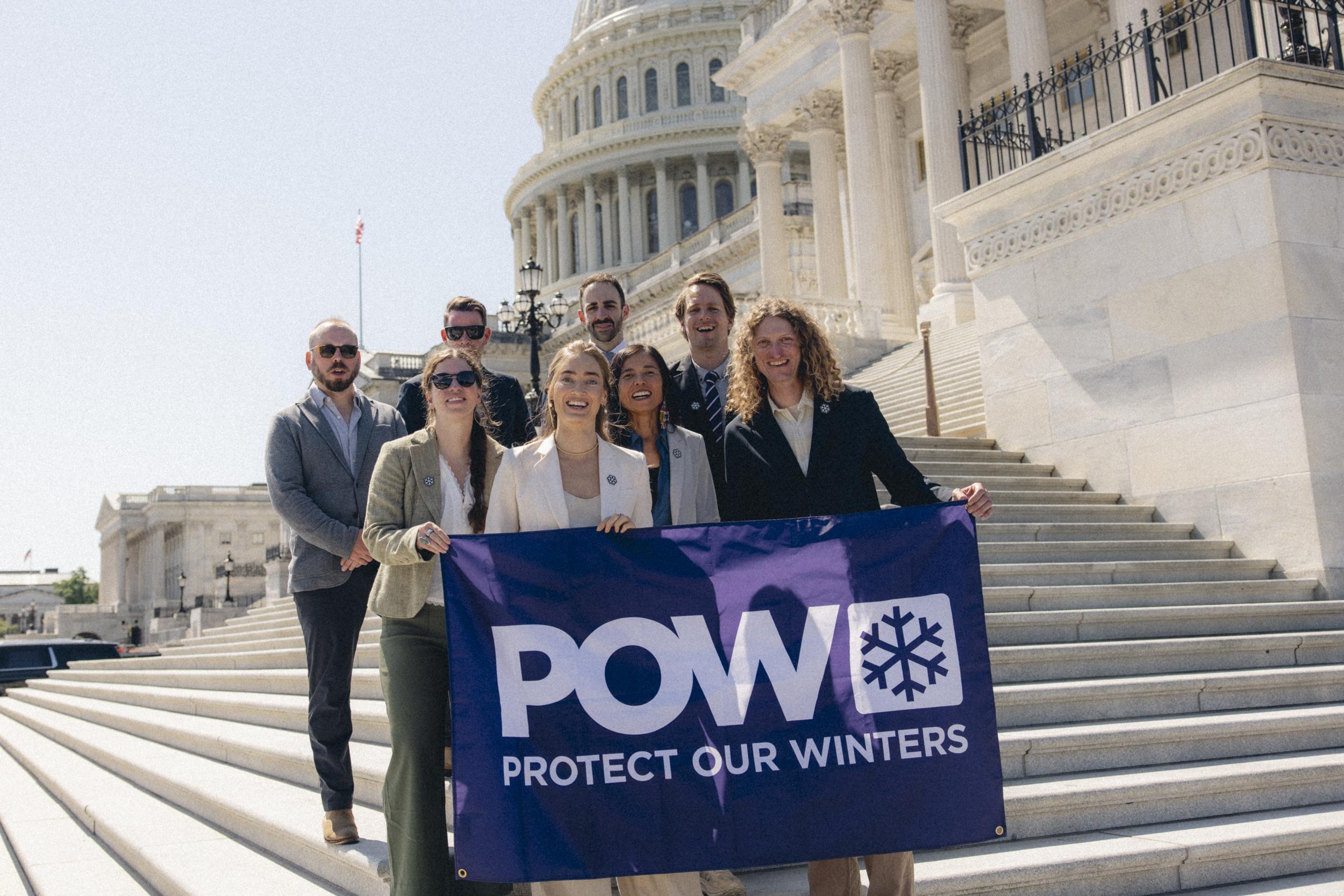
The introduction of the EHRA was supported by a diverse coalition, most notably the organization Protect Our Winters (POW). This group, comprised of professional athletes, scientists, and business leaders, argues that the degradation of the EPA is not just a health crisis but an economic one. The outdoor recreation economy is a massive driver of the American GDP, contributing approximately $1.1 trillion annually and supporting nearly 5 million jobs.
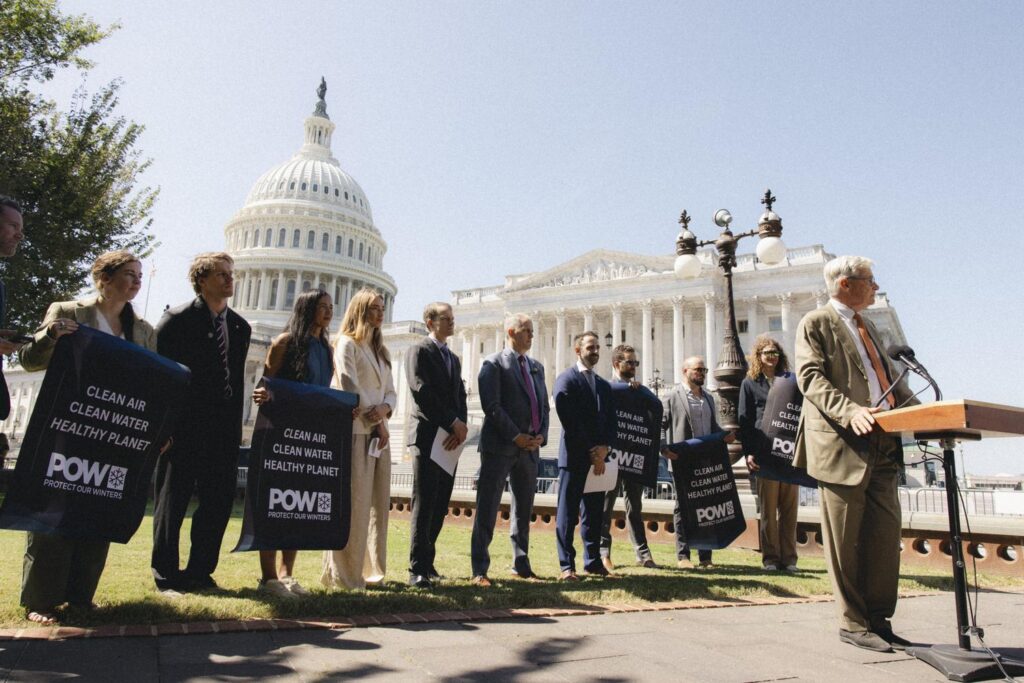
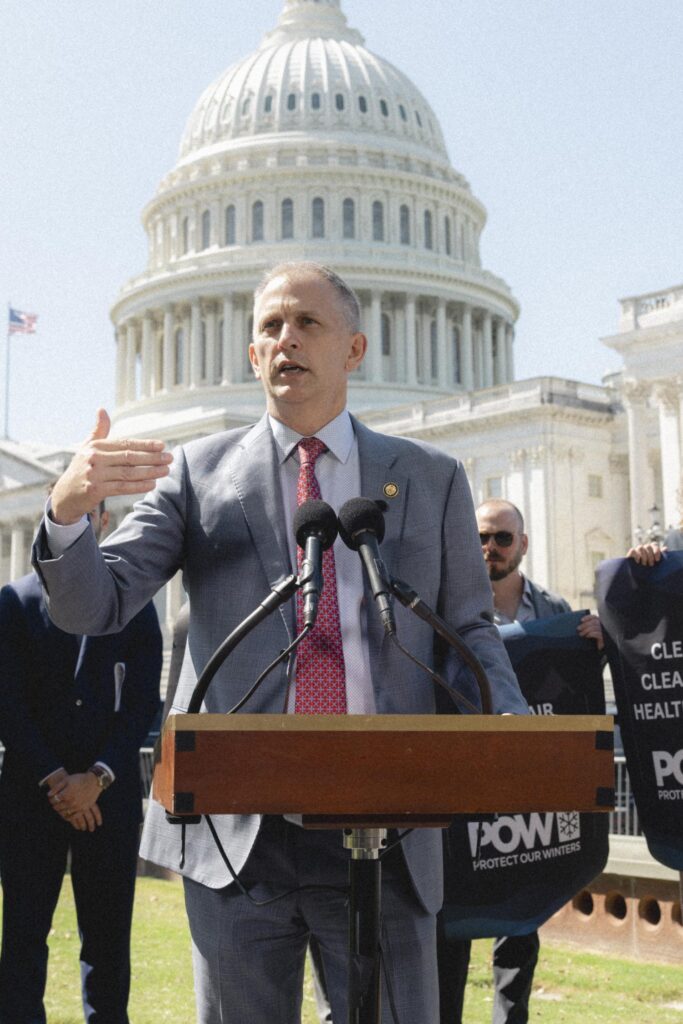
During the press conference on the Capitol lawn, professional climber Tommy Caldwell highlighted the tangible impacts of weakened environmental standards. "I’ve seen less and less snow, glaciers shrinking at a not-so-glacial pace, and volatile air quality," Caldwell stated. He noted that these changes directly threaten the viability of mountain towns, ski resorts, and the broader tourism industry. When air quality is compromised by wildfire smoke—often exacerbated by climate change—outdoor tourism collapses, impacting everything from local hotels to equipment manufacturers.
Data from the Bureau of Economic Analysis (BEA) supports these concerns. The outdoor industry often outpaces sectors like mining and utilities in terms of growth, yet it remains uniquely vulnerable to environmental instability. By restoring the EPA’s ability to mitigate climate change and protect public lands, the EHRA acts as an insurance policy for a significant portion of the American economy.
Chronology of Advocacy and Bipartisan Outreach
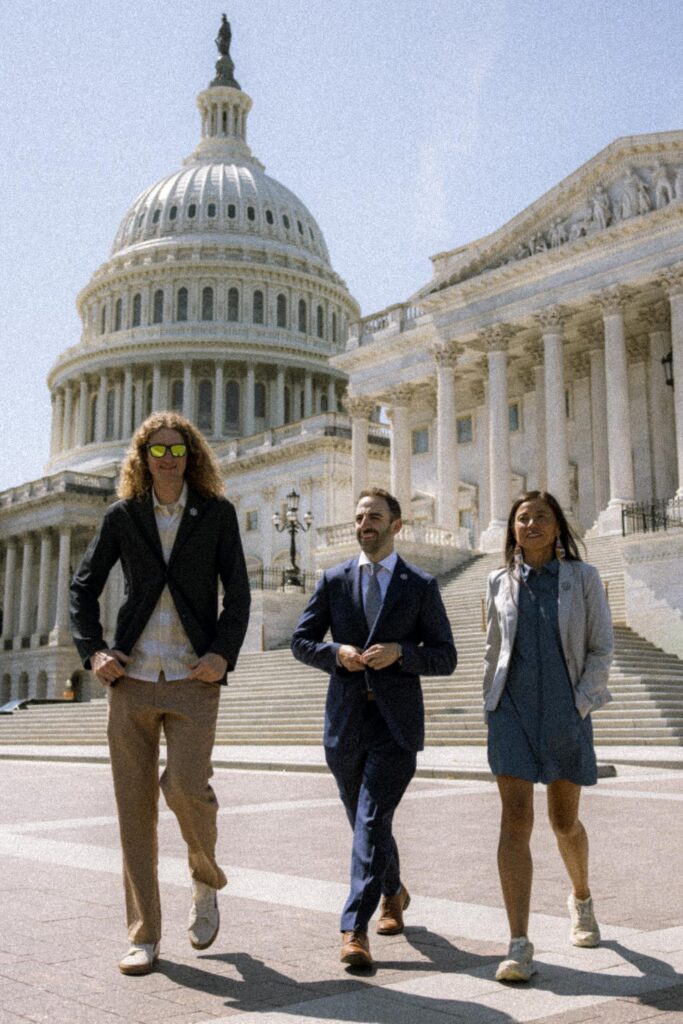
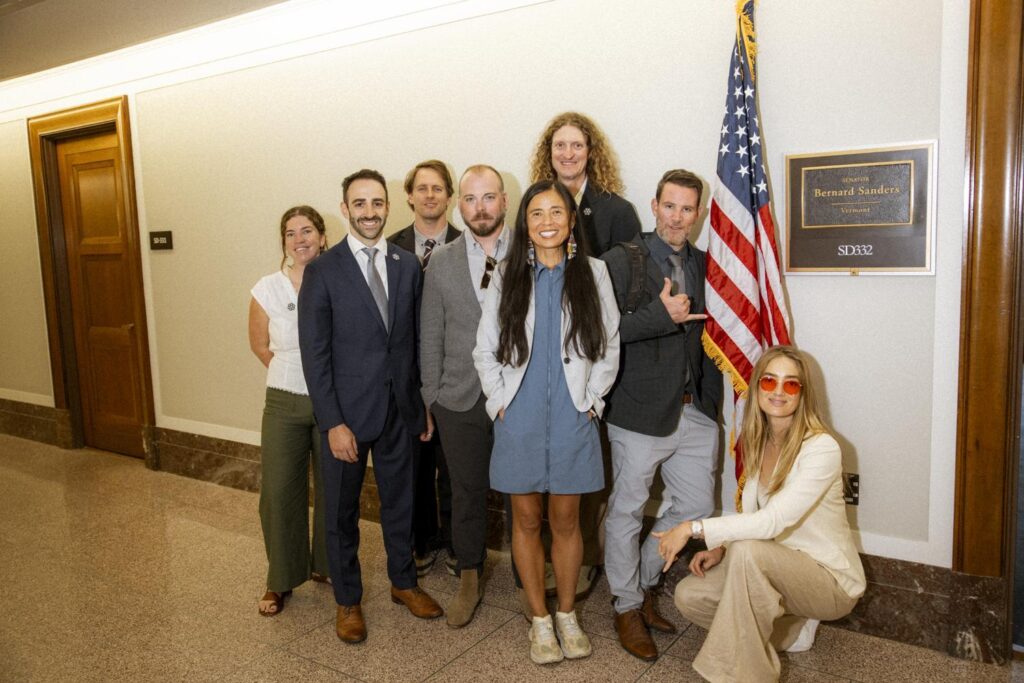
The introduction of the EHRA on September 16 followed months of strategic planning and advocacy. Representatives from POW, the League of Conservation Voters, Surfrider, and the Natural Resources Defense Council (NRDC) conducted a series of high-level meetings on Capitol Hill to build a broad base of support.
The advocacy efforts were notably bipartisan. Members of the coalition met with Republican Representative Andrew Garbarino of New York, alongside Democrats such as Representative Maxine Dexter and Senators Bernie Sanders, Jeff Merkley, and Ron Wyden. This cross-aisle outreach is a tactical move intended to rebuild the "durable coalition" that once characterized environmental policy. By engaging with Republicans, advocates hope to frame the EHRA not as a progressive wish list, but as a pragmatic restoration of a long-standing American institution.

Ben Gubits, Vice President of Advocacy and Campaigns for POW, noted that the bill "draws a clear line" between public interest and polluter influence. The strategy involves not just passing a bill in the current session, but building a legislative record that can survive future political shifts.
Supporting Data: Public Health and Environmental Costs
The urgency of the EHRA is underscored by alarming data regarding public health and environmental degradation. According to the American Lung Association, nearly 120 million Americans live in counties with failing grades for ozone or particle pollution. The EPA’s historic role in reducing these pollutants has saved trillions of dollars in healthcare costs and prevented hundreds of thousands of premature deaths.

Furthermore, the "gutting" of the Clean Water Act has left approximately 50% of the nation’s wetlands and millions of miles of streams without federal protection. These ecosystems are vital for natural water filtration and flood mitigation. The economic cost of replacing these natural services with man-made infrastructure is estimated in the billions. By restoring the EPA’s authority over these waters, the EHRA seeks to prevent the long-term fiscal burden of water contamination and flood damage.
Analysis of Implications and the Path to 2029
While the introduction of the Environmental Health Restoration Act is a landmark event, its proponents are realistic about the legislative hurdles ahead. With a divided Congress and a looming election cycle, the bill is unlikely to pass in the immediate term. However, the strategy articulated by the bill’s sponsors is one of "long-game" persistence.

The period between the 118th and the 120th Congress (projected around 2029) is seen as the "weather window" for passage. This timeline allows for the cultivation of more co-sponsors, the gathering of additional scientific testimony, and the mobilization of public support. The goal is to create a "record of necessity" that makes the bill’s passage inevitable once political conditions align.
The implications of the EHRA extend beyond American borders. As a global leader in environmental technology and policy, the United States’ internal regulatory strength often sets the tone for international climate agreements. A weakened EPA signals a retreat from global commitments, whereas a restored and codified agency provides the stability necessary for international cooperation on carbon reduction and biodiversity.

Conclusion: A Call for Structural Stability
The Environmental Health Restoration Act represents a pivotal attempt to move environmental protection out of the realm of executive whim and into the bedrock of federal law. By focusing on scientific integrity, public health, and economic stability, the bill seeks to repair the "broken agreement" that once made clean air and water a non-partisan priority.
As the bill moves into the committee phase, the focus will shift to organizing power. Supporters are being urged to contact their representatives to advocate for the prioritization of "people over polluters." Whether the EHRA passes this year or in 2029, its introduction marks the beginning of a concerted effort to ensure that the agency created to protect the American environment is finally protected itself. The outcome of this legislative push will likely determine the quality of the air, water, and climate for generations of Americans to come.
