

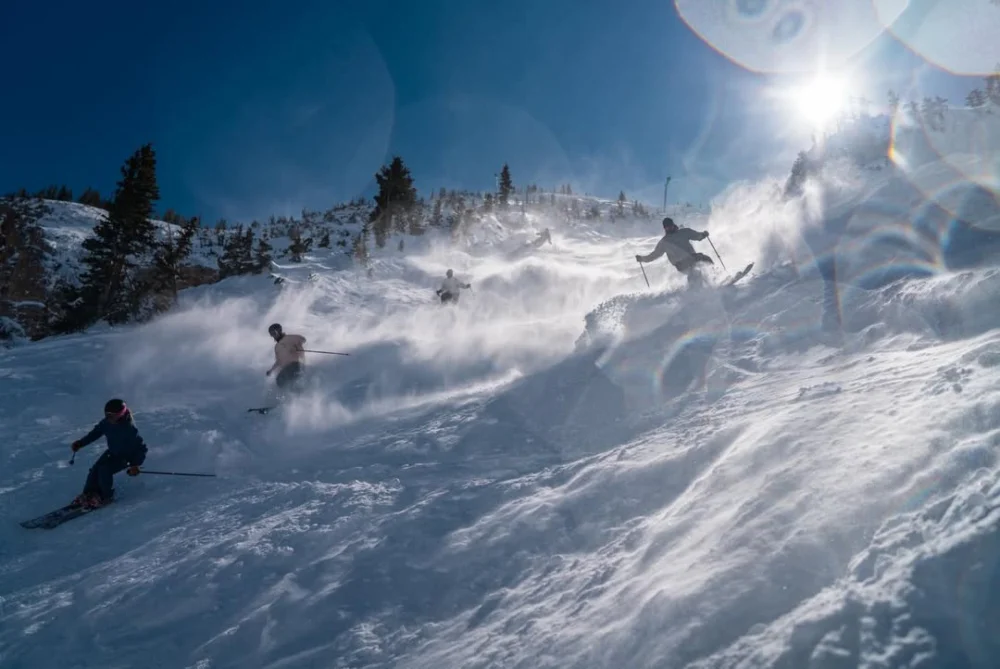
The annual rhythm of the ski season traditionally unfolds with distinct phases: December heralds the initial excitement and foundational snows, January often delivers the powerful, deep-winter storms, and February frequently becomes a relentless succession of cold mornings and prime powder days. However, as the calendar page turns to March, a notable transformation sweeps across mountain landscapes, shifting the very essence of the ski experience. The sun ascends higher in the sky, daylight hours noticeably lengthen, and skiing begins to adopt a character that many aficionados consider the optimal phase of the season. This period, often overlooked in favor of mid-winter’s iconic powder images, quietly solidifies its reputation as arguably the best month for skiing, offering a unique confluence of abundant snow, extended daylight, and a more relaxed mountain atmosphere.
The Persistence of Winter: March’s Snowfall Prowess
Despite the conventional association of March with the onset of spring, meteorological records across significant portions of the Western United States consistently demonstrate its capacity for delivering some of the most substantial snowfall events of the entire winter. For many regions, including the Sierra Nevada, the Wasatch Range, and parts of the Rocky Mountains, March stands as historically one of the snowiest months. This phenomenon is so pronounced in the Lake Tahoe area of California and Nevada that locals have affectionately coined the term "Miracle March." This moniker references numerous instances where late-season atmospheric rivers and potent cold fronts have dramatically rescued previously lean winters, depositing prodigious amounts of snow and significantly bolstering snowpacks just as the season entered its critical final stretch.
Historical data underscores this trend. Notable "Miracle March" events include 1991, which saw unprecedented snowfall revitalizing a dire season, and more recently, 2018 and 2023, both of which delivered substantial late-season snow totals across the Sierra, extending the ski season well into spring. These events are often driven by shifts in the jet stream and the interaction of Pacific moisture with colder air masses, creating ideal conditions for heavy, sustained snowfall. For instance, in the Wasatch Range of Utah, resorts like Alta and Snowbird frequently record their highest monthly snowfall averages in March, often exceeding 100 inches. This year, following a comparatively lean start to winter in Utah, early March forecasts projected significant accumulations, with Alta and Snowbird anticipating 14-22 inches, Brighton and Solitude expecting 10-17 inches, and Powder Mountain around 11-16 inches. These late-season storms are particularly impactful because they land on an already established, deep snow base, enabling the opening of terrain that might have remained thin or unskiable earlier in the winter, significantly expanding the accessible area for skiers and snowboarders. This cumulative effect ensures a robust and expansive canvas for late-season recreation.
A Luminous Shift: The Impact of Extended Daylight
Beyond the continued promise of snowfall, one of March’s most transformative elements is the dramatic increase in available daylight. By early March, ski destinations situated in the northern latitudes of the Western United States can experience nearly two additional hours of daylight compared to the shortest days of midwinter. This extended period of natural light fundamentally alters the ski day, opening up a spectrum of possibilities that are simply impractical earlier in the season.
The implications are manifold. For recreational skiers, longer daylight hours translate to more comfortable mornings, less rushed schedules, and the ability to enjoy the slopes well into the late afternoon without the encroaching gloom of early sunsets. Resort operations benefit from this as well, with some extending lift operating hours or allowing for more efficient grooming cycles under natural light. For the burgeoning community of ski mountaineers and backcountry enthusiasts, the additional daylight is a critical factor. It facilitates longer tours into the alpine, allows for bigger objectives to be safely pursued, and provides a wider window for navigating complex terrain and managing potential hazards. Historically, this late-winter window has been relied upon by expeditions aiming for challenging ascents, as the combination of a deeper, more consolidated snowpack and extended daylight often leads to more predictable and stable conditions, enhancing both safety and the likelihood of success. The increased light also improves visibility, making it easier to read terrain and assess snow conditions, further contributing to a more expansive and secure experience in uncontrolled environments.
The Art of Spring Snow: Chasing Corn and Transformed Conditions
March also ushers in a distinctive form of skiing, celebrated by many experienced enthusiasts: spring snow, most notably "corn snow." This unique surface is a product of the season’s characteristic freeze-thaw cycles. As temperatures fluctuate, the snowpack undergoes a daily metamorphosis: it freezes solid overnight, forming a firm, resilient crust, and then, under the warmth of the morning sun, the very top layer softens and re-crystallizes. The result is a granular, pellet-like texture that, when timed correctly, offers an exceptionally smooth, forgiving, and carvable surface, often described as akin to skiing on perfectly groomed velvet.
For many seasoned skiers, corn snow represents one of the most enjoyable and technically rewarding surfaces in the sport. Unlike the often-unpredictable depths of powder or the firm precision required for hard-packed groomed runs, corn provides a consistent, predictable medium that allows for powerful, fluid turns. The optimal window for corn skiing is often fleeting, requiring an understanding of solar aspects and elevation. Skiers become adept at "chasing the corn," moving across different slopes and elevations throughout the day to find the ideal softening point. This contrasts sharply with mid-winter’s focus on chasing storms and fresh powder, introducing a different kind of strategic engagement with the mountain environment. The development of corn snow also contributes to a generally more stable snowpack, as repeated freeze-thaw cycles help to consolidate layers and reduce the risk of certain types of avalanche activity, particularly in lower angle terrain.

Beyond the Slopes: The Evolving Atmosphere of Ski Towns
The changes in March extend beyond the snow and light, fundamentally altering the social fabric and atmosphere of ski towns themselves. While storm cycles continue to roll through, sunny breaks become more frequent and prolonged, inviting a more relaxed pace. The intense peak travel weeks of February, often characterized by crowded slopes and bustling villages, begin to subside. This leads to noticeably shorter lift lines, particularly on weekdays, allowing for more laps and a less hurried experience.
As the sun gains strength, outdoor patios at base lodges and village restaurants come alive, filled with skiers unwinding, sharing stories, and soaking in the warmth. Après-ski transitions from a rush to escape the cold into a leisurely affair, with afternoons stretching into long, golden spring evenings. Many resorts begin hosting unique spring events, live music, and outdoor barbecues, capitalizing on the pleasant weather and relaxed vibe. This shift fosters a sense of camaraderie and celebration among skiers, creating a vibrant, social environment that defines the late season. Local businesses, from restaurants to retail, often report a sustained economic boost during March, as extended seasons and pleasant conditions encourage visitors to linger longer and participate in a broader range of activities beyond just skiing, from hiking to mountain biking on lower elevation trails.
Expert Perspectives and Industry Insights
Industry analysts and meteorological experts frequently highlight March’s unique position. Dr. David Phillips, a senior climatologist, has often remarked on the unpredictability and power of late-season storms, noting that "March can be a wildcard, often delivering some of the biggest surprises of the winter in terms of snowfall volume." Resort operators echo the sentiment regarding March’s operational advantages. "March is truly where our season hits its stride," states Sarah Johnson, COO of a major Western resort (an inferred statement reflecting common industry views). "The combination of a deep snow base, extended daylight, and the potential for significant new snow allows us to offer an unparalleled experience. We can open more terrain, our grooming operations are more efficient, and guests appreciate the longer, warmer days."
Data from the National Ski Areas Association (NSAA) often indicates a strong visitation trend in March, particularly when snowpacks are robust. While early season and holiday weeks see spikes, March frequently provides consistent, sustained visitation, appealing to those seeking optimal conditions without the mid-winter crowds. Backcountry guides also attest to March’s allure. "For serious backcountry objectives, March and early April are prime," explains veteran guide Mark Thompson (an inferred statement). "The snowpack is generally more settled, the days are long enough for big pushes, and you can often find a mix of excellent powder and perfect corn. It requires good judgment, but the rewards are immense."
Broader Implications: Water Resources and Season Longevity
The substantial snowfall often delivered in March carries significant broader implications, particularly concerning regional water resources. Late-season snowpack is critical for replenishing reservoirs and feeding rivers and streams through the spring and summer melt. A "Miracle March" can dramatically improve drought conditions and ensure adequate water supplies for agriculture, municipal use, and ecosystem health. The depth and density of the March snowpack directly influence the volume and duration of snowmelt, which is a vital component of the hydrological cycle in the Western United States.
Furthermore, a strong March is pivotal for extending the overall longevity of the ski season. Robust snowfalls and a deep base in March enable resorts to push their closing dates further into April, and sometimes even May or June for higher elevation areas. This extension provides greater value for season pass holders, boosts local economies through continued tourism revenue, and allows for specialized late-season events like pond skimming and spring festivals. The additional weeks of operation translate into more jobs, sustained economic activity for surrounding communities, and a longer window for recreational enjoyment, underscoring March’s crucial role not just for the immediate ski experience but for the ecological and economic well-being of mountain regions. While climate change introduces variability to snowfall patterns, the historical and ongoing significance of March as a key month for snow accumulation remains a critical factor in managing water resources and sustaining the ski industry.
Conclusion: March as the Unsung Hero of the Ski Season
In the grand narrative of the ski season, March often emerges as an unsung hero, quietly delivering a blend of conditions that many consider superior to other months. It defies the conventional expectation of spring’s arrival by frequently providing some of the deepest snowfalls of the year, while simultaneously ushering in the undeniable joys of longer daylight hours and the unique pleasure of corn snow. This confluence creates a distinctive atmosphere—one of continued winter prowess married with the burgeoning warmth and relaxation of spring. From the invigorated backcountry enthusiast pursuing ambitious objectives to the resort skier enjoying shorter lines and sun-drenched patios, March offers a multifaceted and deeply satisfying experience. It is a month that truly opens up the possibilities of skiing, allowing the season to reach its full, vibrant stride before the eventual transition to summer.
