

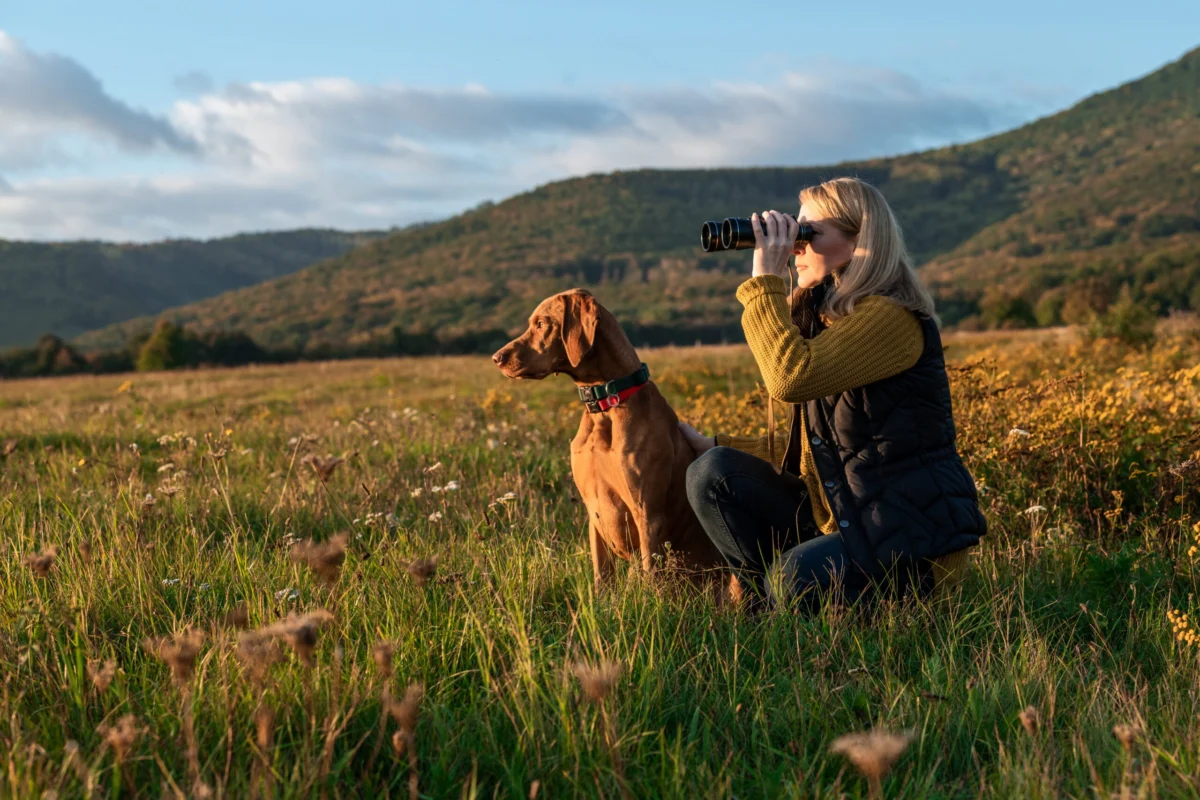
The Strategic Shift in Outdoor Participation
For decades, the outdoor industry was primarily defined by high-intensity activities such as mountain climbing, backcountry skiing, and long-distance backpacking. However, the 2026 Birdwatching and Wildlife Viewing Report illustrates a pivot toward "observational recreation." While high-adrenaline sports remain vital, the steady growth of wildlife viewing suggests that the market is expanding to include more inclusive, accessible, and low-impact activities.
Industry analysts suggest that this shift is driven by a desire for mindfulness and environmental education. Birdwatching, once viewed as a niche hobby for a specific demographic, has transitioned into a mainstream activity that appeals to a broad spectrum of the population. The OIA report categorizes this movement as a "quiet revolution" in the outdoor market, where the value of an outdoor experience is increasingly measured by the quality of the encounter with nature rather than the physical exertion involved.
Demographics and the Affluent Enthusiast
One of the most significant findings in the 2026 report is the demographic profile of the modern birdwatcher. The data reveals an audience that is generally older, more affluent, and highly educated compared to the average outdoor participant. This group possesses a high level of discretionary income, which translates into a willingness to invest in premium equipment and specialized travel experiences.
However, the report also notes a burgeoning interest among younger generations. The rise of "Gen Z birders" has been facilitated by social media platforms and mobile technology, which have gamified the experience of wildlife spotting. Despite this younger influx, the core economic driver remains the established wildlife viewing audience. These individuals are not just buying binoculars; they are investing in high-end optics, technical apparel, and long-term memberships in conservation organizations. For retailers, this represents a loyal customer base with a high lifetime value.
The Economic Ripple Effect Across Gear and Apparel
The impact of birdwatching and wildlife viewing extends far beyond the sale of field guides. The OIA report identifies several key sectors of the outdoor economy that are benefiting from this trend:
- High-Performance Optics: The demand for binoculars, spotting scopes, and camera lenses has reached record highs. Consumers are increasingly seeking specialized glass that offers superior clarity, low-light performance, and durability. Brands that previously focused on the hunting market are now rebranding and redesigning products specifically for the birdwatching community.
- Technical Apparel: Unlike the bright, neon colors often associated with cycling or running, the wildlife viewing market demands "stealth" apparel. This includes earth-toned, moisture-wicking, and silent fabrics that allow enthusiasts to blend into their surroundings without disturbing the animals they are observing.
- Footwear: There is a growing market for "hybrid" footwear that offers the support of a hiking boot with the comfort and silence of a walking shoe.
- Travel and Hospitality: Wildlife tourism is a multibillion-dollar industry. The report indicates that birdwatchers are more likely to book multi-day trips specifically for the purpose of adding "life birds" to their checklists. This has led to an increase in specialized lodges, guided tours, and regional festivals centered on migratory patterns.
Intersectional Participation: More Than Just Birding
A critical insight provided by the 2026 report is that birdwatchers are rarely "single-activity" participants. There is a massive overlap between wildlife viewing and other outdoor pursuits such as hiking, camping, and fishing.
According to the data, over 70% of birdwatchers also identify as hikers, and a significant portion are active campers. This intersectionality means that a consumer who enters a store looking for a spotting scope is also a potential buyer for tents, backpacks, and portable stoves. For brands, this presents a "cross-pollination" opportunity. Marketing strategies are now being designed to treat birdwatching as a gateway activity that leads to a broader engagement with the outdoor lifestyle.
Historical Context and the Pandemic Catalyst
The current dominance of birdwatching can be traced back to the global events of 2020 and 2021. During the COVID-19 pandemic, as indoor entertainment venues closed and travel was restricted, millions of people turned to their backyards and local parks for solace. Birdwatching provided a safe, socially distanced way to engage with the world.
During this period, downloads of bird identification apps like Merlin Bird ID and eBird skyrocketed. What began as a pandemic-era distraction has solidified into a permanent lifestyle choice for millions. The 2026 report serves as a retrospective of this growth, confirming that the "pandemic bump" was not a temporary spike but the foundation for a sustained upward trajectory. The timeline shows a steady 15% year-over-year increase in wildlife viewing participation since 2021, outpacing almost every other category in the outdoor sector.
Technological Integration and Digital Community
The modernization of birdwatching is intrinsically linked to technology. The 2026 report emphasizes the role of digital platforms in lowering the barrier to entry for new enthusiasts. Global databases allow users to track their sightings, participate in citizen science, and connect with a global community of observers.
This digital shift has also influenced product development. We are now seeing the emergence of "smart" binoculars that can identify species in real-time using integrated AI. Additionally, the rise of digital photography within the birding community has created a secondary market for accessories such as "digiscoping" adapters, which allow users to attach smartphones to spotting scopes. The report suggests that brands failing to integrate digital or technological components into their offerings may struggle to capture the younger segment of this market.
Conservation as a Market Driver
Birdwatching is uniquely positioned at the intersection of recreation and conservation. The OIA report notes that wildlife viewers are among the most environmentally conscious consumers in the outdoor market. They are highly attuned to issues such as habitat loss, climate change, and avian flu outbreaks.
This environmental awareness translates into specific consumer preferences. Birdwatchers are more likely to support brands that demonstrate a commitment to sustainability and corporate social responsibility. The report indicates that a significant percentage of enthusiasts check a company’s environmental record before making a major purchase. Consequently, the growth of the birding market is pushing the entire outdoor industry toward more sustainable manufacturing processes and transparent supply chains.
Official Responses and Industry Outlook
Industry leaders have responded to the OIA report with a mixture of optimism and strategic realignment. Representatives from major optics companies have noted that the "birding segment" is no longer an afterthought in their annual reports but a primary focus for research and development.
"The data in the 2026 report confirms what we have been seeing on the ground for several years," stated one industry veteran. "The birding consumer is sophisticated, knowledgeable, and loyal. They don’t just want a product; they want an experience that contributes to their understanding of the natural world."
Retailers are also adjusting their floor plans and inventory. Many are dedicating more space to wildlife viewing gear and hosting in-store workshops on bird identification and nature photography. The goal is to transform the retail environment into a community hub for local enthusiasts.
Broader Implications for the Outdoor Economy
The rise of birdwatching and wildlife viewing has broader implications for land management and public policy. As this constituency grows, there is increased pressure on local, state, and federal governments to protect biodiversity and expand access to natural spaces. The OIA report suggests that the economic power of birdwatchers can be a potent tool for advocacy. When birdwatching is recognized as a major economic engine, it provides a compelling financial argument for the preservation of wetlands, forests, and coastal areas.
Furthermore, the report highlights the potential for "urban birding" to diversify the outdoor industry. Because birdwatching can be done in city parks and suburban backyards, it reaches populations that may not have easy access to remote wilderness areas. This inclusivity is vital for the long-term health of the outdoor economy, ensuring a steady stream of new participants from diverse backgrounds.
Conclusion: Planning for a Wildlife-Centric Future
The 2026 Birdwatching and Wildlife Viewing Report serves as a roadmap for the future of the outdoor industry. The transition from high-impact sports to observational recreation reflects a maturing market that values depth of experience and environmental stewardship. For brands and retailers, the message is clear: the wildlife viewing audience is no longer a niche segment but a central pillar of the outdoor economy.
By understanding the unique needs of this affluent, engaged, and growing demographic, the industry can plan for long-term growth. Whether through the development of cutting-edge optics, the creation of sustainable apparel, or the promotion of wildlife tourism, the opportunities within the birding sector are vast. As we move toward 2026 and beyond, birdwatching will continue to be a primary force driving the evolution of how we interact with, protect, and profit from the great outdoors.
