

Published October 21, 2026 11:28 AM
The crisp autumn air, often a harbinger of ski season, has finally brought the biting cold necessary for snowmakers to ignite their machines. As the first artificial snowflakes begin to dust the slopes, ski resorts across the nation are in a race against time to open for the season. This year, however, the familiar excitement is tempered by the specter of persistent drought conditions that have plagued Western states for years, and which manifested in a dry winter and a fiery summer for many regions. The question on many minds, particularly outside of Vermont, which often boasts more reliable natural snowfall, is whether the water required to create an artificial base is a responsible use of a diminishing resource, and if sufficient water even exists to ensure a viable ski season.
This pressing concern has prompted industry experts to clarify the often-misunderstood process of snowmaking and to examine its increasingly vital role in the operational resilience of ski resorts. While many citizens were urged to conserve water for domestic use, ski areas are now leveraging their water rights to create snow. This apparent paradox requires a closer look at the legal frameworks and environmental realities surrounding snowmaking.
Understanding the Nuances of Snowmaking: Beyond the Lawn Sprinkler Analogy
The common perception that ski resorts are drawing heavily on water sources that could otherwise be used for agriculture or municipal needs is a simplification that overlooks the intricate legal and ecological considerations of snowmaking. Water rights, a complex and state-specific legal domain, generally grant users like ski resorts the entitlement to utilize a designated quantity of water for specific purposes. Crucially, snowmaking is classified as a "non-consumptive" water use. This designation means that the water, after being transformed into snow and eventually melting, is not permanently removed from the watershed. Instead, it either flows back into natural water systems or evaporates, returning to the environment.
"It all eventually ends up back in the environment," explained Austin Irby, Slope Maintenance Director at Jackson Hole Mountain Resort. "Instead of using it, getting heavy metals in it—some industries are polluting it—ours is good, clean water when it goes back." This ecological cycle underscores a fundamental difference between snowmaking and other water uses where water is consumed or significantly altered.
Furthermore, snowmaking can have positive implications for watershed management. Courtney LaBrie, Director of Sustainability for the National Ski Areas Association (NSAA), noted that the process can contribute to more predictable runoff patterns. In some instances, the water infrastructure used for snowmaking has even been repurposed or considered for wildfire suppression efforts, highlighting its potential dual utility. "When it comes to resorts’ ability to access that water, impacts depend heavily on local conditions, such as water rights seniority, on-site storage, water sources, and snowmaking efficiency," LaBrie elaborated. The ability of a resort to make snow is thus intricately tied to its specific geographic location, its historical water rights, the availability of on-site water storage, and the technological sophistication of its snowmaking systems.
For the ski areas interviewed for this report, established water rights and accessible sources currently permit snowmaking operations. As the industry grapples with the escalating challenges posed by climate change, there is a pronounced focus on enhancing the efficiency of these snowmaking systems and exploring innovative strategies to ensure the continuity of ski seasons.
The Indispensable Role of Snowmaking in Modern Ski Operations
Historically, the ski season’s commencement was dictated solely by natural snowfall. However, in an era of increasingly variable weather patterns, snowmaking has evolved from a supplementary measure to a critical component of resort operations, enabling resorts to open on time and maintain skiable conditions throughout the season.
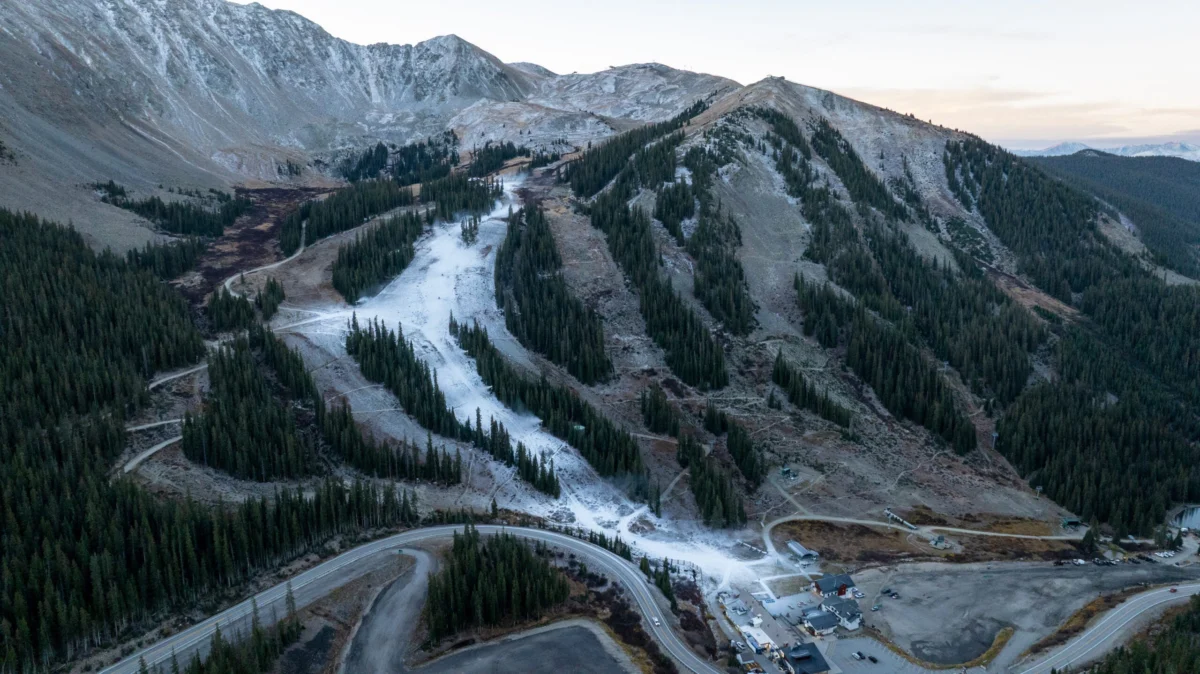
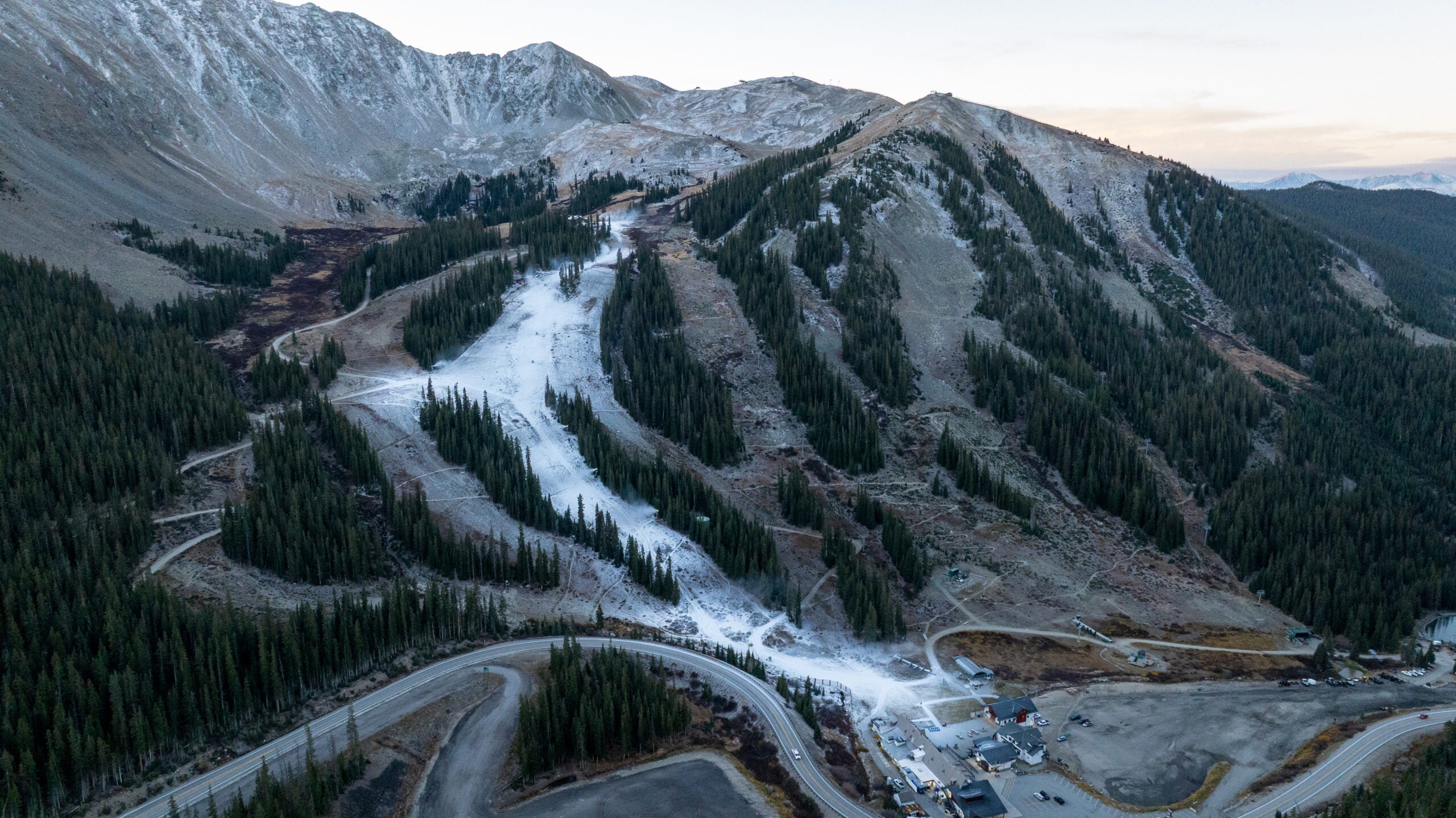
Arapahoe Basin, a high-elevation resort renowned for its early season openings, often commences snowmaking operations as soon as temperatures plummet to the required low point, sometimes as early as October. Snowmaking Manager Blair James pointed out that even at Arapahoe Basin, snowmaking is strategically concentrated on a limited number of key trails. "It’s a really critical toehold for the season," stated VP of Mountain Operations Louis Skowyra, emphasizing that even a small, strategically snow-covered area can be instrumental in kick-starting the season and providing a baseline for skiers.
The extent to which ski areas rely on snowmaking varies significantly. Jackson Hole, for instance, produces artificial snow on approximately five percent of its vast terrain. However, this limited coverage is strategically vital, encompassing lower-elevation trails that facilitate skiers’ descent from the mountain, particularly during the spring months when natural snow may be scarce. "Snowmaking acts as a resilience tool for ski areas to get seasons started on time, supplement snow in dry years and end seasons when scheduled," LaBrie affirmed.
Last season, snowmaking proved to be an essential lifeline for numerous resorts struggling with insufficient natural snowfall, enabling them to remain open and meet visitor expectations. This operational necessity, however, comes with a substantial financial commitment. "It’s a significant expense, but many times it’s a needed expense," acknowledged Reed Weimer, Sales and Marketing Manager at Red River Ski Area in New Mexico. Red River, a family-owned resort, covers an impressive 85 percent of its terrain with snowmaking capabilities. Weimer reported that last season, the resort extended its snowmaking operations by approximately one month beyond its typical schedule to compensate for natural snow deficits.
Resorts are acutely aware of the unpredictability of future winters. Consequently, there is a continuous and proactive effort to upgrade operational plans and invest in more efficient snowmaking technologies. "We definitely plan for the worst-case scenario," stated Chad Sokol, Public Relations Manager at Whitefish Mountain Resort in Montana, echoing a sentiment prevalent across the industry. This forward-thinking approach is essential for navigating the challenges of a changing climate.
Charting a Course Through an Uncertain Climatic Future
While ski resort staff diligently prepare for the vagaries of winter weather, the overarching influence of climate change remains a persistent and undeniable variable. Industry experts acknowledge the accelerating rate of climatic shifts, and a comprehensive 2023 NSAA study projected that if global emissions continue at their current trajectory, ski areas could face significant challenges related to water source vulnerability and rising temperatures in the coming decades.
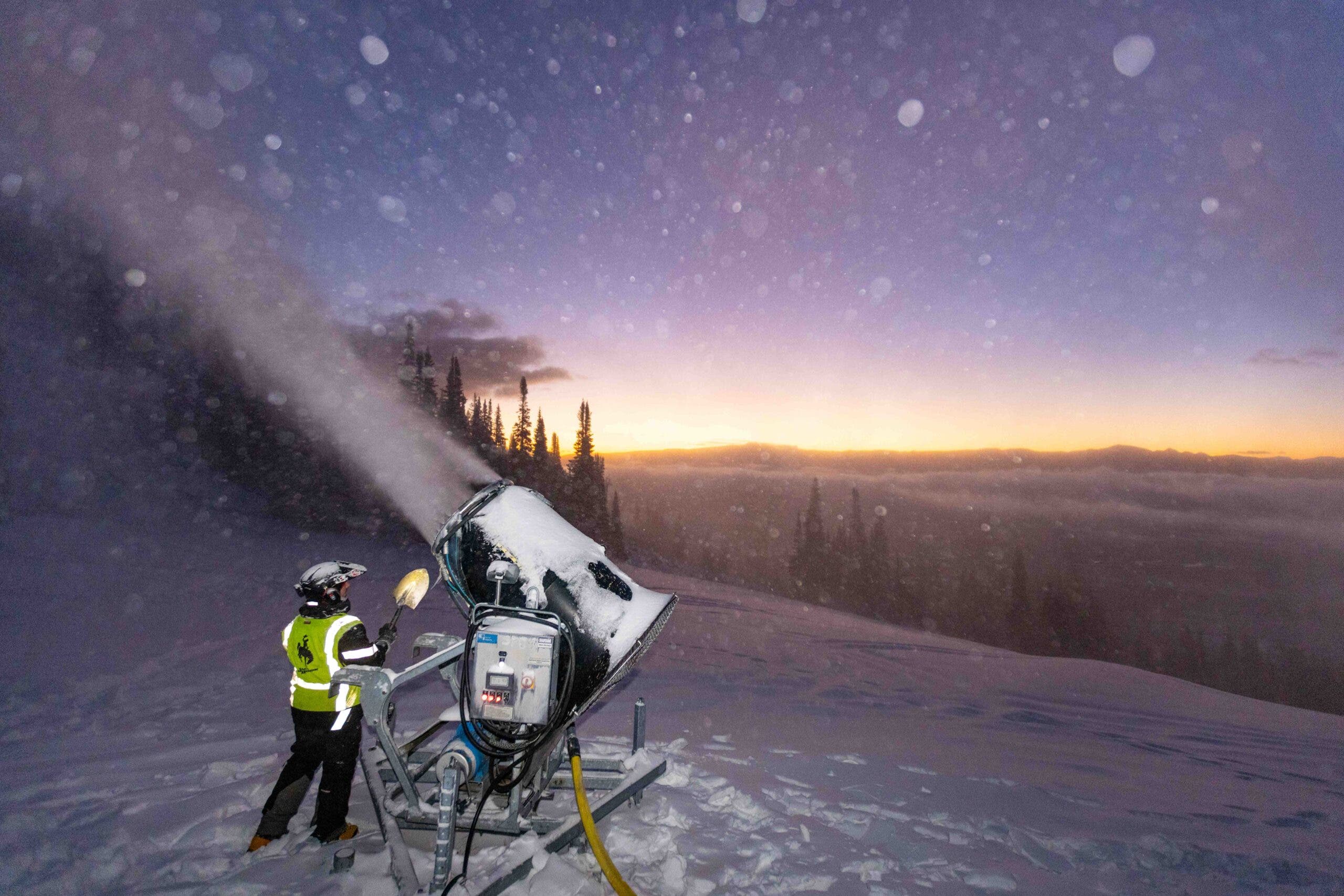
Even with the most advanced snowmaking infrastructure, the fundamental requirement for cold temperatures persists. "It still needs to get cold," Irby emphasized, underscoring the inherent limitations of snowmaking technology in the face of prolonged warm spells.
LaBrie reiterated that snowmaking is one of several adaptive strategies employed by ski areas to mitigate the impact of low-snow years, and she highlighted the continuous advancements in snowmaking technology. Weimer pointed to the integration of efficient LiDAR technology at Red River as a "game changer" in optimizing snowmaking. This technology allows for precise control over where and when snow is produced, thereby reducing operational costs and water usage.
In Oregon, Willamette Pass Ski Area is implementing a significant expansion of its snowmaking capabilities this winter, extending operations from the base to the summit for the first time in select areas. General Manager Mindy Ingebretson-Wolowicz described this project as a paradigm shift in the perception of snowmaking, moving it from a supplementary tool to a central element in ensuring the mountain’s operational viability. "We all realize how important it is and how it can help fortify our seasons," she stated, "But it’s not a knee-jerk reaction from one bad season." These strategic investments are the result of long-term planning and a deep understanding of the evolving environmental landscape.
The implementation of such ambitious projects requires extensive collaboration with governmental agencies and environmental stakeholders to minimize ecological impact. Furthermore, resorts are increasingly exploring more passive snow-saving strategies. Earlier this month, Aspen Snowmass successfully hosted a terrain park session on snow that was harvested and meticulously stored under insulated blankets from the previous season. Arapahoe Basin, a pioneer in carbon-neutral operations, utilizes specialized fences at high altitudes to capture and preserve snow drifts, which are then strategically deployed to fortify key runs later in the season. At Jackson Hole, resort management is considering innovative solutions such as allowing skiers to access the upper mountain and then "download" via lift when snow diminishes on lower slopes, thus extending the usable ski terrain without solely relying on snowmaking.
As the industry navigates these complex challenges, the dedication of the individuals who work tirelessly behind the scenes to prepare the slopes remains paramount. Ingebretson-Wolowicz concluded with a poignant reminder: "None of it happens without the people behind it. The people who are out there at 2 o’clock in the morning in the dark with their headlamps on." Their commitment ensures that the dream of a ski season, however challenging the conditions, can become a reality for enthusiasts. The sustained investment in efficient technology, coupled with a proactive and adaptive approach to environmental challenges, will be critical for the long-term viability of ski resorts in a changing world.
