

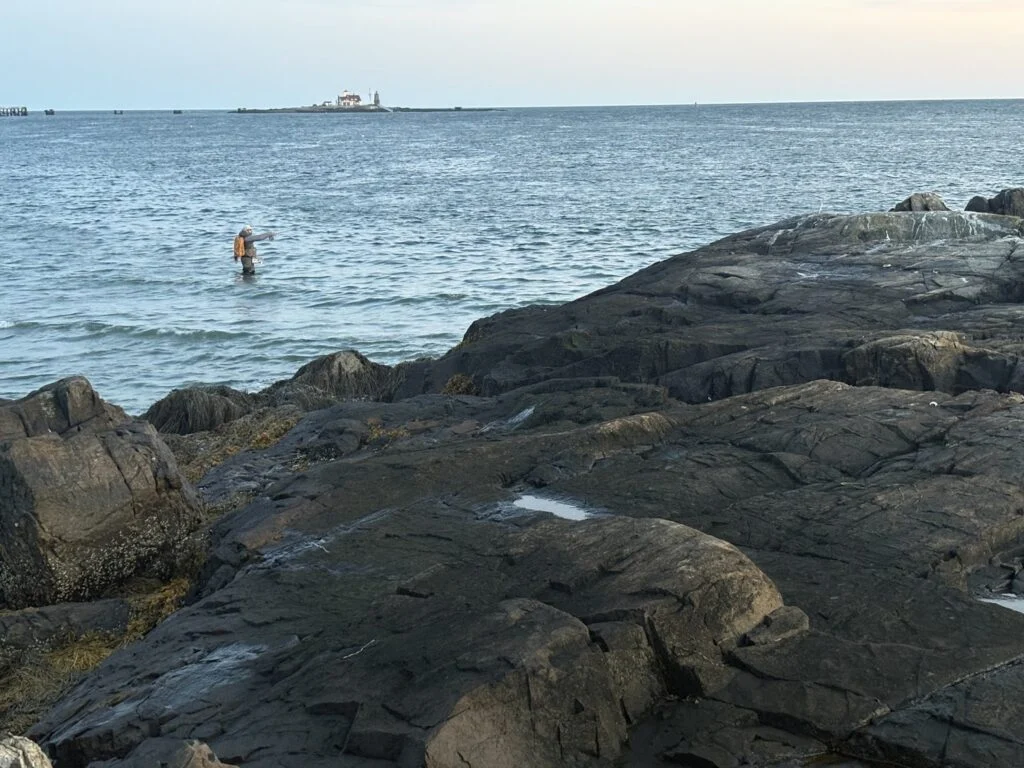
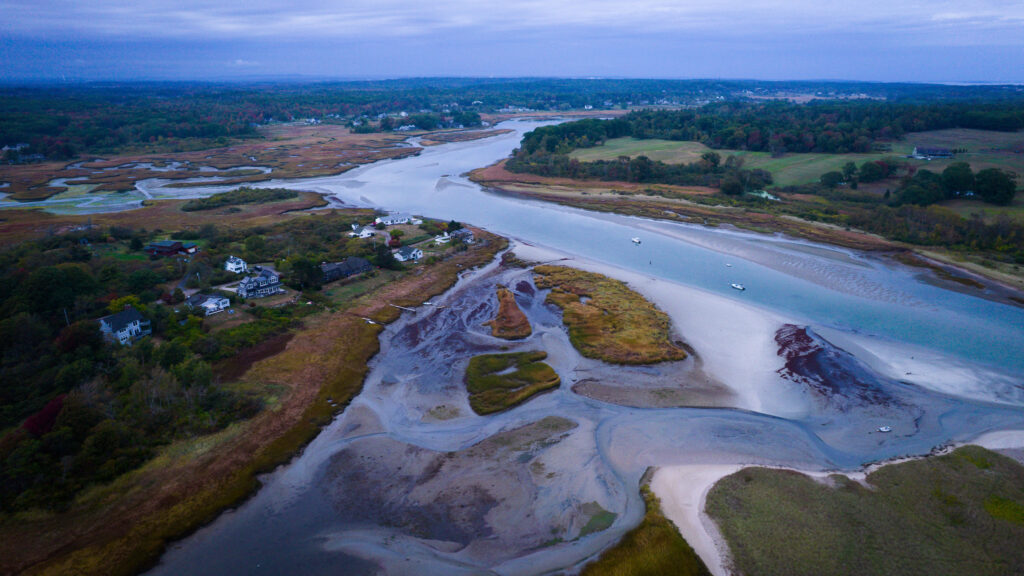
The Gulf of Maine, a vast and ecologically diverse body of water stretching from Cape Cod in Massachusetts to the reaches of New Brunswick and Nova Scotia, has become a focal point for global climate research due to its unprecedented rate of temperature increase. Against this backdrop, a new five-part film series titled "New Blue View" has been launched to document the intersection of traditional maritime industries, modern science, and grassroots advocacy. Supported by the climate advocacy organization Protect Our Winters (POW) and 11th Hour Racing, the project follows filmmaker Liam Gallagher and local fishing guide Captain Kyle Schaefer as they navigate the tidal flats and coastal communities of Maine to highlight localized responses to a global crisis.
The Environmental Context of the Gulf of Maine
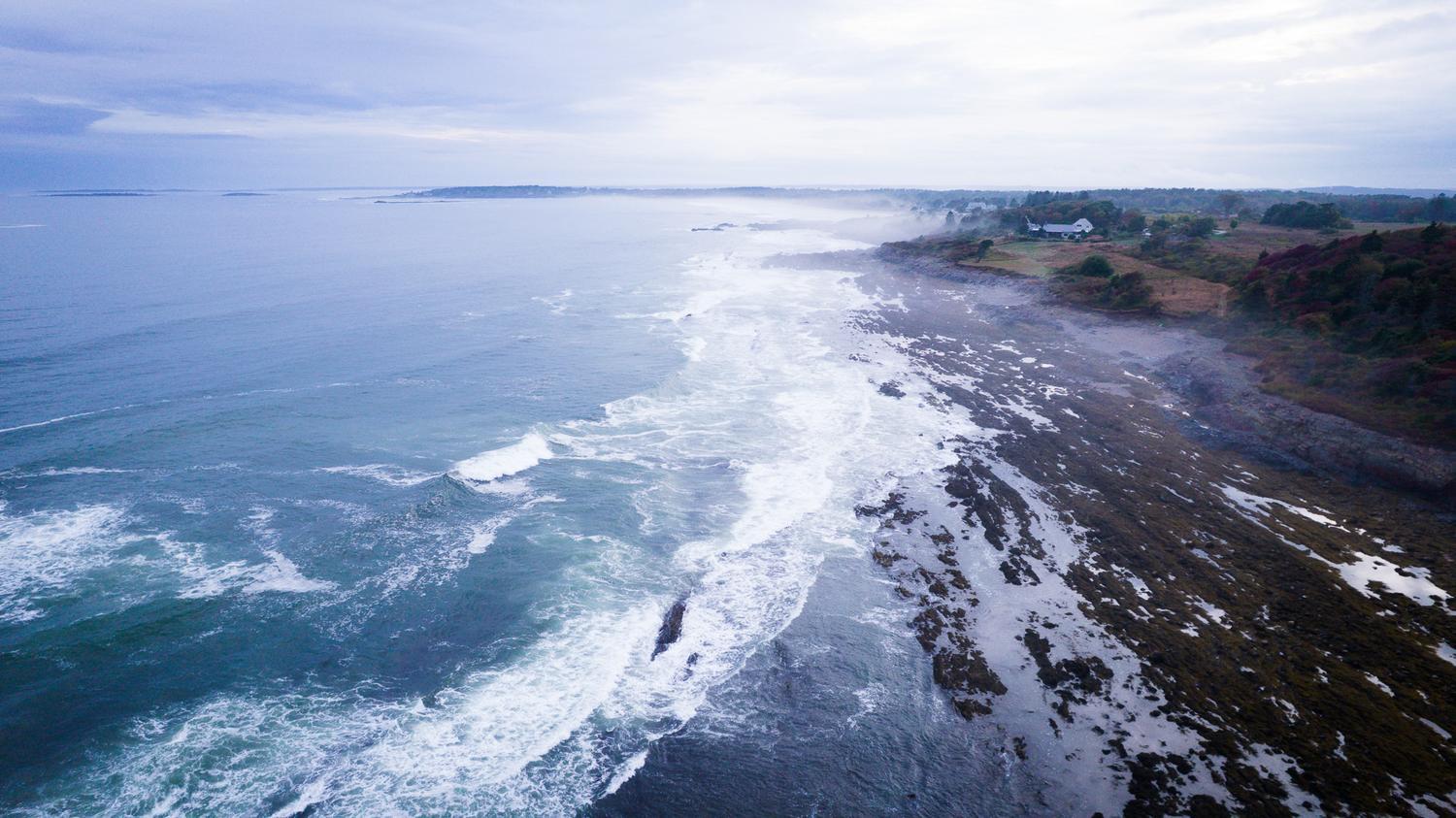
The scientific significance of the Gulf of Maine cannot be overstated. According to data from the Gulf of Maine Research Institute (GMRI), this specific body of water is warming faster than 97% of the world’s oceans. This rapid thermal shift is attributed to a combination of factors, including the weakening of the cold Labrador Current and the northward shift of the warm Gulf Stream. These changes have profound implications for the region’s biodiversity and its multi-billion-dollar fishing industry.
For Captain Kyle Schaefer, an outfitter who has spent his life on these waters, the statistics are reflected in the daily reality of his profession. Schaefer, the central figure of the "New Blue View" series, has observed shifts in species migration and water behavior that align with scientific models. His transition from a recreational angler to a vocal advocate for marine conservation mirrors a broader trend within the outdoor industry, where enthusiasts are increasingly assuming the roles of citizen scientists and policy influencers.
Collaborative Storytelling and Production Chronology
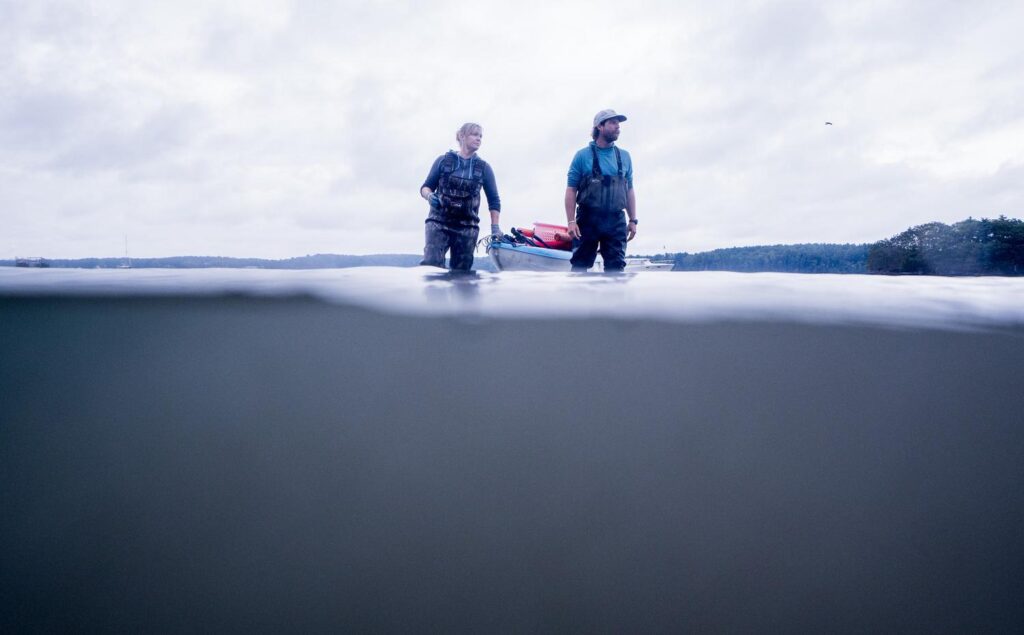
The production of "New Blue View" was a concentrated six-day expedition conducted in September, a month characterized by sharp seasonal transitions in New England. Liam Gallagher, a member of the POW Creative Alliance and an experienced filmmaker from Washington, traveled east to collaborate with Schaefer. The two spent twelve-hour days traversing the coastline, primarily by skiff, to interview a diverse array of stakeholders, including oyster farmers, river conservationists, and culinary professionals.
The synergy between Gallagher and Schaefer provided the narrative foundation for the series. By utilizing their shared background in fly fishing, the duo was able to establish immediate rapport with their subjects, facilitating deeper conversations regarding the technical and emotional aspects of climate change. Gallagher noted that the shared passion for outdoor pursuits serves as a "baseline" for connection, allowing for more authentic dialogue between the filmmakers and the local community members who are directly impacted by environmental shifts.
The Role of Regenerative Aquaculture and Ecosystem Services
One of the primary focuses of the series is the role of regenerative aquaculture, specifically oyster farming. During the filming, the team visited tidal flat operations where they explored the "oyster science" that makes these bivalves essential to coastal health. Oysters are natural filtration systems; a single adult oyster can filter up to 50 gallons of water per day, removing excess nutrients like nitrogen that can lead to harmful algal blooms.
Beyond water filtration, oyster reefs provide critical habitat for other marine species and act as natural buffers against storm surges—a threat that is increasing in frequency and intensity as sea levels rise. The series highlights how oyster farming represents a "triple-win" scenario: it supports the local economy, provides a sustainable food source, and actively improves the surrounding ecosystem. This segment of the film emphasizes that supporting local fisheries is not merely a consumer choice but a form of environmental stewardship.
Upstream Connections and River Restoration
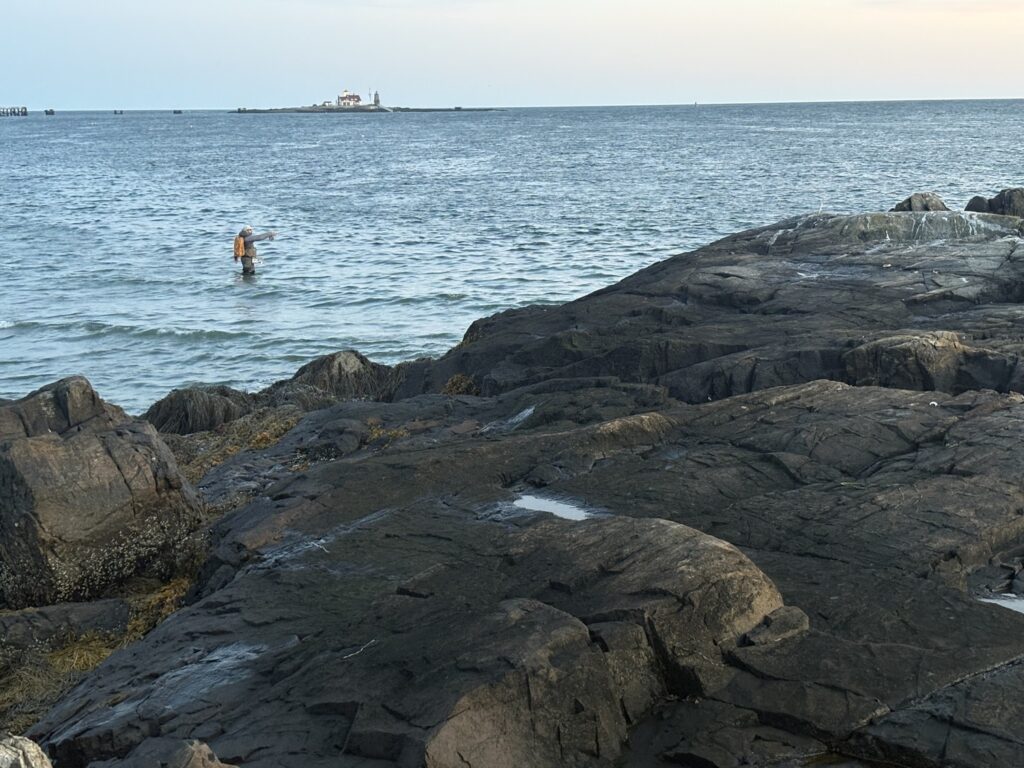
A significant portion of "New Blue View" is dedicated to the concept of "upriver and downriver" connectivity. The health of the Gulf of Maine is inextricably linked to the health of the rivers that feed into it. The series documents the efforts of river conservationists who are working to remove obsolete dams and restore natural flow to New England’s waterways.
The restoration of these pathways allows anadromous fish, such as river herring, to travel freely between salt and fresh water. These migrations are vital for nutrient cycling; fish carry essential minerals from the ocean into inland forests and provide a critical food source for both marine and terrestrial predators. By focusing on these connections, the film illustrates that marine conservation does not begin at the shoreline but starts miles inland. The removal of dams is presented not as a loss of infrastructure, but as a gain in ecological resilience and biodiversity.
Voices from the Field: Innovation and Pragmatism
The narrative of "New Blue View" is bolstered by contributions from various experts and community leaders who represent the "can-do" attitude of the New England region. Melissa Paly, a Great Bay-Piscataqua Water Keeper with the Conservation Law Foundation, features prominently in the series. Paly argues that while the climate crisis is daunting, many of the solutions are well-understood and ready for implementation. She emphasizes that "making headway" is possible through existing technologies and community willpower, framing the climate fight as a matter of public mobilization rather than purely theoretical science.
The series also integrates the perspective of the culinary industry through figures like Chef Jeremy Sewall. A fourth-generation lobsterman turned restaurant owner, Sewall represents the vital link between the harvester and the consumer. His commitment to sourcing local seafood demonstrates how the hospitality sector can drive demand for sustainable practices. By choosing local fisheries over industrial imports, restaurants can reduce their carbon footprint and ensure the economic viability of small-scale coastal operations.
Advocacy and the American Saltwater Guides Association
The film further explores the role of professional organizations in shaping environmental policy. Captain Kyle Schaefer’s involvement with the American Saltwater Guides Association (ASGA) is highlighted as a model for industry-led advocacy. The ASGA focuses on science-based management of fisheries, ensuring that policy decisions are grounded in data rather than short-term economic interests.
This aspect of the series serves as a call to action for recreational anglers and outdoor professionals. It suggests that personal enjoyment of natural resources carries a responsibility to engage in the political and scientific processes that govern them. Through in-person events and collaborative research projects, the ASGA provides a platform for guides and anglers to contribute to the long-term sustainability of the species they rely on for their livelihoods.
Broader Impact and the "Ripple Effect" Metaphor
The overarching theme of "New Blue View" is encapsulated in the metaphor of the "ripple effect." Liam Gallagher and Kyle Schaefer argue that while global climate issues can feel overwhelming, individual and community-level actions are the necessary catalysts for broader change. Gallagher’s advice to "tend to your own garden" encourages viewers to focus on the immediate environments where they have the most influence, whether that involves volunteering for citizen science projects, signing petitions for river restoration, or making informed choices at the seafood counter.
The series aims to move beyond the "doom and gloom" narrative often associated with climate reporting. Instead, it offers a vision of a sustainable future built on innovation, resilience, and local expertise. By showcasing the success of oyster farmers, the progress of dam removals, and the dedication of local chefs, "New Blue View" provides a roadmap for how other coastal communities might address the challenges of a warming world.
Conclusion: A Model for Regional Climate Resilience
The launch of "New Blue View" comes at a critical time for the Gulf of Maine. As the region continues to experience rapid environmental shifts, the need for integrated, community-based solutions has never been more urgent. The collaboration between Protect Our Winters and 11th Hour Racing underscores the growing importance of cross-sector partnerships in climate communication.
By documenting the stories of those on the front lines of change, the film series serves both as a historical record of the Gulf’s current state and a call to action for its future. The pragmatic, solution-oriented approach featured in the series suggests that while the warming of the oceans is a formidable challenge, the collective power of informed citizens, scientists, and industry leaders remains a potent force for ecological preservation. As the "ripples" of these local efforts spread, they contribute to a larger wave of global climate resilience, proving that the most effective solutions often begin right at one’s feet.
