

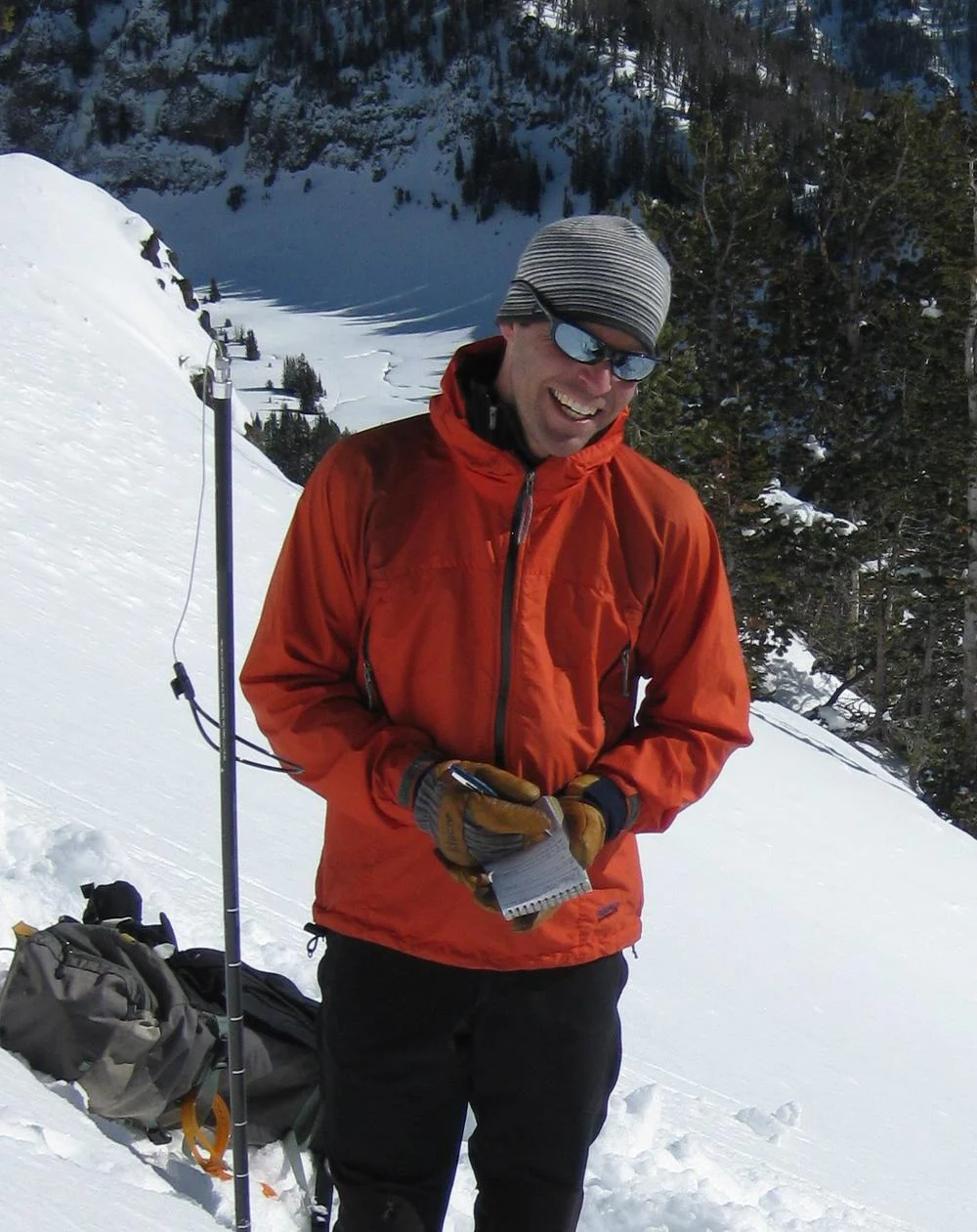
The Utah Avalanche Center (UAC) is announcing the retirement of its long-serving Director, Bruce Tremper, effective at the end of August. Tremper, a towering figure in avalanche safety and forecasting for nearly 30 years, leaves behind a legacy of innovation, education, and a profound impact on how the public understands and navigates mountainous winter environments. His departure marks the end of an era for the UAC and the broader avalanche community, both domestically and internationally. Concurrently, the UAC has appointed Mark Staples as its new Director, a seasoned professional with extensive experience in snow science and avalanche forecasting.
A Quarter-Century of Dedication and Evolution at the UAC
Bruce Tremper’s tenure as Director of the Utah Avalanche Center, commencing in 1986, has been characterized by a relentless pursuit of improving avalanche safety information and outreach. Under his leadership, the UAC transformed from a provider of basic telephone-recorded advisories to a sophisticated operation offering a comprehensive suite of internet-based products. This evolution mirrors the broader technological shifts within the avalanche industry, and Tremper was consistently at the forefront of these changes.
The UAC, under Tremper’s guidance, became known for its innovative approach to presenting avalanche information. The introduction of standardized icons and the clear articulation of specific avalanche problems were pioneering efforts that significantly enhanced the clarity and accessibility of daily forecasts. These developments provided backcountry enthusiasts, ski patrollers, and emergency responders with more actionable and understandable information, directly contributing to safer decision-making in the mountains.
A Deeply Rooted Career in Avalanche Science
Tremper’s passion for avalanche science began long before his leadership role at the UAC. His academic foundation was laid at Montana State University, where he pursued his Master of Science degree under the tutelage of Dr. John Montagne. This period of study provided him with a robust theoretical understanding of snowpack mechanics and avalanche phenomena.
Following his academic pursuits, Tremper transitioned to the practical application of his knowledge. He gained invaluable hands-on experience in avalanche control work at prominent ski resorts, including Bridger Bowl and Big Sky. These roles demanded an immediate and practical understanding of avalanche hazards and the implementation of mitigation strategies. His expertise further expanded with a stint as an avalanche forecaster at the Alaska Avalanche Center. Working alongside notable figures such as Doug Fesler, Jill Fredston, and Jim Woodmency, Tremper honed his forecasting skills in one of North America’s most challenging avalanche environments. These formative experiences provided him with a diverse and comprehensive perspective on avalanche dynamics and risk management.
Beyond Forecasting: A Multifaceted Contributor to Avalanche Safety
Tremper’s contributions to avalanche safety extend far beyond his directorship at the UAC. He served as the editor for The Avalanche Review for six years, a critical publication that disseminates research, case studies, and best practices within the avalanche community. His prolific writing career includes numerous published papers and the authorship of two highly regarded books on avalanches, which have become essential resources for professionals and amateurs alike.

His involvement in high-profile events underscores his recognized expertise. Tremper was responsible for backcountry avalanche safety during the 2002 Salt Lake City Winter Olympics, a testament to his ability to manage complex safety protocols in a demanding public setting. He has also been a consistent and effective communicator, delivering hundreds of media interviews that have educated the public and promoted avalanche awareness. For decades, Tremper has been a dedicated instructor at the National Avalanche School, shaping the next generation of avalanche professionals. Furthermore, he played a pivotal role in developing the conceptual model of avalanche danger and the associated avalanche danger scale, a foundational framework adopted in 2010 that continues to guide avalanche forecasting and education globally.
A Continued Presence in the Avalanche World
While retiring from his official duties with the Forest Service, Bruce Tremper has expressed his intention to remain actively involved in avalanche safety. He plans to continue teaching, writing, and contributing to ongoing avalanche safety projects. This commitment ensures that his extensive knowledge and experience will continue to benefit the community. It is also anticipated that Tremper, along with his wife Susi, will dedicate more time to enjoying the Wasatch backcountry, a landscape he knows intimately and has worked tirelessly to make safer for others. The implication is that his passion for skiing and the mountains remains as strong as ever.
Welcoming New Leadership: Mark Staples Takes the Helm
With Bruce Tremper’s retirement, the Utah Avalanche Center has appointed Mark Staples as its new Director. Staples brings a wealth of experience and a deep understanding of avalanche science and forecasting to his new role. His professional background includes significant work in ski patrolling and snow safety at Big Sky Ski Area, a crucial grounding in practical avalanche hazard management.
Academically, Staples holds a Master of Science degree in Engineering from Montana State University, where his research focused on snow avalanches. He has also contributed to several special projects for the National Avalanche Center and spent eight seasons as a backcountry avalanche forecaster with the Gallatin National Forest Avalanche Center. This comprehensive experience equips him to lead the UAC in its mission. Staples has expressed enthusiasm for joining what he describes as a "top-notch UAC team," indicating a commitment to collaborative leadership and continued excellence.
Broader Impact and Future Outlook
Bruce Tremper’s retirement signifies more than just a change in leadership at a single organization. It marks the transition of a highly influential individual who has shaped avalanche safety discourse and practices across the United States and beyond. His work in developing accessible forecasting products, his educational contributions, and his foundational involvement in conceptualizing avalanche danger scales have had a lasting and positive impact. The UAC, under his direction, has consistently been recognized as a leader in avalanche forecasting and public education.
The transition to Mark Staples as Director suggests a continuity of the UAC’s commitment to providing essential safety information. Staples’ background indicates a strong understanding of both the scientific underpinnings of avalanche phenomena and the practical challenges faced by backcountry users. His leadership is expected to build upon the strong foundation laid by Tremper, potentially introducing new innovations and adapting to the evolving landscape of avalanche forecasting and risk management.
The continued dedication of individuals like Bruce Tremper and the emergence of new leaders like Mark Staples are critical for ensuring that the public receives accurate, timely, and understandable information about avalanche hazards. As climate change and increasing participation in winter backcountry recreation present ongoing challenges, the work of organizations like the Utah Avalanche Center remains vital. The legacy of Bruce Tremper is one of dedication to safety, innovation, and education, and the future of the UAC under Mark Staples appears poised to carry that mission forward. The avalanche community will undoubtedly be watching with interest as the UAC enters this new chapter.
